










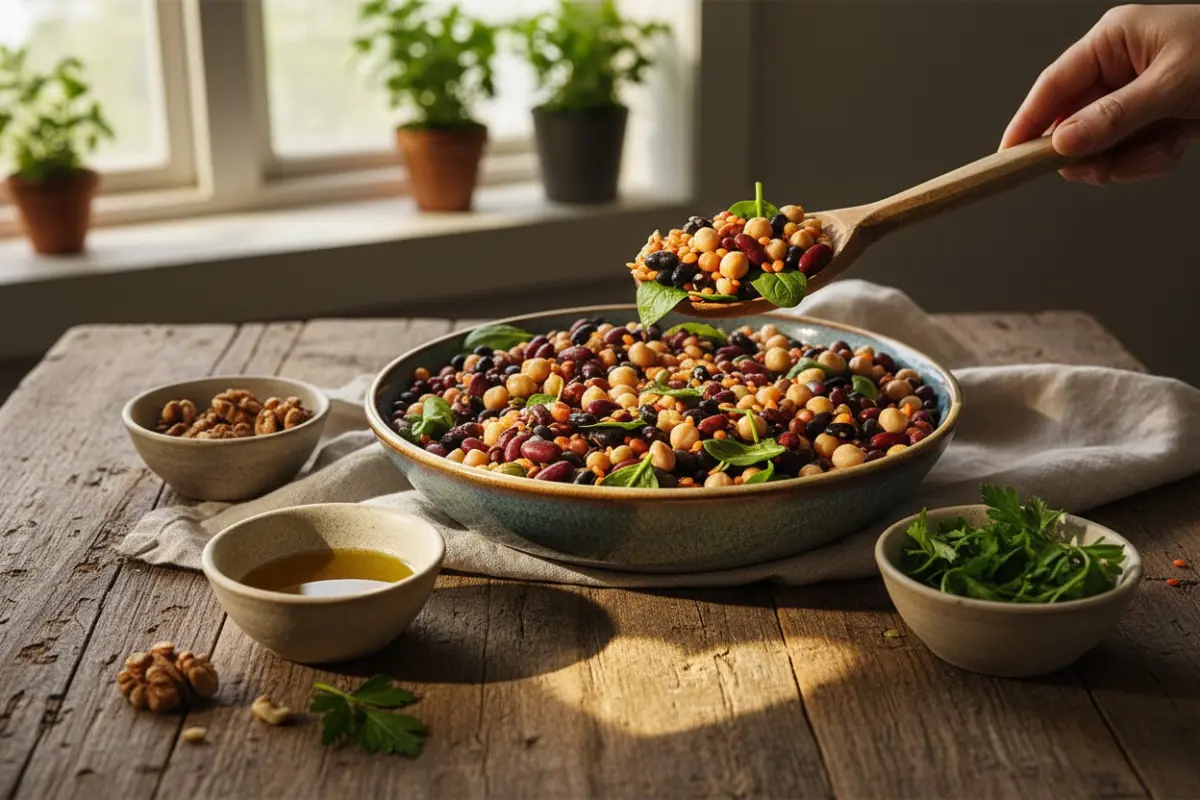
GLOBAL HEALTH & NUTRITION — In an era where lifestyle medicine is increasingly taking center stage in clinical guidelines, a robust new meta-analysis out of the University of Otago offers compelling evidence for a humble dietary staple. According to the comprehensive review of 24 randomized controlled trials encompassing nearly 2,000 adult participants, incorporating roughly half a cup of beans, lentils, or chickpeas into daily meals yields statistically significant reductions in total cholesterol, low-density lipoprotein (LDL) cholesterol, and fasting blood sugar levels.
Published amid a growing "food-as-medicine" movement sweeping modern medical institutions, the findings lend high-certainty backing to the idea that small, sustainable dietary adjustments can yield profound metabolic benefits. While the physiological changes observed on an individual level are modest, researchers emphasize that scaled across a population, these shifts could translate into a substantial decrease in cardiovascular events and type 2 diabetes diagnoses.
Main Facts: The Numbers Behind the Bean
The meta-analysis, one of the largest pooled samples ever assembled for legume-specific dietary research, pooled data from 24 distinct randomized controlled trials involving a total of 1,938 adult participants. The core intervention evaluated the impact of adding approximately 86 grams (roughly a half-cup) of legumes per day to an individual’s regular diet compared against control groups consuming their usual or alternative diets.
The primary takeaways from the pooled data include:
- Total Cholesterol: Dropped by an average of 0.23 mmol/L.
- LDL Cholesterol: Dropped by an average of 0.16 mmol/L.
- Fasting Blood Sugar: Decreased by an average of 0.18 mmol/L.
Crucially, researchers noted that the reductions in LDL cholesterol generally manifested within a window of six to twelve weeks. This timeline mirrors the therapeutic onset often observed with statin medications in clinical trials—an observation that has caught the attention of preventative cardiologists and primary care physicians alike.
To ensure the integrity of the findings, the research team applied the rigorous GRADE (Grading of Recommendations Assessment, Development and Evaluation) framework. The results earned a rating of "moderate certainty," indicating that the evidence is robust and exceptionally unlikely to be overturned by subsequent, smaller trials. Both the lipid-lowering and the glucose-lowering outcomes were backed by this high level of scientific confidence.
Chronology: Tracing the Evolution of Legume Science
The path to this latest meta-analysis reflects decades of nutritional science slowly pivoting away from isolated nutrient reduction toward whole-food synergy. Understanding how we arrived at these current guidelines requires looking at the historical trajectory of plant-based dietary research.
Early Observational Discoveries (Late 20th Century)
For decades, epidemiological studies—such as the famous Seven Countries Study and subsequent global cohort analyses—consistently noted that populations with high traditional intakes of beans, peas, and lentils experienced lower rates of ischemic heart disease and metabolic syndrome. However, these early observations were frequently confounded by overall lifestyle factors, high fiber intake from other sources, and lower consumption of processed foods, leaving researchers eager for more rigorous, controlled interventions.
The Rise of Randomized Controlled Trials (2000s–2010s)
As nutritional epidemiology matured, researchers began isolating specific dietary components. Earlier meta-analyses of randomized controlled trials began to successfully isolate non-soy legume consumption, noting consistent inverse relationships with serum cholesterol. Books and academic reviews—such as those popularized in lifestyle medicine literature (e.g., How Not to Diet)—began highlighting non-soy legumes as untapped pharmacological-grade foods capable of modifying cardiovascular risk profiles.
The University of Otago Synthesis (Present Day)
The latest review from the University of Otago marks a definitive milestone in this evolution. By pooling 24 high-quality randomized controlled trials with nearly 2,000 participants, the research team bypassed the confounding variables of earlier observational studies. By quantifying the exact physiological payoff of a daily half-cup serving over a strict 6-to-12-week timeline, this meta-analysis bridges the gap between ancient dietary staples and modern, evidence-based clinical recommendations.
Supporting Data: Dissecting the Nutritional Engine
What makes legumes such a potent metabolic tool? Nutritional reference data reveals that a single half-cup serving of cooked beans or lentils is a powerhouse of micronutrients and macronutrients, packing roughly six to eight grams of viscous dietary fiber.
1. The Fiber Matrix and Glucose Control
Dietary fiber has long been heralded for its role in digestive health and regularity. However, its metabolic implications extend far beyond the gastrointestinal tract. Soluble fiber forms a gel-like consistency in the gut, which slows down the digestion and absorption of carbohydrates. This blunts the postprandial (post-meal) glucose spike, preventing the sharp insulin surges that over time contribute to insulin resistance and type 2 diabetes. As registered dietitians specializing in carbohydrate management note, meal composition and the specific type of carbohydrate consumed are the primary drivers of glycemic response.
2. Essential Minerals and Plant Protein
Beyond fiber, legumes are exceptionally rich in essential minerals, most notably magnesium. Low magnesium intake is remarkably common in Western populations, yet the mineral is vital for hundreds of enzymatic reactions, including glucose metabolism and vascular tone. Furthermore, legume varieties—ranging from black beans and chickpeas to mung beans and lentils—offer a dense matrix of plant protein, complex carbohydrates, and antioxidant compounds (polyphenols).
3. The Whole-Food Synergy
A critical insight from the review’s authors is that the pooled trial data did not isolate a single "magic bullet" compound responsible for the observed drops in cholesterol and glucose. Instead, the researchers emphasize that legumes are consumed as whole foods. The beneficial health outcomes likely reflect a complex synergy between viscous fiber, plant sterols, slow-release carbohydrates, magnesium, and plant-based protein acting in concert, rather than any isolated phytochemical or vitamin.
Official Responses and Expert Perspectives
The medical and nutritional communities have responded to the University of Otago review with a mixture of enthusiasm and measured clinical caution.
The lead author of the review highlighted the public health implications of the data, noting:
"The LDL reduction is modest, but at a population level it could translate into fewer cardiovascular events."
While a drop of 0.16 mmol/L in LDL cholesterol might seem negligible to an individual patient dealing with significantly elevated lipid panels, epidemiologists point out that shifting the bell curve of a population’s cholesterol downwards can prevent thousands of heart attacks and strokes annually. Fasting blood sugar reductions, which received the same moderate-certainty GRADE rating, offer a parallel preventative benefit against the creeping onset of metabolic syndrome.
A Complementary Tool, Not a Replacement
Despite the excitement surrounding the "food-as-medicine" movement—which has gained massive momentum across major medical institutions—leading clinicians are eager to contextualize the findings. Legumes are being positioned as a powerful adjunct to conventional medical therapy, not a standalone substitute.
A clinical dietitian not involved in the review offered a balanced perspective on how these findings should be applied in practice:
"These findings support dietary change as an adjunct, not an alternative, to medication."
Physicians emphasize that patients diagnosed with hypercholesterolemia or type 2 diabetes must maintain their prescribed pharmaceutical regimens (such as statins or glucose-lowering agents) unless explicitly advised otherwise by their healthcare provider. Incorporating beans should be viewed as a synergistic strategy to optimize overall health, enhance the efficacy of treatments, and reduce long-term cardiovascular risk factors.
Practical Dietary Swaps and Implementation Strategies
Translating clinical meta-analyses into everyday kitchen habits can sometimes be daunting for patients unaccustomed to high-fiber diets. To bridge this gap, the research team and clinical nutritionists have recommended simple, sustainable substitutions that do not increase overall daily food volume or caloric intake.
1. The Four-Night Swap
Researchers recommend replacing refined carbohydrates—such as white rice, white pasta, or dinner rolls—with black beans, lentils, or chickpeas at least four nights per week. This specific substitution leverages the exact half-cup portion tested in the pooled trials, seamlessly integrating the therapeutic dose into existing meal structures without requiring complex meal planning.
2. Digestive Adaptation and Preparation Tips
For individuals unaccustomed to regular legume consumption, introducing high amounts of fiber can occasionally lead to transient gastrointestinal discomfort, such as bloating or gas. Nutrition experts recommend several traditional preparation methods to mitigate these side effects:
- Overnight Soaking: Soaking dry beans overnight breaks down complex oligosaccharides that are typically difficult for the human gut to digest.
- The Acid Splash: Adding a splash of apple cider vinegar or lemon juice to the soaking and cooking water can significantly reduce cooking time and further ease gastrointestinal distress for new consumers.
- Choosing Fast-Cooking Varieties: Split peas and red or yellow lentils require no soaking and cook in under 30 minutes, making them an accessible entry point for busy households.
3. Culinary Synergy: Pairing for Maximum Benefit
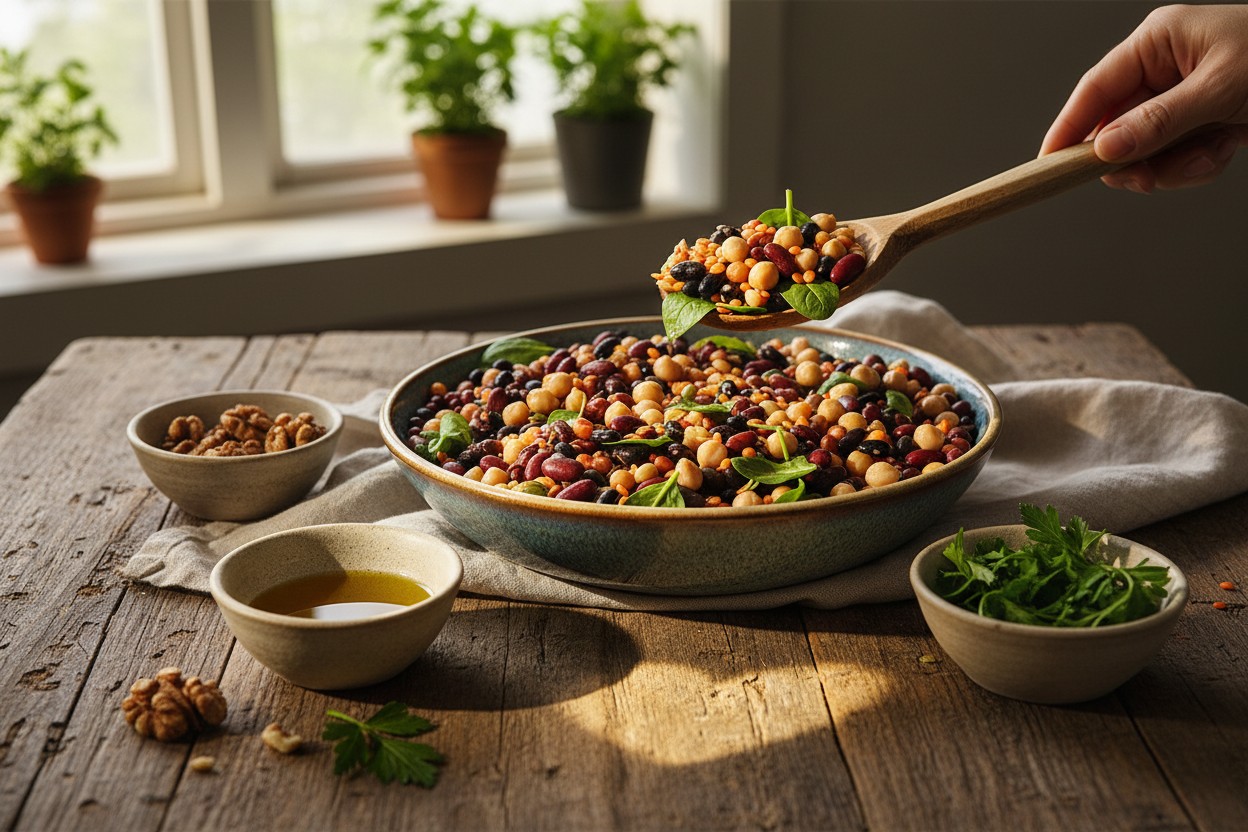
To maximize cardiovascular benefits, nutritionists suggest combining legumes with other health-promoting whole foods. Plant-based nutrition guidelines note that replacing saturated animal fats with healthy plant fats—such as extra virgin olive oil, walnuts, and avocados—further drives down LDL cholesterol. Pairing bean-based dishes with leafy greens and seeds like pumpkin seeds ensures a comprehensive intake of potassium, magnesium, and heart-healthy micronutrients.
Implications: The Horizon of Lifestyle Medicine
The University of Otago meta-analysis arrives at a critical juncture in modern healthcare. As healthcare systems globally buckle under the financial and operational weight of chronic, lifestyle-driven diseases like cardiovascular disease and type 2 diabetes, the mandate for effective preventative strategies has never been more urgent.
Gaps in Current Research and Future Directions
While the review provides definitive proof regarding cholesterol and blood sugar markers, the authors pointed out notable avenues for future investigation. For instance, the trials did not directly measure changes in liver fat. Because circulating cholesterol and fasting blood glucose values track closely with hepatic fat accumulation (non-alcoholic fatty liver disease, or NAFLD), researchers suspect that regular legume consumption may positively impact liver health. However, dedicated clinical trials tracking hepatic imaging and biopsy data will be required to confirm this hypothesis definitively.
Integrating Food into Clinical Practice
Ultimately, the study reinforces the validity of the modern food-as-medicine framework. By demonstrating that a simple, inexpensive, and culturally ubiquitous food item like the common bean can deliver statin-like temporal reductions in LDL cholesterol and meaningfully stabilize blood sugar, the research empowers both clinicians and patients.
As dietary interventions become increasingly integrated into mainstream institutional medicine, the half-cup of beans stands out not as a dietary fad, but as a rigorously validated, accessible cornerstone of long-term metabolic health and cardiovascular longevity.