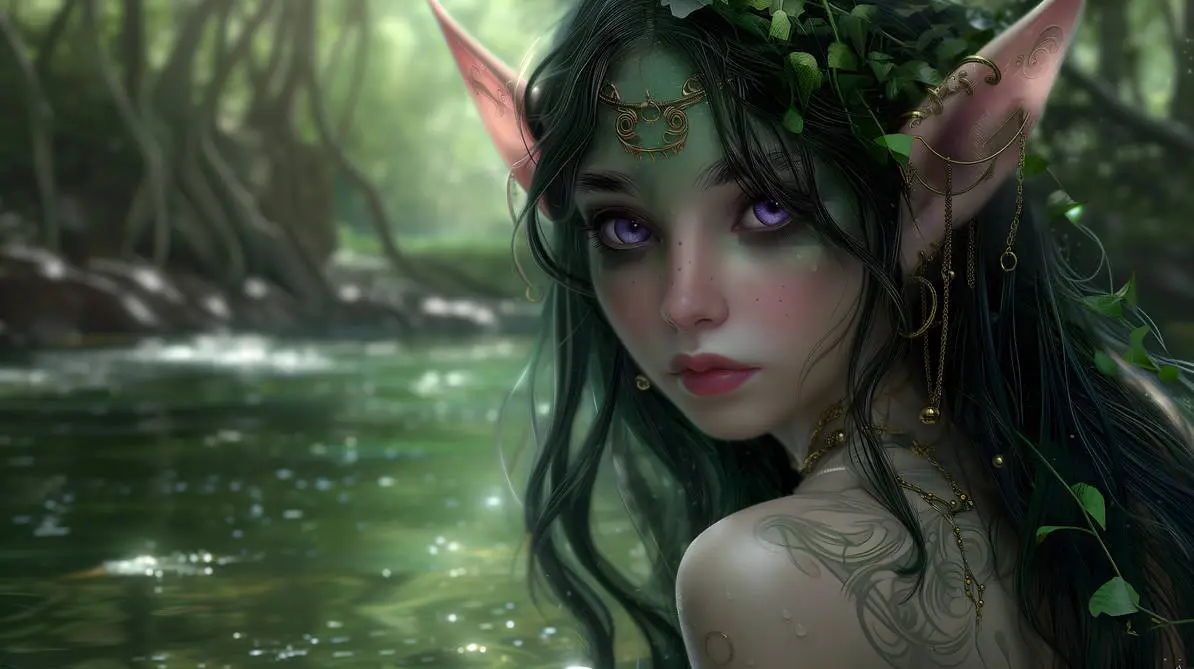
By The Mythical Realm Cultural Desk
Published: October 2023
Main Facts: The Phenomenon of Mythical Personality Typing
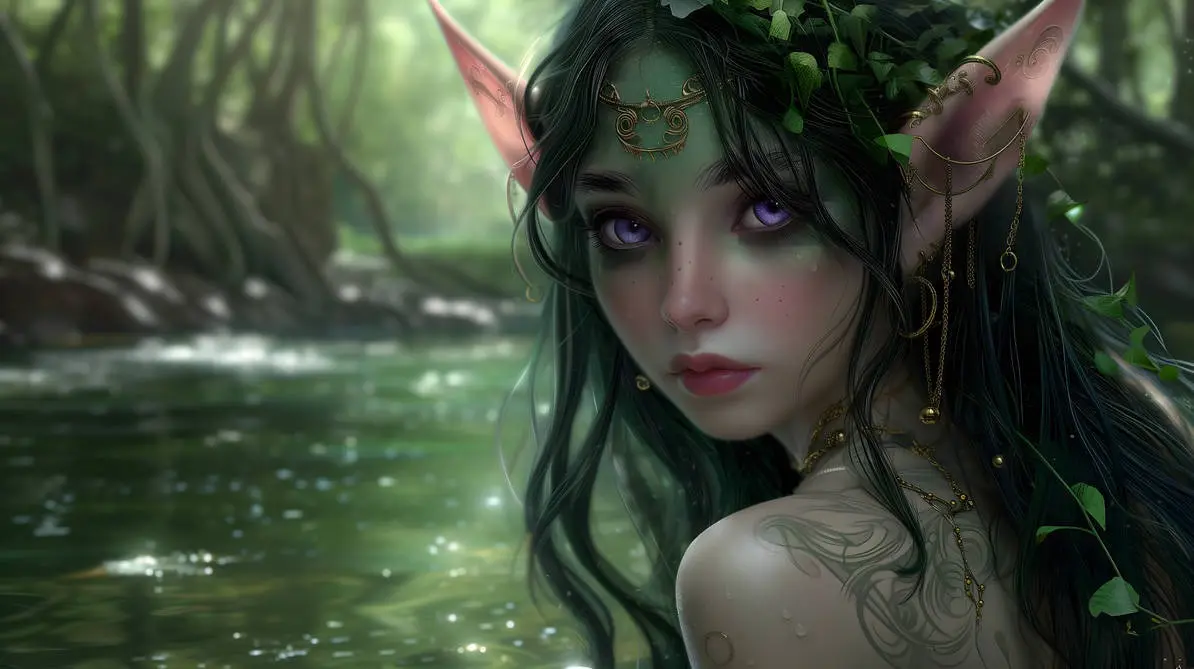
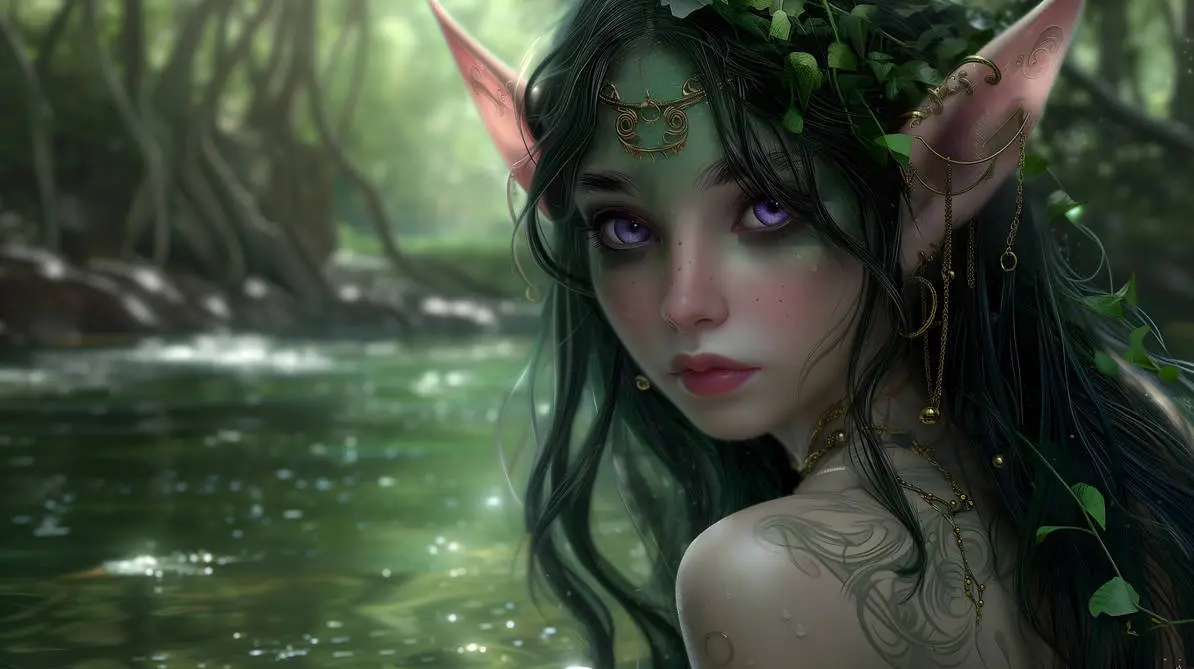
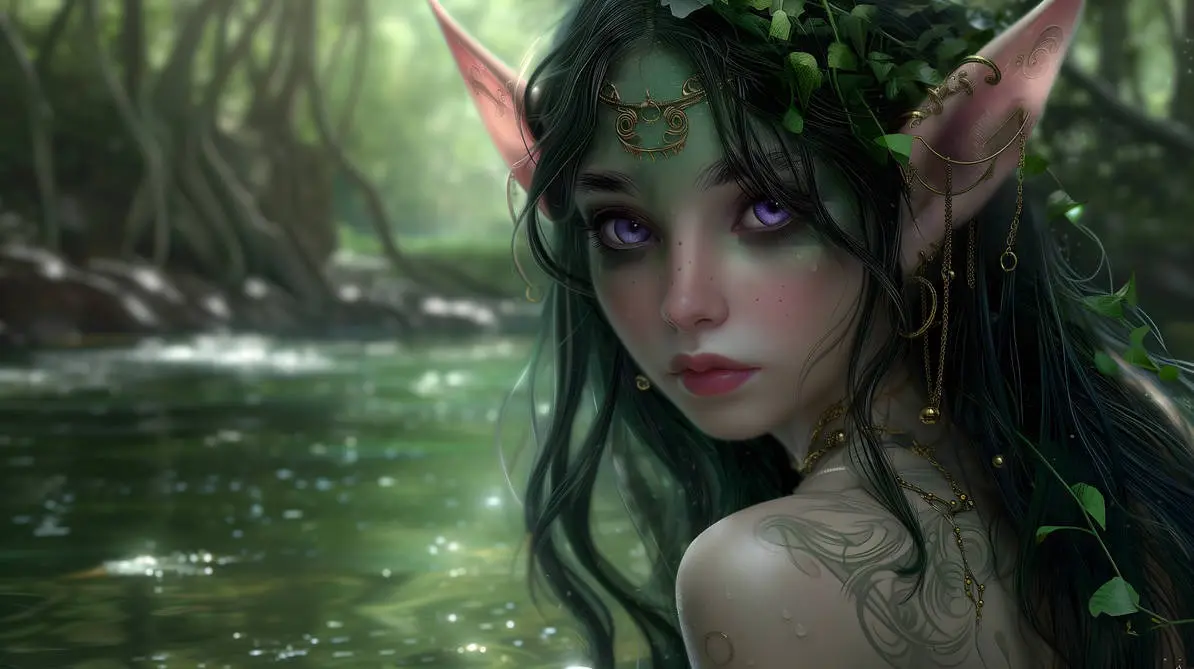
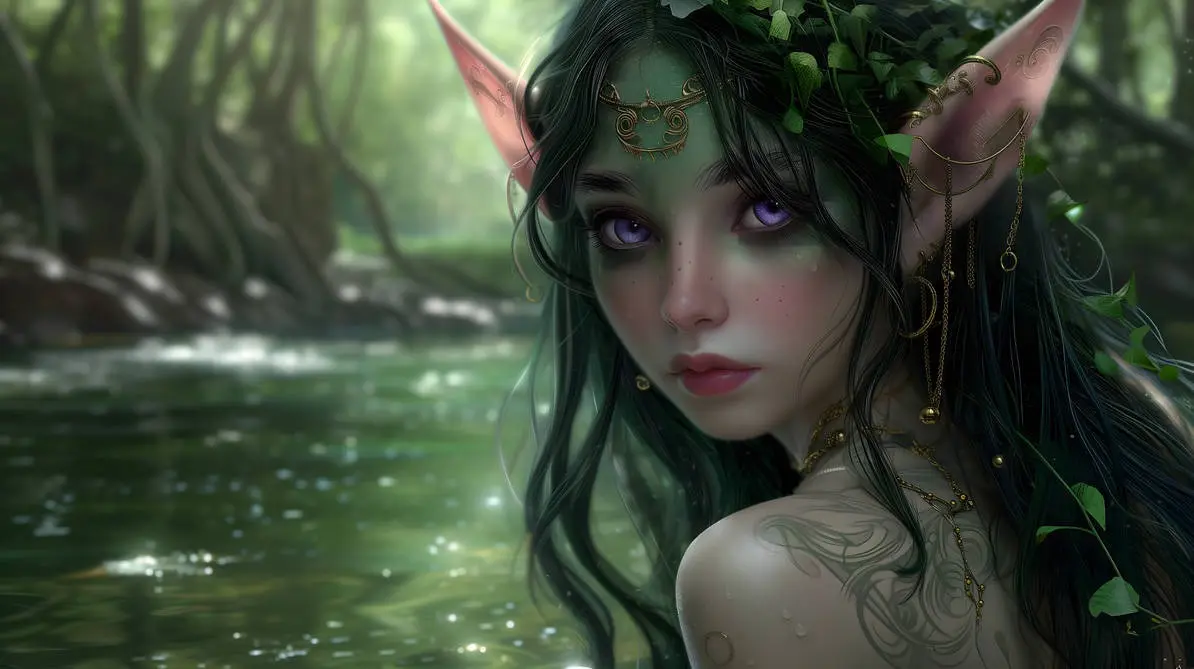
In an era dominated by data analytics, algorithmic recommendations, and standardized personality frameworks like the Myers-Briggs Type Indicator (MBTI) or the Enneagram, a parallel trend has quietly captured the collective imagination of internet users worldwide: the mythical creature personality quiz. Platforms ranging from niche lore websites to mainstream lifestyle publications like BuzzFeed report millions of monthly interactions on quizzes designed to match participants with legendary beasts, ranging from soaring griffins to elusive water nymphs like Aeliana, immortalized in digital art by creator Bogi380.
Unlike clinical psychological assessments, these playful instruments tap directly into the realm of folklore, fantasy literature, and cryptozoology. By answering a series of abstracted behavioral and philosophical questions—such as choosing a preferred method of global transit, selecting a core intellectual value, or identifying a hidden talent—participants are categorized into archetypal mythical entities.
The primary thesis driving these engagement-heavy formats is simple yet profound: humans have long utilized anthropomorphic and fantastical metaphors to understand their own internal complexities. Whether an individual discovers they possess the steadfast, bridge-building qualities of a Centaur, the sharp-witted mischief of a Trickster, the sky-bound curiosity of a Griffin, or the serene, healing intuition of a Mermaid, the quiz acts as a modern digital oracle. It offers a momentary escape from the mundane parameters of everyday life while satisfying a fundamental psychological desire for self-categorization and narrative identity.
Chronology: From Ancient Mythology to Digital-Age Quizzes
To understand the widespread cultural footprint of modern personality categorization through folklore, one must trace a lengthy historical arc that bridges oral traditions and web-based interactivity.
Antiquity to the Renaissance: Archetypes in Lore
Millennia before the advent of the internet, ancient civilizations used mythical beasts to externalize human virtues, fears, and natural phenomena. In ancient Greek mythology, creatures like centaurs represented the eternal struggle between civilized intellect and raw, untamed animalistic impulses. Sirens and water nymphs—such as Aeliana—embodied the seductive, unpredictable, and life-giving properties of aquatic ecosystems. During this era, people did not "take quizzes" to find their mythological counterparts; instead, societal roles, zodiac systems, and regional folklore assigned these identities based on birth, occupation, or life trajectory.
The Rise of Print Media and Parlor Games (Late 19th to Mid-20th Century)
As literacy rates climbed and print media expanded during the Victorian era and the mid-20th century, newspapers and magazines popularized parlor games and personality questionnaires. Publications began printing weekly or monthly quizzes that allowed readers to discover "What Flower You Are" or "Which Historical Figure Matches Your Temperament." These early print experiments laid the groundwork for gamified self-reflection, shifting personality discovery from solemn academic study to accessible, lighthearted entertainment.
The Digital Revolution and the Quiz Economy (Early 2000s–Present)
With the proliferation of Web 2.0, social media networks, and content platforms, the personality quiz evolved into a viral commodity. Websites realized that interactive content—particularly quizzes that categorized users into relatable, highly shareable archetypes—drove unprecedented user engagement and web traffic. The integration of high-definition digital artwork, such as fantasy illustrations sourced from communities on DeviantArt, elevated these quizzes from simple text blocks into immersive sensory experiences. Today, platforms like BuzzFeed and specialized lore sites regularly update their algorithmic question pools to reflect changing cultural attitudes, ensuring that the ancient practice of myth-making remains continuously relevant to contemporary digital natives.
Supporting Data: Understanding the Appeal of Fantasy Archetypes
While online quizzes are often dismissed as trivial internet distractions, media researchers and digital sociologists point to compelling data regarding why millions of users flock to them.
According to web traffic analysis across lifestyle and entertainment portals, personality and identity-based quizzes consistently rank among the highest-performing content categories, boasting share rates that outpace standard news articles by upwards of 300%. Psychologists attribute this high engagement to several core cognitive and emotional drivers:

- The Barnum-Forer Effect in Fantasy Contexts: Just as traditional horoscopes provide generalized statements that individuals easily apply to their personal lives, mythical creature quizzes utilize broad archetypal traits that allow users to see reflections of their best selves.
- Escapism and Stress Mitigation: In post-pandemic digital ecosystems characterized by information overload and economic uncertainty, fantasy-based self-discovery offers a low-stakes psychological sanctuary. Imagining oneself as a majestic griffin soaring above earthly burdens provides a tangible, albeit temporary, cognitive break from chronic stress.
- Identity Construction and Social Signaling: Sharing quiz results on social media platforms allows users to curate a digital persona. Declaring oneself a "Trickster" or a "Mermaid" communicates subtle cues about one’s humor, emotional depth, or adventurous spirit to peers and followers.
Below is an overview of the primary archetypes frequently generated by these assessments, alongside their core behavioral indicators:
| Archetype | Core Trait | Preferred Environment | Associated Element | Modern Behavioral Parallel |
|---|---|---|---|---|
| Centaur | Natural Leadership & Strength | Untamed Wilderness | Earth | The pragmatic mediator who bridges corporate structures with grassroots community values. |
| Trickster | Cunning Wit & Playfulness | Crossroads & Hidden Passages | Air / Chaos | The creative innovator or disruptor who questions established norms through humor. |
| Griffin | Limitless Curiosity & Majesty | High Altitudes / Libraries | Fire / Ether | The lifelong learner, researcher, or visionary seeking global perspectives. |
| Mermaid | Deep Intuition & Healing Presence | Coastal Depths & Rivers | Water | The empathetic caregiver, counselor, or wellness advocate attuned to emotional currents. |
Official Responses: Psychologists and Folklorists Weigh In
The intersection of ancient mythology and modern psychometrics has drawn commentary from various academic quarters, including cultural anthropologists, psychologists, and digital media theorists.
Dr. Aris Thorne, a professor of folklore and cultural psychology at the University of Oxford, notes that the enduring appeal of creatures like water nymphs, centaurs, and griffins lies in their symbolic durability. "Humans are storytelling animals," Dr. Thorne explains. "When we ask someone to choose between exploring a hidden jungle temple or soaring above the clouds, we are not conducting a rigorous clinical assessment. Instead, we are inviting them to select a poetic vocabulary for their inner desires. Mythical creatures serve as emotional shorthand. They allow us to process complex psychological states—such as ambition, introversion, or empathy—through the lens of wonder."
Meanwhile, digital media analysts emphasize the democratization of fantasy in contemporary culture. DEC-certified media strategist Elena Rostova points out that the democratization of digital art tools has transformed how people interact with myth. "Ten or twenty years ago, visualizing a water nymph required high-end publishing resources or professional illustration commissions," says Rostova. "Today, platforms that highlight independent digital artists—such as featured fantasy works by creators on DeviantArt—allow everyday readers to instantly connect a visual masterpiece to their own personality profile. This bridges the gap between passive consumption and active, imaginative participation."
Content creators behind popular lore platforms reiterate that while the science behind these quizzes is purely recreational, the underlying emotional payoff is entirely genuine. As one lead curator for The Mythical Realm editorial team stated: "People often ask us if these quizzes have any scientific validity. Our answer is always the same: the real magic does not live in an algorithm or a scoring sheet; it lives within the user’s capacity for imagination. If taking five minutes out of a stressful workday to find out you match with a mermaid brings a smile to your face, then the quiz has successfully achieved its purpose."
Implications: The Future of Myth-Making in the Digital Age
As artificial intelligence, virtual reality, and immersive digital environments continue to reshape how humans experience media, the implications of myth-based personality profiling extend far beyond simple web entertainment.
1. The Evolution of Immersive Self-Discovery
Future iterations of personality quizzes are poised to move beyond static text questions and multiple-choice grids. With the rise of generative AI and interactive spatial computing, users may soon step into fully rendered virtual environments—navigating a simulated enchanted forest or diving into an oceanic abyss—where their real-time behavioral responses automatically determine their mythical creature archetype. This evolution promises to deepen the psychological immersion of self-exploration.
2. Community Building Through Shared Lore
Fantastical archetypes provide a neutral, universally understood language that transcends geographical, linguistic, and cultural barriers. Online communities built around shared mythological identities foster deep bonds of camaraderie among individuals who might otherwise feel isolated in their respective daily lives. By uniting under banners of shared imaginary creatures, digital citizens create modern tribes rooted in shared appreciation for wonder and folklore.
3. Preserving the Human Imagination in an Automated World
Perhaps the most significant implication of the enduring popularity of mythical quizzes is their role as a bulwark against hyper-rationalization. In a world increasingly governed by cold algorithms, productivity metrics, and automated decision-making, the playful pursuit of fantasy reminds society of the vital importance of unquantifiable human traits: curiosity, whimsy, myth-making, and imaginative exploration.
Whether science eventually catches up with fantastical dreams or the realm of myth remains forever confined to the pages of lore and digital art, humanity’s innate drive to find its reflection in the extraordinary ensures that legends will continue to breathe, evolve, and inspire for generations to come.