By Global Wellness & Psychology Desk
In an era defined by relentless productivity, hyper-connectivity, and the glorification of the hustle, the human nervous system is facing an unprecedented crisis. Modern society relentlessly demands more—faster execution, higher output, and constant availability—leaving millions emotionally drained before the sun sets.
However, a growing chorus of mental health professionals, neuroscientists, and holistic wellness advocates are challenging the foundational narrative of modern stress. Rather than viewing burnout and exhaustion as personal failures or inevitable collateral damage of a successful life, experts argue that stress is a biological distress signal. It is an urgent message from the nervous system asking for compassion, integration, and true recovery.
Main Facts: The Anatomy of Modern Burnout
The contemporary lifestyle has fundamentally altered how humans process stress. Historically, stress was an acute, situational response to immediate physical threats, followed by periods of biological recovery. Today, stress is chronic, psychological, and systemic.
According to mental health data and psychological frameworks explored by writers and wellness researchers like Oleksandra Fomichova, author of Empath Diaries and Under My Skin, society has institutionalized habits that actively block genuine recovery. Instead of allowing the body to process a difficult day, individuals routinely turn to maladaptive coping mechanisms—such as doomscrolling, emotional suppression, and the pursuit of instant gratification—which inadvertently perpetuate a cycle of nervous system dysregulation.
Key dimensions of this crisis include:
- The Productivity Trap: The pervasive belief that rest must be "earned" through endless task completion, leading to a perpetually moving finish line.
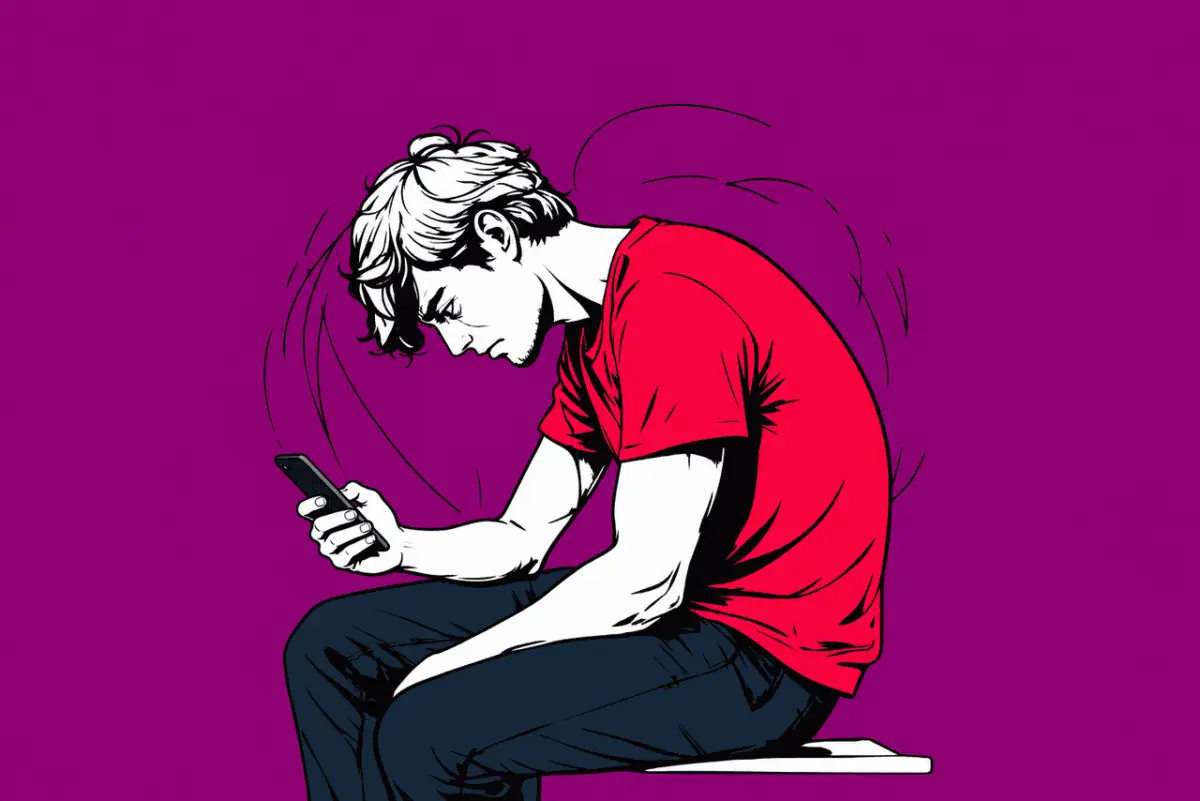
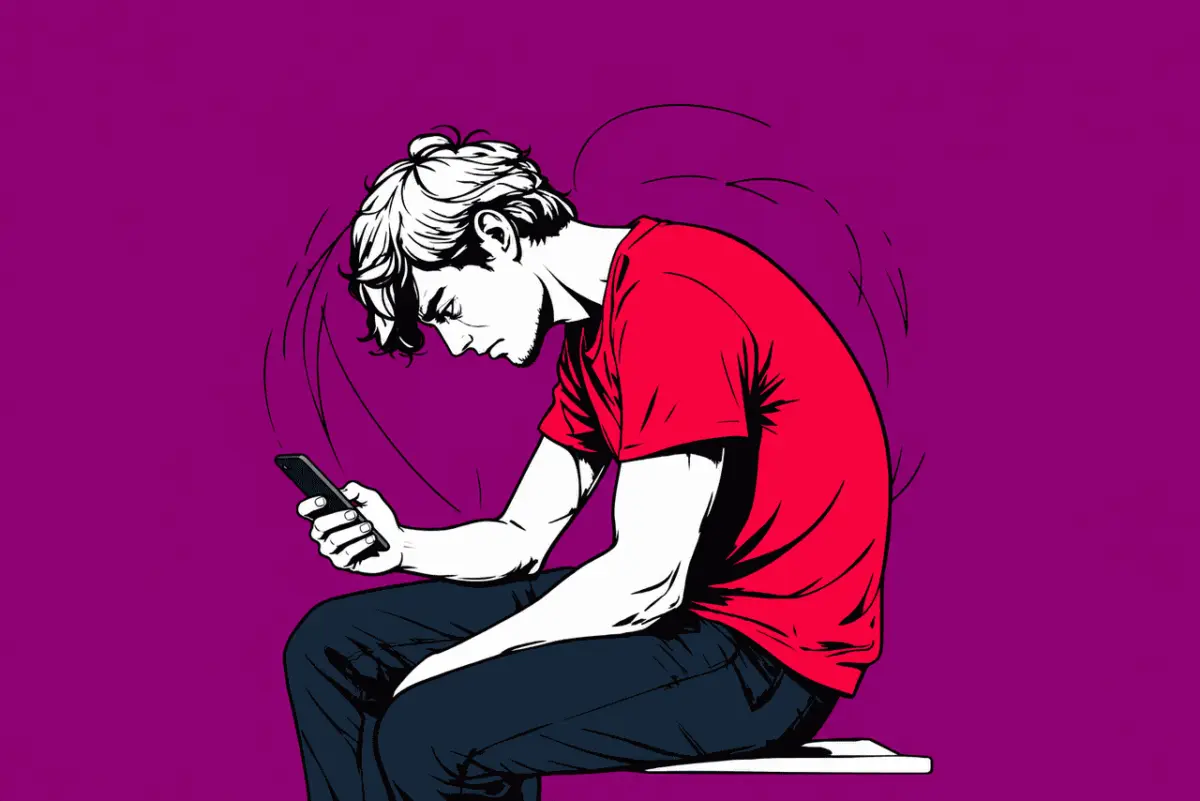
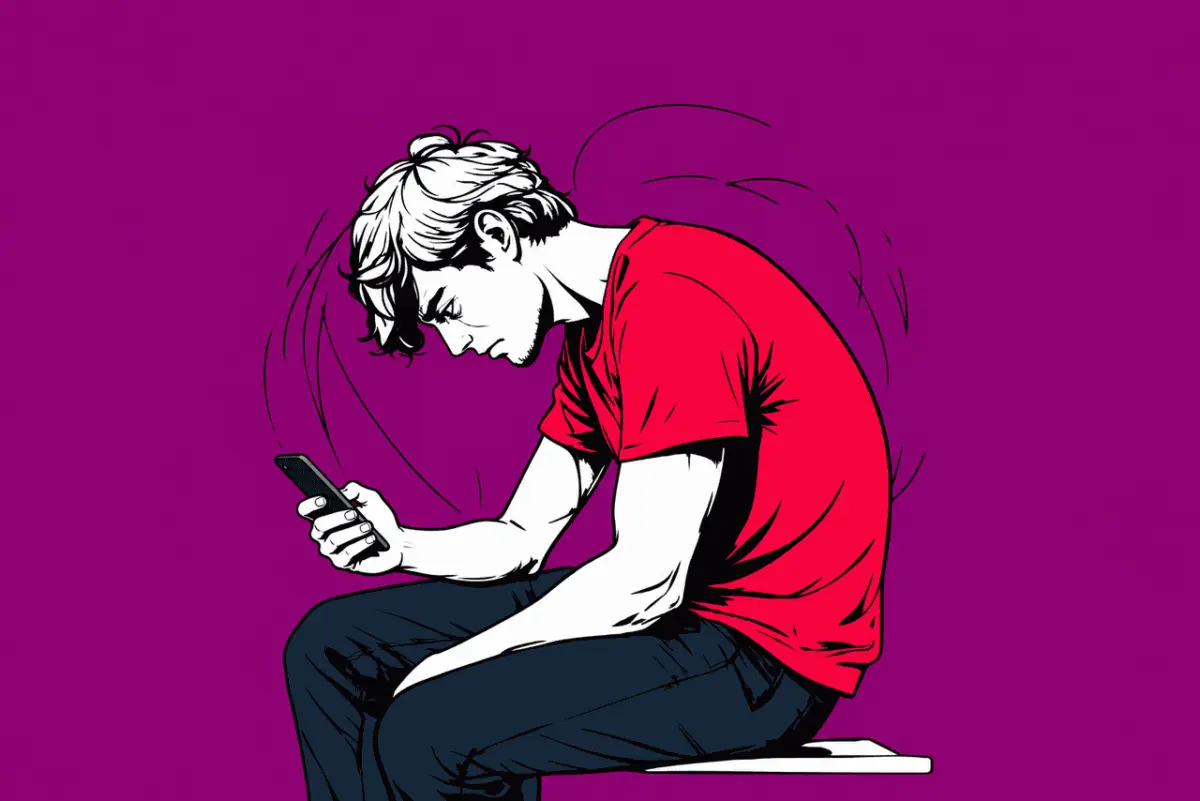
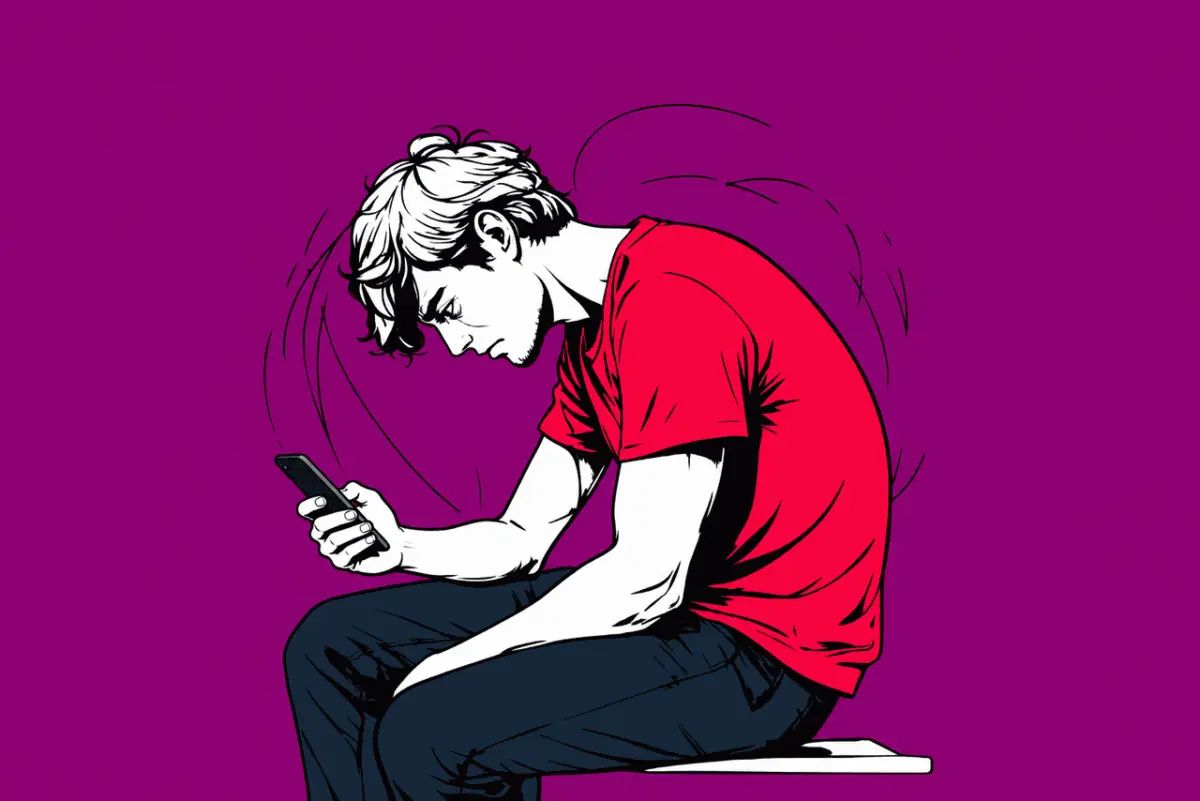
- Algorithmic Exhaustion: Turning to smartphones and social media for relaxation, which instead floods an already fatigued brain with external stimuli and strangers’ opinions.
- Emotional Masking: The learned behavior of suppressing negative emotions behind phrases like "I’m fine" or "It wasn’t that bad," which forces unresolved stress to manifest physically and psychologically over time.
Chronology: From Childhood Conditioning to Adult Exhaustion
The relationship individuals have with stress and rest rarely develops in a vacuum; it is typically forged during formative childhood years and reinforced by societal structures.
The Ice Castle vs. The Garden (Formative Years)
Psychologists note that the templates for adult stress responses are often established early in life. In many households, children are taught an ultra-rigid, highly performative approach to existence—an environment where everything looks orderly and pristine, but is emotionally cold. In these spaces, emotional expression is minimized, and children are conditioned to believe that endurance is the default state of human experience ("You have to endure it; that’s how everyone lives").
Conversely, exposure to environments rooted in warmth, creativity, and presence—such as spending time with caregivers who prioritize inspiration over obligation—teaches the nervous system an entirely different blueprint. These environments demonstrate that productivity does not need to eclipse joy, and that physical rest and nature are vital components of daily life.
The Adult Transition: Entering the Endless Race
As these children transition into adulthood, the internal pressure to perform intensifies. The rigid expectations of childhood morph into corporate demands, social media comparison, and the internal tyranny of the endless to-do list.
Over months and years, individuals adopt defense mechanisms—such as emotional numbing and toxic productivity—to survive the daily grind. Eventually, these coping strategies hit a wall. Burnout sets in, forcing a reckoning where individuals must choose whether to continue running on empty or dismantle the ingrained habits that prevent genuine healing.
Supporting Data and Psychological Insights
Clinical observations and psychological studies consistently highlight the detrimental effects of modern coping mechanisms on mental health:

- The Illusion of Digital Rest: Studies on screen time and cognitive fatigue indicate that spending hours scrolling through social media after a stressful day prevents the prefrontal cortex from entering a restorative state. Rather than resting, the brain continues to process high volumes of micro-decisions and social comparisons.
- The Cost of Emotional Suppression: Psychosomatic research demonstrates that unexpressed emotions—often referred colloquially as stress "trapped inside"—significantly elevate cortisol levels, contributing to chronic fatigue, anxiety, irritability, and weakened immune function.
- The Biological Imperative of Rest: Sleep medicine and neurobiology confirm that recovery is not a luxury or a reward; it is a hardwired biological necessity. Just as the body requires food and water to function, the brain requires unstructured downtime and deep, uninterrupted sleep to consolidate memory, clear metabolic waste products, and regulate mood.
Official Responses and Expert Perspectives
Mental health professionals, psychotherapists, and somatic healing practitioners are increasingly shifting their focus toward preventative nervous system care rather than reactive crisis management.
Redefining Stress as Information
Therapeutic frameworks increasingly emphasize that stress is not an indicator of weakness.
"A stressful day doesn’t mean you’re weak. It doesn’t mean you’re failing. It doesn’t mean you’re doing life wrong. It simply means your mind and body are asking for care instead of criticism,"
notes wellness literature addressing emotional resilience. Experts advocate for a cognitive reframe: when individuals feel overwhelmed, the most productive question to ask is not "Why couldn’t I handle this?" but rather "What boundary was crossed, or what need for rest was ignored?"
The Shift Toward Somatic Safety
Modern trauma-informed therapy stresses the importance of creating internal safety. Healing does not occur by putting on a brave face and forcing toxic positivity; it happens when individuals turn toward their emotional pain with compassion.
Clinical psychologists suggest treating oneself with the same gentleness one would offer a distressed child. This involves practical, low-stimulation recovery rituals:
- Unplugging completely: Halting the cycle of digital consumption by spending ten minutes in absolute silence, watching a sunset, or sitting beside an open window.
- Permission to feel: Acknowledging difficulty honestly ("Today was hard") rather than immediately masking discomfort.
- Discarding the merit badge of rest: Recognizing that rest is a biological baseline, not a prize awarded at the end of an exhausting marathon.
Implications: Building a Culture of Compassionate Recovery
The implications of this cultural paradigm shift extend far beyond individual wellness, touching upon workplace dynamics, family structures, and community health.
Personal Implications
On an individual level, releasing the need to constantly produce allows for a revitalization of authentic creativity and emotional well-being. When individuals stop performing for algorithms, societal expectations, and internal critics, energy is redirected toward genuine self-care. Creativity transforms from a manufactured product into a living, breathing expression of authenticity.
Societal and Workplace Implications
Systemically, the recognition that constant motion does not equate to meaningful progress challenges traditional structures of work. Organizations are slowly beginning to recognize that burned-out employees are less innovative, less engaged, and more prone to attrition. Incorporating mental health days, respecting boundaries around personal time, and normalizing conversations about burnout are vital steps toward sustainable professional ecosystems.
A New Vision for Tomorrow
Ultimately, the journey away from chronic stress requires a fundamental reimagining of how humans transition from the external world back into their private sanctuaries. As wellness advocates emphasize, the day may be exhausting, but home does not have to be an extension of the battlefield.
By replacing instant, numbing distractions with true, restorative recovery—warm baths, quiet walks, meaningful dialogue, and deep sleep—individuals can dismantle the invisible fears of falling behind. Tomorrow does not need to be crushed under the lingering weight of yesterday; instead, every morning can begin fresh, much like a clean sheet of paper waiting to be written with intention, balance, and profound self-compassion.