









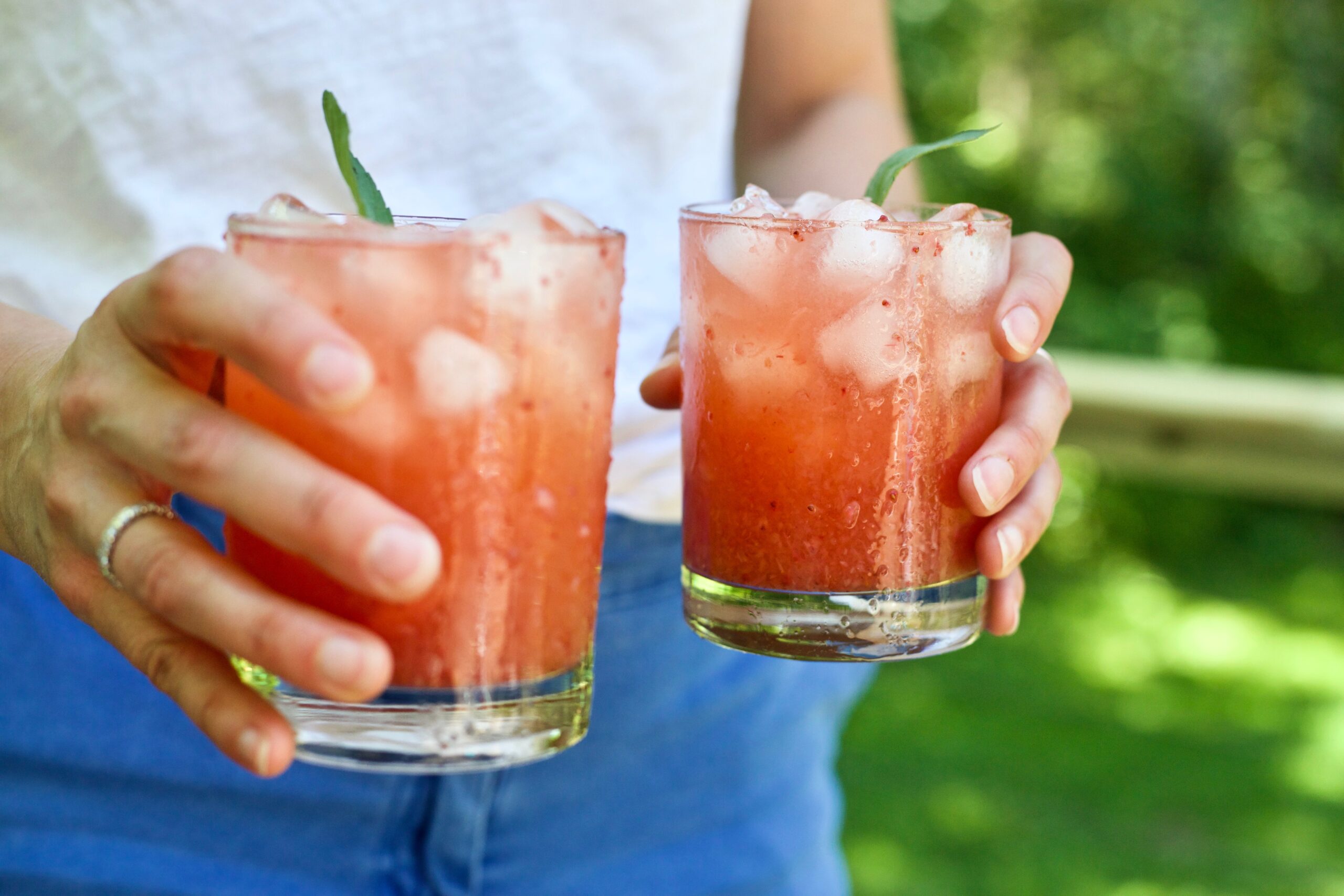
When the sun beats down and temperatures soar, few sensory experiences rival the crisp, tart bite of a cold glass of lemonade. A fixture of American culture since the 1800s, this deceptively simple beverage is so deeply woven into the fabric of warm-weather nostalgia that it serves as the ultimate symbol of homegrown enterprise, famously fueling neighborhood kids running pop-up stands on suburban sidewalks.
Yet, beneath its rustic, all-American image lies a rich, international history that spans millennia, royal navies, Egyptian apothecaries, and Parisian trade unions. Today, as peak strawberry season arrives, culinary and herbal enthusiasts are rediscovering the drink not merely as a sweet treat, but as a dynamic canvas for wellness. By marrying fresh seasonal fruits with cooling herbs like peppermint and basil, modern home mixologists are elevating a timeless classic into a functional beverage designed to soothe, refresh, and restore.
Main Facts: The Anatomy of a Modern Botanical Classic
At its core, traditional lemonade is a triumph of minimalism, relying on the acidic punch of fresh citrus balanced by sweeteners and diluted with water. However, the contemporary movement toward functional beverages has transformed how we approach this summer staple.
The latest culinary innovation focuses on Herbal Strawberry Lemonade, a recipe that merges the antioxidant-rich profile of ripe strawberries with the therapeutic benefits of specialized botanicals. Fresh strawberries contribute a hefty dose of vitamin C and vibrant color, while targeted herbal infusions introduce active compounds that address physiological responses to heat.
Rather than relying strictly on refined white sugar, contemporary artisan recipes often lean into raw, local honey, which introduces subtle floral notes and trace nutrients. The inclusion of sparkling water adds effervescence, turning a flat homemade juice into a sophisticated, celebratory mocktail.
However, crafting the ultimate herbal lemonade requires a balance of chemistry and timing. Because carbonated water loses its fizz rapidly when exposed to ambient air or mixed into large, acidic batches too early, culinary experts emphasize a strict protocol: flat components—such as muddled fruit, herbal syrups, and freshly squeezed lemon juice—can be prepared in advance, but the sparkling water must always be reserved until the final moment of service.
Chronology: A History of Lemonade Through the Ages
While modern consumers often view lemonade through the lens of backyard barbecues and county fairs, its origins trace back more than a thousand years.
10th-Century Egypt: The Birth of Qatarmizat
The earliest written records of a beverage resembling modern lemonade emerge from 10th-century Egypt. Known as qatarmizat, this ancient precursor was a concoction of lemon juice, water, and sugar. Far from being a casual thirst-quencher, it was treated as a medicinal preparation. By the 12th century, Egyptian physicians and healers frequently prescribed qatarmizat to patients suffering from sore throats, digestive distress, and the physical toll of overindulgence (Sonneman, 2012).
17th-Century Paris: The Street-Vendor Revolution
As citrus fruits spread along trade routes, lemonade crossed into Europe, capturing the palates of the French. By the 1600s, street vendors in Paris were pushing carts selling a sparkling, carbonated version of the drink. The public appetite for this fizzy citrus refreshment was so voracious and lucrative that vendors eventually unionized, officially establishing the Compagnie de Limonadiers to regulate the trade and protect their commercial interests.
Late 1700s: The British Royal Navy’s Anti-Scurvy Ration
By the late 18th century, the British Royal Navy recognized the critical health properties of citrus fruits. Sailors were issued a daily lemonade ration to combat scurvy—a devastating nutritional disease caused by a severe vitamin C deficiency. The high ascorbic acid content in lemons proved to be an essential lifesaver on long maritime voyages (Kennedy, 2025).

19th-Century America: The Temperance Movement
Lemonade found its footing in the United States during the 1800s, experiencing a massive surge in popularity during the rise of the temperance movement. As alcohol faced heavy social stigma and eventual prohibition, organizations like the Woman’s Christian Temperance Union actively promoted lemonade as a festive, socially acceptable, and delicious alternative at public gatherings, picnics, and political rallies.
Supporting Data: The Science of Cooling Herbs
To truly understand the value of an herbal-infused lemonade, one must examine the specific botanical allies traditionally paired with citrus. Incorporating herbs like peppermint or basil does more than enhance the flavor profile; it introduces targeted phytonutrients that support the body during hot weather.
Peppermint (Mentha × piperita)
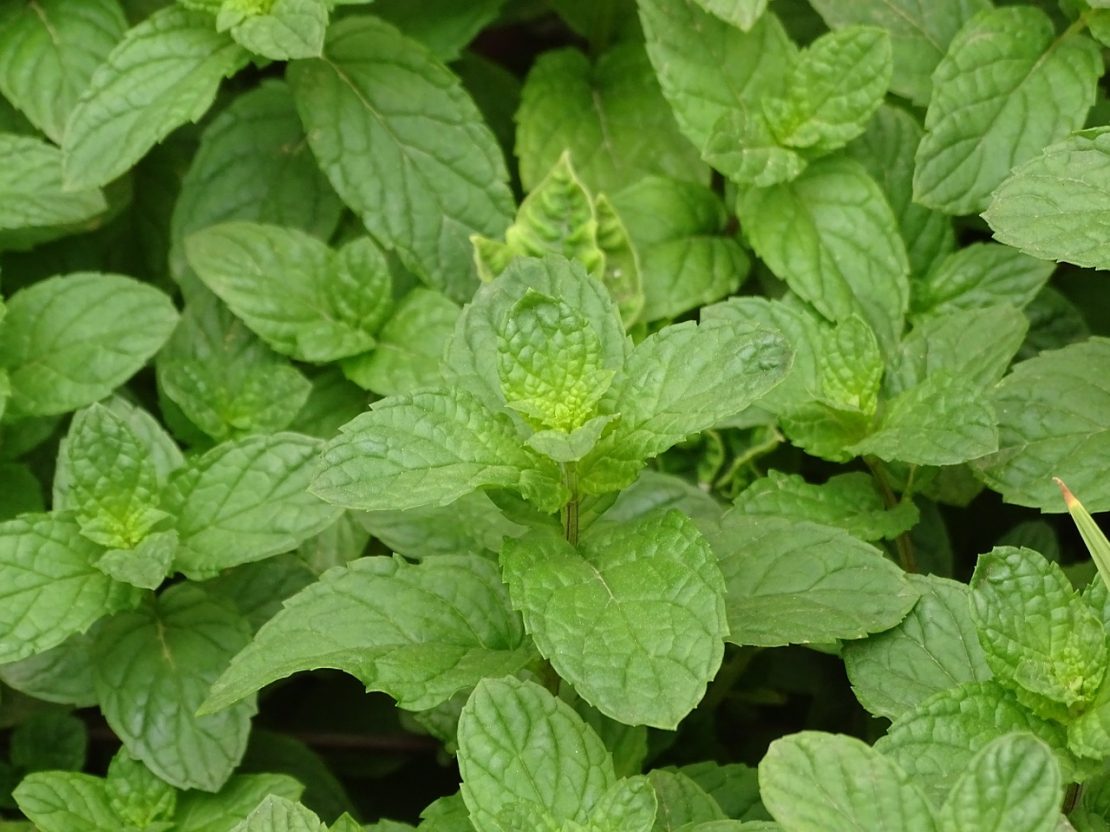
Famously utilized in culinary dishes and mixed drinks worldwide, peppermint is uniquely suited for summer consumption. Used for thousands of years in both Ayurvedic and traditional Chinese medicine, peppermint is celebrated for its ability to soothe tension and support both the respiratory and digestive systems.
The primary active constituent of peppermint is menthol, a volatile organic compound that triggers cold-sensitive receptors in the skin and mucous membranes. This creates a genuine sensation of coolness, helping the body mitigate discomfort from high ambient heat.
- Detailed monographs on peppermint and its constituents can be accessed through educational platforms such as The Herbarium.
Sweet Basil (Ocimum basilicum)
While widely recognized as a cornerstone of Mediterranean cooking, sweet basil possesses a rich history in herbalism. In traditional Chinese medicine, basil is valued for supporting kidney health, aiding digestion, and alleviating physical tension.
Scientific analysis reveals that basil is rich in specialized flavonoids that exhibit potent antioxidant properties, supporting a healthy immune response. Furthermore, its essential oils contain natural analgesic properties. Because sweet basil shares flavor compounds with strawberries—creating an earthy, sweet, and peppery balance—it serves as an ideal botanical complement for afternoon relaxation.
- Comprehensive profiles on sweet basil are maintained within botanical databases like The Herbarium.
Official Recipes & Botanical Formulations
For those looking to craft a sophisticated, functional beverage at home, the following formulation blends historical ingredients with modern herbal practices.
Herbal Strawberry Lemonade Recipe
Description:
Fresh strawberries contribute vitamin C and potent antioxidants. When muddled alongside aromatic herbs, raw honey, and fresh citrus, this sparkling lemonade makes a striking centerpiece for summer gatherings.
Ingredients:
- 5 organic strawberries, diced
- 10–15 fresh peppermint (Mentha × piperita) leaves or sweet basil (Ocimum basilicum) leaves, plus extra sprigs for garnish
- 8 fluid ounces (1 cup) filtered water
- ½ cup raw, local honey (adjusted to personal preference)
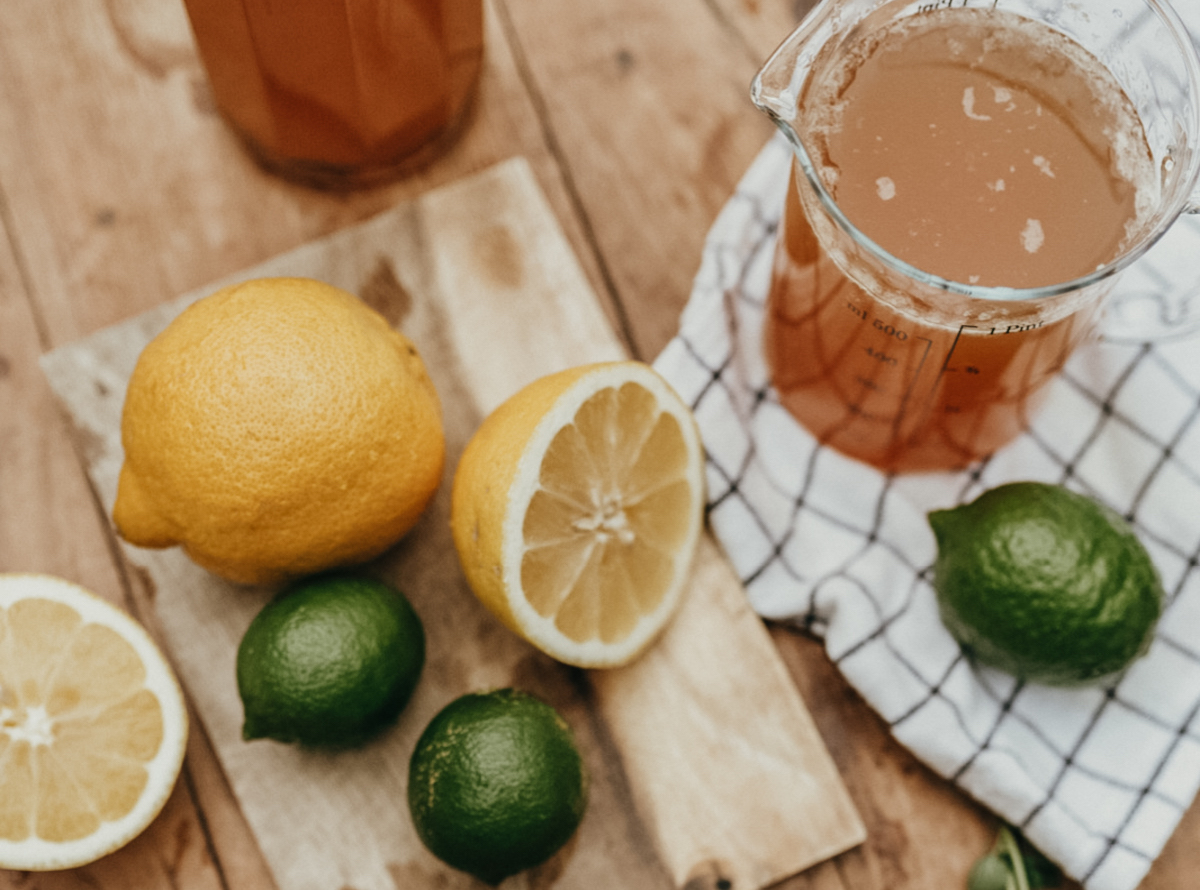
- 16 fluid ounces (2 cups) freshly squeezed lemon juice (approximately 12 large lemons)
- 2 cups sparkling water
- Fresh lemon slices and herbal sprigs (optional) for garnish
Directions:
- In a sturdy pitcher or glass bowl, combine the diced strawberries and your chosen herbs (mint or basil). Use a muddler or the back of a wooden spoon to gently crush the ingredients, releasing the botanical oils and fruit juices.
- Whisk in the filtered water and raw, local honey until the honey is fully dissolved into the mixture.
- Pour in the freshly squeezed lemon juice and stir thoroughly to combine the base flavors.
- Crucial Timing Note: Because sparkling water loses its carbonation quickly when exposed to ambient air or blended into large batches of acidic juice, wait to add the sparkling water until immediately before serving.
- Pour the base mixture into ice-filled glasses, top with sparkling water, garnish with lemon slices or fresh herb sprigs, and serve immediately.
Implications: The Rise of Functional Beverages
The growing popularity of herbal lemonades points to a broader cultural shift in how consumers view everyday food and beverage choices. As public interest in holistic health, herbalism, and preventive wellness expands, the culinary arts are increasingly intersecting with botanical science.
Consumers are no longer satisfied with empty calories and artificial flavorings; they are actively seeking out foods that offer functional benefits—whether that means digestive support from menthol, antioxidant protection from flavonoids, or immune support from vitamin C-rich berries and citrus.
Furthermore, initiatives like the release of digital culinary guides—such as the 15 Functional Lemonade Recipes e-book published by the Herbal Academy, which explores botanical infusions ranging from calming chamomile to mineral-rich stinging nettle and rooibos—demonstrate a democratization of herbal knowledge. People are eager to experiment in their own kitchens, transforming basic grocery store ingredients into health-supportive elixirs.
Ultimately, lemonade remains a powerful testament to culinary longevity. From its medicinal beginnings in 10th-century Egyptian courts to its role as a Victorian temperance symbol and its modern incarnation as a sparkling botanical mocktail, lemonade proves that simplicity, when paired with a touch of botanical creativity, never goes out of style.
References
- Kennedy, L. (2025). How old is lemonade? History. https://www.history.com/articles/lemonade-invention
- Sonneman, T. (2012). Lemon: A global history. Reaktion Books.