








SAN FRANCISCO — In an era defined by rapid technological acceleration, algorithmic predictability, and a constant barrage of external stimuli, an ancient contemplative art is experiencing a quiet, profound renaissance. Tarot reading, long misunderstood as a deterministic tool for divination, is increasingly being recognized by modern practitioners, psychologists, and wellness seekers as a dynamic mirror of the subconscious.
As individuals navigate complex personal and professional landscapes, the practice of working with the cards is evolving. Far from static, the relationship between a reader and their deck is organic, shifting alongside personal growth, life transitions, and shifting psychological needs. Recognizing this ongoing evolution, modern intuitive experts are introducing structured frameworks designed to help practitioners revitalize stagnant practices and forge a more intimate, resilient bond with their cards.
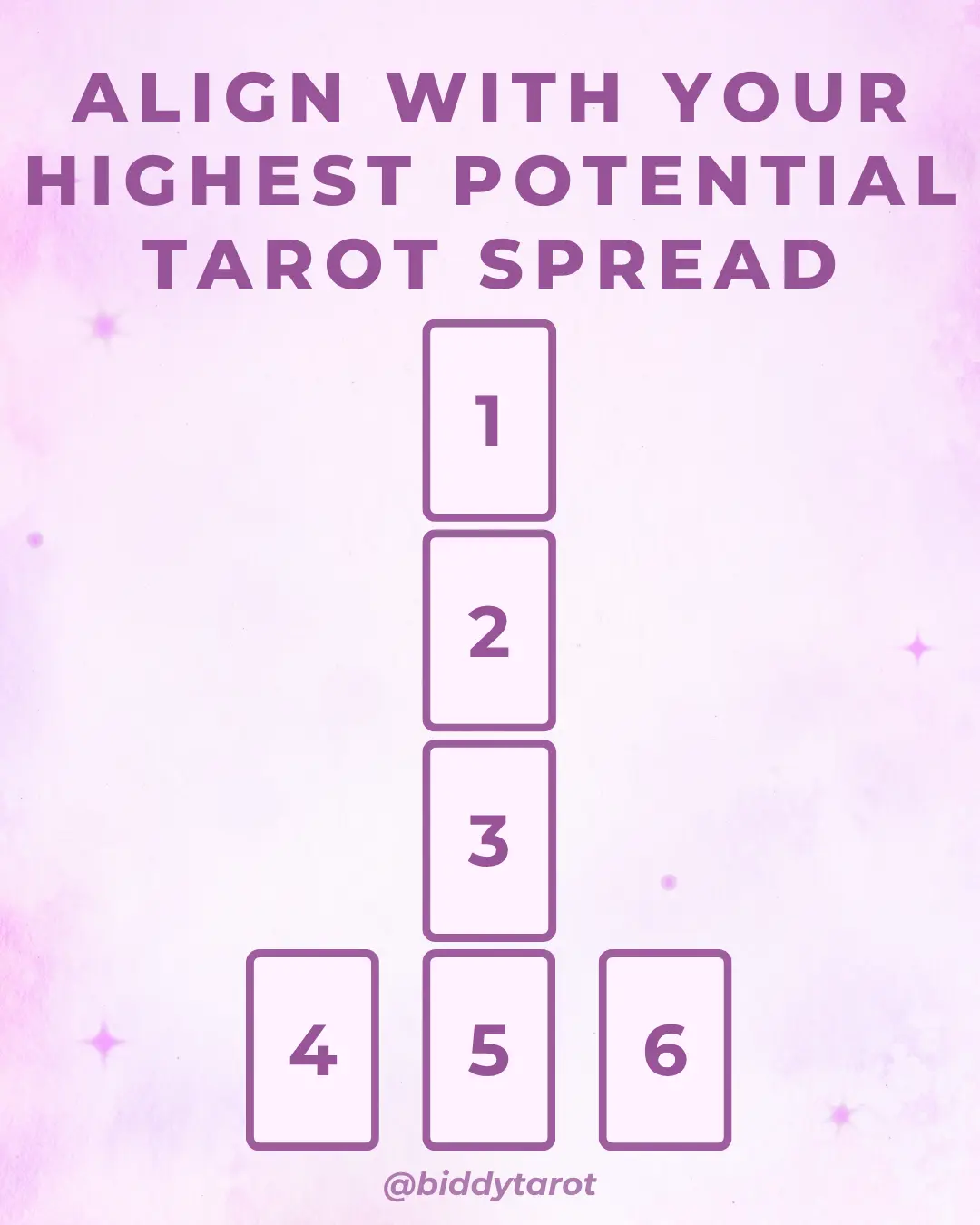
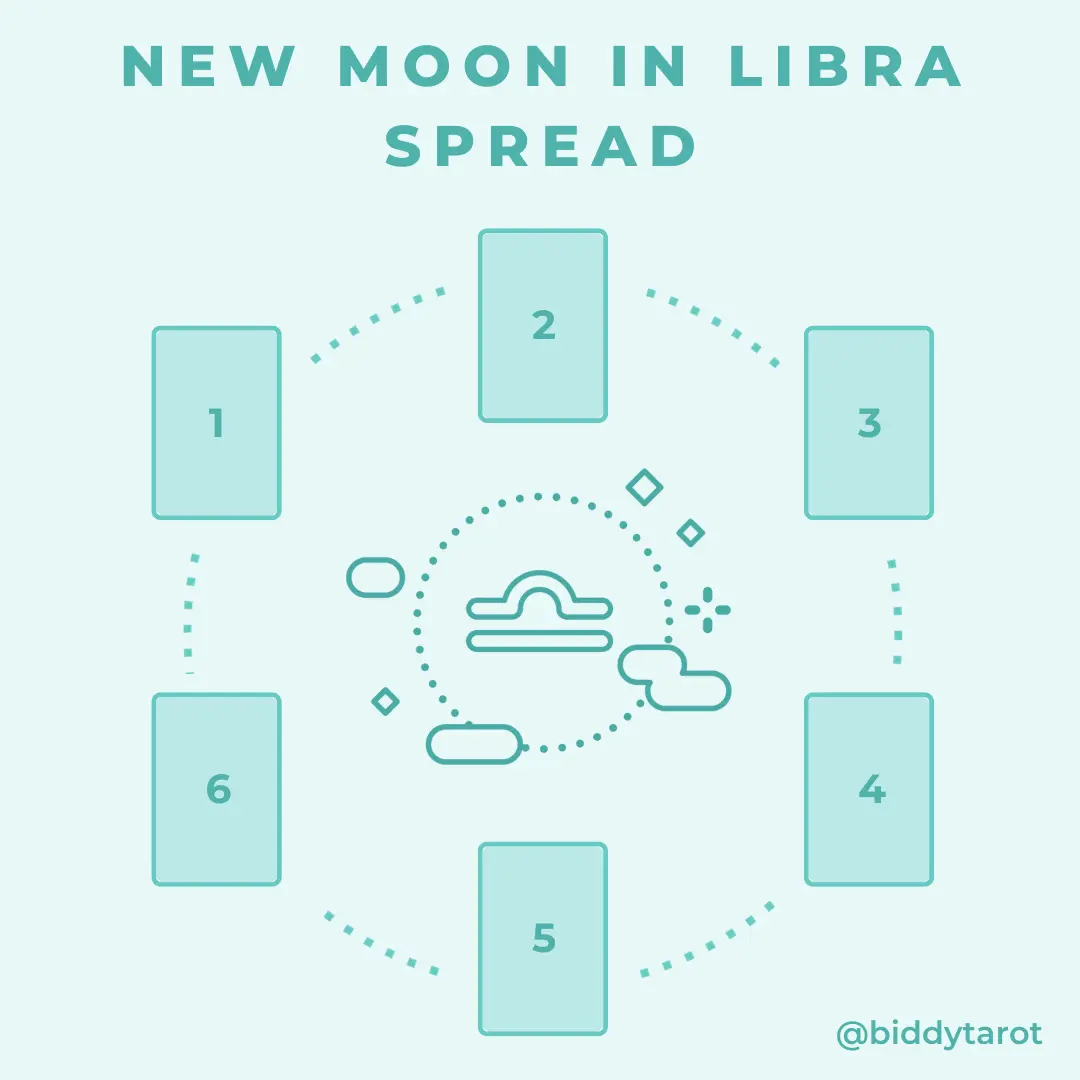
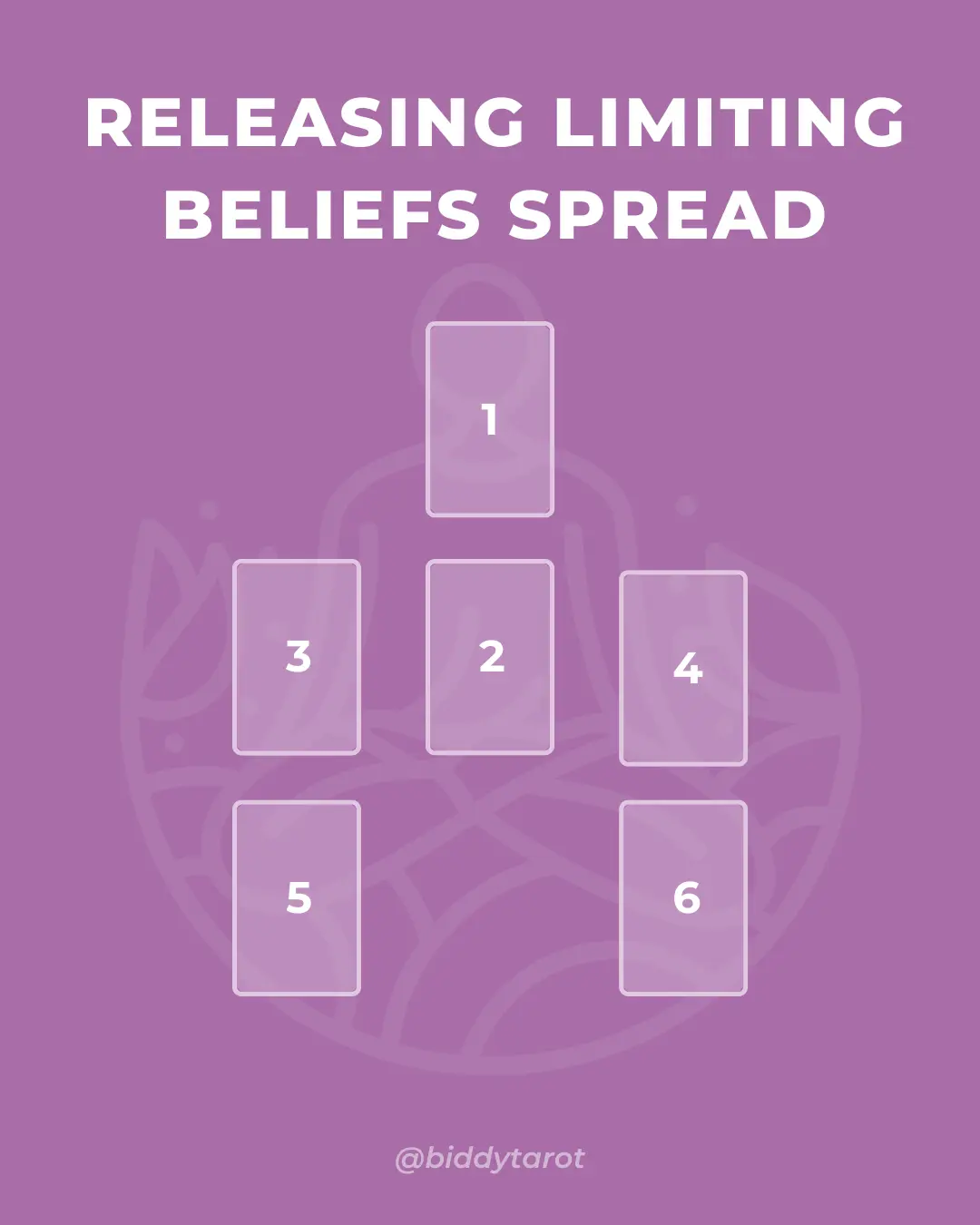
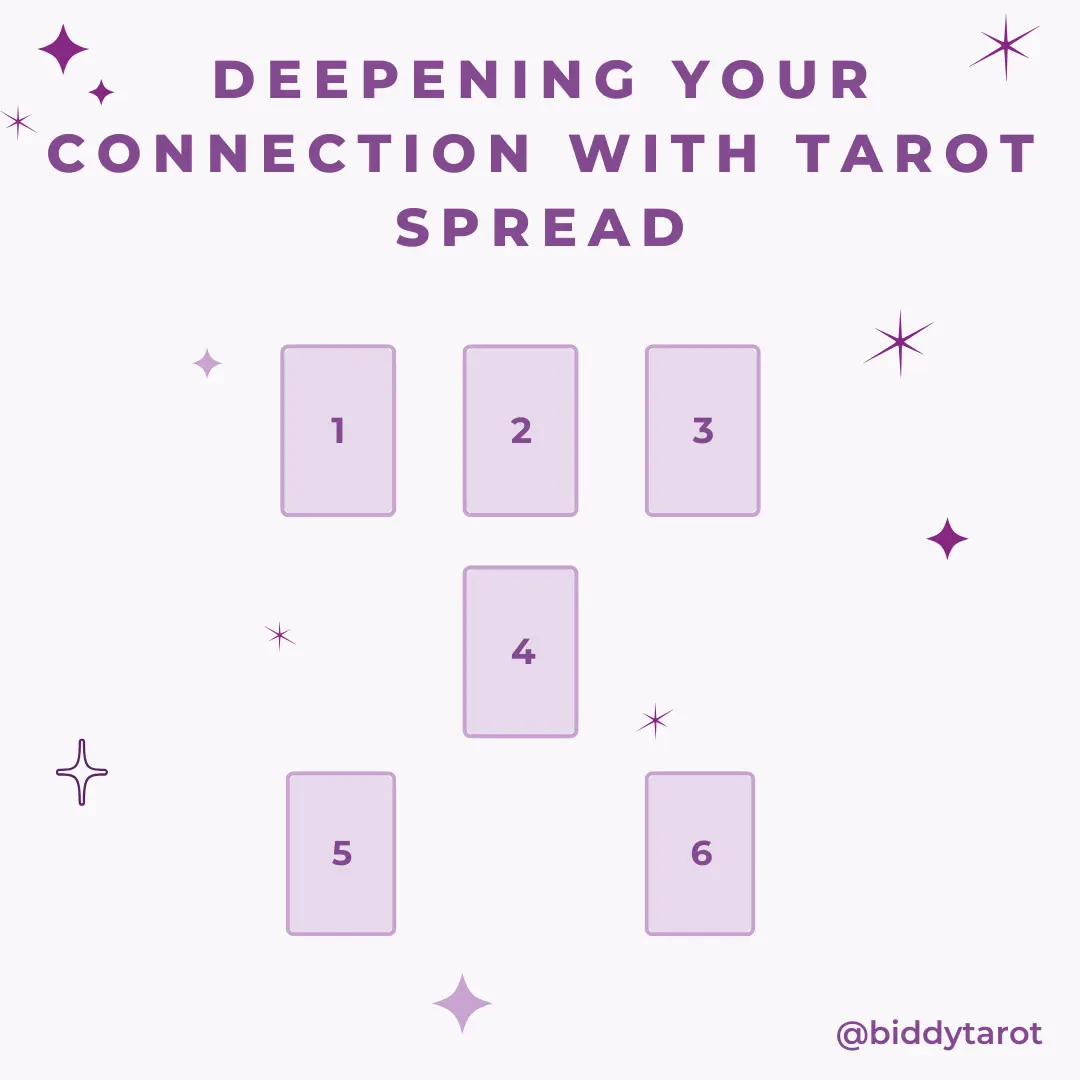
At the forefront of this movement is the newly unveiled "Deepening Your Connection with Tarot Spread," a specialized layout designed to help individuals reconnect with their intuition, assess the current state of their reading practice, and glimpse the horizon of their spiritual evolution.
Main Facts: The Evolution of Modern Tarot Practice
The core premise of the contemporary Tarot movement is simple yet transformative: Tarot is always growing and evolving alongside the practitioner. Rather than acting as an immutable map of a predetermined future, the 78 cards of the Tarot serve as an active psychological and intuitive mirror, reflecting both the inner landscape of the mind and the outer realities of daily existence.
Over the past decade, Tarot has shed much of its historical stigma, emerging as a mainstream tool for mindfulness, creative problem-solving, and emotional regulation. However, just like any mindful discipline—whether meditation, journaling, or physical exercise—a Tarot practice can experience periods of fatigue, mechanical repetition, or detachment.
The "Deepening Your Connection with Tarot Spread" addresses this stagnation head-on. It serves as an intentional reset button, offering a structured pathway for practitioners to:
- Re-engage with their deck after periods of absence or infrequent use.
- Strengthen the intuitive, energetic bond between reader and archetype.
- Unpack what is actively unfolding on their unique Tarot journey.
- Refresh creative inspiration and restore a sense of magic to daily readings.
Chronology: From Ancient Roots to the Digital Renaissance
To understand the current resurgence of mindful Tarot practices, it is necessary to examine the historical trajectory of the craft and how it arrived at this modern juncture.
Phase One: The Hermetic and Esoteric Origins (Late 18th to Early 20th Century)
While playing cards had existed in Europe for centuries, the modern Tarot as a system of esoteric philosophy solidified during the occult revival of the late 19th and early 20th centuries. The publication of the Rider-Waite-Smith deck in 1909, illustrated by Pamela Colman Smith and guided by the occultist Arthur Edward Waite, revolutionized the practice. For the first time, every minor arcana card featured a narrative scene, transforming the deck into a rich visual lexicon for psychological and spiritual inquiry.
Phase Two: The Counterculture and Psychological Integration (1960s–1990s)
During the spiritual counterculture movements of the mid-to-late 20th century, Tarot gained traction as a tool for self-exploration. Influenced by Carl Jung’s theories of archetypes and the collective unconscious, psychological interpreters began viewing the cards not as tools of literal fortune-telling, but as mirrors of the human psyche. This era democratized the practice, moving it out of backroom occult shops and into living rooms and bookstores.
Phase Three: The Digital Era and Community Building (2000s–Present)
The turn of the 21st century brought an unprecedented digital expansion for Tarot. Online platforms, digital card libraries, and social media ecosystems democratized access to educational resources. Communities formed rapidly across digital spaces, allowing indie deck creators, intuitive teachers, and everyday practitioners to share spreads, interpretations, and artistic innovations on a global scale.
Today, this evolution reaches a new milestone with intentional practices like the "Deepening Your Connection" spread, which leverages centuries of accumulated wisdom to address the specific modern challenge of maintaining mindfulness in a fast-paced world.
Supporting Data: The Rise of Intuitive Wellness and Mindfulness Tools
While traditional market research on esoteric practices can be difficult to quantify, broad socio-cultural data underscores a massive surge in the wellness, mindfulness, and self-care sectors over the past five years—sectors within which modern Tarot comfortably sits.

- The Wellness Economy: According to the Global Wellness Institute (GWI), the global wellness economy has expanded past the multi-trillion-dollar mark, driven heavily by consumer demand for mental wellness, mindfulness, and personal growth products.
- The Shift Toward Intuitive Tools: Market analyses of book publishers and independent creators over the last five years indicate a double-digit year-over-year increase in the sales of Tarot decks, oracle cards, and companion guidebooks. Demographics show that the modern Tarot user is increasingly diverse, spanning Millennials and Generation Z consumers who view the practice as an instrument for secular mental health support, emotional processing, and intuitive empowerment rather than dogmatic belief.
- Digital Engagement: Social media platforms report billions of views under tags related to Tarot and intuition, indicating a massive, highly engaged global community actively seeking out rituals, spreads, and educational content to enrich their daily routines.
Official Perspectives and Expert Commentary
The philosophy behind deepening one’s Tarot practice is rooted in the idea of relationship-building. Just as human relationships require active communication, vulnerability, and curiosity to thrive, the relationship between a reader and their deck demands periodic re-evaluation.
Prominent voices in the modern intuitive community emphasize that a deck of cards is not merely an inanimate object, but a focal point for the subconscious mind.
"When we first pick up a Tarot deck, there is a honeymoon phase—everything feels electric, mysterious, and revelatory," notes a leading voice in contemporary intuitive education. "Over time, however, we can slip into autopilot. We pull cards mechanically, relying solely on textbook definitions rather than leaning into the living, breathing dialogue between our intuition and the imagery. Spread frameworks like this one are designed to break that routine. They invite the practitioner to step back, look at the bigger picture, and ask: Where is my practice taking me next?"
Psychologists who integrate symbolic tools into therapeutic settings have similarly noted the efficacy of Tarot layouts in bypassing cognitive defenses. By projecting internal thoughts, anxieties, and desires onto external archetypes—such as the Fool, the High Priestess, or the Ten of Wands—individuals can process complex emotional realities with greater clarity and compassion.
Implications: What This Means for Practitioners and the Wellness Landscape
The introduction and widespread adoption of specialized reflective spreads carry several important implications for both individual practitioners and the broader wellness industry.
1. Reclaiming Agency in Personal Growth
In a commercialized wellness landscape that often promotes quick fixes and product-heavy solutions, intuitive practices like Tarot offer an antidote. They require stillness, active participation, and deep internal listening. By utilizing frameworks that focus on strengthening the intuitive bond, practitioners reclaim their agency, learning to trust their own inner voice rather than depending on external authorities for answers.
2. Combating Burnout in Spiritual Practices
Spiritual and creative burnout is a real, albeit rarely discussed, phenomenon. Practitioners who feel pressured to perform daily readings or maintain rigid routines can easily burn out. Spread designs focused on "deepening connection" rather than "predicting outcomes" validate the need for rest, reflection, and organic pacing. They encourage a sustainable, lifelong relationship with the craft.
3. Fostering Community and Shared Intention
As modern practitioners share their experiences, layouts, and personal insights across digital platforms—such as Instagram and specialized forums—they build resilient, supportive communities. The call to action accompanying the new spread—inviting users to share their intentions and tagged spreads online—highlights how ancient contemplative traditions are continually revitalized through modern connection and collective storytelling.
Looking Ahead: How to Engage with the Practice
For those looking to integrate this philosophy into their daily lives, the path forward is marked by curiosity and intention. Whether you are dusting off a deck that has sat untouched on a shelf for months or working with your primary daily deck, the invitation remains the same: treat the cards not as a fortune-teller’s gimmick, but as a trusted companion on the journey of self-discovery.
Set your intentions, clear your space, and allow the mirror of the Tarot to show you not just what lies ahead, but who you are becoming in the process.
To share your personal intentions and connect with a global community of practitioners, explore the newly released spread and share your layout on Instagram Stories, tagging @biddytarot to join the conversation.