As the exuberant energy of summer officially yields to the crisp, introspective cadence of autumn, holistic health practitioners and wellness educators are advocating for a seasonal shift in lifestyle and self-care routines. The transition from warm, sun-drenched days to the cooling, shortening hours of autumn requires a biological and psychological recalibration. Experts emphasize that aligning one’s daily habits with the natural rhythms of the season is essential for fortifying immunity, nurturing mental clarity, and maintaining robust overall health.
In this comprehensive guide, we explore nine evidence-based and traditionally rooted strategies for practicing autumn self-care. By incorporating DIY herbal preparations, transitioning to seasonal, nutrient-dense foods, and intentionally slowing down the pace of daily life, individuals can cultivate a resilient foundation for the colder months ahead.
1. Reflect on Personal Growth and Establish Intentions
The Chronology of Seasonal Reflection
The practice of cyclical living encourages humans to mirror the patterns found in nature. Earlier this year, wellness advocates encouraged individuals to perform a "spring life reset," utilizing the fresh energy of spring to clear out stagnation and establish ambitious health goals. As the calendar turns to autumn, the season naturally invites a period of harvest, evaluation, and introspection.

Implications for Mental Well-Being
Psychological studies consistently show that regular reflection reduces chronic stress and increases life satisfaction. Journaling about the milestones achieved over the spring and summer allows individuals to process lessons learned, acknowledge personal growth, and gracefully release what no longer serves them. Transitioning into autumn without mental clutter clears the path for the quieter, more contemplative months of winter.
2. Protect and Moisturize Skin and Hair with Botanical Oils
The Science of Seasonal Skin Dehydration
With the arrival of autumn comes a sharp drop in ambient temperature and humidity levels. Furthermore, the transition to indoor heating, combined with the bitter whip of autumn winds, rapidly depletes the skin’s natural moisture barrier and strips hair of vital lipids. Dermatological data indicates that transepidermal water loss increases significantly during the colder months.
Botanical Solutions and DIY Applications
To combat seasonal dryness, holistic practitioners recommend integrating botanical oils into daily grooming rituals. Combining potent herbs with carrier oils provides deep nourishment:

- Jojoba and Argan Oils: Mimic the skin’s natural sebum, making them ideal for balancing facial hydration.
- Sweet Almond and Avocado Oils: Rich in fatty acids, excellent for restoring sheen to dry hair.
- DIY Recommendations: Formulators suggest trying a DIY Herbal Hair Serum for silky manageability or a Calendula-infused Rosehip Oil to soothe and deeply moisturize facial skin exposed to harsh weather elements.
3. Transition from Summer Salads to Warming Broths and Root Vegetables
Dietary Shifts for Metabolic Support
While crisp, refreshing summer salads are ideal for cooling the body during peak heat, maintaining this raw-food-heavy diet into the autumn can tax the digestive fire, known in traditional modalities as agni. As temperatures plummet, the human body naturally requires denser, warming nourishment to maintain core temperature and metabolic efficiency.
Nutrient-Dense Supporting Data
Replacing raw produce with root vegetables (such as carrots, sweet potatoes, beets, and parsnips) and long-simmered broths provides an abundance of bioavailable minerals and sustained energy. Key seasonal recipes recommended by herbalists include:
- Simple Ginger Decoctions: To stimulate circulation and digestion.
- Astragalus Chai with Bone Broth: Combining immune-modulating roots with collagen-rich broths.
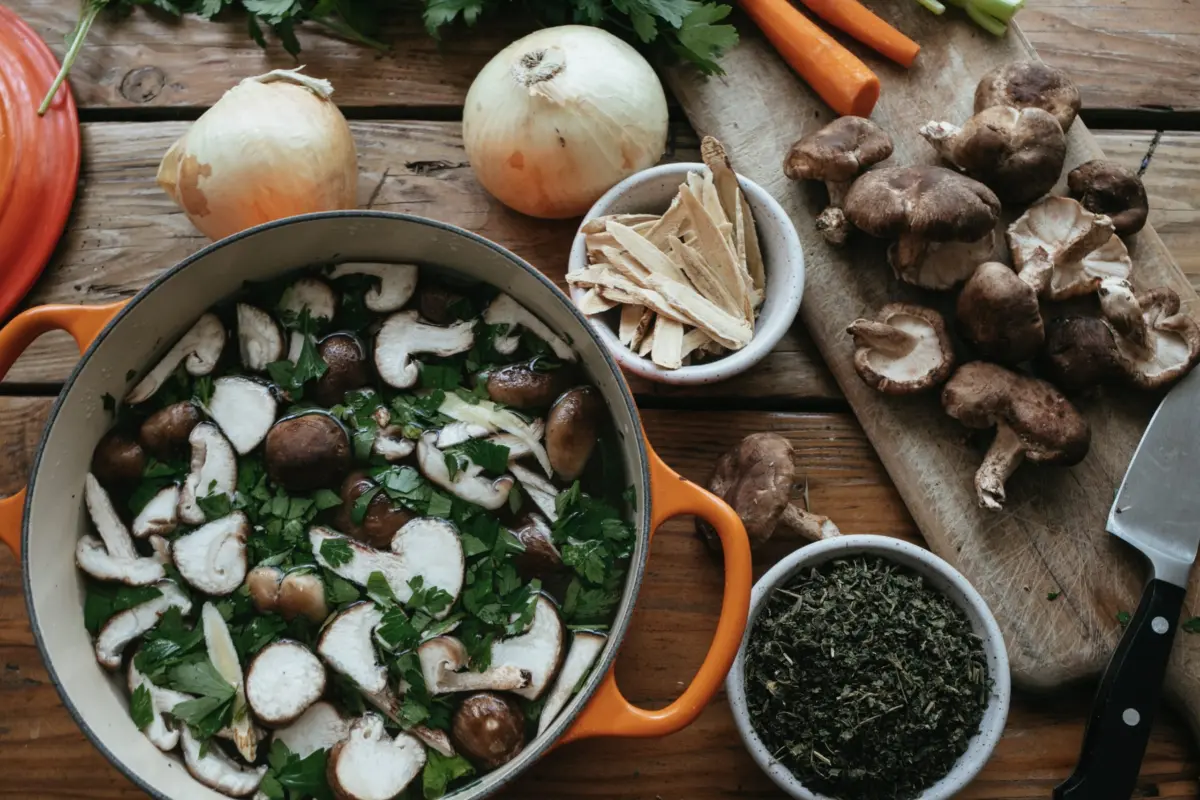
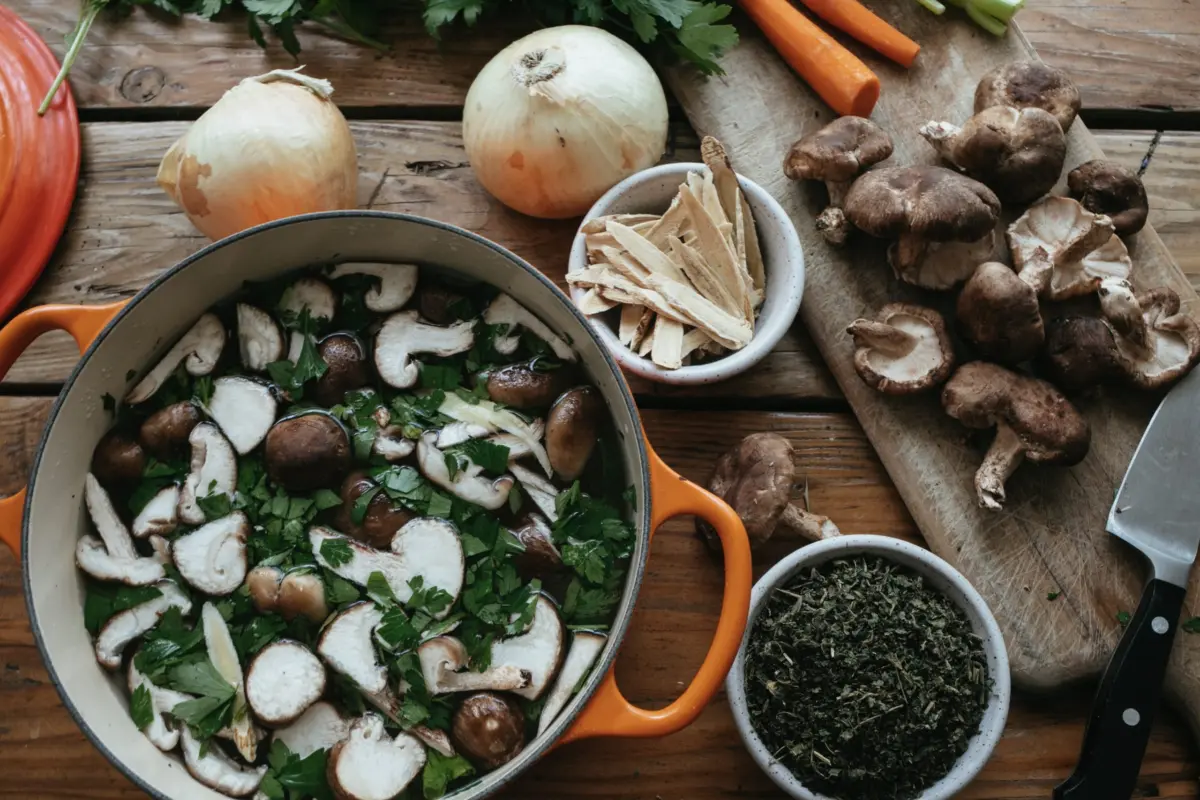
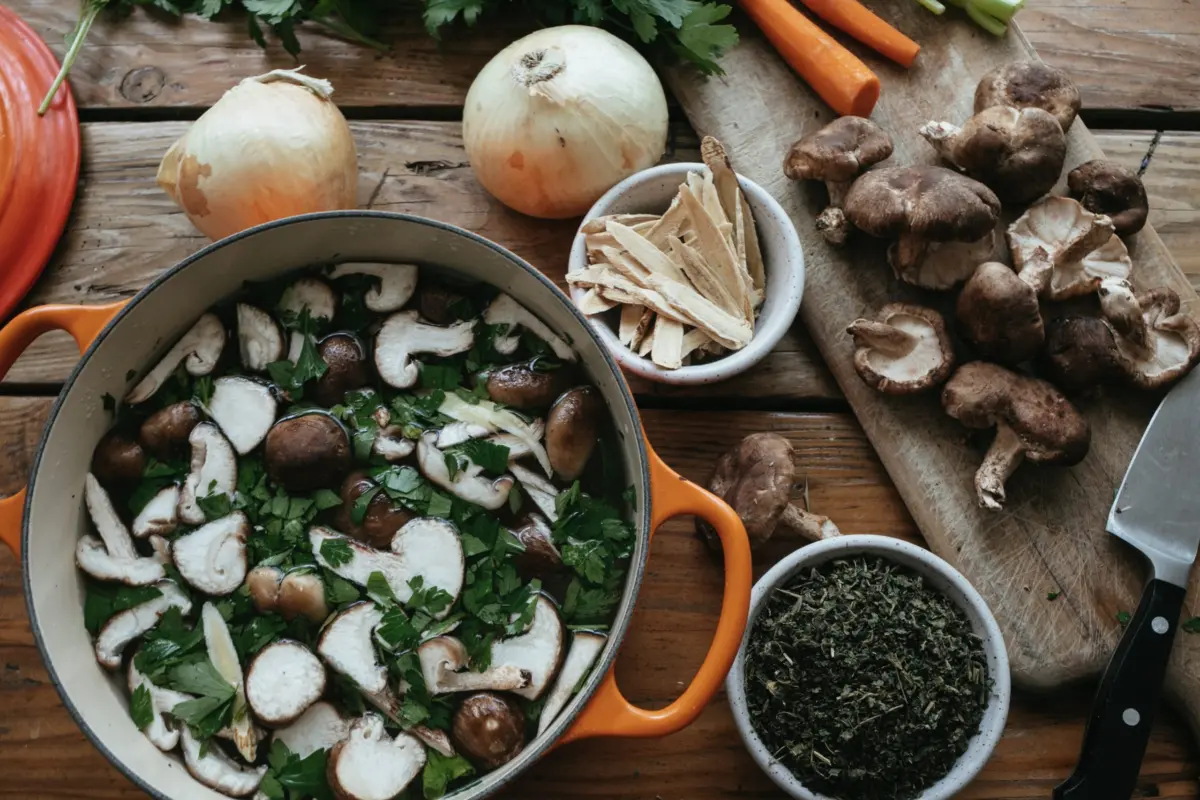
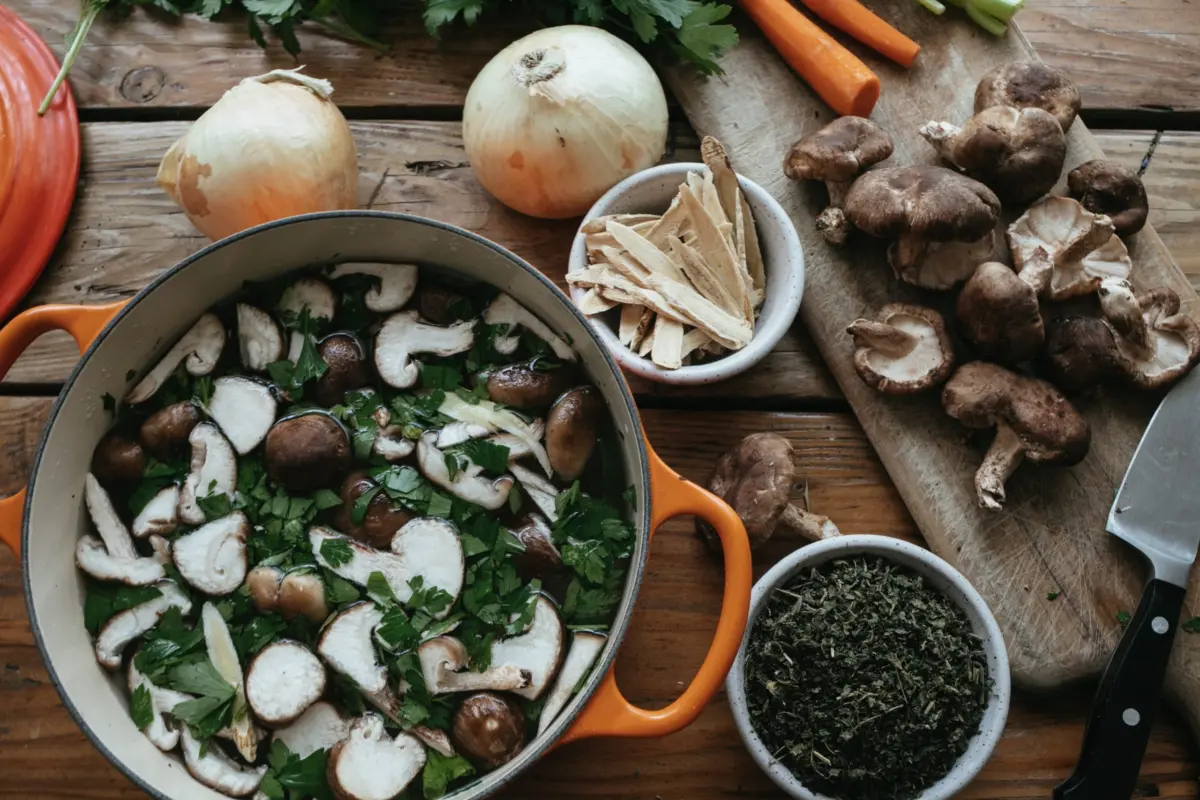
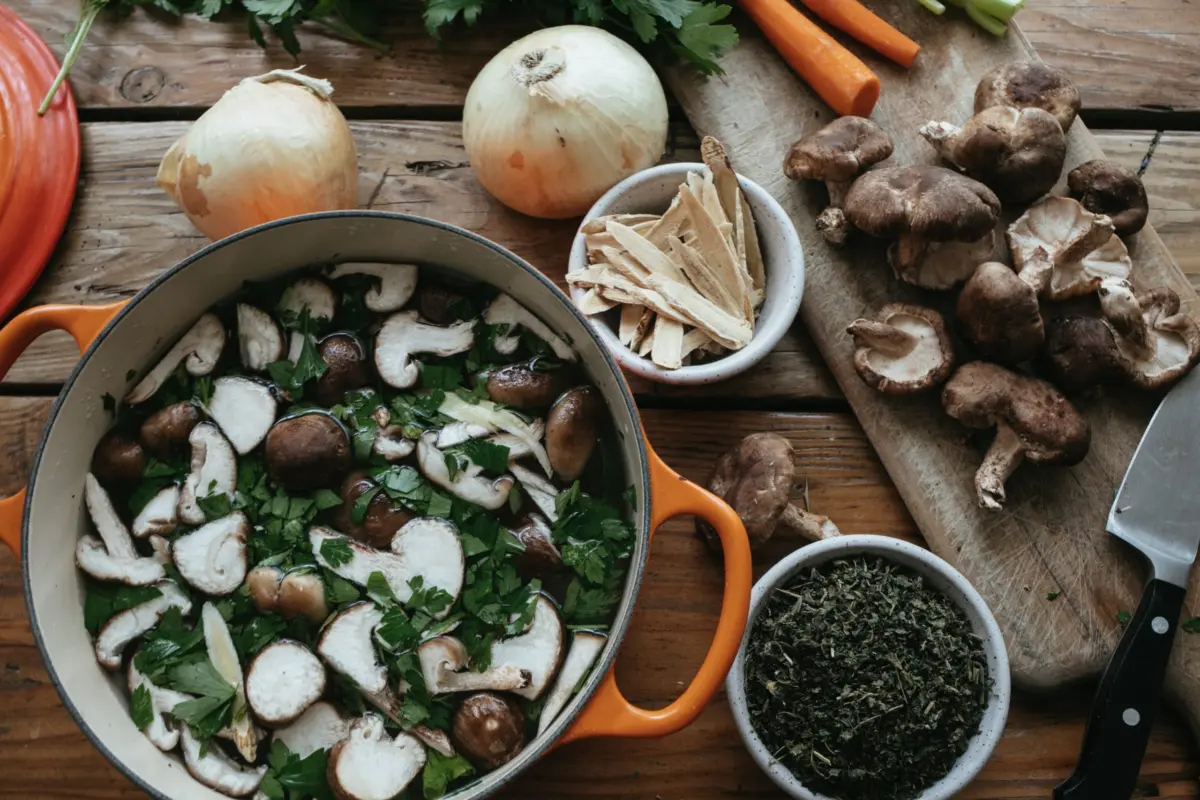
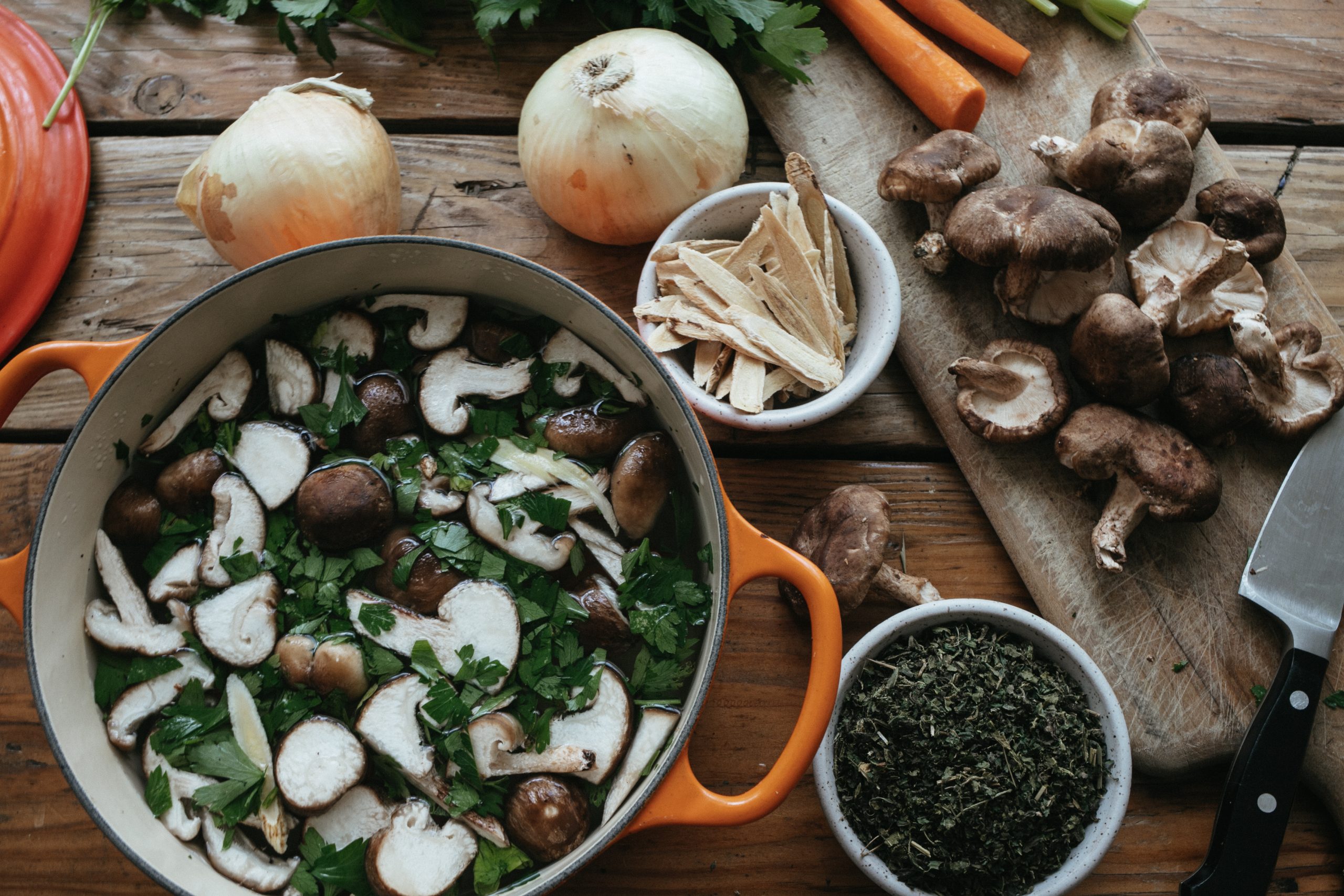
- Mushroom Immunity Broth: Featuring astragalus and calendula to prime the immune system ahead of cold and flu season.
4. Prioritize Healthy Fats to Strengthen Immunity and Skin
The Official Stance on Dietary Lipids
Dietary guidelines frequently emphasize the reduction of unhealthy trans fats, but nutritional science strongly supports increasing the intake of high-quality, healthy fats during autumn and winter. Consuming therapeutic oils internally supports cardiovascular health, stabilizes blood sugar, and provides the essential building blocks needed to keep skin hydrated from the inside out.

Optimal Oil Selection
- Olive Oil: Perfect for heart health; delicious in dishes like High-Protein Pea & Mint Crostini.
- Coconut Oil: Ideal for baking nutrient-dense granola, such as Puffed Amaranth & Cacao Granola.
- Avocado Oil: Boasts a high smoke point, making it the premier choice for sautéing and pan-searing seasonal root vegetables.
5. Revise and Restock the Pantry with Nutrient-Dense Heavier Grains
Metabolic Demands of Winter
Maintaining internal body temperature during cold weather places an increased energetic demand on human physiology. Consequently, the body naturally craves complex, grounding foods that take longer to digest—colloquially referred to as foods that "stick to your ribs."
Whole Grains for Sustained Energy
Refining the pantry to include ancient, nutrient-dense whole grains ensures a steady supply of B vitamins, complex carbohydrates, and minerals. Essential grains for the autumn and winter rotation include:
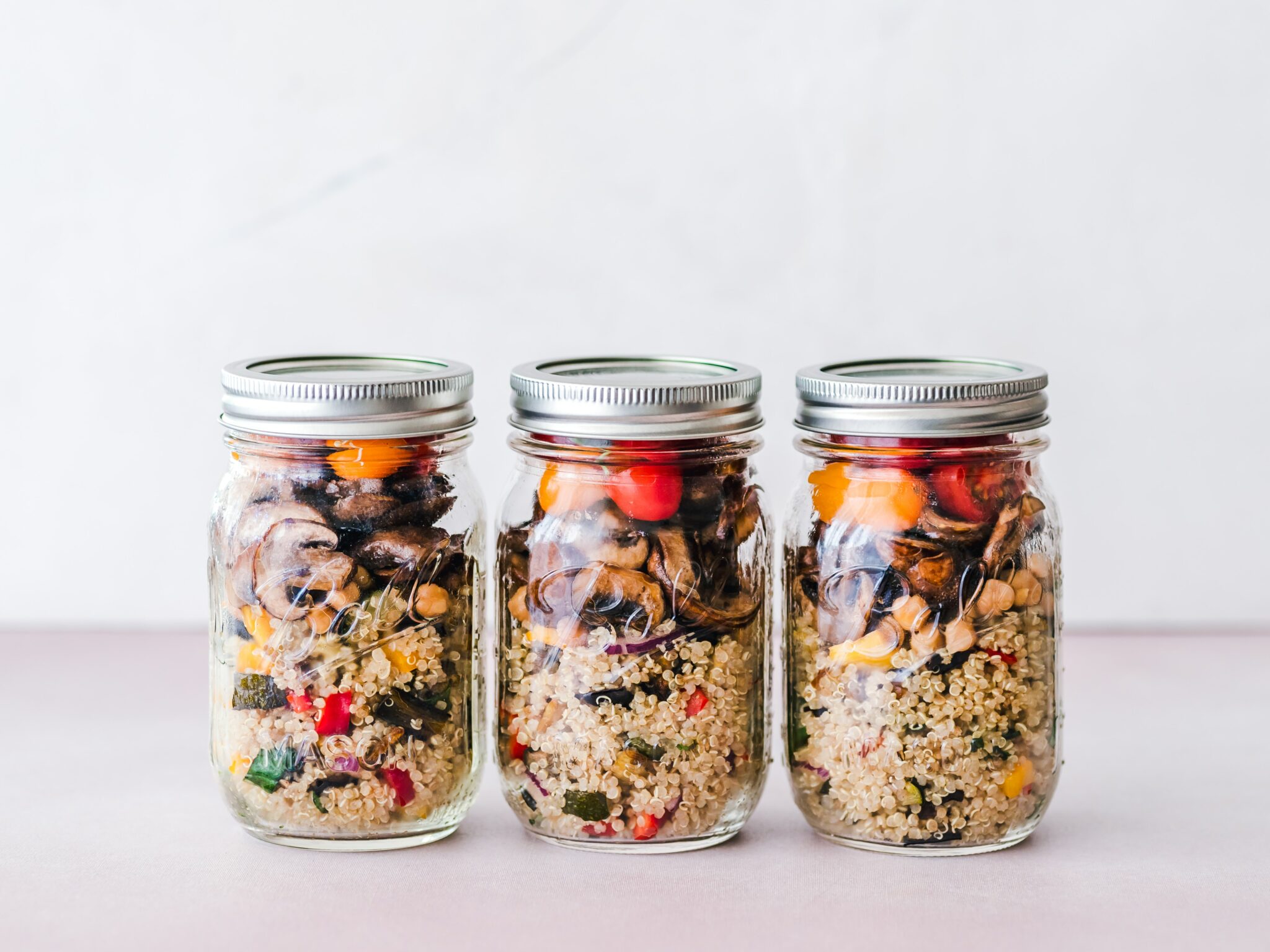
- Quinoa and Amaranth: Complete plant-based proteins containing all nine essential amino acids.
- Buckwheat: Excellent for cardiovascular support and warming metabolic function.
- Barley: Rich in soluble fiber, ideal for hearty stews.
- Culinary Highlights: Try incorporating these into dishes such as Buckwheat Pasta with Spinach Pesto, Winter Morning Buckwheat and Bran Muffins, or a Hearty Lentil and Quinoa Stew.
6. Stock Up on Herbal Syrups, Elixirs, and Fire Cider
Preparing for Pathogen Season
Autumn marks the official onset of the cold and flu season. Rather than reacting to illness after it strikes, proactive herbalism focuses on prevention by strengthening the body’s resistance against viral, bacterial, and fungal pathogens.
Official Preparations and Formulations
Clinical herbalists advocate for stocking the home apothecary with traditional remedies crafted during the late summer and early autumn harvests:
- Fire Cider: A potent, vinegar-based oxymel infused with pungent roots, garlic, and unexpected warming herbs to stimulate immune response and clear respiratory passages.
- Elderberry and Calendula Elixirs: Harnessing the antiviral properties of elderberries alongside the lymphatic-draining qualities of calendula flowers.
- Herbal Fever Ease Syrups: Utilizing diaphoretic herbs to gently support the body during immune challenges.
7. Swap Fruit-Infused Waters for Herbal Teas and Decoctions
Hydration Evolution
While ice-cold, fruit-infused waters provide essential hydration during the scorching dog days of summer, consuming cold liquids in autumn can dampen digestive capacity and cause internal chill. Transitioning to hot, herbal infusions aligns hydration practices with the environmental temperature.
Infusions vs. Decoctions
Understanding the structural makeup of plant material is critical for extracting maximum medicinal value:
- Teas (Infusions): Gentle steeping methods used for delicate plant parts such as leaves and flower petals (e.g., French Apple Cinnamon Tea).
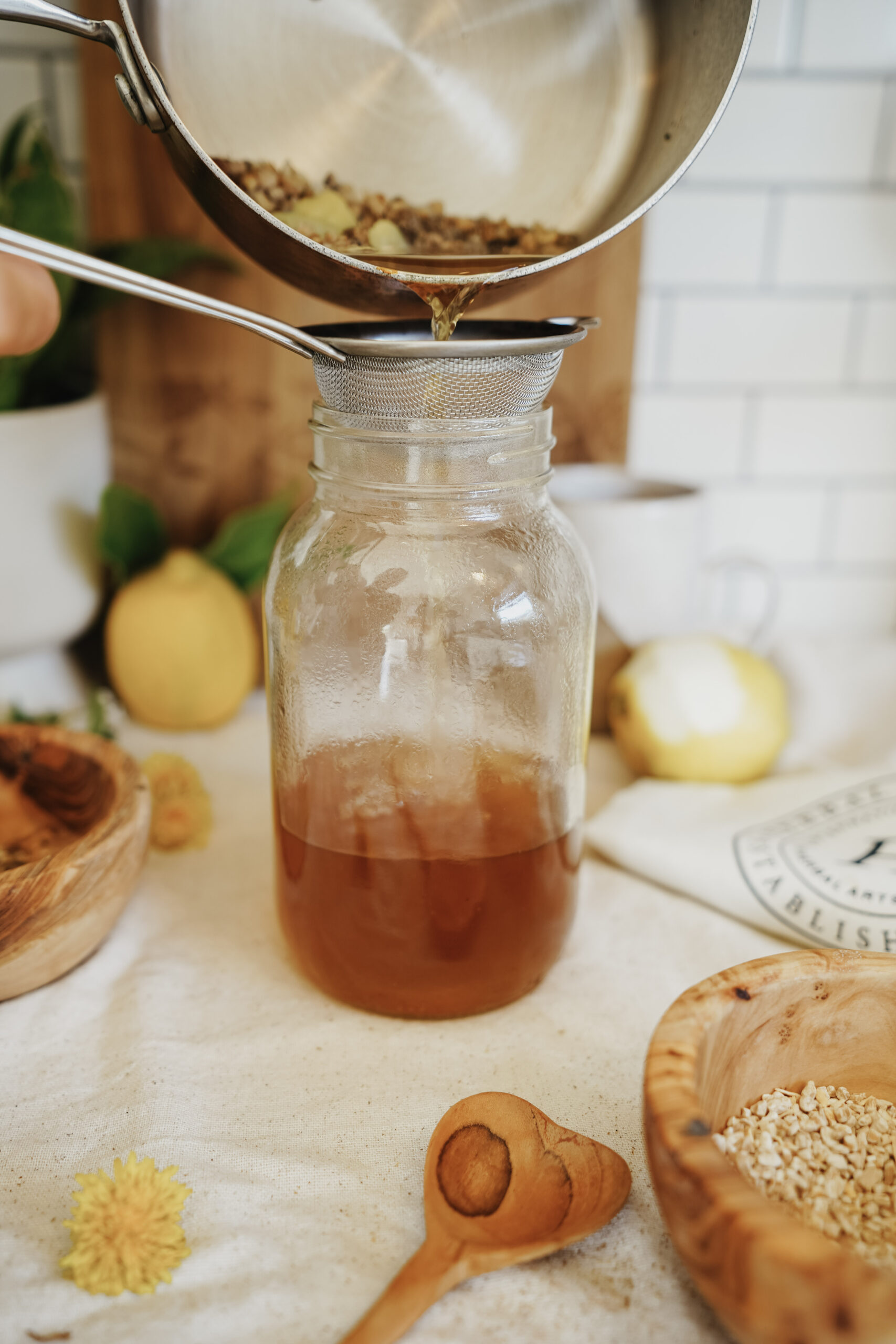
- Decoctions: Gently simmering tougher plant anatomy—including roots, barks, seeds, and dried berries—to unlock deep mineral reserves (e.g., Autumn Root Tea Tonic featuring dandelion and burdock roots).
8. Cultivate Rest by Leaving Blank Spaces on the Calendar
The Implications of Modern Burnout
Modern societal pressures frequently demand perpetual productivity, leading to chronic nervous system exhaustion. However, the biological blueprint of autumn—typified by shorter days, diminishing sunlight, and the migration and hibernation patterns of the natural world—serves as an explicit invitation to slow down.
Restorative Protocols
Intentionally leaving "blank spaces" on the calendar is a radical act of self-care. Carving out unstructured time lowers cortisol levels, prevents seasonal affective disruptions, and restores cognitive energy. Herbal allies such as skullcap, ashwagandha, passionflower, and milky oat tops can be utilized during these rest periods to deeply nourish a frayed nervous system.
9. Incorporate Warming Spices into Everyday Cooking
Thermogenic Properties of Spices
A cornerstone of both Ayurvedic medicine and Western herbalism is the use of warming spices to balance seasonal energetics. Spices are inherently thermogenic, meaning they stimulate metabolic circulation, warm the extremities, and enhance digestive fire.
Culinary Integration
Integrating spices like cinnamon, turmeric, ginger, cardamom, and clove into daily meal preparation offers profound health benefits. Easy ways to integrate these botanicals include:
- Simmering an Apple Compote spiced with digestive-supporting barks.
- Crafting Spiced Caramel Recipes infused with warming medicinal roots.
- Studying specialized texts, such as guides to Autumn Spices for the Herbalist’s Kitchen, to deepen culinary literacy.
Conclusion: Continuing the Educational Journey
True self-care extends beyond superficial luxuries; it is built upon a foundational understanding of human physiology and our symbiotic relationship with the plant world. As the seasons shift, recognizing that education is a lifelong journey empowers individuals to take charge of their health outcomes.
For those looking to deepen their expertise, autumn is the ideal time to enroll in specialized botanical education programs—such as comprehensive Botanical Skin Care Courses, deep dives into The Mushroom Course, or foundational programs like Making Herbal Preparations 101. By learning how to harvest, preserve, and formulate remedies from the plants that grow all around us, we ensure resilience, vitality, and deep connection for the entire year to come.