As the fleeting warmth of summer gracefully yields to the crisp, brisk air of autumn, our bodies and minds naturally crave a shift in rhythm. The transition from the high-energy output of the warmer months to the inward-looking, reflective cadence of fall marks a critical juncture for holistic wellbeing. For centuries, traditional herbalists and wellness practitioners have emphasized the importance of aligning human physiology with seasonal shifts.
Today, this ancient wisdom is finding new resonance. Modern wellness advocates are increasingly turning to holistic self-care routines—ranging from DIY herbal preparations and nutrient-dense seasonal diets to intentional rest—to fortify their immune systems and nurture their mental health. Below is an exhaustive look at nine foundational practices designed to help individuals transition into the colder months with resilience, vitality, and grace.

Main Facts: Shifting Seasons and the Physiology of Autumn
The fundamental premise of autumn self-care rests on bio-meteorological adaptation. As temperatures drop and daylight hours shorten, human metabolic and immune systems face distinct physiological challenges.
- Immune Vulnerability: Lower humidity and indoor heating dry out mucous membranes, making the body more susceptible to seasonal pathogens such as rhinovirus and influenza.
- Nutritional Demands: Maintaining core body temperature requires increased caloric and energetic expenditure, prompting a natural dietary shift away from cooling summer foods (like raw salads) toward warming, nutrient-dense whole foods.
- Nervous System Regulation: The sudden reduction in natural sunlight can impact circadian rhythms and neurotransmitter production, making intentional nervous system support vital for mental health.
To combat these challenges, herbalism offers a proactive toolkit. By integrating botanical oils, mineral-rich broths, heavy whole grains, and immune-boosting tinctures, individuals can build a robust internal defense system while nurturing their skin and hair against environmental stressors.

Chronology: The Seasonal Transition Roadmap
Adapting to the autumn flow does not happen overnight; it requires a structured, intentional approach as the calendar turns from September to the depths of winter.
Phase 1: Early Autumn (Reflection and Pantry Restock)
- Reflecting on Growth: As the harvest season peaks, individuals are encouraged to look back at the intentions and health goals set during their spring life resets. Journaling serves as a primary tool to process lessons learned over the spring and summer.
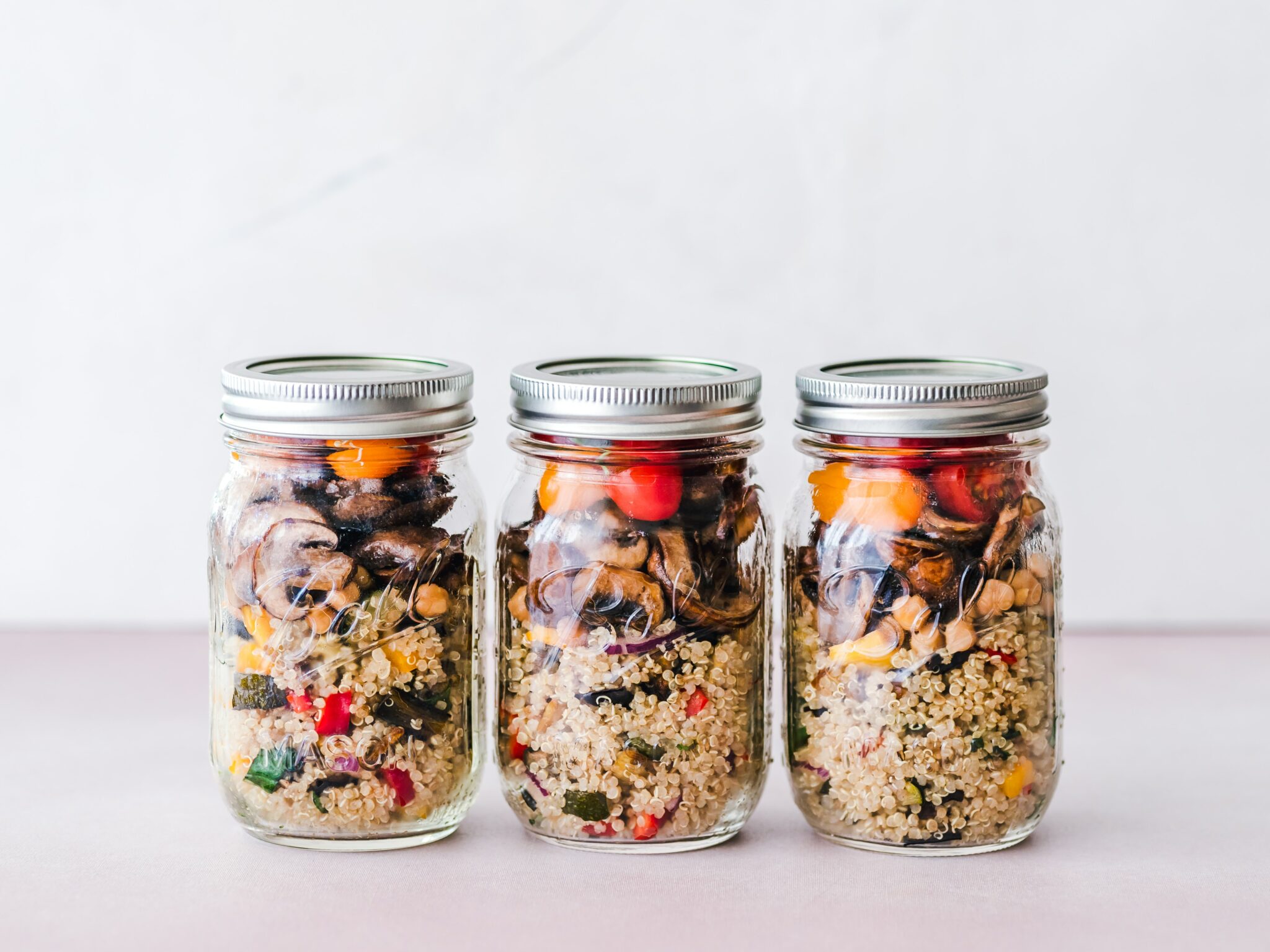
- Pantry Overhaul: Clearing out light summer produce to make room for heavier, grounding whole grains—such as quinoa, buckwheat, amaranth, and barley—prepares the digestive system for the colder months ahead.
Phase 2: Mid-Autumn (Topical and Internal Nourishment)
- Combating Environmental Dryness: As indoor heating systems are activated, botanical oils (jojoba, argan, sweet almond, and rosehip) are introduced into daily skincare and hair regimens to lock in moisture.
- Brewing Immune Defenses: This is the prime window to brew and stock up on protective herbal preparations, including fire ciders, elderberry elixirs, and fever-ease syrups, before peak cold and flu season arrives.
Phase 3: Late Autumn into Winter (Deep Rest and Warming Diets)
- Embracing Languid Living: As daylight dwindles, schedules are intentionally pruned. Leaving blank spaces on the calendar allows for deep rest, nervous system repair, and the incorporation of calming herbs.
- Transitioning to Thermal Diets: Fruit-infused waters are permanently replaced by long-steeped herbal infusions and root decoctions, accompanied by meals heavily spiced with ginger, cinnamon, and turmeric.
Supporting Data: The Science of Botanical and Nutritional Support
Integrating specific plant allies and nutritional adjustments during the autumn transition yields measurable benefits for physical and psychological health.

1. Botanical Oils for Barrier Protection
Transepidermal water loss increases significantly during colder months due to biting winds and dry indoor heat. Clinical applications of botanical oils rich in essential fatty acids help repair the lipid barrier of the skin.
- Jojoba and Argan Oils: Mimic the skin’s natural sebum, offering deep hydration without clogging pores.
- Calendula-Infused Rosehip Oil: Promotes cellular regeneration and soothes wind-chapped facial skin.
2. Thermal Foods and Immune Broths
Switching from raw salads to slow-simmered broths provides bioavailability of essential minerals while warming the core.
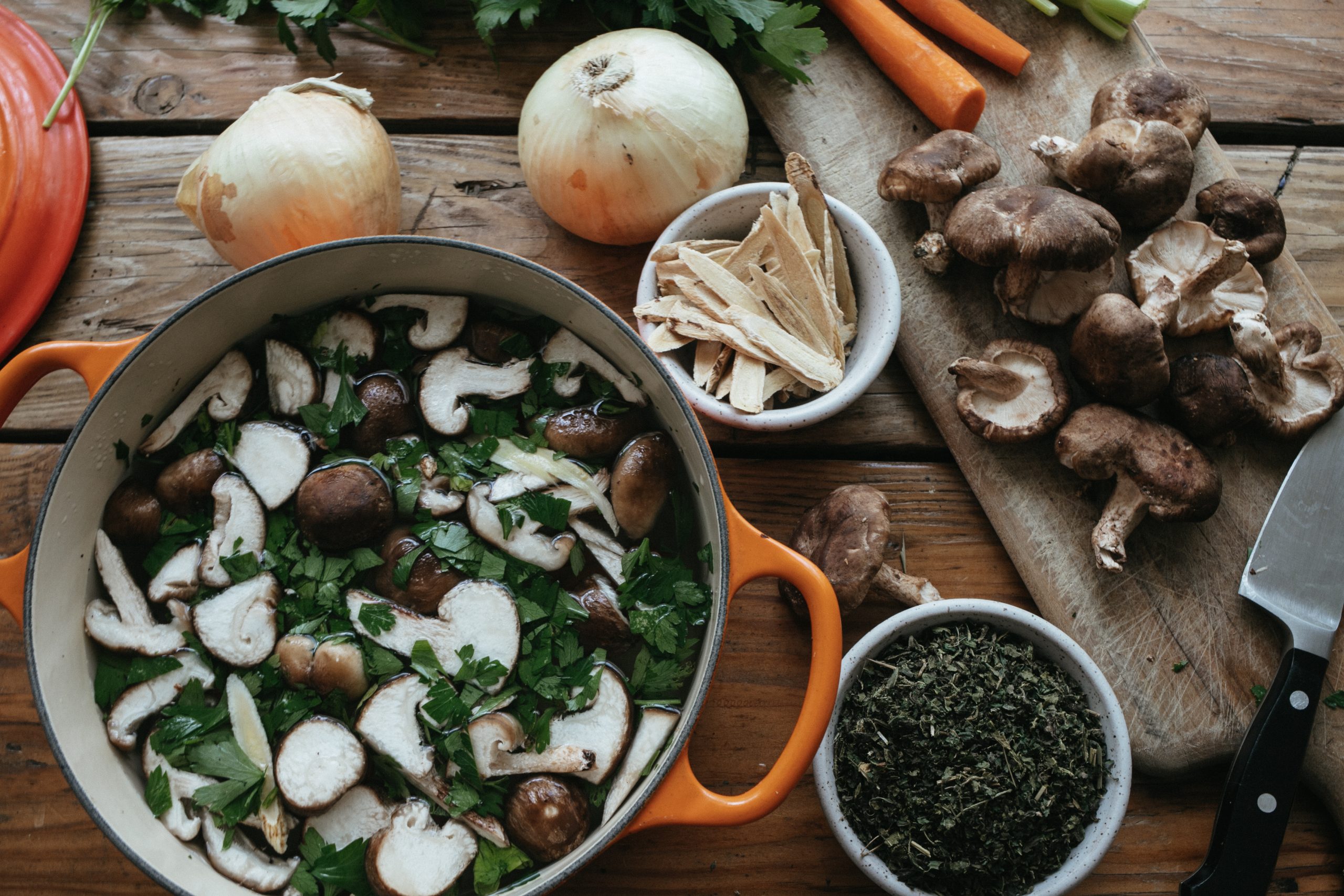
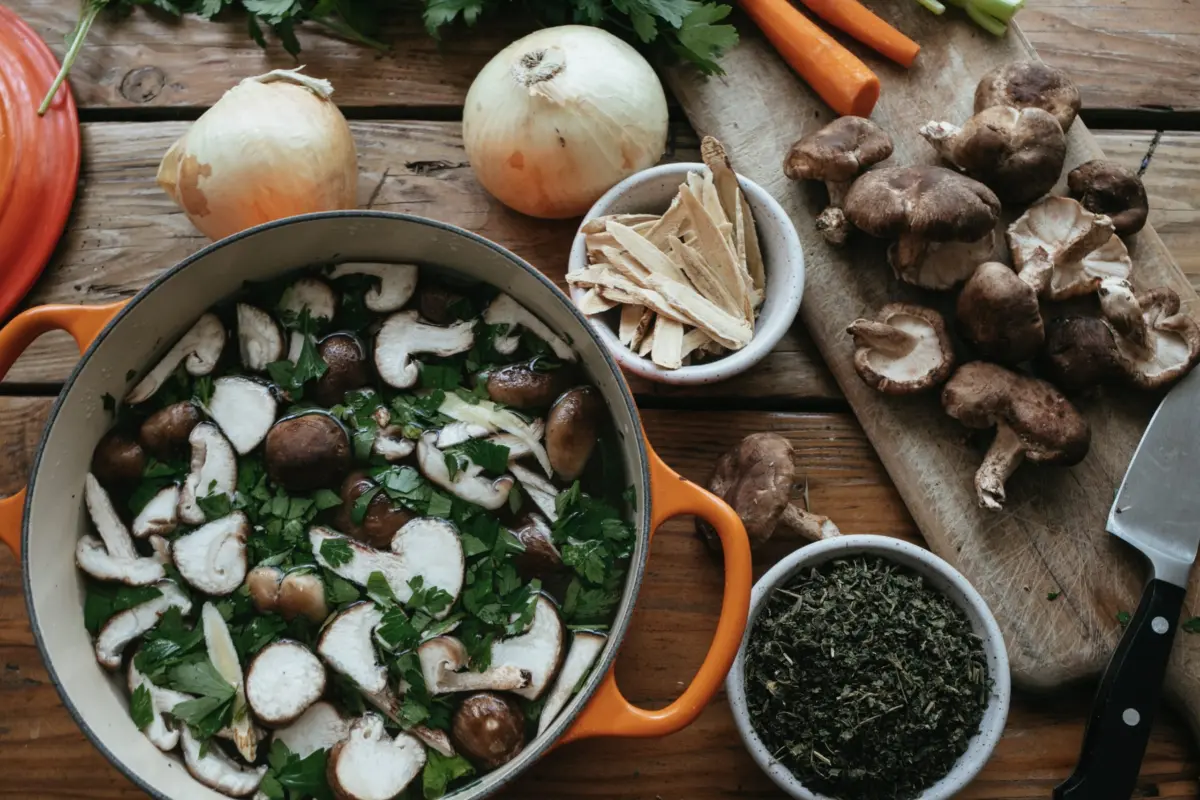
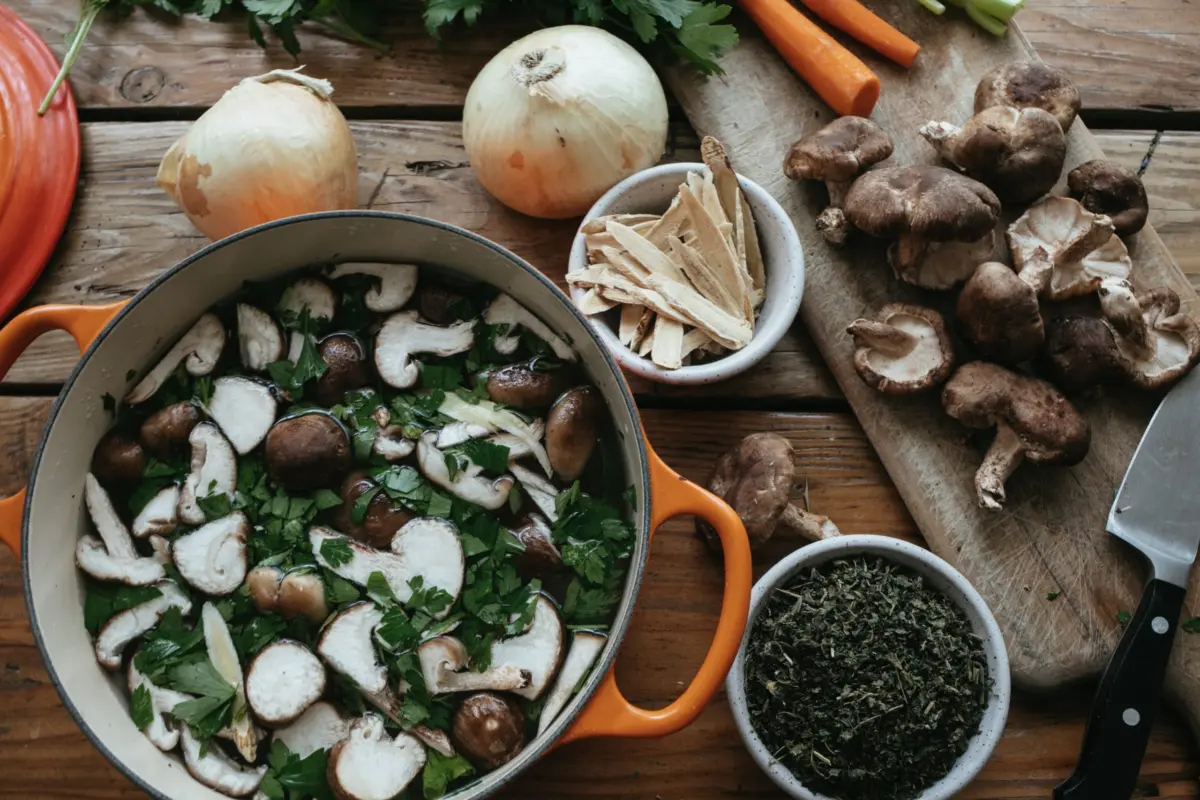
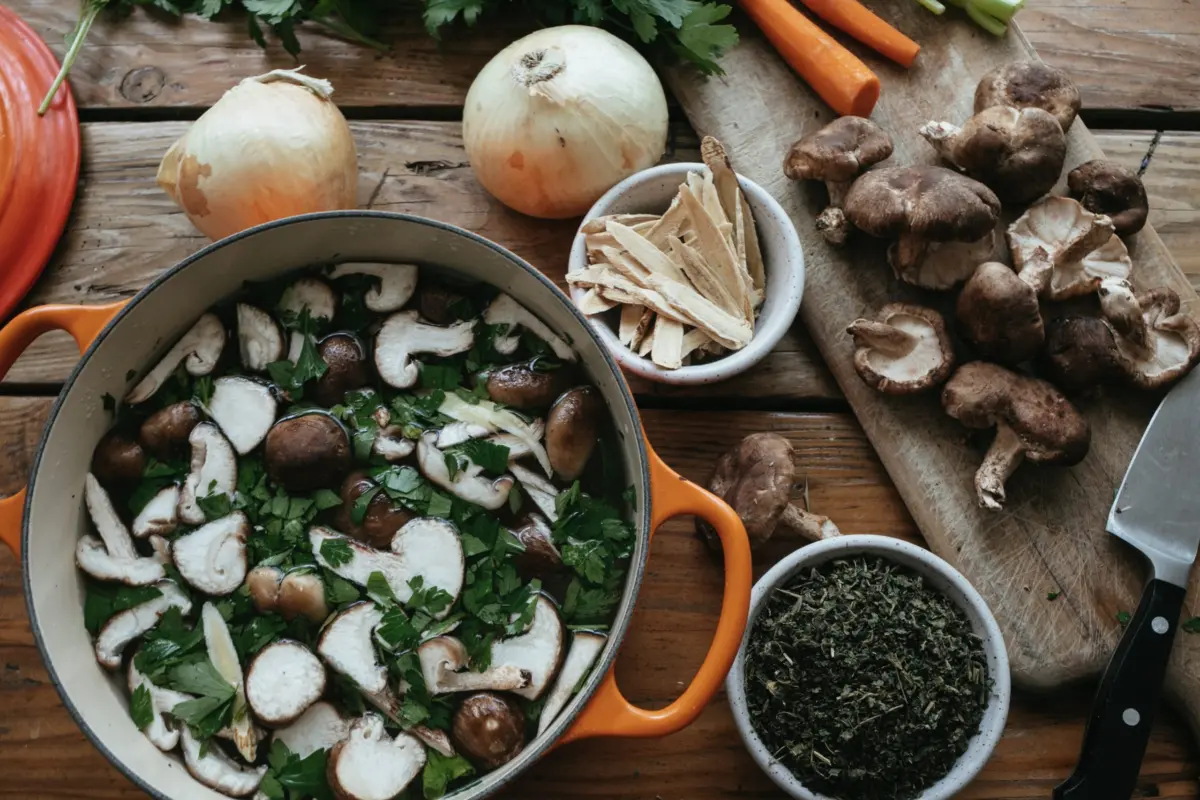
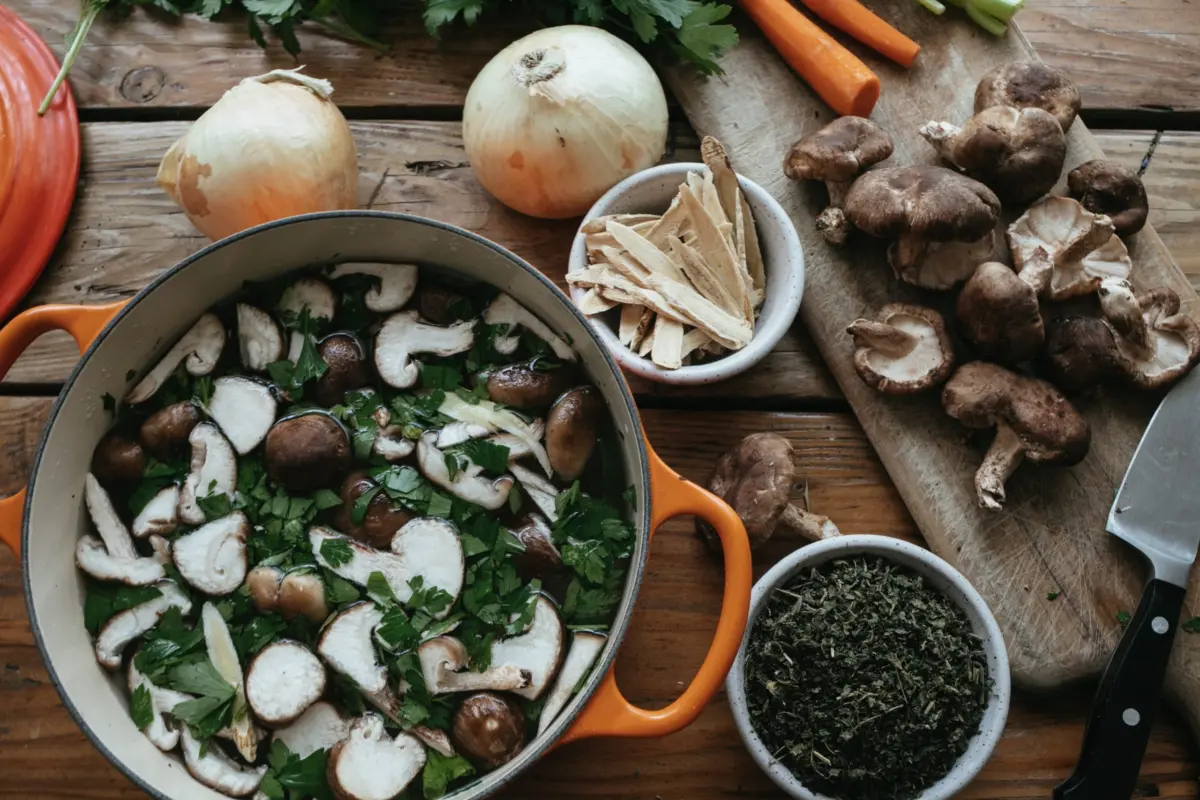
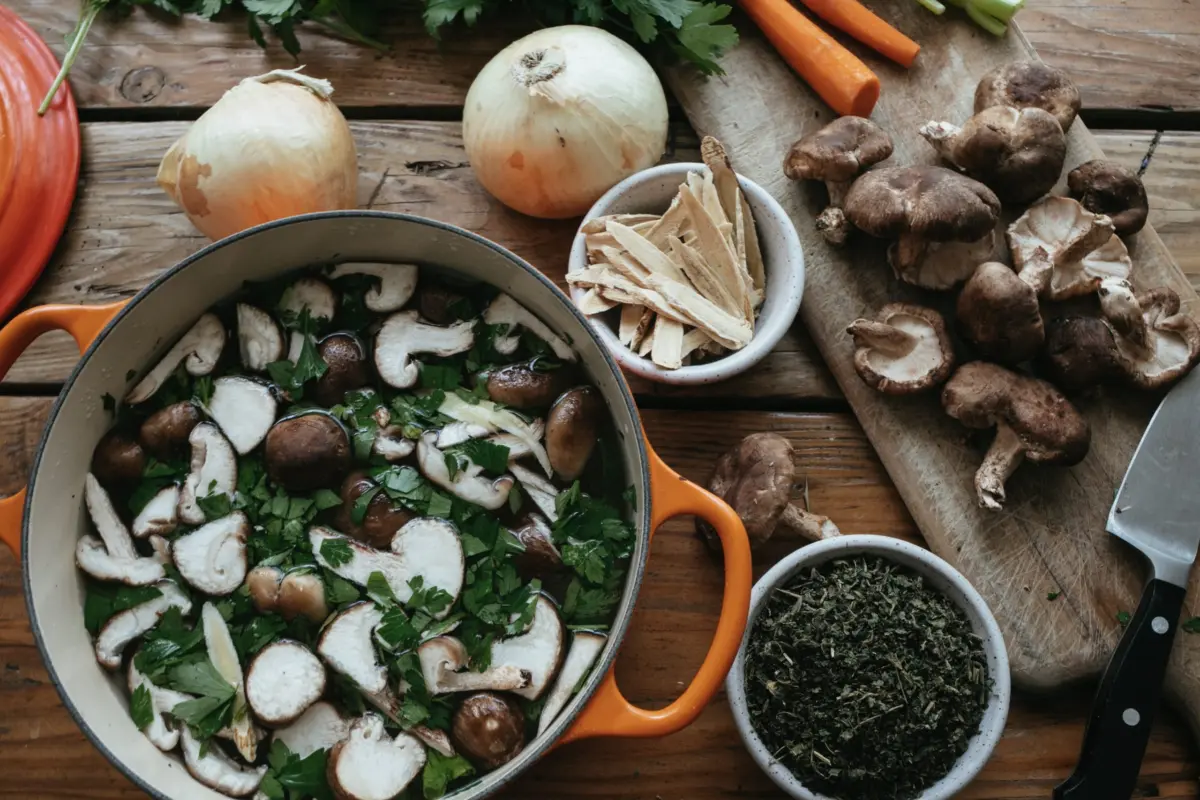
- Mushroom Immunity Broths: Incorporating medicinal mushrooms (like Shiitake or Reishi) alongside Astragalus root has been shown in immunological studies to stimulate white blood cell activity and enhance mucosal immunity.
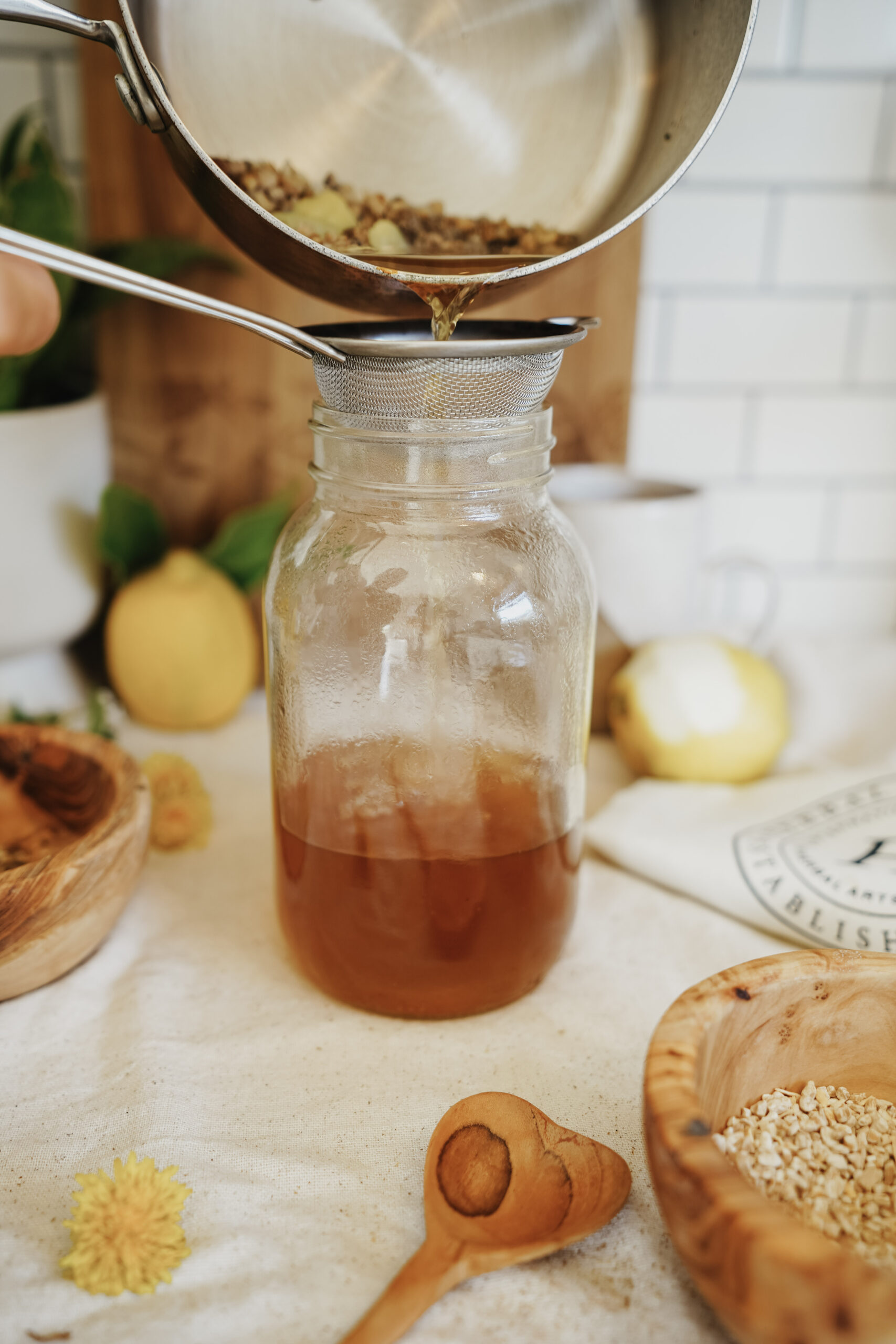
- Root Decoctions: Boiling hard plant parts—such as ginger, dandelion, and burdock roots—extracts deep-seated polysaccharides and minerals that support liver function and digestion.
3. Nutrient Density of Whole Grains
Complex carbohydrates found in buckwheat and amaranth provide sustained energy release, preventing the blood sugar spikes and crashes often associated with winter lethargy. Furthermore, warming spices like cinnamon and turmeric introduce potent anti-inflammatory polyphenols into the daily diet, mitigating joint stiffness often exacerbated by damp, cold weather.
Official Responses and Expert Perspectives
Leading botanical institutions and holistic health educators emphasize that self-care during seasonal shifts is not merely an indulgence, but a preventative healthcare strategy.
"One of the best ways to practice self-care is by building your foundation in herbalism," notes senior faculty at prominent herbal education centers. "The more we learn about the body systems and how we can support our wellbeing with plant allies during different seasonal shifts, the more we realize that the learning never stops."
Public health advocates and integrative physicians increasingly support complementary approaches to wellness, noting that proactive immune-building through traditional herbal syrups, fire ciders, and mushroom broths can significantly reduce the burden on primary healthcare systems during peak viral seasons. Furthermore, psychologists endorse the practice of "leaving blank spaces on the calendar," validating that forced rest and unhurried schedules are essential antidotes to modern burnout and seasonal affective disorders.
Implications: Fostering Lifelong Resilience Through Herbal Education
The implications of adopting an autumn self-care routine extend far beyond temporary seasonal comfort. By taking an active role in creating DIY herbal preparations—such as herbal hair serums, custom teas, and cold-and-flu elixirs—individuals reclaim agency over their personal health.
- Sustainability and Self-Reliance: Foraging, harvesting, and preserving local plants fosters a deeper connection to the local ecosystem. Courses focusing on botanical skin care, mushroom identification, and foundational herbal preparations equip community members with lifelong skills.
- Preventative Culture Shift: A societal pivot toward seasonal living encourages a slower, more mindful pace of life. By honoring the body’s need to rest, recalibrate, and nourish itself deeply during the dark months of the year, communities can build collective resilience against the chronic stress and burnout characteristic of modern life.
As autumn deepens its hold, the invitation is clear: step away from the relentless pace of summer, embrace the restorative quiet of the changing leaves, and allow the timeless wisdom of herbalism to guide you safely through the frost.