By the Roomhints Editorial Team
Part of the Roomhints Designer Spotlight Series
Main Facts
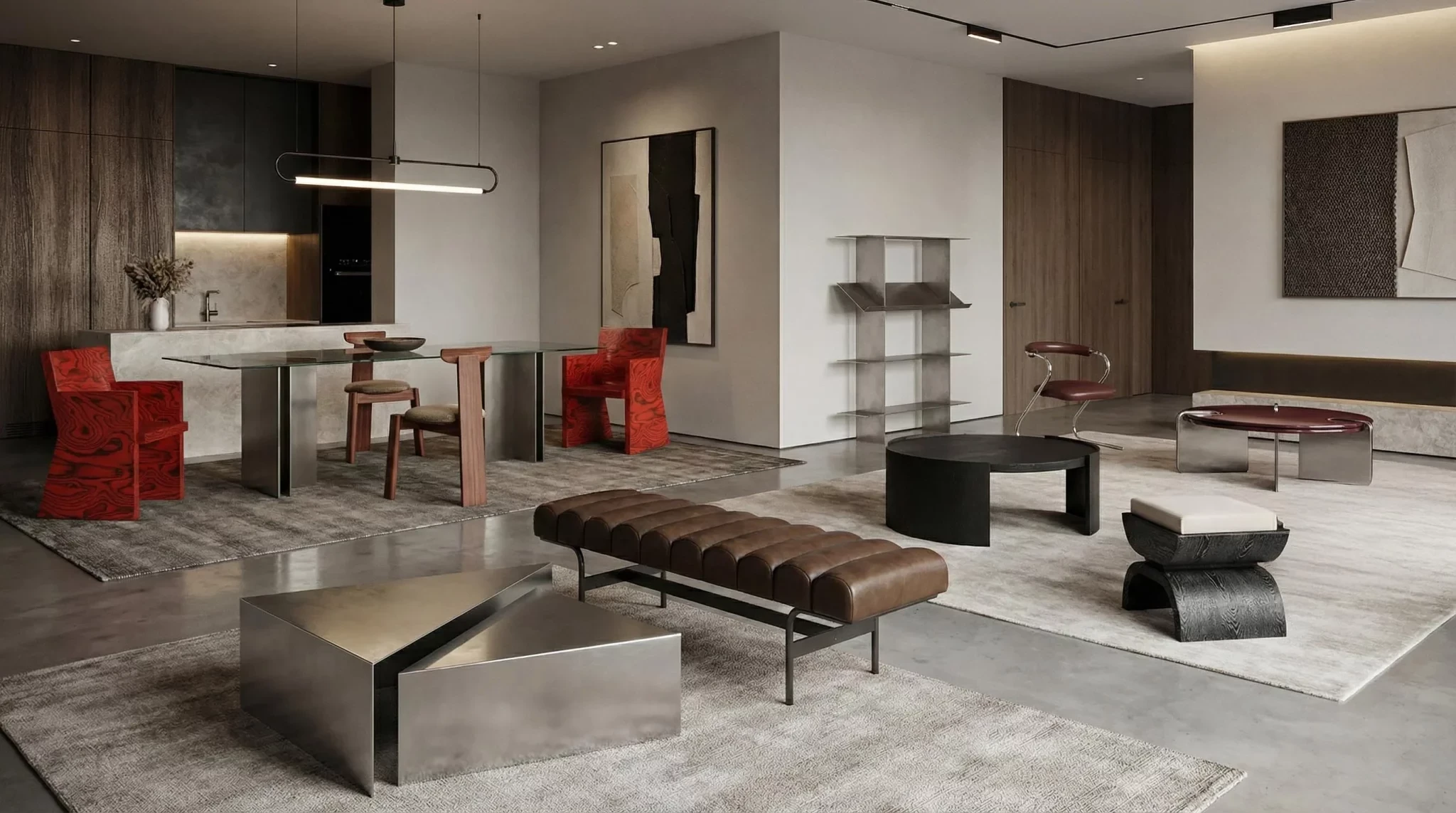
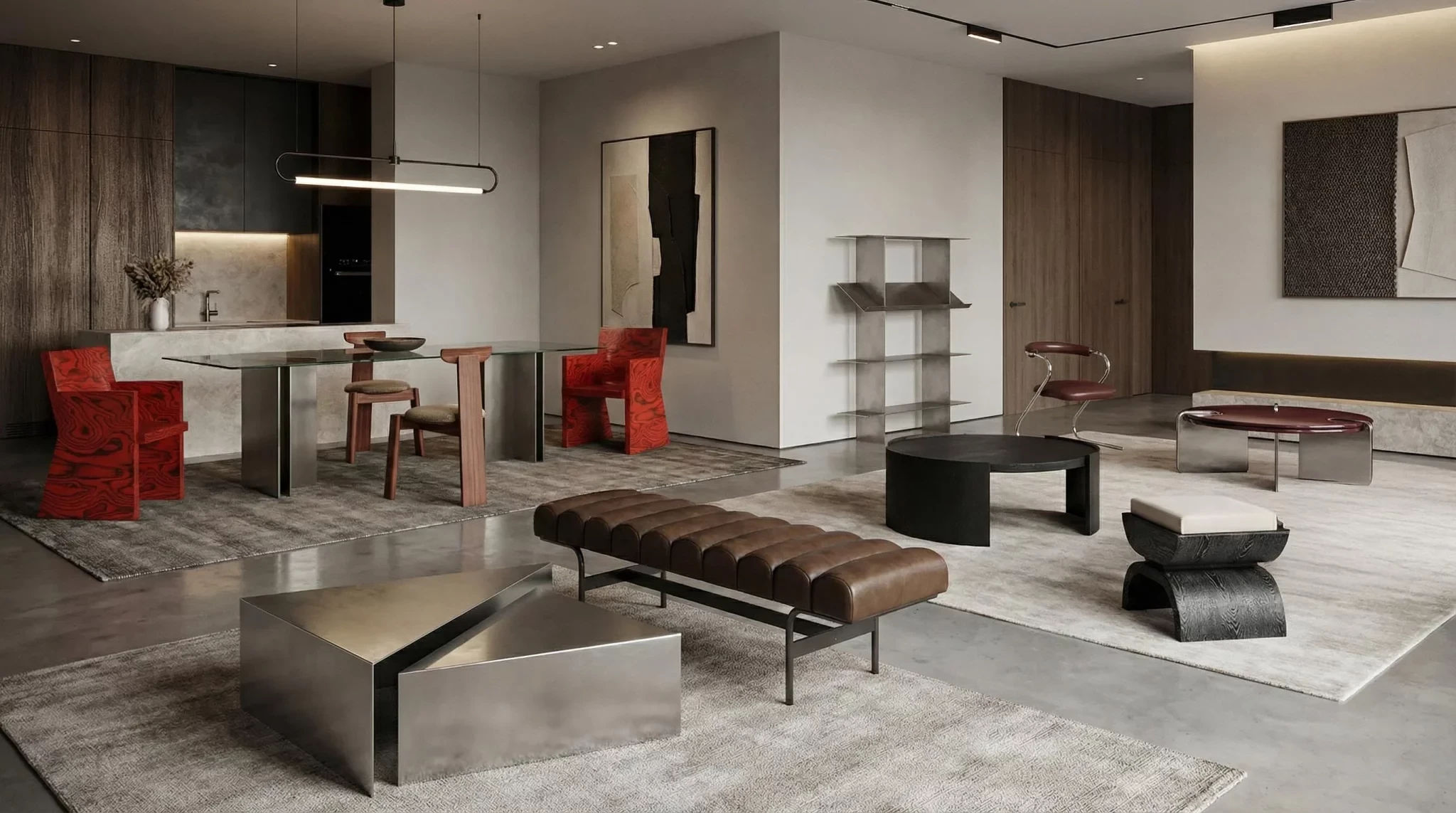
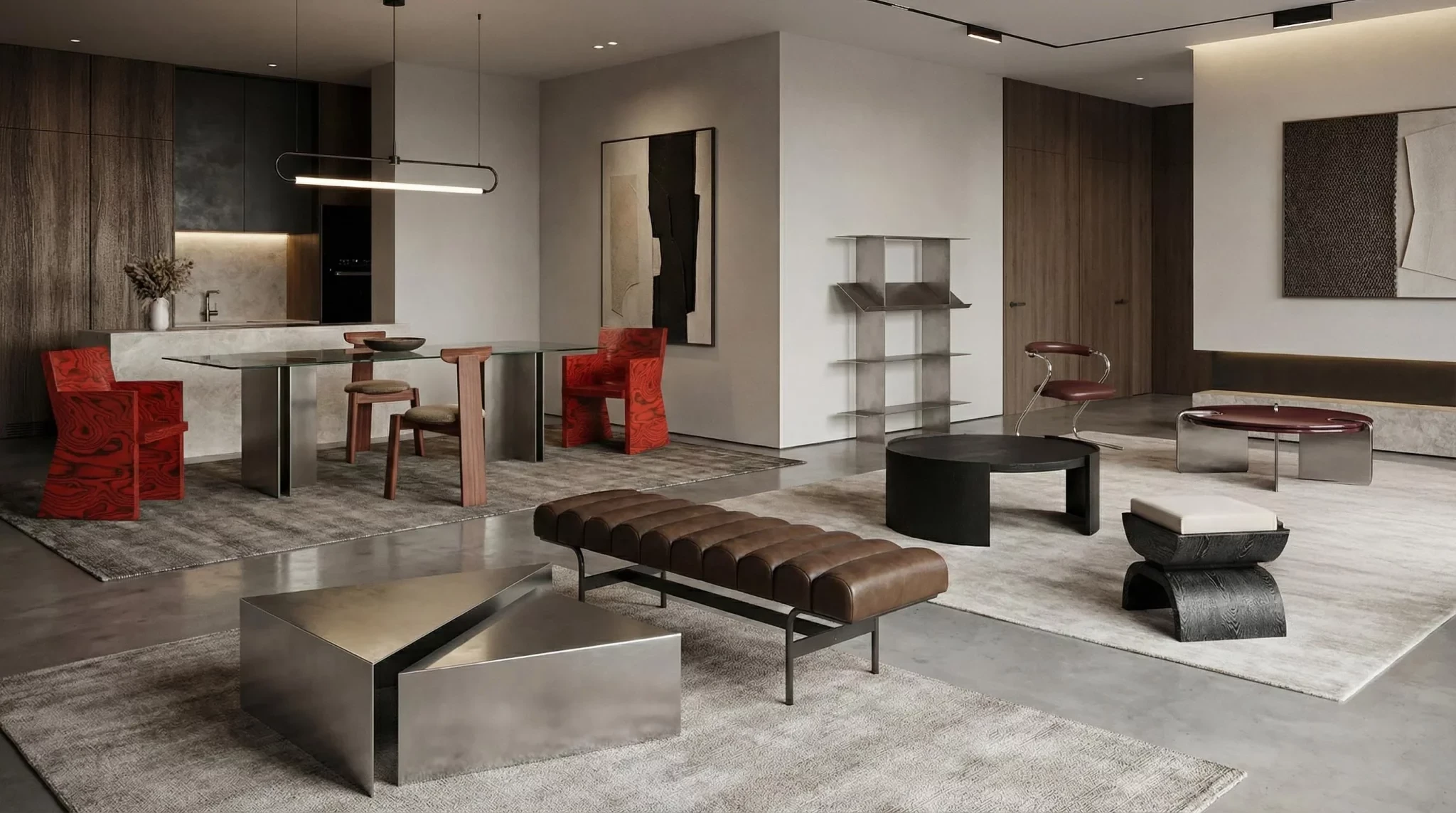
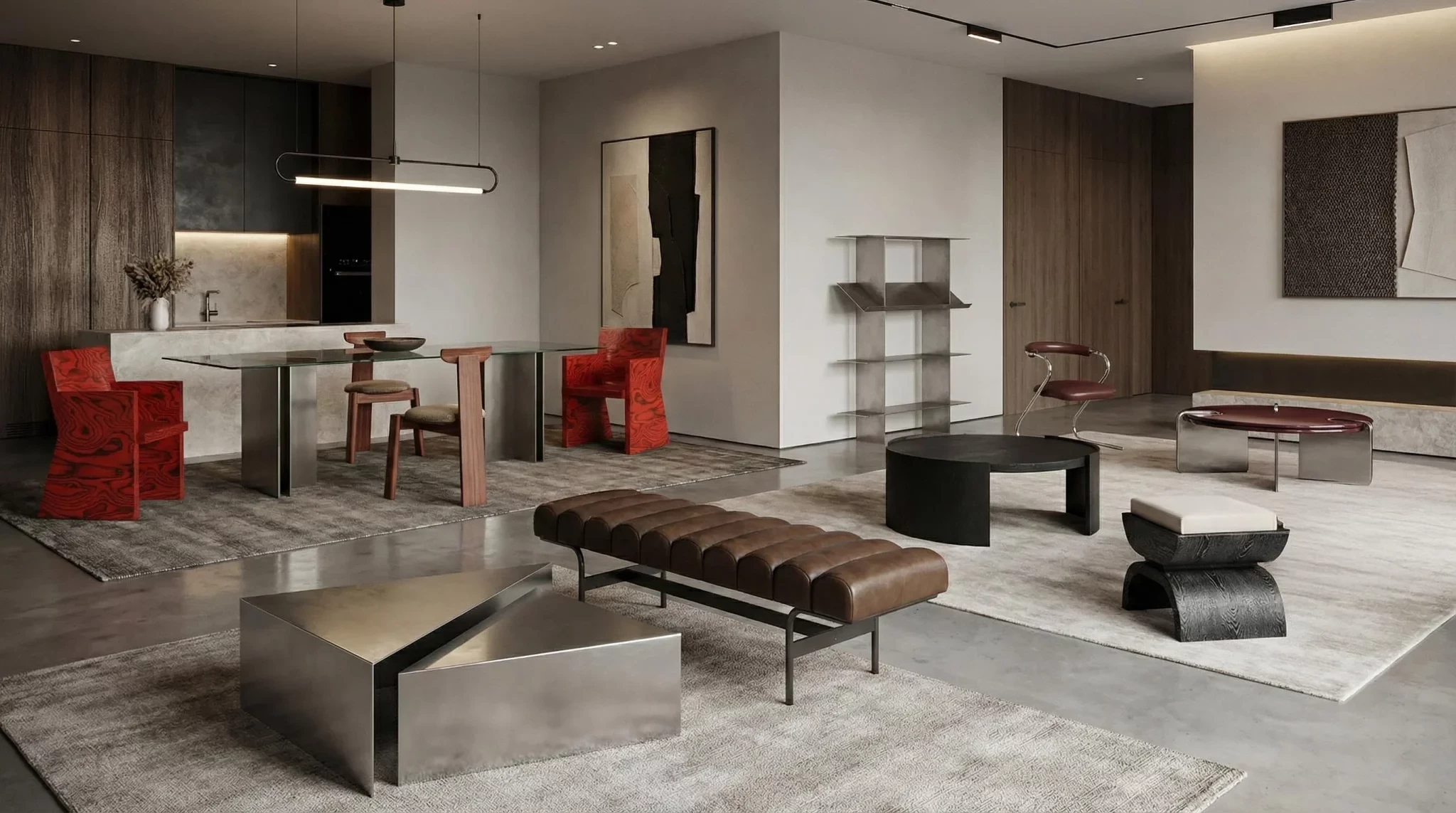
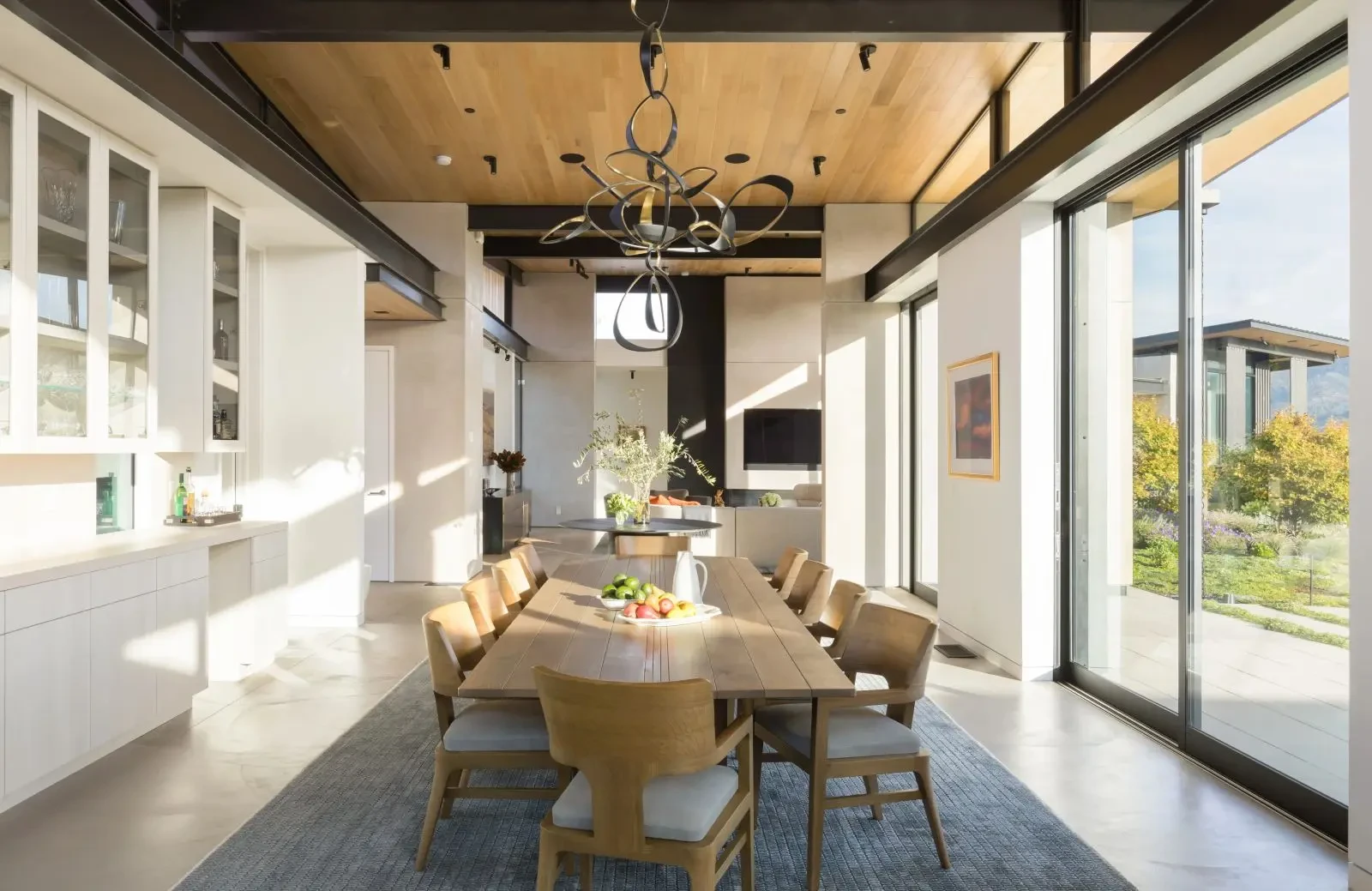
In the upper echelon of high-end residential interior architecture, few names command the quiet reverence associated with Martin Kobus. As the principal of his eponymous firm, Kobus Interiors, the Dutch-born designer has built a career on a triad of foundational principles: clean lines, subtle execution, and unostentatious luxury.
Rather than viewing these traits as mere stylistic aspirations, Kobus treats them as a strict professional discipline. His work bridges the gap between European design precision and contemporary American scale, producing environments that are at once deeply personal, highly functional, and visually arresting. Operating out of the United States, Kobus has carved out a distinct niche by mastering not only the tangible elements of design—such as material selection, spatial planning, and lighting—but also the intangible psychological currents that flow between a client and their living space.
Key highlights of the Kobus design philosophy include:
- The Leadership Imperative: Balancing client desires with authoritative design direction to ensure a cohesive final product.
- Psychological Architecture: Treating client psychology and lifestyle analysis as more than half of the design equation.
- Sensory Engagement: Prioritizing holistic sensory experiences, notably utilizing bespoke fragrance as a fundamental finishing layer.
- The California Masterpiece: The completion of a sprawling, light-drenched estate in Rancho Mirage, California, which stands as a benchmark for his desert residential work.
Chronology: The Evolution of a Master Designer
Early Immersion and European Foundations
Growing up in the Netherlands, Martin Kobus was immersed in a design culture that values structural honesty, spatial efficiency, and timeless aesthetics. European architectural traditions—rooted in historical context yet constantly innovating—shaped his early worldview. Unlike designers who discover their passion later in life, Kobus’s involvement in the spatial arts was lifelong, allowing his design instincts to develop organically over decades. This early immersion instilled a deep respect for craftsmanship, proportion, and the interaction between natural light and built environments.
Relocation and the Establishment of Kobus Interiors
Upon transitioning his practice to the United States, Kobus brought with him a rigorous European sensibility that quickly resonated with high-net-worth clients seeking understated elegance rather than transient trends. He founded Kobus Interiors with a distinct operational philosophy: while a designer must always listen to the client, they must also steer the ship. This ethos prevented his projects from falling victim to fleeting stylistic fads, anchoring them instead in a permanent state of refined luxury.

The Rancho Mirage Milestone
A defining moment in the chronology of Kobus Interiors was the realization of a dream estate in Rancho Mirage, California. Working in the unforgiving, brilliant desert light of the Coachella Valley requires an exceptional degree of spatial and material confidence. The success of the Rancho Mirage project—where stark exterior landscapes and hyper-refined interiors entered into a dramatic dialogue—cemented Kobus’s reputation as a designer capable of executing complex, high-stakes properties under extreme environmental conditions.
Supporting Data & Design Philosophy
To truly understand a Martin Kobus interior, one must examine the philosophical pillars and inspirational touchstones that guide his specification process.
Inspirations: The Masters and the Metropole
Kobus draws profound inspiration from high-end hospitality design, specifically luxury resorts, as well as the legendary French interior designer Christian Liaigre. Liaigre, celebrated for his restrained, material-focused approach that defined late 20th and early 21st-century residential luxury, serves as a primary philosophical benchmark.
- Luxury Hospitality as a Stress Test: Kobus looks to world-class resorts because they solve the ultimate design paradox: how to make a sprawling, high-traffic commercial space feel intimate, deeply inhabitable, and entirely unique.
- Global Travel: Regular exposure to international architecture, textiles, and cultures expands the firm’s design vocabulary, ensuring that no two projects rely on repetitive tropes.
The Psychology of Space
According to Kobus, physical materials and furniture specifications account for less than half of a successful project. The rest is pure psychology.
- Uncovering Hidden Desires: Clients often articulate what they think they want, but a master designer must decipher how they actually live, what spatial anxieties they harbor, and what unexpressed luxuries would elevate their daily routines.
- The Value of the Conversation: The true skill of high-end interior architecture lies in the consultative dialogue. The physical room is merely the end product; the conversational journey is where trust and innovation are forged.
Flexibility as the Ultimate Principle
When asked to name the single most critical attribute for a successful designer, Kobus points to one word: flexibility.
- Adapting to Reality: No architectural or interior plan survives contact with a real, physical building entirely intact. Unforeseen structural constraints, shifting client needs, and supply chain realities demand swift pivots.
- Preserving Vision Under Pressure: The distinction between an average designer and an exceptional one lies in the ability to adapt to these variables without sacrificing the integrity of the original design vision.
Official Responses and Insights in Quotes
Kobus’s direct statements regarding his work offer an unvarnished look into the mindset of a top-tier residential designer:

“We are a design firm that believes in giving the client what they want but to drive the project in our direction. Clean, subtle, luxurious interiors are our hallmark.”
This quote encapsulates the delicate tension inherent in bespoke residential design. Kobus navigates the gap between a client’s initial imagination and professional architectural reality with unwavering confidence.
When questioned about the sensory hierarchy of a room—specifically regarding what final element ties a space together—Kobus offers an unconventional perspective:
“Fragrance is the finishing touch that most transforms a space.”
Esoterically bypassing art, lighting, or decorative accessories, this focus on scent underscores a holistic commitment to the sensory experience. For Kobus, a room must be felt, breathed, and lived in, not merely observed through a camera lens.
Implications for the Future of Luxury Interior Design
The philosophy championed by Martin Kobus holds significant implications for the broader luxury design market as it navigates the 2020s and beyond.

1. The Shift from Ostentation to Quiet Luxury
For years, high-end residential design flirted with overt displays of wealth—glittering chandeliers, branded furniture, and loud color palettes. Kobus’s enduring success highlights a permanent market shift toward "quiet luxury." Clients are increasingly prioritizing spaces that promote mental well-being, tactile comfort, and subtle sophistication. Clean lines and restrained palettes are no longer seen as austere, but as sanctuaries from an increasingly chaotic modern world.
2. The Integration of Sensory Architecture
By elevating scent and spatial psychology to the same tier as architectural millwork and custom furniture, Kobus points the way toward a more multidisciplinary approach to interior design. Future luxury homes will likely rely more heavily on sensory layering—incorporating acoustic dampening, circadian lighting systems, and signature olfactory branding—to create deeply immersive environments.
3. The Re-emergence of Designer-Led Consultations
In an era dominated by algorithmic mood boards, instant e-design platforms, and accessible democratization of decor, the role of the authoritative designer is more critical than ever. Kobus’s insistence that a designer must lead the project serves as a reminder that true bespoke environments cannot be crowdsourced. They require a seasoned professional who possesses the psychological acuity to guide clients past their initial impulses and toward timeless architecture.
Martin Kobus is based in the United States. To explore his portfolio of completed estates and residential projects, visit martinkobushome.com.
This article is part of the ongoing Roomhints Designer Spotlight series, dedicated to profiling the visionary creatives who shape the rooms that matter.