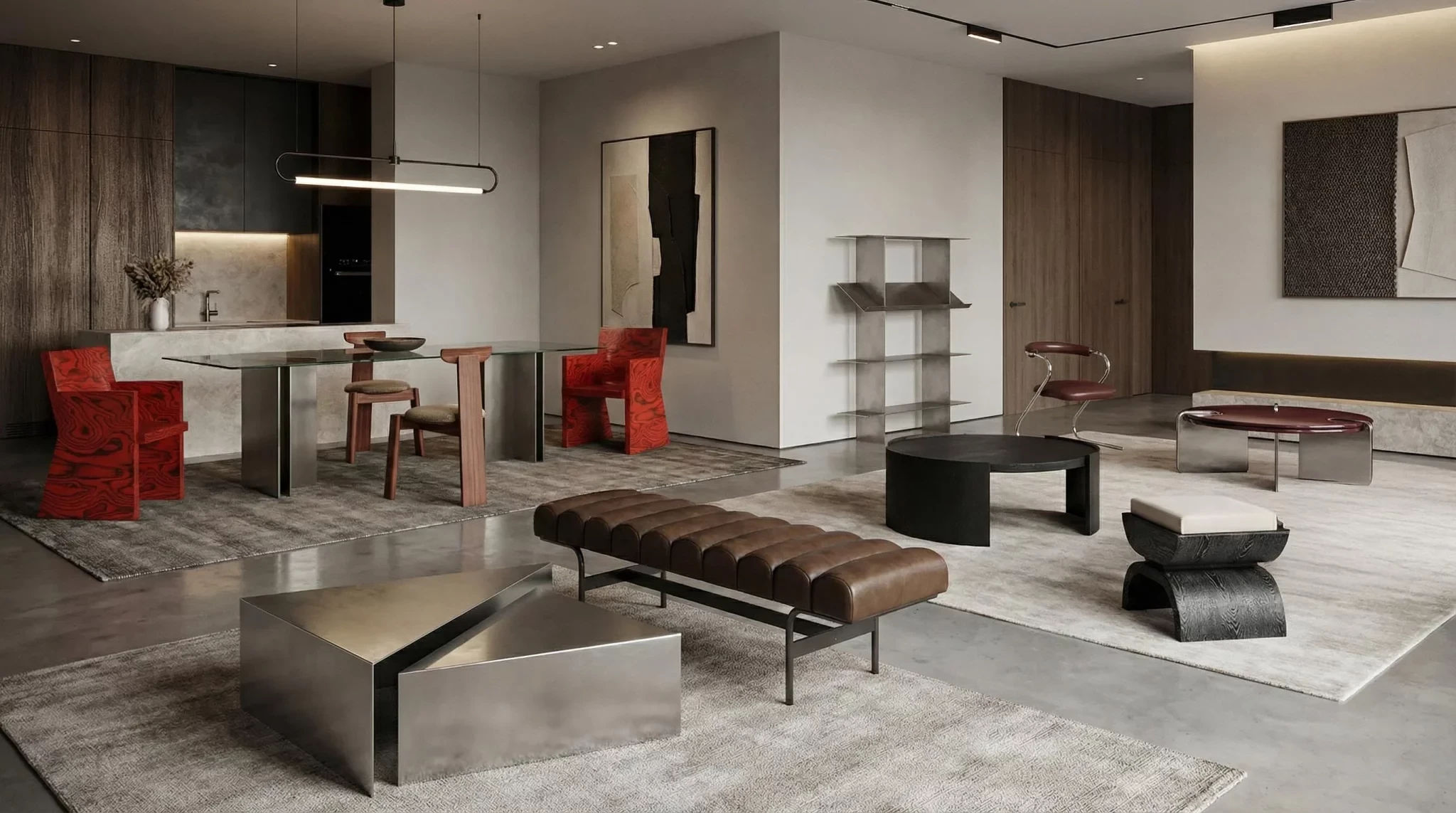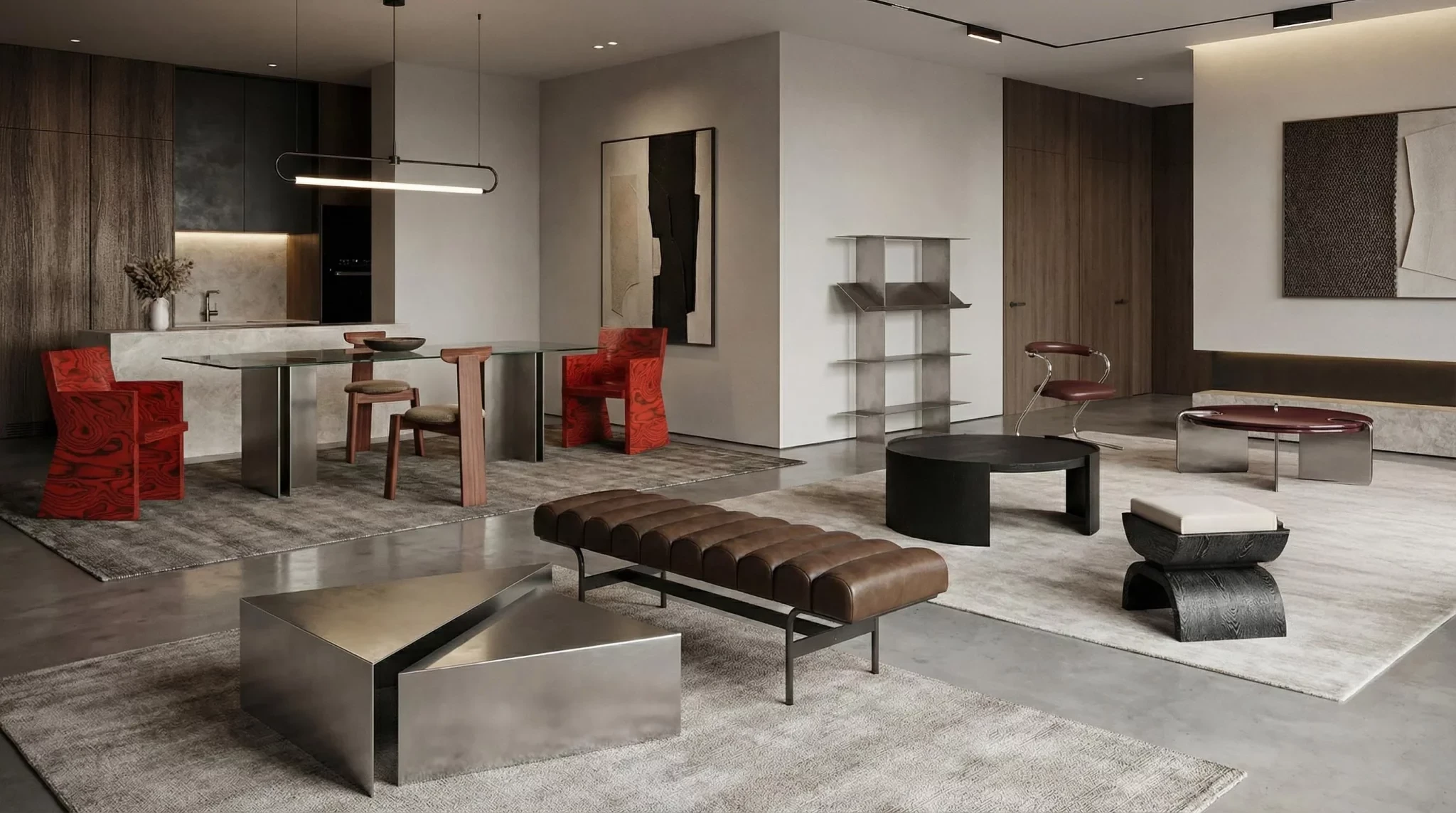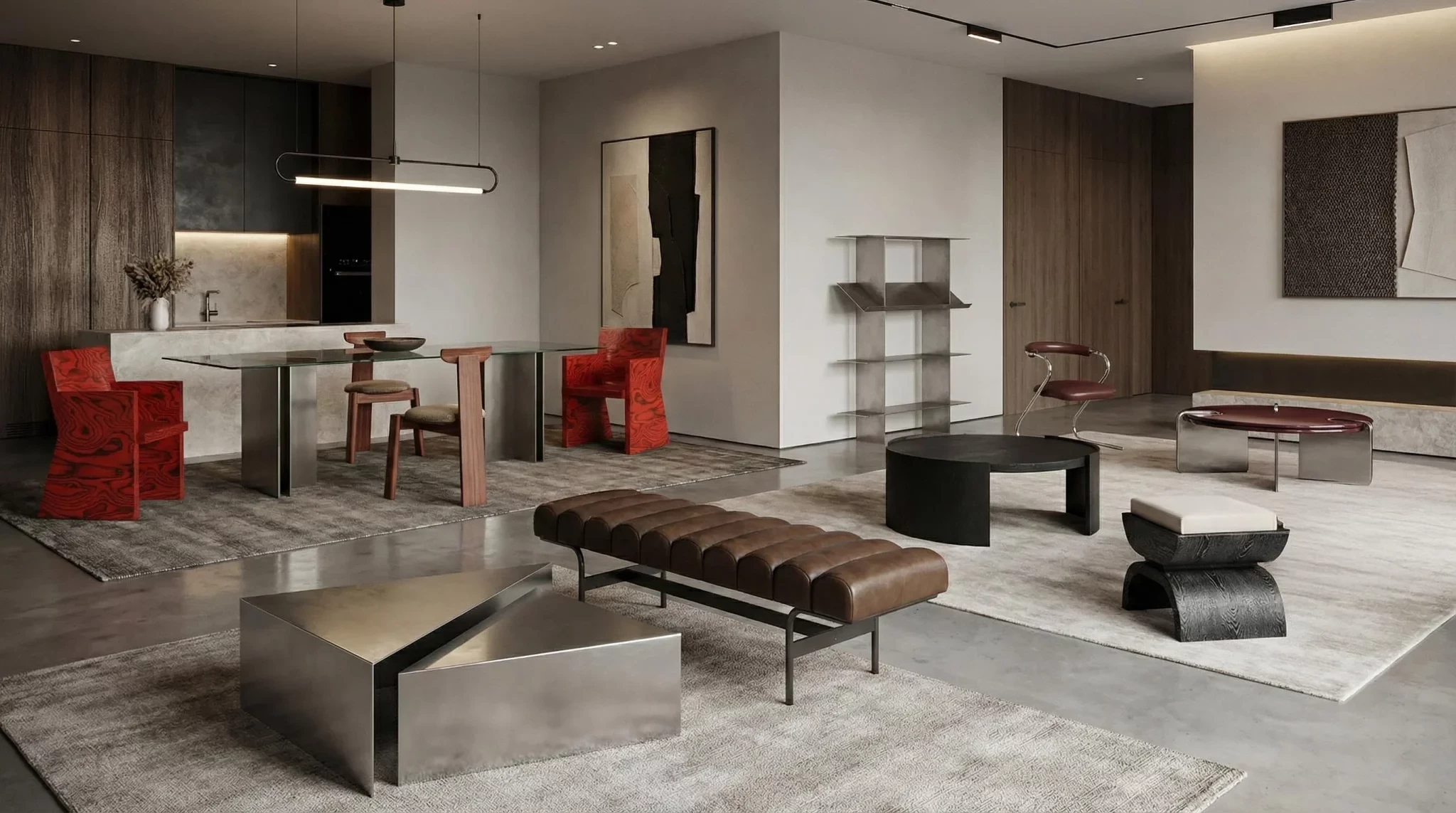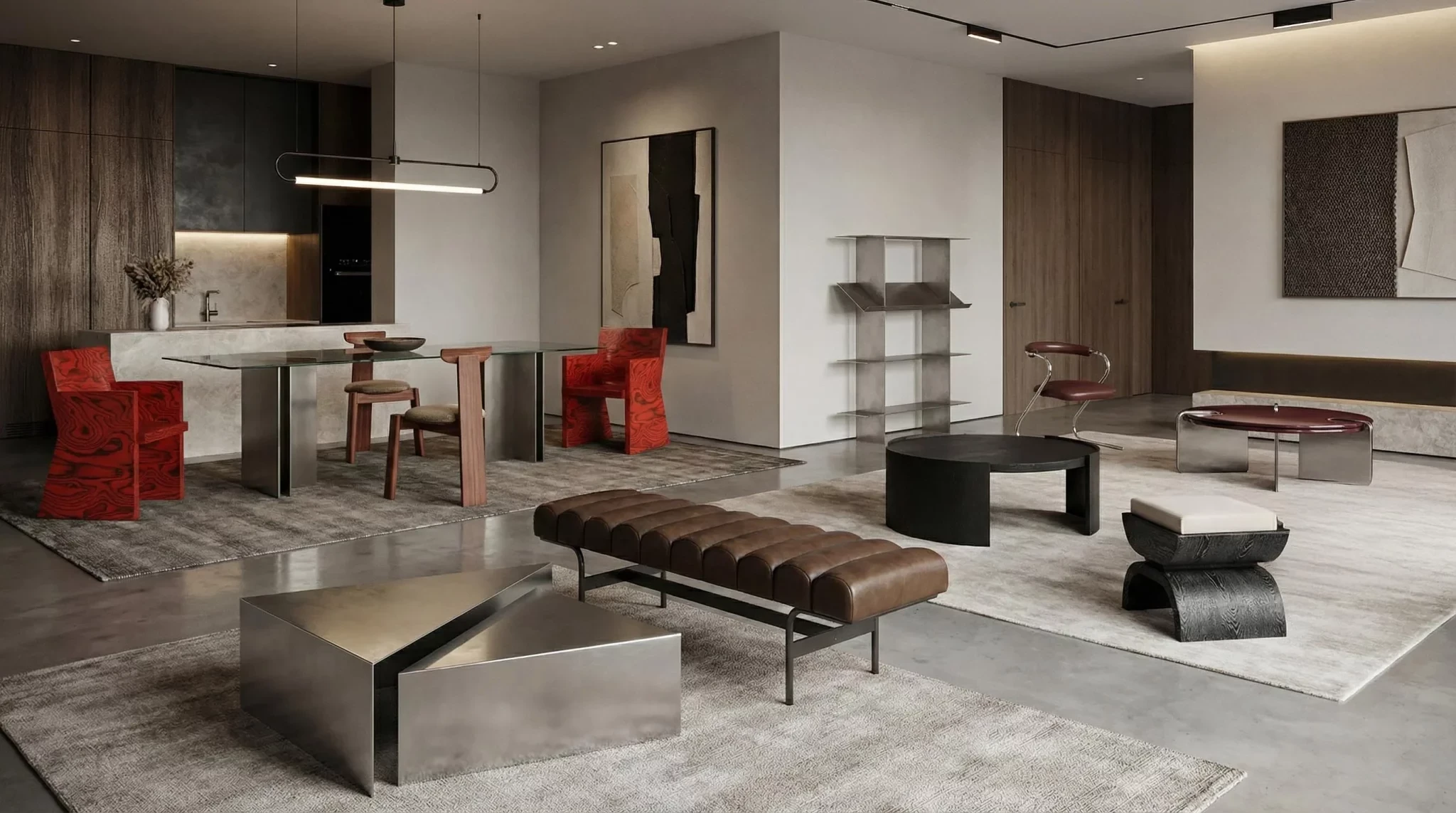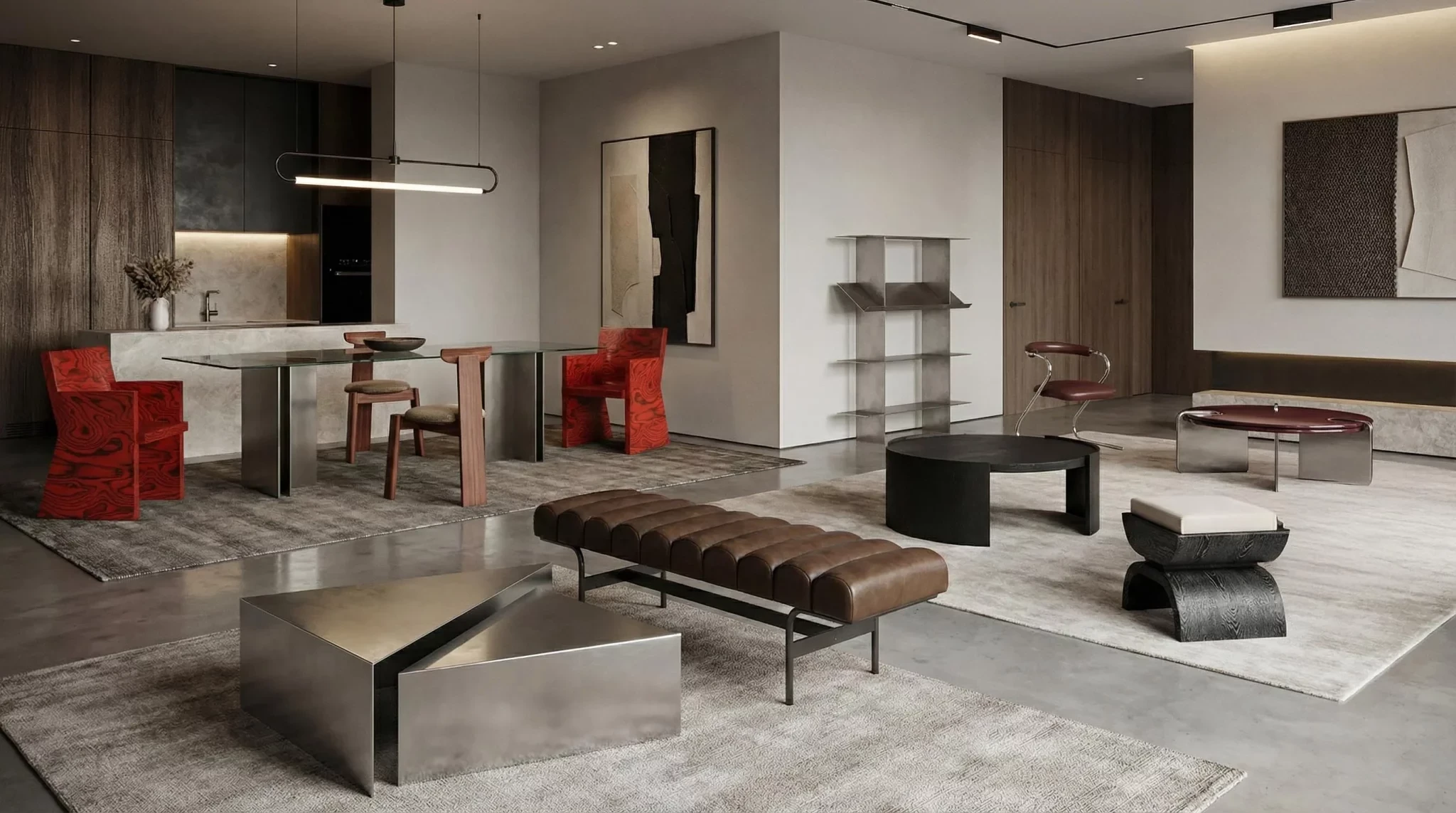
ISTANBUL, TÜRKİYE — In an era dominated by mass production, automated supply chains, and fleeting furniture trends, a quiet revolution is taking shape in the design ateliers of Türkiye. Regen Studio, a boutique furniture brand and design practice founded by a visionary architect, is bridging the gap between structural engineering and bespoke handcraft. Eschewing the conventional playbook of scalable manufacturing, the studio has emerged as a beacon for collectors and interior architects alike, proving that objects can carry the profound weight of spatial atmosphere.
Rather than beginning with a marketing launch or a commercial strategy, Regen Studio was born out of an organic continuity—a distinct design sensibility that kept recurring across varied architectural projects in custom-built pieces meant to solve specific spatial puzzles. Today, this philosophy has blossomed into an independent brand creating strictly made-to-order, highly collectible furniture crafted by master local artisans.
1. Main Facts: The Anatomy of Regen Studio
At its core, Regen Studio operates on a singular premise: furniture is not a secondary addition to a room; it is an architectural extension of it.
- Founding & Location: Based in Türkiye, the studio was established as an independent practice born from an architect’s ongoing spatial investigations.
- Production Model: 100% made-to-order, handcrafted exclusively by skilled local artisans. No mass production or industrial scaling.
- Design Philosophy: A seamless blend of mid-century modern sensibilities, forgotten historical crafting techniques, and rigorous architectural proportions.
- Flagship Piece: The Kira Chair—a statement of root veneer and bold red polish that encapsulates the brand’s balance of restraint, sculptural presence, and personalized luxury.
- Lead Time & Customization: Pieces are fully customizable (including bespoke polish colors), with a standard delivery window of 2 to 4 weeks.
The studio’s work is collectible in the truest sense of the word: made once, made well, and engineered to outlive the trends of the digital age.
2. Chronology: The Evolution from Blueprint to Brand
The trajectory of Regen Studio reads less like a traditional corporate startup story and more like the evolution of a design language.
Phase I: The Architectural Genesis
Years before the brand had a name, its founder was deep in architectural practice. Her day-to-day work involved designing buildings, interiors, and—crucially—custom furniture pieces designed to solve isolated spatial problems for specific clients. A narrow hallway might require a credenza of exact, non-standard dimensions; a high-ceilinged salon might demand a chair that anchored the room without blocking sightlines.

Phase II: The Emergence of a Shared Logic
Over time, a pattern began to emerge. Across entirely different client briefs and spatial typologies, the custom pieces shared a common DNA. They relied on the same underlying logic of proportion, the same reverence for raw materials, and the same instinct for how a physical object alters the psychological atmosphere of a room. This unintended stylistic consistency became impossible to ignore.
Phase III: Liberation from the Brief
Recognizing that these bespoke creations possessed an independent life outside of specific client constraints, the founder made the pivotal decision to give this continuity a name and a structure. Regen Studio was officially born. By stepping away from the restrictions of standard client commissions, the studio freed its design language to evolve wherever its intrinsic logic led.
Phase IV: The Contemporary Atelier
Today, Regen functions as a collaborative hub between modern design theory and traditional Turkish craftsmanship. By partnering directly with local workshops, the studio has built a sustainable ecosystem where ancient woodworking and finishing techniques are preserved, revitalized, and recontextualized for modern interiors.
3. Supporting Data: Materiality, Dimensions, and the Craft
To understand Regen Studio is to understand its deep-seated obsession with materials. The studio treats wood, metal, color, and texture not merely as components of construction, but as emotional mediums.
The Influence of Mid-Century Modernism and Forgotten Techniques
Regen draws heavy inspiration from the mid-century modern movement, specifically admiring its harmonious balance of organic form, functional clarity, and honest use of materials. However, the studio’s historical scope is broader still. Regen actively seeks out forgotten craft techniques—methods of joining, finishing, and treating wood that were once industry standards before being phased out by mass-market efficiency.
By reinterpreting these lost arts through a contemporary lens, the studio creates a temporal dialogue. The objects do not scream for historical nostalgia; rather, they bridge the gap between historical wisdom and modern minimalism.

The Spotlight: The Kira Chair
The physical manifestation of Regen’s philosophy is best observed in the Kira Chair, a masterclass in restrained boldness.
- Materials: Constructed from premium wood veneer featuring an intricate root veneer surface, finished with a striking, high-gloss bold red polish.
- Dimensions: 88 × 56 × 63 cm.
- Proportions: Engineered with architectural precision, the chair possesses a commanding presence that avoids feeling overly theatrical.
- Customization: Fully customizable in any polish color, allowing the chair to act as a chameleon or a centerpiece depending on the collector’s interior palette.
+-------------------------------------------------------------+
|                     THE KIRA CHAIR SPECIFICATIONS           |
+----------------------+--------------------------------------+
| Dimension            | 88cm (H) x 56cm (W) x 63cm (D)       |
| Primary Material     | Wood Veneer with Root Veneer Surface |
| Finish               | Bold Red Polish (Fully Customizable) |
| Craftsmanship        | 100% Handcrafted in Türkiye          |
| Production Lead Time | 2 to 4 Weeks (Made-to-Order)         |
+----------------------+--------------------------------------+
As the studio frequently notes, the Kira chair does not shout for attention; it simply refuses to be ignored. It is designed not for a commercial product catalogue, but for a specific human life, acting as a physical mirror for the person who chooses to live with it.
4. Official Perspectives and Studio Philosophy
In statements regarding their design ethos, Regen Studio representatives consistently emphasize that limitations are not obstacles—they are the very framework of creativity.
"Many of our pieces first emerged under real pressure—time, space, and material limitations within complex architectural projects," notes the studio. "Those limitations became a source of precision. They pushed us toward more thoughtful, more exact solutions. Constraints and context are never obstacles to the creative process; they are essential parts of it."
This perspective redefines how furniture is conceptualized. In standard industrial manufacturing, design takes place in a vacuum, completely divorced from the physical realities of the end-user’s space. Regen flips this dynamic on its head. Every piece begins with context: How will this object inhabit a room? What kind of emotional atmosphere should it anchor? Only after these architectural questions are answered does the studio move into form, color, and texture.
Furthermore, the studio refuses to relegate craftsmanship to a mere "finishing step." In Regen’s workshops, the artisan is a co-creator from the very first sketch. The hands-on, iterative process of drawing, making, refining, and adjusting ensures that every curve and joint carries the subtle, irreplaceable mark of human touch.

5. Implications: The Shift Toward Slow Design
The rise of Regen Studio signals a broader, much-needed shift within the global design and interior architecture communities.
The Rejection of Fast Furniture
For decades, the interior design market has been flooded with disposable, trend-chasing "fast furniture" designed for rapid turnover and cheap shipping. This hyper-commercialized ecosystem has left consumers drowning in homogenized spaces devoid of narrative or soul. Regen Studio’s commitment to non-scalable, hand-to-order production flies directly in the face of this trend, championing the principles of the Slow Design movement: ecological sustainability, cultural continuity, localized production, and emotional durability.
The Re-Enchantment of the Interior
When a piece of furniture is made-to-order by a local artisan using root veneer and hand-applied polish, it ceases to be a mere utility item. It becomes an heirloom. By treating furniture as an architectural intervention, Regen encourages homeowners and designers to view their living spaces not as showrooms to be filled, but as curated ecosystems that influence human behavior, mood, and well-being.
Economic Support for Local Artisans
By anchoring its entire supply chain in Türkiye’s rich heritage of localized artisanship, Regen Studio does more than produce beautiful objects—it actively preserves endangered trade skills. By providing steady, meaningful work to master craftspeople, the studio helps ensure that centuries-old woodworking and finishing techniques are passed down to new generations rather than lost to industrial automation.
Conclusion: A Quiet Legacy
Regen Studio’s journey from impromptu architectural solutions to an internationally watched boutique brand proves that the future of design does not lie in algorithmic mass production. It lies in the deliberate, thoughtful synthesis of space, material, and human touch.
For collectors, architects, and design enthusiasts looking to move beyond the superficial trends of the digital age, Regen offers something rare: objects that possess a soul, built with a precision that honors the past while fearlessly stepping into the future.