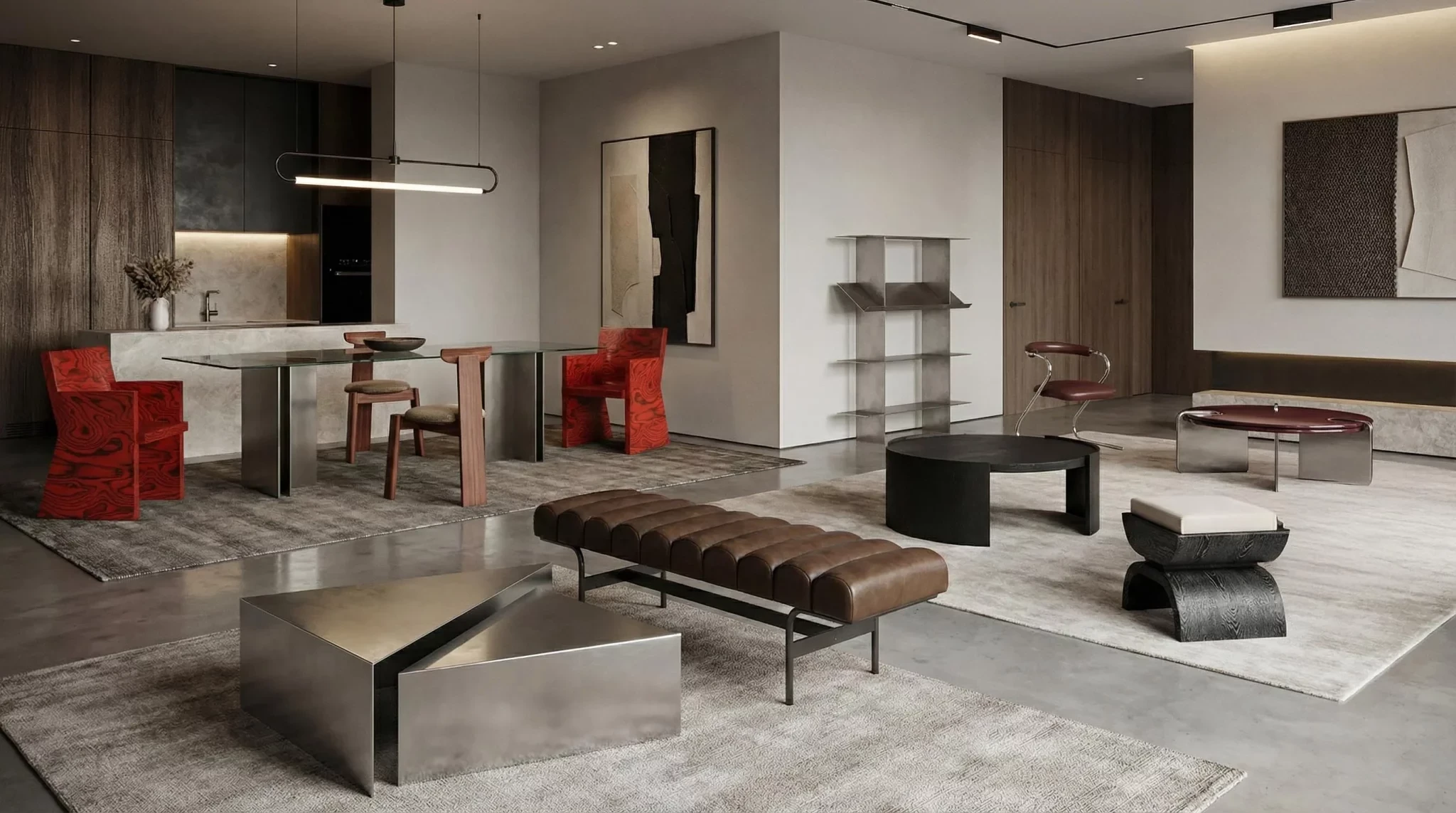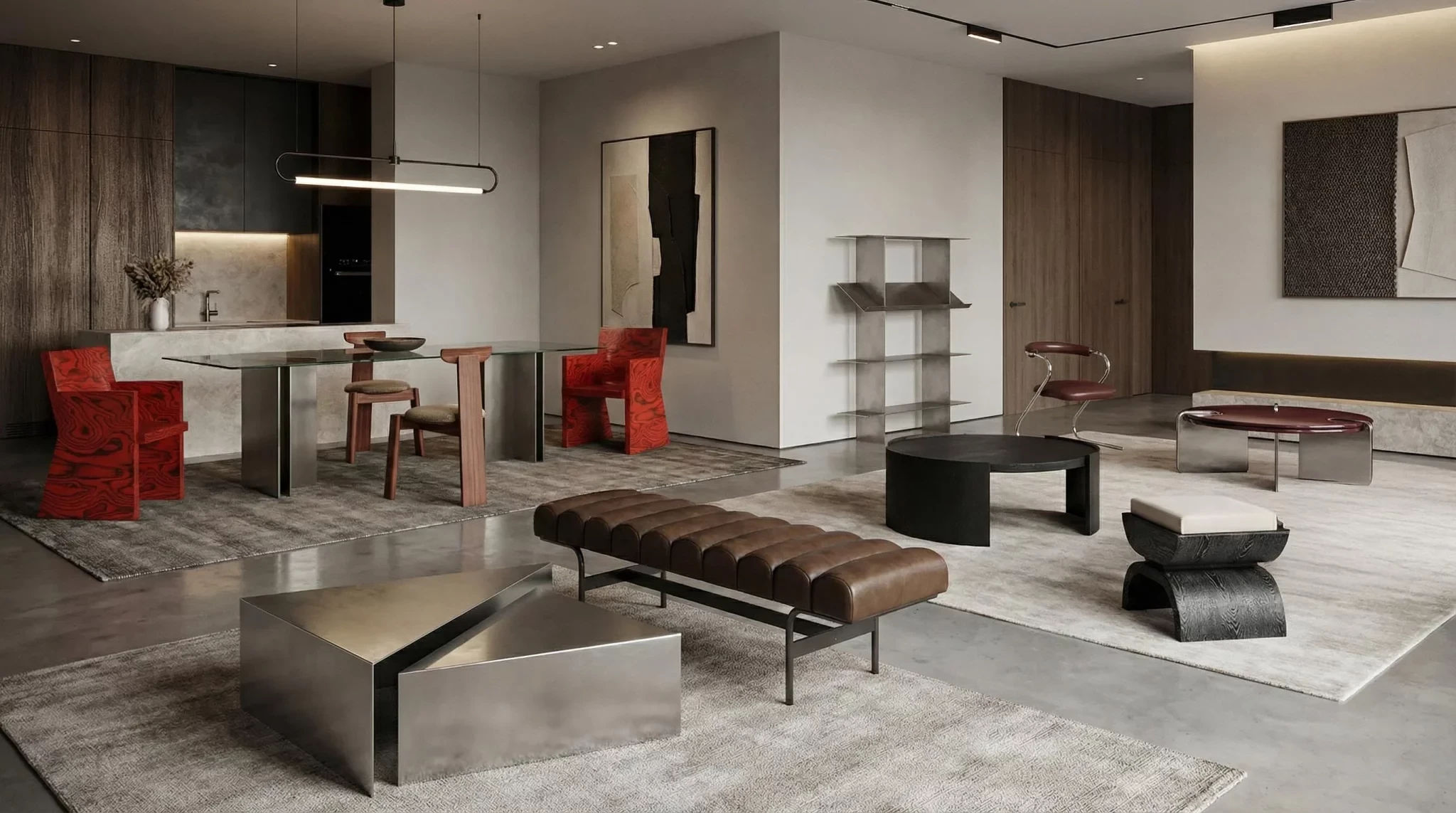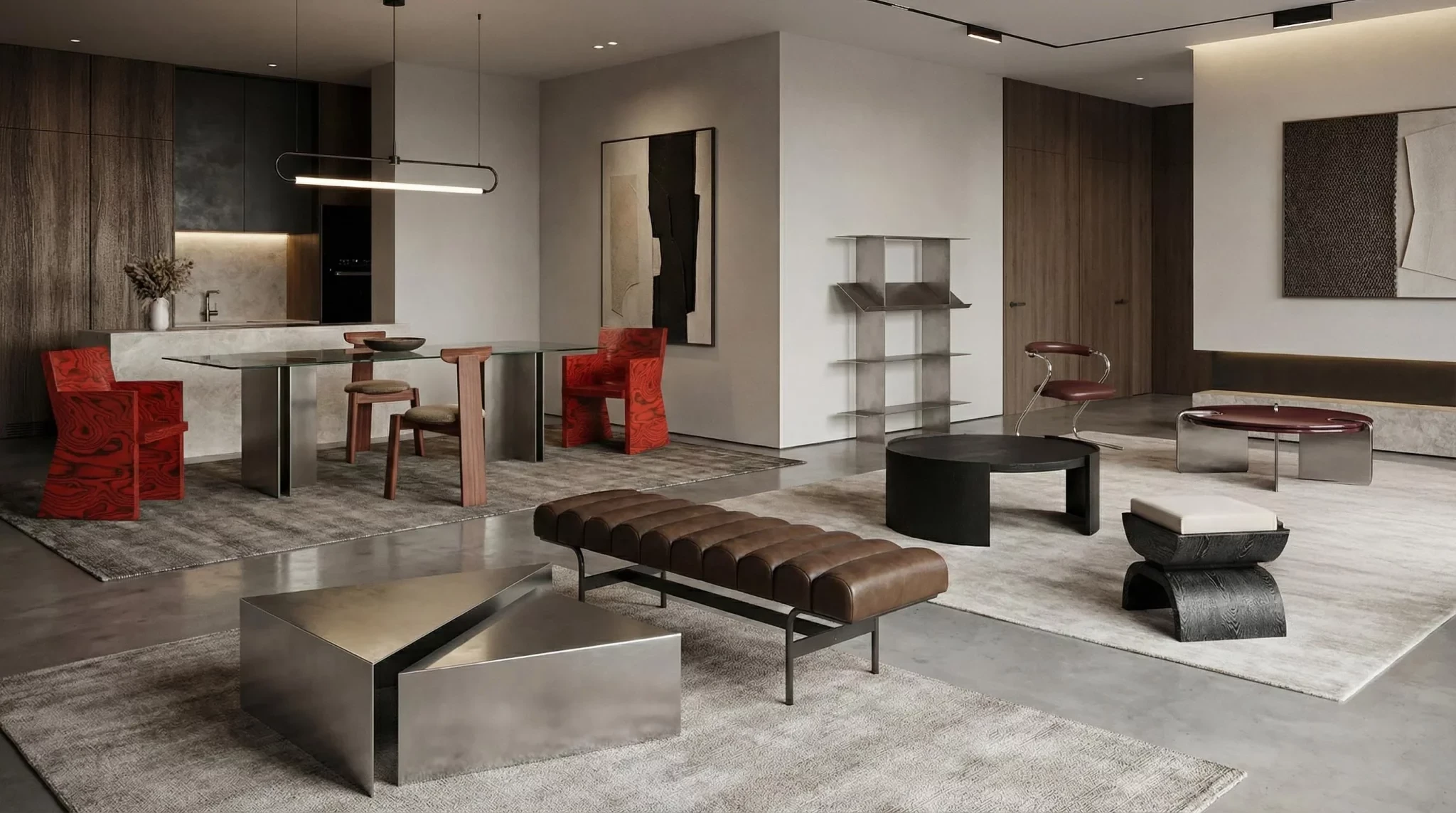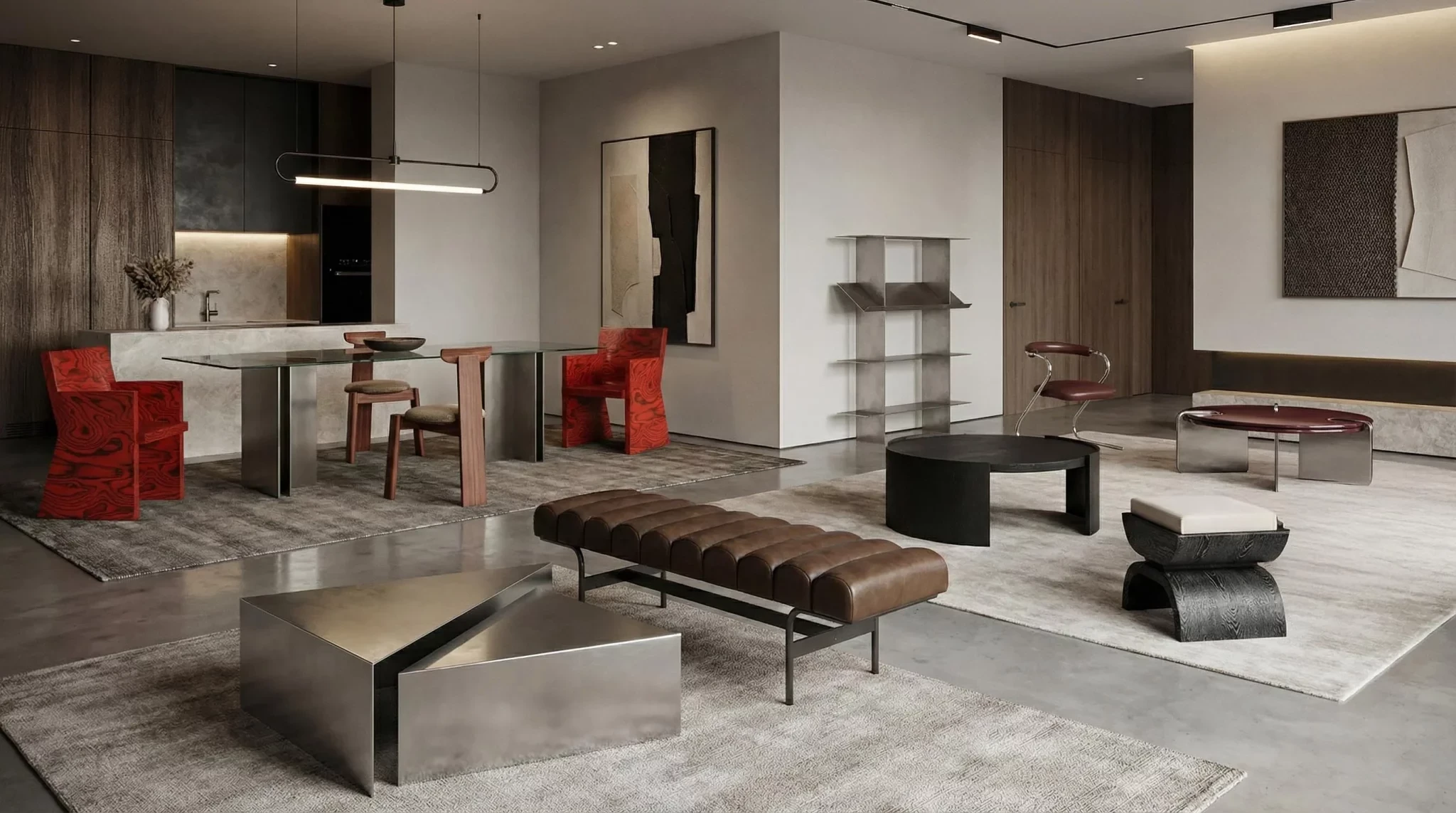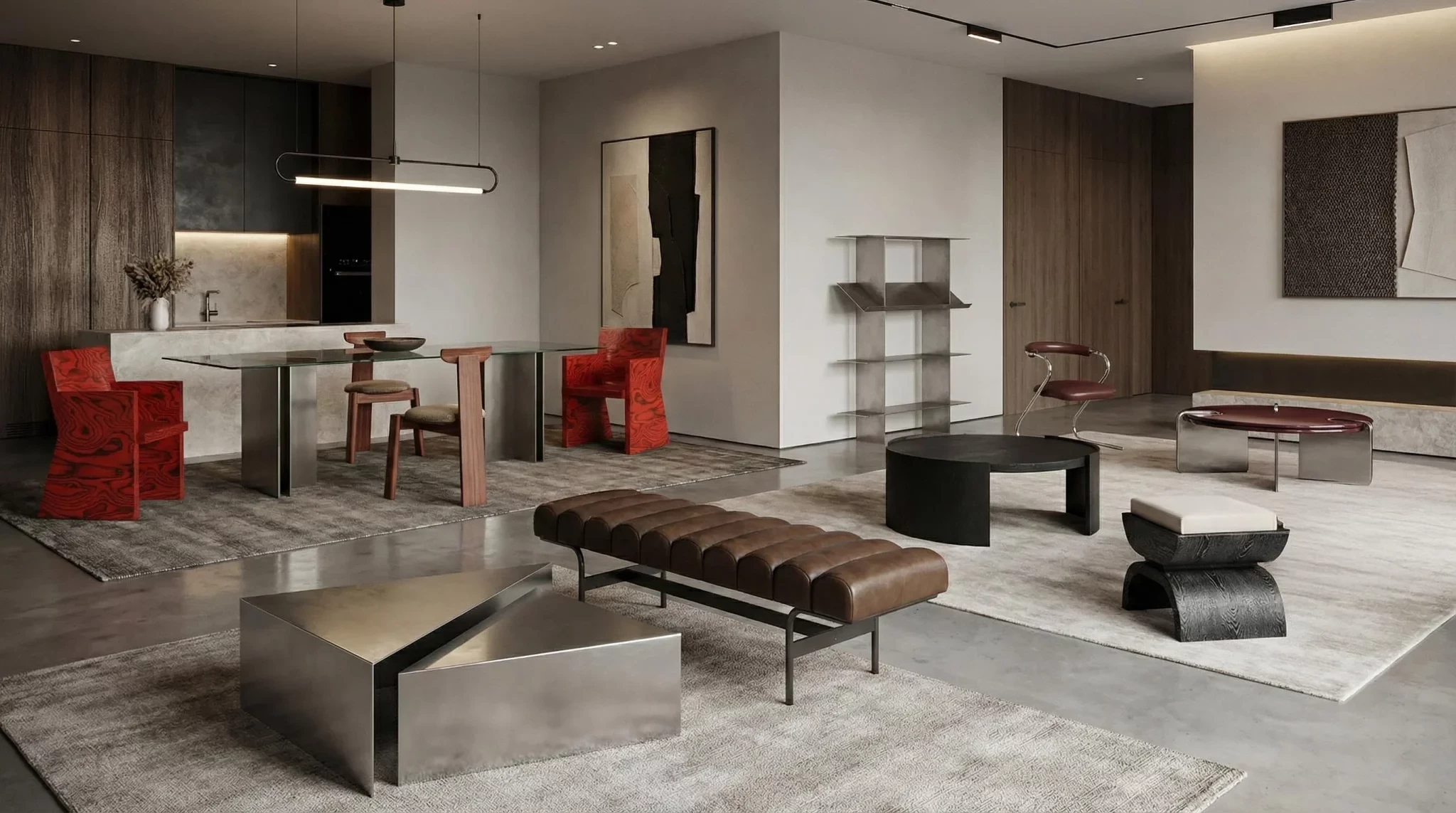
ISTANBUL — In the contemporary design landscape, the line between mass production and artisanal creation has grown increasingly blurred. Yet, every so often, a practice emerges that completely rejects industrial scaling in favor of uncompromised spatial integrity. Enter Regen Studio, a Türkiye-based design practice and furniture brand that is quietly turning heads across international design circles.
Born not from a grand commercial launch or a venture-backed marketing blitz, but from the organic accumulation of architectural problem-solving, Regen Studio represents a return to true collectibility. By merging rigorous architectural methodologies with the tactile mastery of local Turkish artisans, the studio is carving out a distinct niche where furniture is treated not as a standalone commodity, but as an extension of architecture itself.
1. Main Facts: The Anatomy of Regen Studio
At its core, Regen Studio operates on a philosophy that defies the modern impulse for mass manufacture. Nothing the studio produces is made at scale. Instead, every piece is meticulously made to order by skilled local artisans in Türkiye, embodying a standard of craftsmanship where the object is designed to last generations.
Key Highlights:
- Foundational Ethos: Rooted in an architectural approach to furniture design, prioritizing spatial harmony, proportion, and materiality.
- Production Model: 100% made-to-order, handcrafted by local Turkish artisans with delivery windows typically spanning two to four weeks.
- Design Influences: A thoughtful synthesis of mid-century modern organic forms paired with forgotten, traditional craft techniques.
- Flagship Piece: The striking Kira Chair—constructed from rich root veneer with a bold red polish, standing at 88 × 56 × 63 cm.
- Geographic Base: Istanbul and regional workshops across Türkiye, bridging traditional craftsmanship with contemporary global aesthetics.
The studio’s work belongs firmly in the realm of collectible design. These are pieces created once, made exceedingly well, and engineered to anchor the emotional atmosphere of a room.
2. Chronology: From Spatial Solutions to an Independent Voice
The genesis of Regen Studio is unconventional. It did not begin in a workshop with a sketchpad and a commercial strategy; rather, it evolved as an inevitable byproduct of architectural practice.
The Evolution Timeline:
- The Architectural Years: For years, Regen’s founder—trained as an architect—navigated complex spatial commissions. When standard market offerings failed to meet the specific spatial demands of individual projects, she began designing custom furniture pieces from scratch.
- The Point of Continuity: Over successive projects, a subconscious thread began to emerge. Though each piece was built to solve a unique problem in a distinct space, they all shared an unmistakable DNA: a unified language of proportion, material honesty, and atmospheric presence.
- The Inception of the Studio: Recognizing this undeniable continuity, the founder made the pivotal decision to give the aesthetic a permanent structure. Regen Studio was officially born, severing the umbilical cord of client briefs to pursue an independent, self-directed design language.
- The Contemporary Era: Today, Regen operates as both a boutique brand and a design laboratory, releasing limited, bespoke pieces that continue to challenge the boundaries between architecture, sculpture, and functional art.
3. Supporting Data: The Intersection of Craft, Material, and Constraint
To understand Regen Studio’s output, one must examine its foundational pillars: the maker’s mindset, the iterative process, and the embrace of creative constraints.

The Architectural Mindset
Furniture design, within the Regen framework, is architecture on a micro-scale. The designer approaches a chair or a table the same way she approaches a room or a building. Questions of load-bearing physics transform into questions of visual weight. Spatial relationships, human ergonomics, and the way an object absorbs or reflects light dictate the final silhouette. Wood, metal, color, and texture are treated as primary building materials.
[Architectural Concept]
       │
       ▼
[Spatial Context & Proportion]
       │
       ▼
[Material Exploration (Wood, Metal, Veneer)]
       │
       ▼
[Iterative Workshop Collaboration]
       │
       ▼
[The Final Handcrafted Object]
The Power of Constraint
In modern manufacturing, constraints are viewed as roadblocks to efficiency. For Regen Studio, constraints are catalysts for innovation. Many of the studio’s most iconic forms originated under severe real-world limitations—tight timelines, spatial restrictions, or scarce material availability within architectural jobs.
Rather than diluting the design, these limitations forced a level of surgical precision. They pushed the studio toward more thoughtful, exact solutions, proving the foundational studio philosophy: constraints are not obstacles to creativity; they are its essential scaffolding.
Materiality and the Mid-Century Dialogue
The studio draws heavy inspiration from mid-century modern design, specifically its celebration of organic forms, functional clarity, and honest material expression. However, Regen refuses to fall into the trap of nostalgic pastiche.
Instead, the team unearths forgotten techniques and materials once staples of traditional craftsmanship, reinterpreting them through a razor-sharp contemporary lens. The resulting pieces do not force a choice between past and present; rather, they foster a profound, silent dialogue across eras.
4. Official Perspectives: The Philosophy Behind the Object
While Regen Studio maintains an aura of quiet restraint, the insights shared by its founder offer a compelling window into the psychology of modern artisanal production.

"Furniture is never just an object filling an empty corner. It is a spatial anchor. When you design with architectural scale, you realize that an object holds or releases the atmosphere of an entire room."
— Founder, Regen Studio
Discussing the iterative nature of the workshop process, the studio emphasizes that craftsmanship is never merely a "finishing step." Artisans are integrated into the creative pipeline from the earliest conceptual sketches.
"Collaboration with the workshop is essential from day one. A sketch on paper is just an idea; it is the hand of the artisan—the way they understand the grain of the root veneer, the resistance of the wood—that gives the piece its soul and ultimate character."
On the subject of the studio’s breakout piece, the Kira Chair, the founder notes a deliberate rejection of fleeting design trends:
"The Kira chair does not shout for attention. It simply refuses to be ignored. It has the presence of something considered at an architectural scale—designed for a specific room, not a mass catalogue. Ultimately, a piece like Kira becomes a mirror of the person who lives with it."
5. Implications: What Regen Studio Means for the Future of Design
The rise of Regen Studio carries broader implications for the global furniture and interior design industries, particularly within emerging markets like Türkiye.

Shifting Away from Fast Furniture
As consumers grow increasingly fatigued by mass-market homogeneity and disposable Swedish flat-packs, a counter-movement is taking hold. Collectible, hand-made design offers an antidote to the hyper-consumerist cycle. By championing made-to-order models, studios like Regen prove that sustainable luxury lies in longevity, provenance, and emotional resonance.
Elevating Regional Craftsmanship
Türkiye has a rich, centuries-old heritage of textile, metal, and woodworking traditions. However, global recognition has historically skewed toward mass industrial output. By pairing high-concept architectural design with local artisanal mastery, Regen Studio helps reposition Türkiye as a formidable hub for high-end contemporary collectible design, rivaling traditional European powerhouses in Milan, Paris, and Copenhagen.
The Blurring of Disciplines
As architects increasingly step into the realm of object design, interiors are becoming more cohesive, poetic, and immersive. Regen’s trajectory suggests that the future of interior architecture belongs to total designers—creatives who view a building, a room, and a chair as interconnected scales of the same human experience.
The Ultimate Hint: The Kira Chair Experience
For collectors, interior architects, and design purists looking to introduce a piece of Regen Studio’s distinct spatial poetry into their environments, the specifications speak for themselves:
- Object: Kira Chair
- Maker: Regen Studio (Türkiye)
- Materials: Root veneer surface, wood veneer construction, customisable vibrant polish options (including the signature bold red).
- Dimensions: 88 × 56 × 63 cm
- Production: 100% handcrafted and made to order by local artisans.
- Lead Time: 2–4 weeks.
In a world saturated with noise, Regen Studio offers a refreshing alternative: objects that possess quiet confidence, structural integrity, and a timeless architectural grace.