Long before the glow of digital screens dictated our schedules and standardized solar calendars flattened the rhythm of the year, human beings looked up at the night sky and synchronized their lives with the celestial clockwork of the moon. Across North America, Indigenous peoples developed sophisticated timekeeping systems that intertwined lunar cycles with meticulous ecological observations. Far from being mere poetic monikers, names like the Wolf Moon, Strawberry Moon, and Beaver Moon represent a living archive of tribal wisdom, ecological stewardship, and a profound connection to the natural world.
Today, while mainstream society relies predominantly on the Gregorian calendar, the enduring legacy of traditional moon names survives in almanacs and popular culture. Yet, behind every familiar title lies a deep history of cultural adaptation, regional diversity, and indigenous science that continues to resonate in the modern era.
Main Facts: The Intersection of Astronomy and Ecology
The traditional full moon names widely recognized today are the product of a rich cultural synthesis, rooted primarily in the traditions of the Algonquian-speaking tribes whose ancestral homelands stretched from New England to the Great Lakes. Among these, the Ojibwe (Chippewa)—one of the largest Algonquian nations—played a pivotal role in preserving lunar traditions tied to birchbark harvesting, copper trade, wild rice gathering, and maple sugaring.
In Anishinaabe tradition, the moon is known as Nookomis Dibik-Giizis, or Grandmother Moon, revered as a principal teacher and guide. Unlike the fixed, 12-month solar grid used in contemporary Western society, traditional Indigenous calendars were remarkably flexible. Depending on the tribe, a year might be structured around four or five seasons, tracking either 12 or 13 lunar cycles. This adaptability allowed Indigenous communities to fine-tune their calendars to the specific ecological realities of their local environments.
Colonial settlers arriving in North America observed these timekeeping methods and adapted many of the Indigenous names, blending them with European folklore—such as Celtic and Old English traditions—to navigate their new environment. Consequently, the modern lexicon of full moon names serves as a bridge connecting historical Indigenous ecological knowledge with contemporary stargazing.
Chronology and Evolution: A Journey Through the 13 Moons
The cycle of the moon mirrors the cyclical nature of survival, renewal, abundance, and preparation. Each moon marks a distinct chapter in the ecological calendar.
Winter Moons: Survival and Endurance
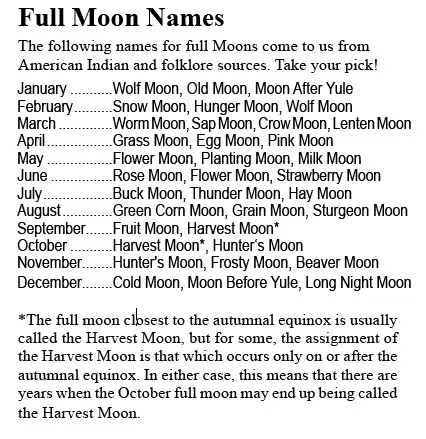
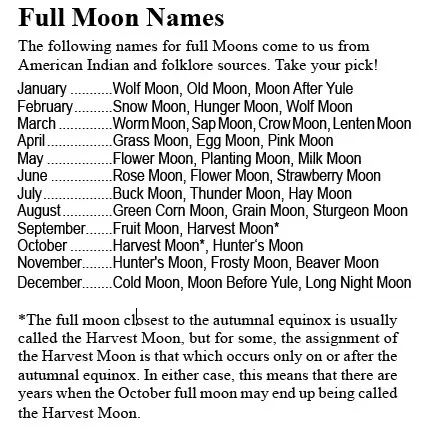
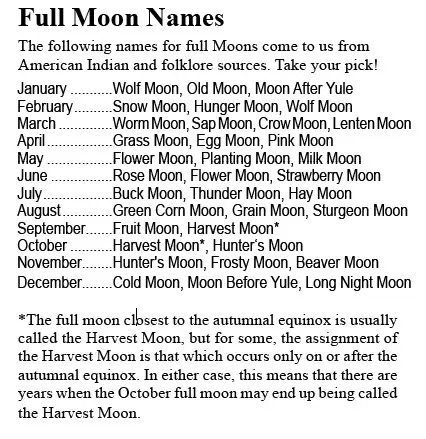
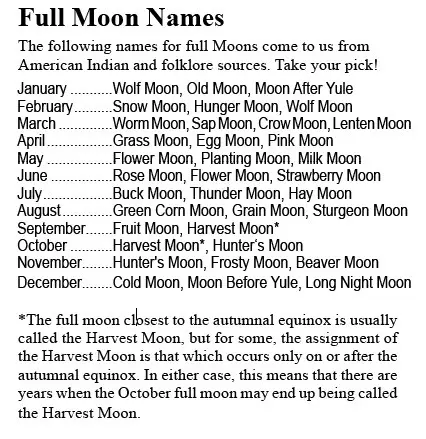
- January – Wolf Moon / Severe Moon: While European settlers brought the term "Wolf Moon" from Old English and Celtic origins—evoking the haunting howls of hungry midwinter wolves—Native American traditions often named this period the Severe Moon or Center Moon, acknowledging the brutal realities of surviving the deepest part of winter.
- February – Snow Moon / Hunger Moon / Bear Moon: Marking winter’s peak intensity, this moon carried names reflecting scarcity, such as the Hungry Moon, or new life, like the Bear Moon, which signifies the birth of bear cubs. The Ojibwe traditionally named this moon after the sucker fish, a critical resource for late-winter subsistence.
Spring Moons: Renewal and Growth
- March – Worm Moon / Crow Moon / Sap Moon: As temperatures rise, the ground softens, earthworm casts reappear, and robins return. Northern tribes frequently called this the Full Crow Moon due to the cawing of crows signaling winter’s retreat, while others marked it as the Sap and Sugar Moon for the running of maple sap.
- April – Pink Moon / Breaking Ice Moon: Named after the vibrant pink phlox wildflowers blooming across early spring landscapes, April’s moon also signaled the boiling of maple sap, spring thaws, and the emergence of green shoots, referenced by tribes as The Moon of the Red Grass Appearing.
Summer Moons: Abundance and Activity
- May – Flower Moon / Planting Moon: With spring in full swing, this moon celebrates blossoming flora and marks the critical window for planting corn and other staple crops.
- June – Strawberry Moon / Fish Moon: Signifying a time of natural abundance, the ripening of wild strawberries coincided across many tribal nations. Coastal communities also dubbed it the fish moon, as shad began their upstream migration.
- July – Buck Moon / Thunder Moon: During this cycle, male deer regrow their antlers at peak velocity. Frequent summer thunderstorms also earned it the title Thunder Moon, mirroring Celtic names like the Claiming Moon and Herb Moon.
- August – Sturgeon Moon / Rice Moon: For Great Lakes tribes, this moon signaled the peak catch of sturgeon. Crucially, for the Anishinaabe, it marks Manoomini-giizis—the sacred season for harvesting wild rice, an activity steeped in cultural and ritual significance.
Autumn Moons: Harvest and Preparation
- September – Harvest Moon: Occurring closest to the autumnal equinox, this moon illuminates the gathering of primary agricultural staples, including corn, beans, squash, and pumpkins.
- October – Hunter’s Moon: With fields cleared of crops and deciduous trees shedding their leaves, game animals fattened from the summer months were more easily tracked, making this the optimal hunting season.
- November – Beaver Moon: As swamps began to freeze, beavers actively reinforced their lodges for winter. This period also signaled trappers to secure warm winter pelts before the deep freeze.
- December – Cold Moon / Long Night Moon: Bringing the heaviest snows and longest nights, this moon marked the return of extreme survival challenges, sometimes referred to again as the Hunger Moon.
Supporting Data and Regional Variations
With 576 federally recognized Native American tribes in the United States alone—alongside numerous First Nations in Canada—the diversity of lunar nomenclature is vast. Environmental factors created distinct regional naming conventions. For instance, a tribe in southeastern Ontario experienced vastly different ecological cues than a community in North Dakota during the same lunar cycle.
The Anishinaabeg people continue to utilize Gookomisinaan dibik-giiziso-mazina’igan (a traditional lunar calendar) to guide their cultural practices. Historical data preserved by ethnobotanists and tribal elders demonstrates that these names were never static; they functioned as empirical data points. When unseasonable weather shifted plant blooms or animal migrations, traditional knowledge systems adapted dynamically.

Comparatively, medieval European cultures maintained parallel systems—such as the "mead moon," "grain moon," and "barley moon"—highlighting a universal human impulse to link celestial phenomena with agricultural and ecological milestones. However, the depth of Indigenous nomenclature remained uniquely tied to sustainable kinship with local flora and fauna.
Official Responses and Contemporary Perspectives
Modern institutions, from educational bodies to agricultural organizations, increasingly emphasize the importance of recognizing the Indigenous origins of lunar names.
Cultural preservationists and tribal historians stress that using terms like "Wolf Moon" or "Strawberry Moon" without acknowledging their roots risks cultural appropriation and erases the rigorous scientific observation behind them. Scholars argue that these names are not mere folklore, but rather a sophisticated form of Traditional Ecological Knowledge (TEK).
"These names represent thousands of years of accumulated data regarding climate, biology, and astronomy," notes a cultural researcher specializing in Great Lakes Indigenous history. "When we teach children about the phases of the moon, incorporating the tribal context transforms astronomy from a cold, distant science into an exercise in environmental literacy and cultural respect."
Furthermore, environmental scientists are looking to Indigenous methodologies to understand climate change impacts. Because traditional lunar calendars are tethered to ecological events, shifts in seasonal markers—such as maple sap running weeks earlier than historical averages—provide frontline indicators of broader environmental disruptions.
Implications: The Living Tradition and Modern Relevancy
As global society confronts escalating ecological crises, the philosophy embedded within Indigenous lunar calendars offers vital lessons in sustainability. The traditional practice of naming moons encourages modern observers to pay closer attention to their local environment rather than relying solely on abstract, digital timekeeping.
How Modern Nature Enthusiasts Can Honor Lunar Wisdom:
- Contextualize Stargazing: Research the specific Indigenous nations whose ancestral lands you inhabit, learning their traditional names and stories associated with local lunar cycles.
- Observe Local Ecology: Pair moon-watching with tracking local biological events—such as the first frost, tree budburst, or animal migrations—fostering a deeper mindfulness of seasonal shifts.
- Support Tribal Sovereignty: Advocate for and support Indigenous-led environmental initiatives that protect the ecosystems which inspired these ancient calendars.
Ultimately, the tradition of lunar naming remains a living bridge to the past. By honoring the cultural heritage behind full moon names, contemporary society can cultivate a richer, more respectful relationship with both the cosmos above and the fragile ecosystems sustaining life on Earth.