










ROCCA DI PAPA, ITALY — In a landmark decision for classical archaeology and the preservation of ancient landscapes, the Italian government has extended robust new legal protections to Monte Cavo. Rising dramatically within the Alban Hills southeast of Rome, this historic peak—known to the ancients as Mons Albanus—was once the beating religious and political heart of Latium, crowned by the legendary Temple of Jupiter Latiaris.
The move, spearheaded by Italy’s Ministry of Culture alongside the Soprintendenza Archeologia, Belle Arti e Paesaggio, formally designates the monumental and archaeological complex of Monte Cavo, the ancient Via Sacra, and the nearby meadows of Prato Fabio as an area of “particularly important cultural interest.”
This critical administrative classification places the entire geographic and historical nexus under the rigorous strictures of Italy’s Cultural Heritage Code. By tightening regional and national oversight, the decree aims to halt decades of environmental degradation, stem unauthorized modern development, and rescue a foundational site of Western civilization from infrastructural clutter.
Main Facts
The newly minted heritage designation fundamentally changes the legal landscape for Monte Cavo and its surrounding environs. Under the decree, the mountain is recognized not merely as a collection of scattered ruins, but as an integrated archaeological and natural ecosystem.
- The Core Protected Area: The decree covers the summit zone of Monte Cavo, the surviving stone-paved remnants of the ancient Via Sacra (Sacred Way), and the adjacent Prato Fabio.
- Direct and Indirect Safeguards: Direct restrictions apply strictly to archaeological remnants and the immediate summit zone. However, the designation also extends "indirect protections" into the surrounding woodlands and slopes, acknowledging that the environmental and topographical setting is inseparable from the ancient sanctuary’s historical meaning.
- Regulatory Oversight: Any major activities—including tree removal, substantial excavation, roadwork, and new construction—now legally require explicit, rigorous authorization from national and regional heritage authorities.
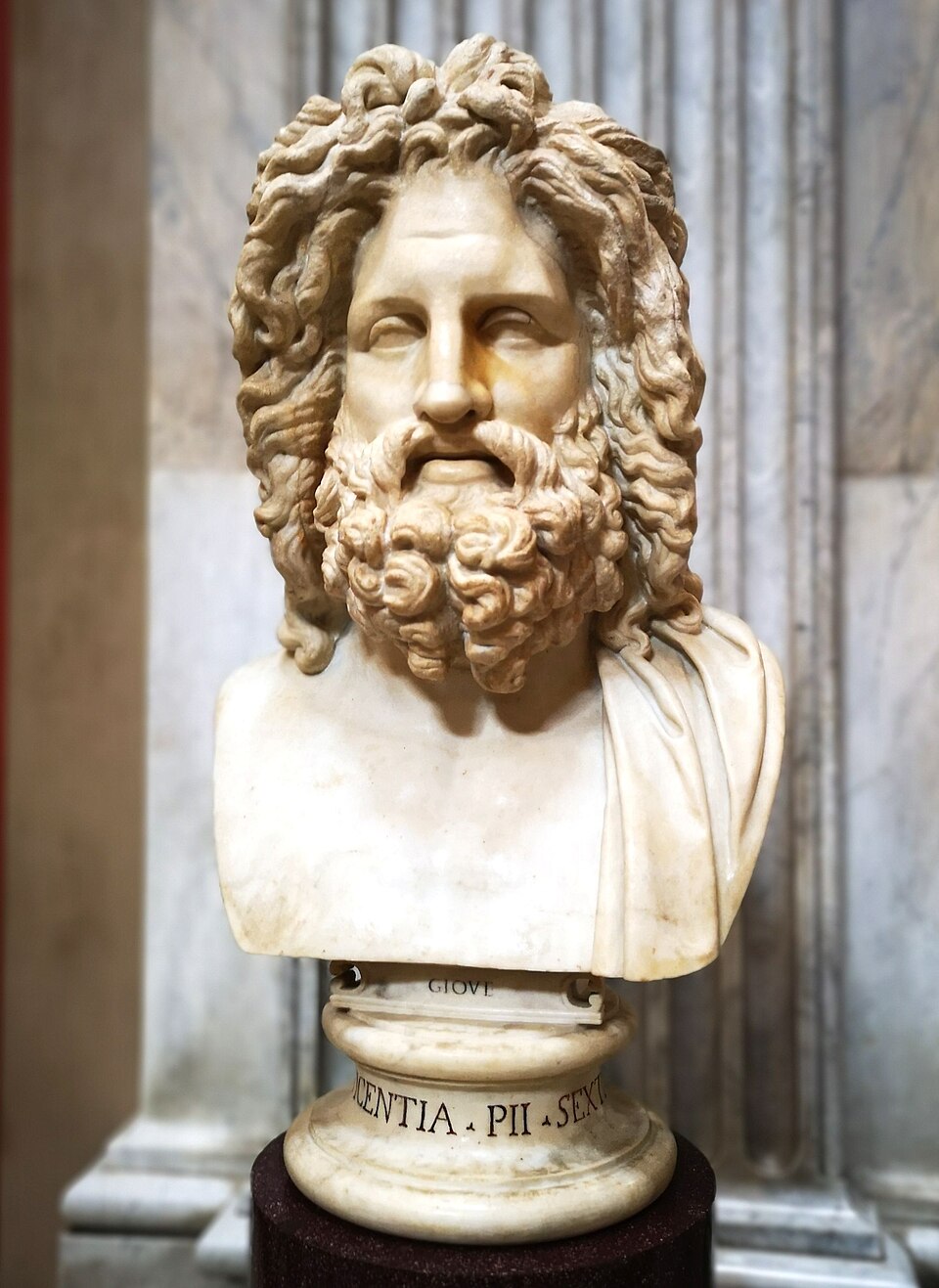
- The Historical Stakes: Monte Cavo was the focal point of the Feriae Latinae (Latin Festival), where representatives of the ancient Latin League gathered annually to reaffirm tribal bonds, negotiate peace, and offer sacrifices to Jupiter Latiaris (Jupiter of the Latins) before Rome rose to regional hegemony.
Despite its towering historical significance, the mountain’s modern reality has been far from majestic. For decades, the summit has been heavily crowded with telecommunications towers, broadcast antennas, and aging military installations, while public access to the peak itself has remained severely restricted. The Ministry of Culture’s intervention provides preservationists with the legal leverage needed to begin reversing this commercial and industrial encroachment.
Chronology: From Ancient Sanctuary to Modern Struggle
To understand the weight of Italy’s recent decree, one must trace the long, layered history of Monte Cavo—a timeline spanning nearly three millennia of religious evolution, political transformation, and, latterly, modern neglect.
Antiquity: The Cradle of Latium
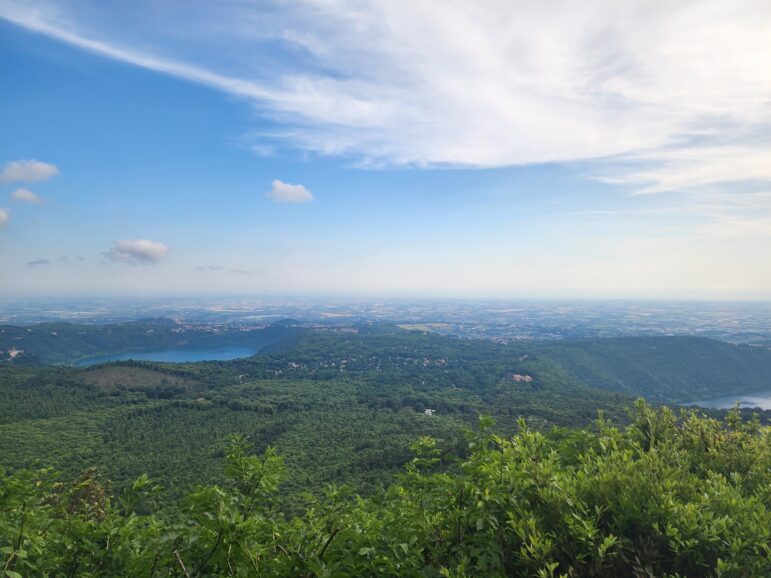
- Pre-Roman Era: Long before the foundation of Rome, Monte Cavo served as the supreme sanctuary for the Latin League, a coalition of independent Latin towns and tribes. The summit of Mons Albanus was chosen for its commanding views of the Tyrrhenian coast, the Alban lakes (Lake Albano and Lake Nemi), and the sprawling plain of Latium.
- The Feriae Latinae: Every year, delegates from across Latium climbed the mountain along the newly paved Via Sacra to participate in the Latin Festival. They sacrificed a white bull to Jupiter Latiaris, sharing the sacrificial meat to cement political alliances and divine favor.
- Roman Integration: As the Roman Republic subjugated its Latin neighbors, Rome did not destroy the sanctuary; instead, it co-opted it. Roman magistrates and victorious generals continued to celebrate triumphs or hold minor celebrations (ovations) on the mountain when they were denied formal triumphs in Rome.
The Medieval and Early Modern Eras: Christianization
- The Middle Ages: As pagan worship waned, the classical temples of the Roman world were systematically dismantled or repurposed. By the early medieval period, a church dedicated to Saint Peter was established on the summit of Monte Cavo, utilizing stones and foundations scavenged from the ancient Roman temple.
- The Monastic Era: In the 18th century, the site underwent another transformation when a monastery was built atop the peak. Initially occupied by the Order of the Most Holy Trinity (Trinitarians), the complex was later handed over to the Passionist Fathers, who inhabited the monastery until the mid-20th century, adding yet another architectural layer to the ancient stratigraphy.
The Late 20th and Early 21st Centuries: Antennas and Activism
- The Telecommunications Boom: In the latter half of the 20th century, the isolated, high-altitude peak of Monte Cavo became a prime location for commercial television and radio broadcasting. Dozens of telecommunications towers sprouted across the summit, profoundly altering the historical skyline and scarring the archaeological zones.
- 2020 — The Preservationists Mobilize: Citing decades of official inertia, the Comitato Promotore per una Legge per il Monte Albano (Promoting Committee for a Law for Monte Albano) launched a vigorous public campaign. Denouncing the industrialization of the sacred mountain as a "scandal of European dimensions," the committee demanded government intervention, the removal of unauthorized infrastructure, and comprehensive archaeological exploration.
- August 2026 — Ministry Intervention: Responding to sustained pressure from local advocates, historians, and environmentalists, Italy’s Ministry of Culture and local superintendency formally issue the comprehensive heritage protection decree, establishing a new legal framework for the mountain’s future.
Supporting Data & Geographical Context
Monte Cavo’s geography is deeply tied to its historical selection as a sacred site. Rising approximately 950 meters (3,117 feet) above sea level, the volcano is part of the Alban Hills (Colli Albani) complex, an extinct volcanic range situated within the Roman Campagna.
| Geographical & Archaeological Feature | Description & Significance |
|---|---|
| Summit Elevation | ~950 meters; provides panoramic sightlines stretching from the Apennine Mountains to the Tyrrhenian Sea. |
| The Via Sacra | An ancient basalt-paved Roman road winding up the mountain; surviving segments display sophisticated ancient engineering. |
| Surrounding Hydrology | Overlooks Lake Albano (crater lake, traditional summer papal retreat) and Lake Nemi (famous for ancient Roman pleasure barges). |
| Modern Infrastructure Burden | Dozens of commercial television/radio masts, legacy military structures, and restricted-access zones occupying the summit. |
| Regional Integration | Partially adjacent to the Castelli Romani Regional Park, though the peak itself has historically fallen outside standard public access pathways. |
The spatial proximity of Monte Cavo to sacred waters—specifically the sanctuary of Diana Nemorensis at Lake Nemi—underscores the density of the ancient sacred landscape. The recent cultural decree recognizes this interconnectedness, ensuring that the buffer zones surrounding the mountain receive ecological and archaeological consideration.
Official Responses
The Ministry of Culture’s decree has been met with widespread acclaim from archaeological societies, environmental organizations, and local cultural advocates who spent years campaigning for the site’s rescue.
In statements released following the announcement, representatives of the Comitato Promotore per una Legge per il Monte Albano expressed cautious optimism. For years, the committee argued that the unchecked proliferation of antennas and the deterioration of the former Passionist monastery represented a profound cultural insult to one of Italy’s most consequential indigenous landscapes.

"For too long, one of the most sacred landscapes of the ancient Mediterranean has been treated as a utilitarian rooftop for broadcast media," noted a spokesperson for the preservation coalition. "This designation finally acknowledges that Monte Cavo is not just real estate with a view; it is an invaluable archive of our shared classical heritage that demands restoration, dignity, and respect."
Local municipal officials in Rocca di Papa have similarly welcomed the decree, noting that while economic development is vital to the region, it must no longer come at the expense of historical integrity. Local planners are now examining how the new legal protections can be synchronized with regional park management to eventually open up closed sections of the summit to guided educational tourism.
Implications: What Comes Next for Monte Cavo?
While the ministerial decree is a watershed moment for the preservation of Mons Albanus, heritage experts emphasize that it is only the first step in a long and complex reclamation process.
1. Regulation vs. Removal of Infrastructure
The most pressing challenge facing authorities is the dense cluster of telecommunications hardware that currently dominates the summit. While the decree places strict caps on new alterations, negotiating the removal or relocation of existing, legally entrenched broadcast towers will require complex legal battles, substantial financial investment, and years of administrative persistence.
2. Archaeological Excavation and Research
With the mountain now classified as an area of high cultural interest, academic institutions and archaeological bodies anticipate receiving permits for systematic excavations. Beneath the layers of medieval masonry, later monasteries, and modern concrete pads lie the deeply buried foundations of the Temple of Jupiter Latiaris. Systematic digs could finally yield definitive data concerning the temple’s exact architectural layout, ritual deposits, and phases of reconstruction.
3. Environmental and Landscape Restoration
Decades of heavy utility traffic, localized soil erosion, and industrial installations have taken a severe toll on the natural ecology of the peak. The mandate to protect surrounding woodlands opens the door for ecological restoration projects, potentially clearing away unsightly debris and rehabilitating the native flora that once framed the approach of ancient pilgrims.
4. Sustainable Tourism and Public Access
For generations, the general public has been largely locked out of Monte Cavo’s summit due to military restrictions and private telecommunications facilities. Preservation advocates hope that the new legal framework will pave the way for carefully managed foot tourism. By restoring portions of the Via Sacra and repurposing the abandoned Passionist monastery into a cultural interpretation center or museum, the site could transform from an industrial eyesore into a premier educational destination.
Ultimately, Italy’s new protections do more than safeguard ancient stones; they restore narrative integrity to a landscape. By shielding Monte Cavo from further degradation, the Italian government has ensured that the mountain where ancient Latins once gathered to forge their collective identity can once again be appreciated as a timeless monument to the shared cultural roots of the Mediterranean world.