LOS ANGELES — In an era marked by rapid technological disruption, economic uncertainty, and an insatiable global hunger for meaning, the wellness and self-development sector is undergoing a profound structural evolution. Millions of individuals are moving away from passive entertainment and turning toward introspective tools that offer psychological clarity, emotional grounding, and structured personal growth.
Among these, the ancient practice of tarot has experienced an unprecedented Renaissance. No longer relegated to the margins of pop culture or dismissed as mere parlor magic, modern tarot is increasingly recognized as a powerful visual and psychological medium for self-reflection.
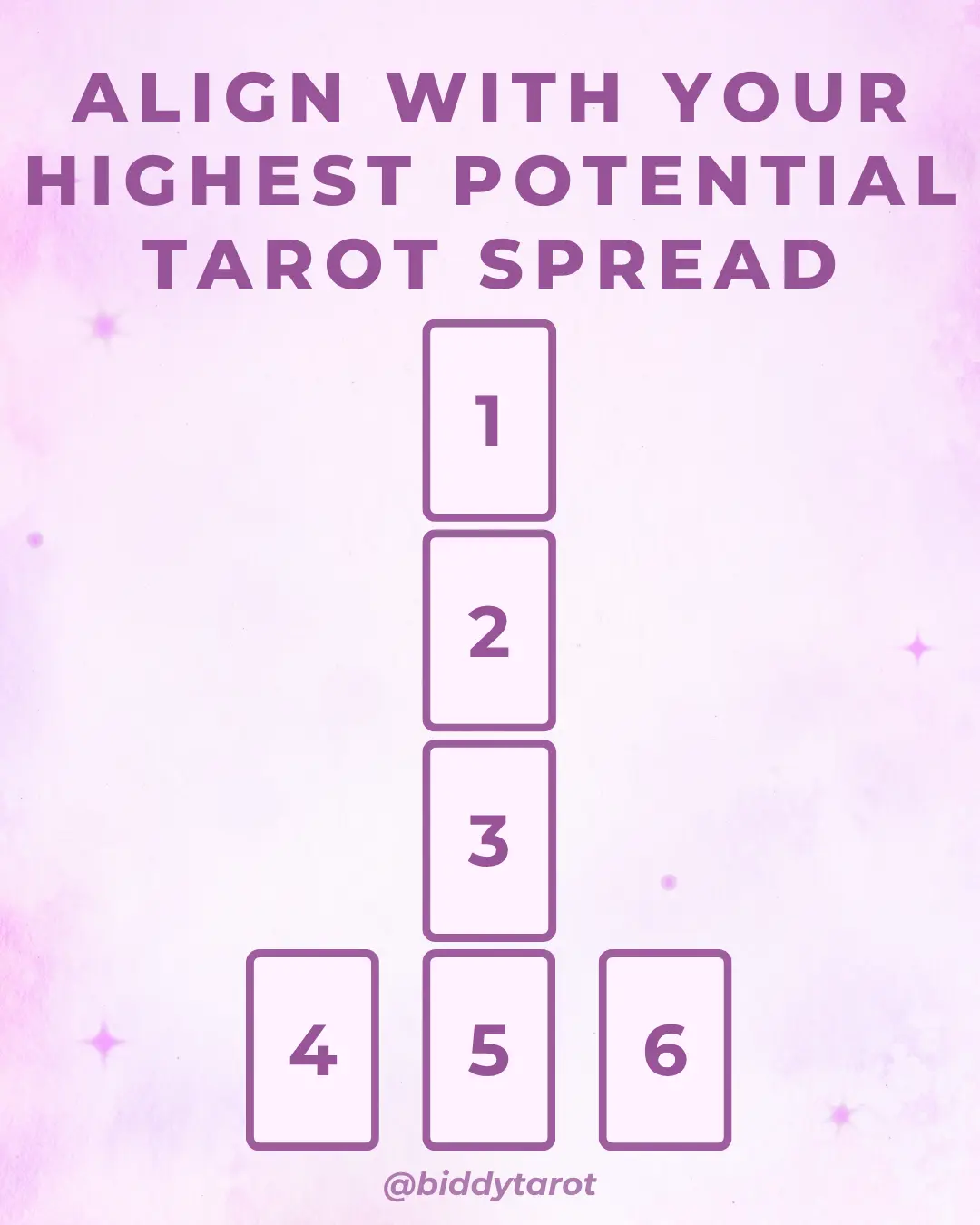
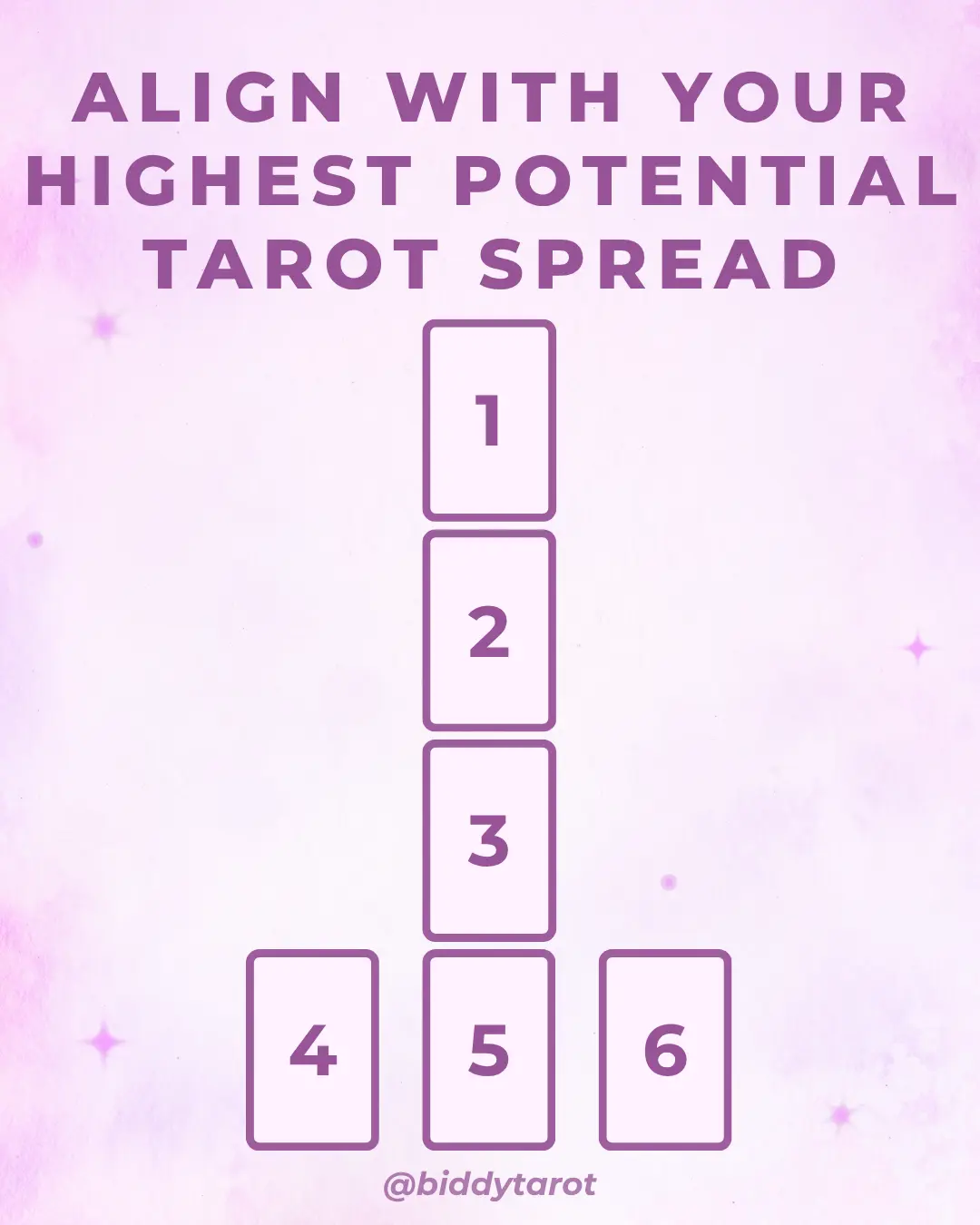
At the forefront of this movement is Biddy Tarot, a globally recognized authority in contemporary tarot reading, which has just released its latest diagnostic and reflective framework: the "Align with Your Highest Potential" Tarot Spread. Designed to bridge the gap between present-day stagnation and future capability, this specific card layout aims to help individuals systematically audit their energies, confront subconscious blockages, and harmonize their daily actions with their ultimate aspirations.
This report provides a comprehensive analysis of the new tarot spread, detailing its underlying philosophy, the mechanics of its layout, the broader psychological and cultural trends driving its release, and the implications for the future of personal empowerment tools.
Main Facts: The Anatomy of the New Spread
The "Align with Your Highest Potential" Tarot Spread is structured as a purposeful, multi-card diagnostic tool. According to its creators, the core premise is rooted in the psychological reality that human beings rarely lack potential; rather, they frequently lack the energetic alignment and behavioral consistency required to manifest that potential in the physical world.
The Core Philosophy
The guiding thesis of the spread is simple yet profound: Your highest potential already lives within you. It is simply waiting to be activated.
In psychological terms, this aligns closely with Carl Jung’s concept of individuation and the archetype of the Self—the totality of the psyche that strives for unity and integration. When individuals feel "stuck," unfulfilled, or misaligned, they are often experiencing a friction between their conscious ego and their unexpressed potential.
The new spread acts as a mirror, cutting through cognitive biases and mental clutter. By utilizing archetypal imagery, the layout bypasses the logical, overthinking brain, allowing users to access intuitive insights about their current trajectory.
Operational Framework
While traditional tarot readings often focus on predictive divination—attempting to foresee external events—this spread belongs to a modern genre known as evolutionary or empowering tarot. It focuses entirely on internal locus of control:
- Thought Alignment: Examining mental narratives, limiting beliefs, and cognitive patterns.
- Action Alignment: Evaluating habits, routines, and physical steps currently being taken.
- Energy Alignment: Assessing emotional resonance, burnout factors, and motivational drivers.
The tool is explicitly recommended for transitional phases of life—such as career pivots, creative blockages, personal reinvention, or simply periods where an individual feels a deep, internal urging to expand beyond their comfort zone.
Chronology: The Evolution of Modern Intuitive Self-Care
To understand the cultural significance of the "Align with Your Highest Potential" spread, it is necessary to examine the timeline of how introspective wellness practices have integrated into mainstream society over the past decade.
Phase One: The Digital Demystification (2010–2018)
For decades, tarot was shrouded in secrecy, elitism, and esoteric gatekeeping. However, the advent of social media—particularly Instagram, Pinterest, and specialized blogs—demystified the practice. Independent creators began stripping away dogmatic rules, reinterpreting traditional Rider-Waite-Smith symbolism through lenses of modern psychology, mindfulness, and self-care. Tarot transitioned from a tool of fortune-telling to a language of emotional literacy.
Phase Two: The Pandemic-Era Psychological Shift (2020–2022)
The global COVID-19 pandemic served as a massive catalyst for internal reflection. Confined to homes and facing existential uncertainty, millions turned inward. The wellness industry saw an explosion in digital tarot courses, journaling prompts, and mindfulness applications. People sought agency in a world spinning out of control. Tarot spreads that offered self-analysis and emotional resilience became daily mental health staples for a generation disillusioned by traditional, highly commercialized stress-management solutions.
Phase Three: The Rise of Goal-Oriented Introspection (2023–Present)
Today, consumers of wellness products are demanding tangible ROI (Return on Investment) from their spiritual and mindfulness practices. It is no longer enough to pull a card and admire its art; users want actionable insights that translate into professional productivity, emotional regulation, and authentic lifestyle design.
The launch of Biddy Tarot’s new spread in early 2026 represents the pinnacle of this third phase. It marries the ancient, mythic structure of the tarot deck with rigorous, modern goal-setting frameworks, bridging mysticism and practical psychology.

Supporting Data: The Booming Mindfulness and Wellness Economy
The release of the "Align with Your Highest Potential" spread occurs against the backdrop of a booming global wellness economy, which market research firms currently value at over $5.6 trillion. Within this massive ecosystem, the sub-sectors of mental wellness, personal development, and alternative introspection tools are experiencing exponential growth.
Market Demographics and Engagement
- Cross-Demographic Appeal: Recent consumer data indicates that modern tarot and mindfulness tools are no longer niche interests. Core users span Millennials and Generation Z, with an increasing adoption rate among corporate professionals, entrepreneurs, and men seeking structured emotional outlets.
- Digital Integration: Over 78% of modern tarot practitioners utilize digital guides, online spreads, and social media community platforms (such as Instagram and TikTok) to share insights, discuss interpretations, and establish accountability circles.
- The Shift Toward DIY Wellness: With rising healthcare costs and widespread burnout, individuals are increasingly adopting do-it-yourself (DIY) psychological toolkits. Tarot, journaling, and meditation apps are viewed as accessible, low-cost interventions for mental clarity.
The Psychology of Visual Diagnostics
Data from behavioral psychologists suggests that physical or digital card layouts provide a vital psychological benefit: externalization. By projecting abstract internal anxieties, hopes, and behavioral patterns onto physical cards, individuals can analyze their own lives with objective distance. This reduces emotional reactivity and fosters what psychologists call "metacognition"—the ability to think about one’s own thinking.
Official Responses and Expert Perspectives
The release of the spread has generated significant discussion within the modern mindfulness community, drawing praise from practitioners, psychologists, and lifestyle strategists alike.
Community and Creator Response
Brigit Esselmont, founder of Biddy Tarot and a leading voice in the contemporary tarot movement, emphasized the empowerment-centric philosophy behind the design of the layout:
"We built this spread because we noticed a recurring theme among high-achieving, deeply reflective individuals. They know they are capable of more, but they feel a friction between who they are today and the vision they hold for tomorrow. This spread is designed to be a bridge. It takes the guesswork out of personal growth and gives you a clear, honest, and loving roadmap to step directly into your power."
Psychological Commentary
Dr. Elena Vance, a licensed clinical psychologist specializing in cognitive reframing and identity transitions, commented on why such tools are gaining traction in professional and personal spaces:
"Humans are narrative creatures. We construct our identities based on stories we tell ourselves about our past capabilities and future limitations. Tools like structured tarot spreads act as visual prompts that disrupt entrenched neurological loops. When an individual engages with a prompt about their ‘highest potential,’ they are actively priming their brain to notice opportunities, take calculated risks, and align their daily habits with a growth-oriented identity."
Implications: What This Means for the Future of Personal Growth
The introduction and rapid adoption of frameworks like the "Align with Your Highest Potential" Tarot Spread carry several profound implications for the future of the wellness industry, workplace culture, and individual mental health.
1. The Blending of Intuition and Pragmatism
The rigid boundary that once separated "rational science" and "intuitive art" continues to dissolve. Modern individuals are increasingly comfortable adopting a pragmatic, hybrid approach to life design. They utilize data analytics for professional projects, while simultaneously employing intuitive tools like tarot, meditation, and somatic journaling for emotional and strategic alignment.
2. Redefining Success and Ambition
In past decades, ambition was frequently defined purely by external metrics: corporate titles, financial accumulation, and social status. Today’s wellness movement—championed by frameworks focusing on "highest potential"—redefines ambition as holistic alignment. Success is increasingly measured by energetic congruence, authenticity, mental peace, and the feeling of living in accordance with one’s core values.
3. Community-Driven Accountability
The call to action accompanying the new spread—urging users to share their insights, set intentions, and tag communities on platforms like Instagram—highlights the vital role of social connection in modern self-care. Personal growth is no longer viewed as a solitary, monastic pursuit. Instead, it is collaborative, transparent, and communal. By sharing personal spreads online, individuals build supportive digital ecosystems that encourage accountability and shared vulnerability.
Conclusion
The "Align with Your Highest Potential" Tarot Spread is much more than a simple card layout for a quiet afternoon of journaling. It is a symptom and a catalyst of a larger cultural shift: a collective desire to move away from autopilot living and step into conscious, empowered self-authorship.
As individuals continue to navigate an unpredictable world, tools that offer both psychological grounding and imaginative expansion will remain invaluable. By bridging the gap between who we are and who we are capable of becoming, frameworks like this remind us that the answers we seek externally are often already waiting quietly within, ready to be activated.
For those looking to engage with the practice, Biddy Tarot invites practitioners to explore the spread, define their intentional paths, and share their reflections with the global mindfulness community using the hashtag #BiddyTarot and tagging @biddytarot on Instagram Stories.