



LOS ANGELES — In an era marked by rapid technological advancement, economic uncertainty, and a relentless cultural push for hyper-productivity, millions of individuals are turning inward to find sustainable pathways for personal growth. Among the traditional tools experiencing a sweeping renaissance is the practice of tarot card reading. No longer confined to the dimly lit parlors of nineteenth-century fortune tellers, tarot has firmly transitioned into the mainstream wellness and self-care ecosystem.
Modern practitioners, ranging from corporate executives to creative entrepreneurs, are utilizing tarot not as a mechanism for predicting a rigid future, but as a sophisticated psychological mirror. At the forefront of this movement are structured self-reflection tools designed to help individuals bridge the gap between their current reality and their ultimate aspirations.
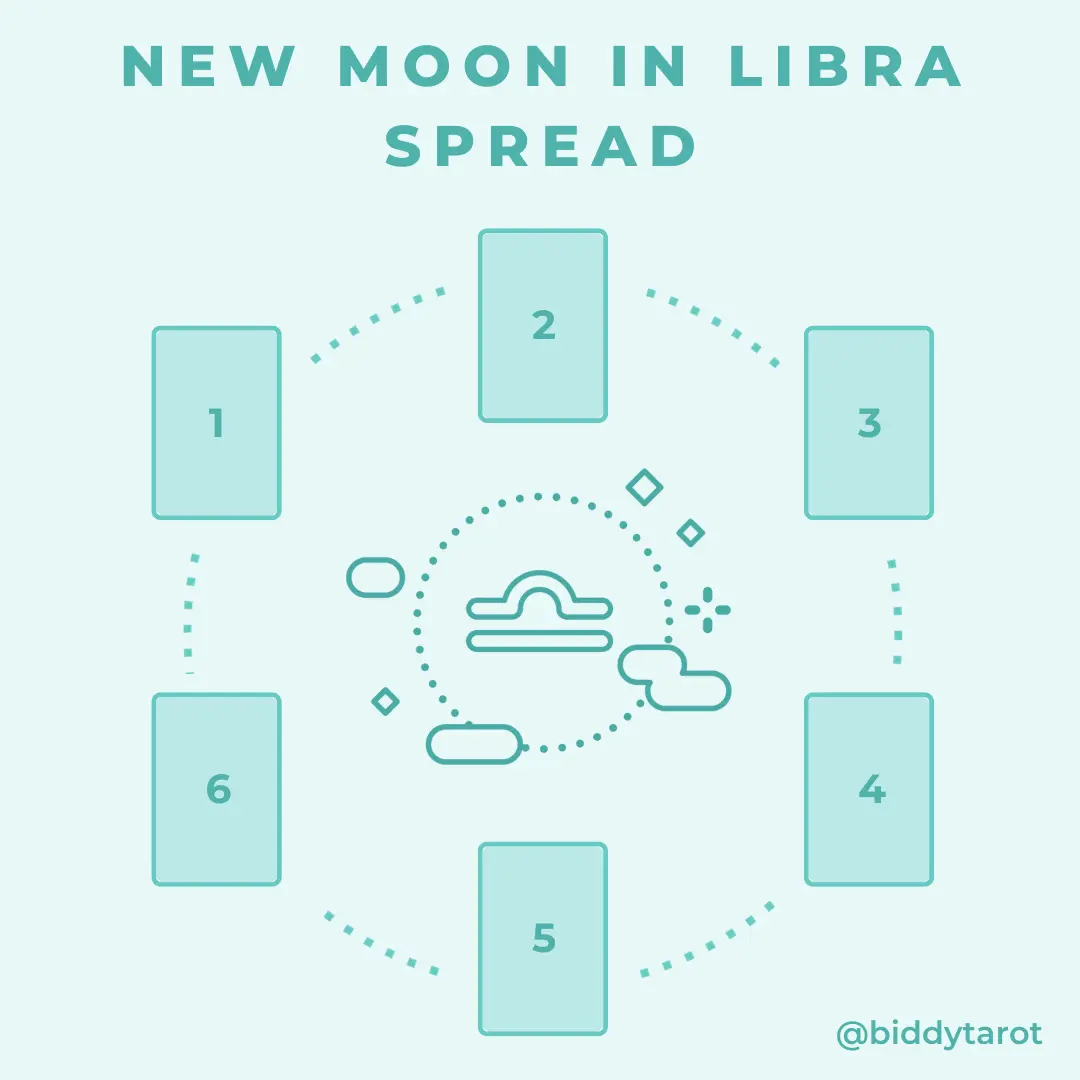
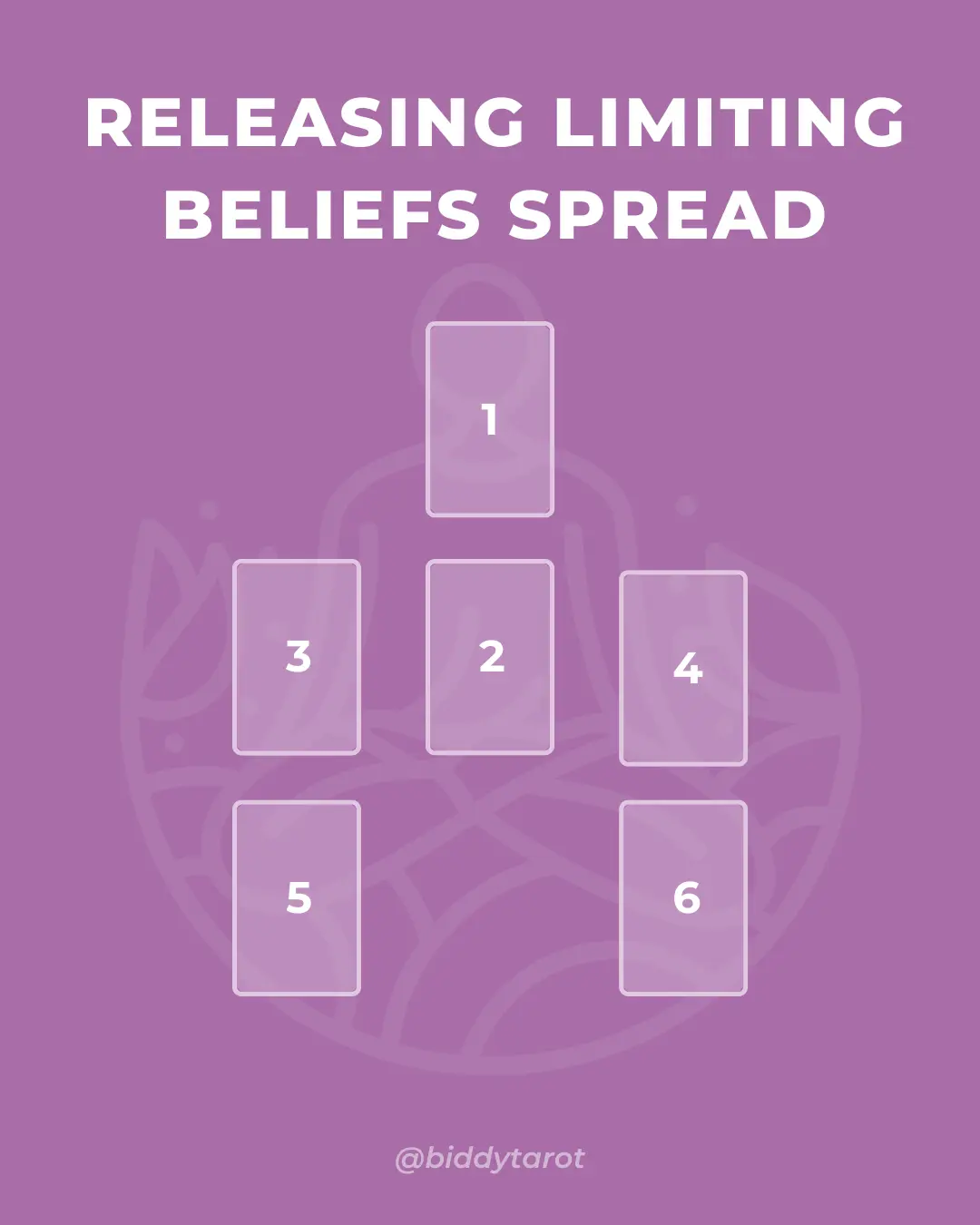
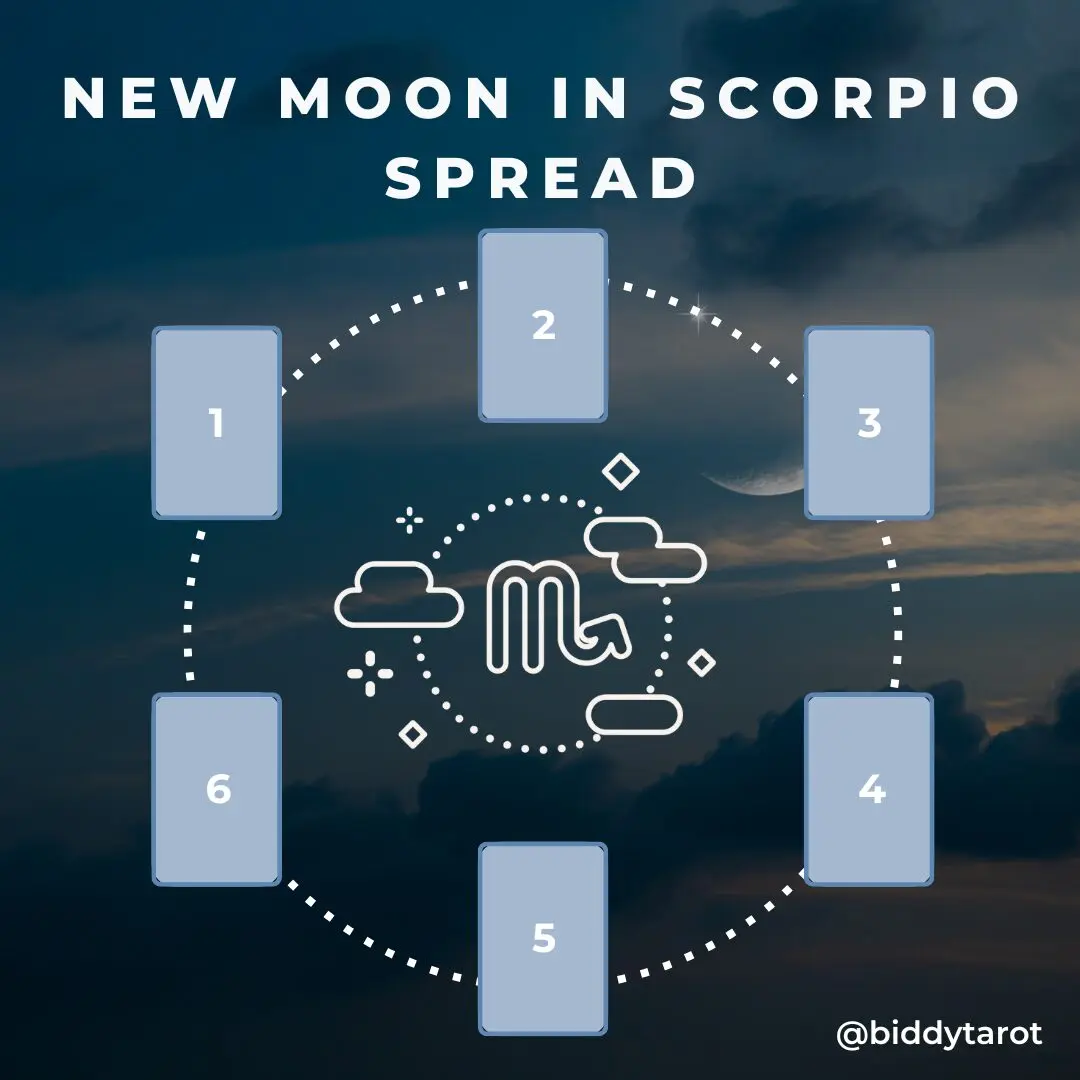
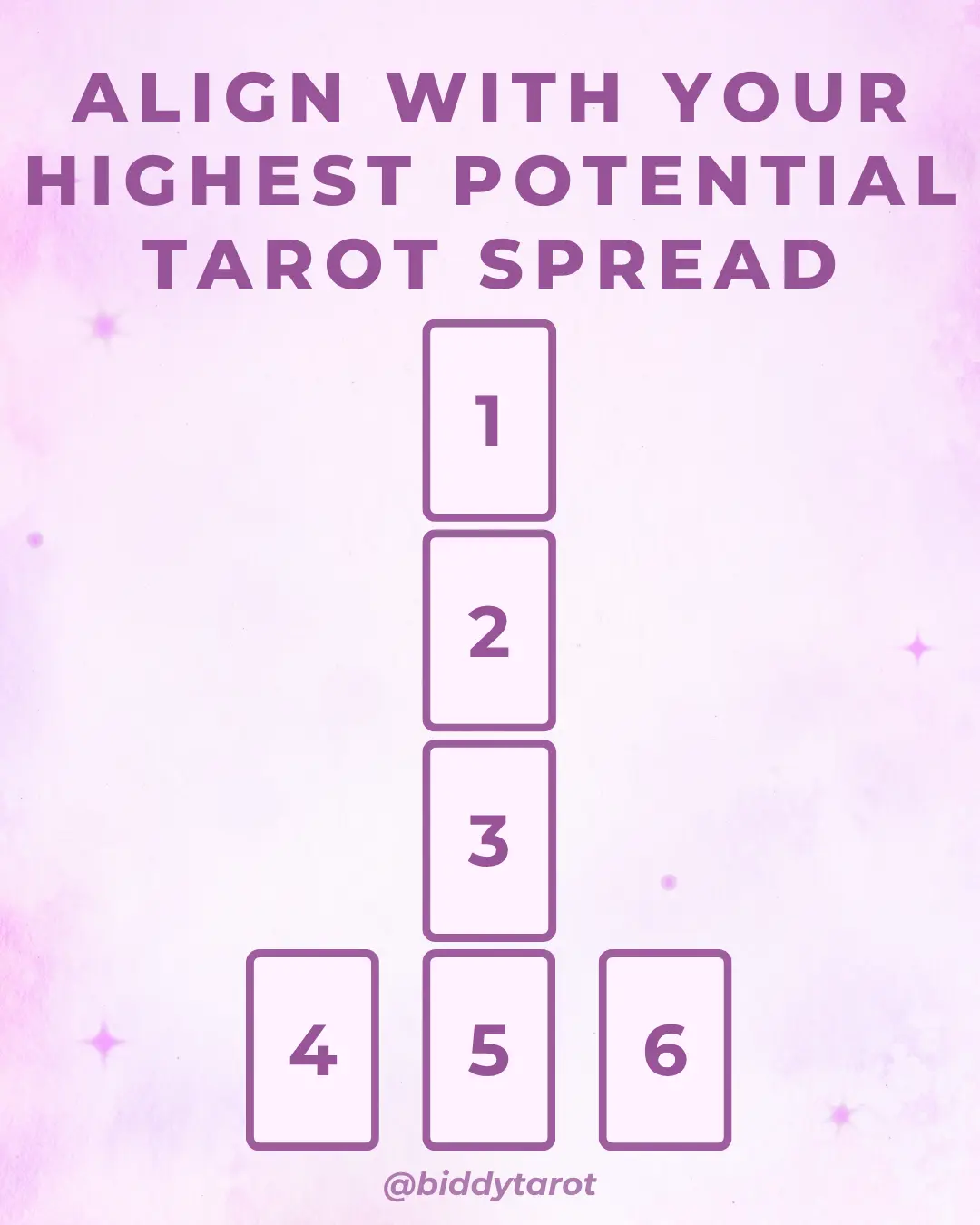
Recently, prominent intuitive guidance platforms have introduced specialized frameworks—such as the "Align with Your Highest Potential" tarot spread—to help individuals systematically decode their internal blocks, harness latent talents, and synchronize their daily actions with their long-term visions. This comprehensive report examines the cultural phenomenon of intentional tarot, the mechanics of potential-focused spreads, psychological perspectives on intuitive tools, and the broader implications of this trend for the modern wellness industry.
Main Facts: The Anatomy of the "Highest Potential" Spread
At its core, the modern approach to tarot is rooted in archetypal psychology, first popularized by Swiss psychiatrist Carl Jung. Jung viewed tarot cards as keys to the collective unconscious, capable of surfacing hidden motivations, fears, and desires that operate just beneath the threshold of daily awareness.
The "Align with Your Highest Potential" framework is specifically engineered for phases of life transitions, career pivots, or personal stagnation. According to wellness and intuitive experts, the foundational philosophy of this specific spread relies on a singular premise: Your highest potential already lives within you; it is simply waiting to be activated.
Unlike traditional spreads that focus on external outcomes—such as "Will I get the job?" or "When will I meet a partner?"—potential-alignment spreads focus entirely on internal locus of control. They examine:
- The Current Energetic Baseline: Assessing where the individual is investing their mental, emotional, and physical energy right now.
- The Dormant Power: Identifying the specific skill, mindset, or creative force that the individual is currently suppressing or overlooking.
- Internal Barriers: Uncovering the subconscious fears, limiting beliefs, or behavioral patterns blocking expansion.
- Actionable Alignment: Determining the concrete steps required to harmonize daily habits with the energetic frequency of the future self.
By shifting the inquiry from passive forecasting to active self-auditing, users are able to treat the cards as prompts for deep journaling, cognitive reframing, and intentional behavioral design.
Chronology: From Mystical Divination to Modern Mindfulness
To understand how tarot evolved into a tool for personal empowerment, it is essential to trace its historical trajectory from medieval parlor game to contemporary psychological accessory.
The Origins and Early Evolution (15th–19th Century)
Tarot originated in the mid-15th century in various parts of Europe, notably Italy, as a card game played by nobility called Tarocchi. It was not until the late 18th and 19th centuries that occultists began associating the deck’s trump cards with esoteric philosophy, astrology, and kabbalah. The publication of the Rider-Waite-Smith deck in 1909, illustrated by artist Pamela Colman Smith and occultist Arthur Edward Waite, revolutionized the practice by providing rich, symbolic imagery that spoke directly to human emotional and spiritual experiences.
The New Age Boom (Late 20th Century)
During the counterculture movements of the 1960s and 1970s, and the subsequent New Age boom of the 1980s and 1990s, tarot gained popularity as a tool for spiritual exploration. However, it largely remained on the fringes of society, often associated with counter-cultural rebellion, superstition, or esoteric subcultures.
The Digital and Wellness Renaissance (2010s–Present)
The past decade has witnessed an unprecedented mainstreaming of tarot. Catalyzed by social media platforms—particularly Instagram and TikTok—a new generation of diverse, highly articulate educators has demystified the practice.
Platforms like Biddy Tarot, founded by Brigit Esselmont, played a pivotal role in this democratization. By stripping away dogmatic fear-based predictions and reframing tarot as a practical, secular tool for empowerment and intuition-building, these modern educators made the practice accessible to corporate professionals, mental health advocates, and everyday wellness seekers. The introduction of targeted spreads—such as those focusing on relationship check-ins, career pivots, and highest potential alignment—marks the latest evolution in this timeline, seamlessly blending ancient symbolism with modern life-coaching methodologies.
Supporting Data: The Booming Wellness and Intention Economy
The rise of intentional tarot practices does not happen in a vacuum; it is part of a massive global economic shift toward mental health, self-care, and alternative wellness practices.

- The Global Wellness Market: According to recent reports by the Global Wellness Institute (GWI), the global wellness economy has surpassed $5.6 trillion, with the mental wellness sub-sector experiencing exponential year-over-year growth. Consumers are actively seeking out non-pharmacological, self-directed tools to manage stress, burnout, and existential fatigue.
- Demographic Shifts in Esoteric Practices: Market research indicates that the primary consumers of modern mindfulness, meditation, and intuitive tools are Millennials and Generation Z. These cohorts report higher levels of workplace stress and burnout than previous generations, making them prime adopters of practices that offer emotional regulation, mindfulness, and personal agency.
- Digital Engagement: Content tagged with terms like #tarot, #selfcare, and #personaldevelopment has accumulated tens of billions of views across social media channels. Interactive spreads shared via digital stories and downloadable guides generate millions of engagements weekly, proving that community-driven ritual has become a vital coping mechanism in an increasingly isolated digital world.
Official Responses: Psychologists, Wellness Experts, and Thought Leaders
The intersection of intuitive arts and psychological science has generated robust discussion among mental health professionals, life coaches, and cultural commentators.
The Psychological Perspective
Clinical psychologists generally view tools like tarot through the lens of projective testing—similar to the Rorschach inkblot test.
"When an individual looks at a tarot card, they are engaging in projection," explains Dr. Elena Vance, a cognitive behavioral therapist based in Chicago. "The rich, symbolic artwork acts as a canvas for the subconscious mind. By interpreting the card in the context of a specific question, the individual is often articulating thoughts and feelings they already knew deep down, but lacked the framework or courage to express."
Dr. Vance notes that structured spreads function effectively as cognitive prompts, helping clients bypass left-brain analytical resistance to access creative and emotional problem-solving strategies.
The Intuitive Coaching Perspective
Modern intuitive guides emphasize that the power lies not in the cardboard or ink, but in the intentional pause the ritual creates.
In statements regarding the philosophy of modern tarot design, industry leaders emphasize that self-reflection requires sacred time and structural support. When a user engages with a spread designed to unlock their highest potential, they are making a psychological contract with themselves to prioritize growth, accountability, and self-awareness.
Furthermore, community integration—such as sharing reflections or intentions via digital platforms—creates a sense of shared human experience. Users do not feel isolated in their aspirations; instead, they participate in a collective movement toward self-actualization.
Implications: What This Trend Means for the Future of Personal Growth
The mainstream adoption of potential-alignment tarot spreads and similar mindful practices carries several profound implications for culture, commerce, and mental health.
1. The Democratization of Self-Coaching
As access to traditional, one-on-one life coaching remains financially prohibitive for many, individuals are increasingly turning to self-directed frameworks. By utilizing guided tarot spreads, journaling prompts, and somatic check-ins, everyday people are building robust personal toolkits for emotional resilience and strategic life-planning. This represents a democratization of wisdom, shifting power from external authorities back to the individual’s inner voice.
2. Redefining Productivity and Success
For decades, the dominant cultural narrative around success has been quantitative: working longer hours, climbing traditional corporate ladders, and measuring worth through output. Tools focused on "highest potential alignment" challenge this paradigm by prioritizing qualitative markers of success—such as energetic congruence, authenticity, emotional well-being, and alignment with personal values. This reflects a broader cultural fatigue with hustle culture and a growing desire for sustainable, soul-aligned achievement.
3. The Blending of Ancient Wisdom and Modern Psychology
The successful integration of tarot into contemporary wellness highlights a broader cultural trend: the synthesis of ancient wisdom traditions with modern psychological science. Whether through mindfulness meditation rooted in Buddhist philosophy, breathwork derived from pranayama, or intuitive reflection using tarot archetypes, modern wellness consumers are proving remarkably adept at extracting functional, mental-health-boosting tools from historical and esoteric lineages without requiring dogmatic adherence.
Looking Ahead
As individuals continue to navigate an unpredictable world, the demand for grounded, creative, and introspective practices will only intensify. The enduring popularity of tools like the "Align with Your Highest Potential" tarot spread demonstrates a timeless human truth: people do not simply want to survive their circumstances—they want to discover who they are capable of becoming, and they are willing to use every tool at their disposal to unlock that future self.