LONDON — In an era defined by high-stakes productivity, digital hyper-connectivity, and an unrelenting cultural obsession with self-optimization, millions of individuals are discovering that their greatest obstacle isn’t external adversity—it’s the narrative running quietly in the background of their own minds.
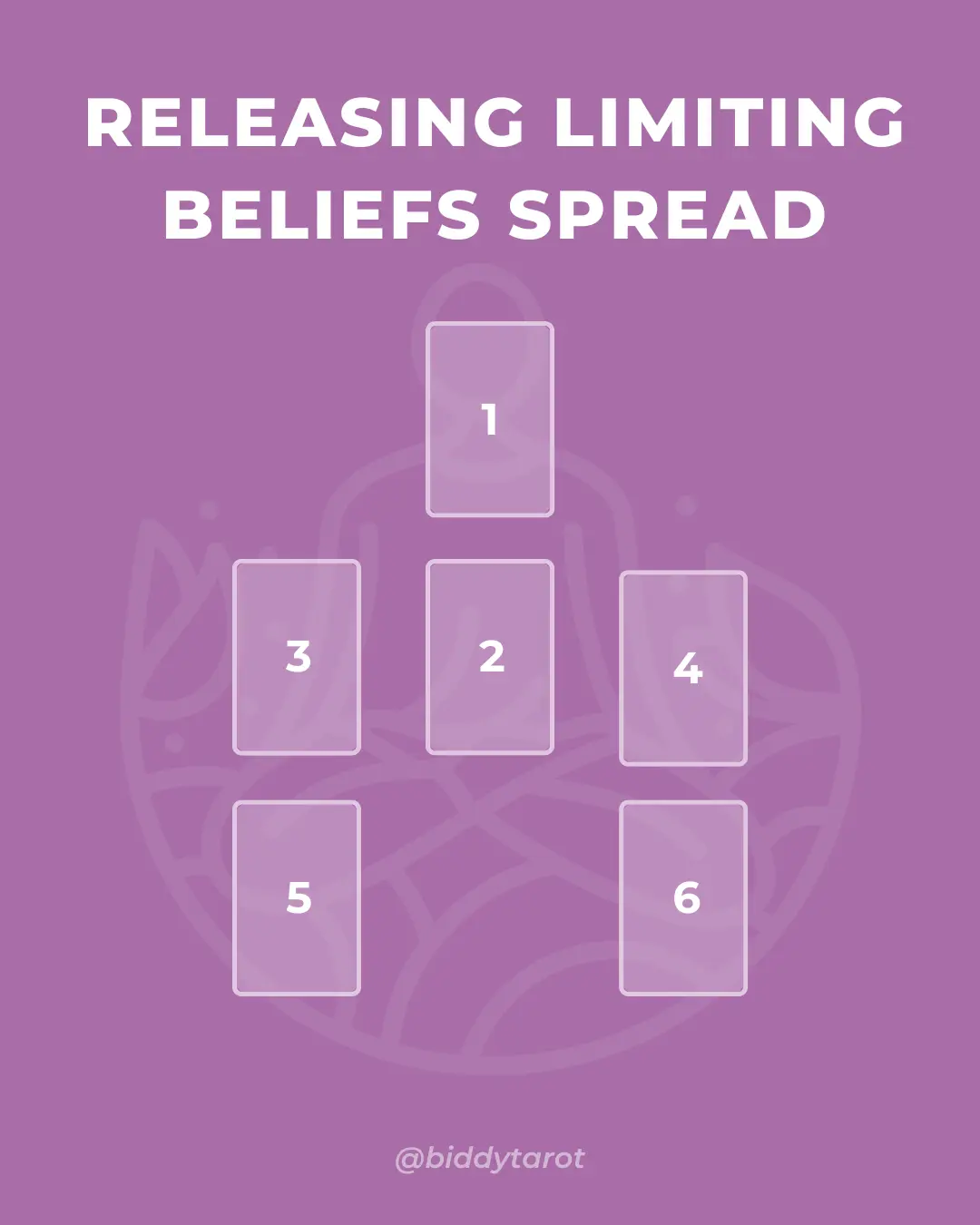
To address this psychological bottleneck, wellness communities and modern esoteric practitioners are increasingly turning to structured introspective tools. Among the most recent innovations in this space is the Releasing Limiting Beliefs Tarot Spread, a specialized reflective framework designed to help individuals identify, confront, and dismantle the subconscious cognitive barriers holding them back from personal and professional fulfillment.
While tarot has historically been viewed through a strictly divinatory lens, contemporary psychological practitioners and mindfulness coaches are rapidly adopting it as a projective technique. Similar to art therapy, journaling prompts, or cognitive reframing exercises, specialized tarot spreads provide a visual and metaphorical vocabulary for abstract emotional states, allowing individuals to bypass deeply ingrained psychological defenses.
Main Facts: Decoding the "Releasing Limiting Beliefs" Framework
The newly popularized Releasing Limiting Beliefs Tarot Spread centers on a fundamental premise: the stories we tell ourselves actively shape our reality. While some internal narratives serve as wellsprings of resilience and ambition, others operate as invisible anchors, whispering doubt, fear, and artificial limitations.
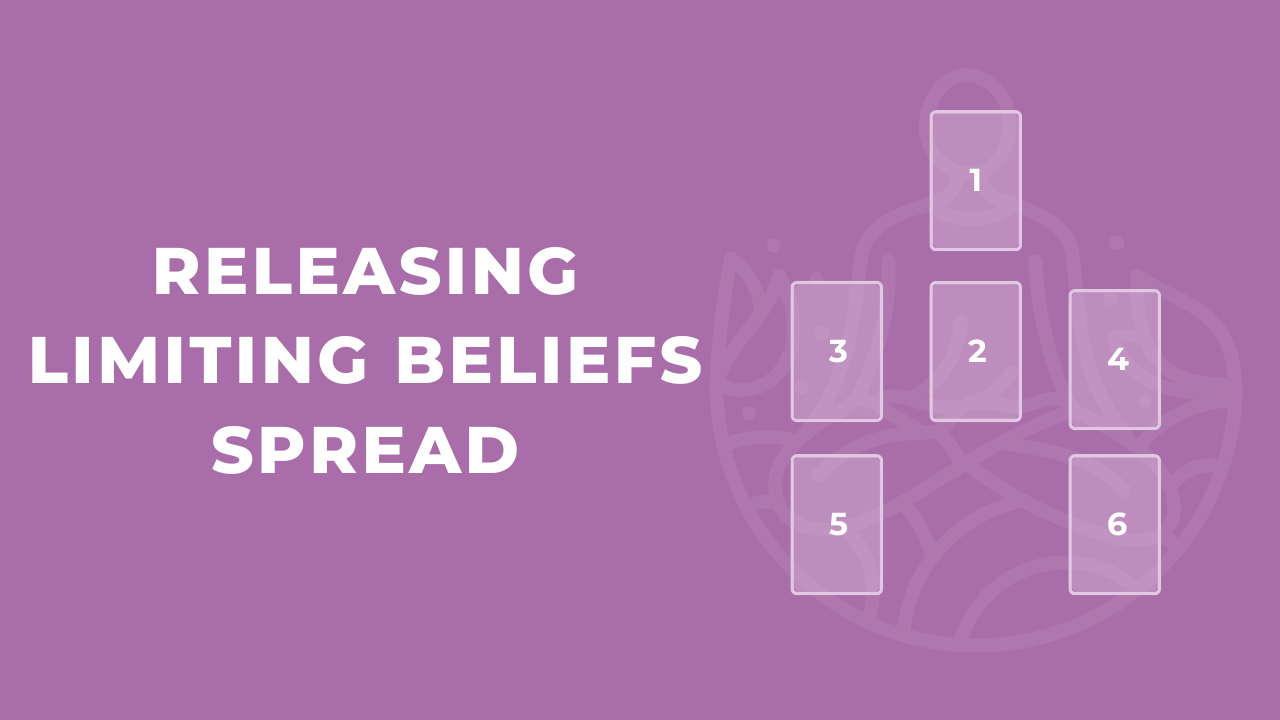
The framework operates on a structured, multi-card layout designed to guide the user through a distinct cognitive journey:
- Identification: Pinpointing the exact subconscious belief currently dictating negative behaviors or stagnant patterns.
- Root Analysis: Uncovering the historical origin of the belief—whether stemming from childhood conditioning, past failures, or societal pressures.
- Impact Assessment: Evaluating the true emotional and practical cost of holding onto the belief.
- Release Mechanism: Identifying the mindset, boundary, or action required to let the narrative go.
- Integration: Stepping into a liberated, empowered version of the self anchored in truth and potential.
Unlike traditional predictive readings, this layout is exclusively introspective. It requires the user to lean into radical accountability, emotional honesty, and self-compassion, bridging the gap between esoteric ritual and modern cognitive-behavioral self-awareness.
Chronology: The Evolution of Tarot from Mysticism to Modern Self-Care
To understand the cultural resonance of the Releasing Limiting Beliefs spread, one must examine the broader evolution of tarot over the past century.
The Mid-20th Century: The Esoteric Renaissance
For decades, tarot was largely relegated to occult circles, esoteric bookstores, and fringe mysticism. Readings were predominantly transactional and deterministic, focusing heavily on fortune-telling, future predictions, and external outcomes (e.g., "Will I get the job? Will I find love?").
The Turn of the Millennium: The Psychological Turn
As clinical psychology, Carl Jung’s theories of archetypes, and mindfulness practices began permeating mainstream wellness culture in the late 1990s and early 2000s, practitioners began shifting the paradigm. Tarot was reframed not as a tool to predict a fixed future, but as a mirror reflecting the user’s present psychological landscape. The cards became archetypal flashcards for the human subconscious.
The 2020s: The Wellness and Digital Boom
The COVID-19 pandemic catalyzed an unprecedented surge in mental health awareness, introspection, and alternative wellness practices. Isolated at home, millions turned to digital platforms—such as Instagram, TikTok, and specialized wellness blogs—to find community and coping mechanisms.
It was within this digital ecosystem that structured, goal-oriented tarot spreads gained massive traction. Communities began demanding tools that addressed specific emotional hurdles, such as burnout, imposter syndrome, and self-sabotage. The introduction of frameworks like the Releasing Limiting Beliefs Tarot Spread marks the culmination of this movement, transforming ancient symbolism into a streamlined, accessible instrument for mental clarity.
Supporting Data: The Psychology of Limiting Beliefs and Visual Metaphors
To contextualize the popularity of this tarot spread, behavioral science provides compelling data regarding the mechanics of cognitive distortion and the efficacy of projective tools.
The Weight of Cognitive Biases
Psychological research consistently demonstrates that human beings are susceptible to negativity bias—an evolutionary survival mechanism that causes us to dwell on threats, failures, and criticisms far more than positive reinforcement. According to cognitive behavioral therapy (CBT) models, these ingrained thought patterns harden into "core beliefs" or limiting beliefs.
A limiting belief acts as an absolute rule about oneself or the world (e.g., "I am not creative enough," "I always fail under pressure," or "I don’t deserve success"). Once formed, the brain actively filters reality to confirm these biases, ignoring contradictory evidence of competence or resilience.
The Efficacy of Projective Tools
Art therapists and psychotherapists have long utilized projective techniques—such as inkblots, metaphorical cards, and storytelling prompts—because they bypass the brain’s analytical resistance. When an individual is asked directly, "What are your deepest insecurities?" the ego often responds with defense mechanisms, rationalization, or denial.
However, when presented with a neutral, symbolic image on a tarot card, the brain projects its internal state onto the visual stimulus. This phenomenon, rooted in Jungian synchronicity and psychological projection, allows individuals to confront uncomfortable truths safely. By externalizing the internal belief onto a card layout, the user can examine the belief as an object separate from their core identity, making it vastly easier to challenge and dismantle.
Official Responses and Expert Perspectives
Mental health professionals, mindfulness leaders, and wellness educators have increasingly weighed in on the integration of intuitive practices into modern self-care routines.
Dr. Elena Vance, a cognitive behavioral researcher specializing in identity reframing, notes that tools utilizing metaphor can significantly accelerate self-awareness:
"When individuals are stuck in chronic loops of self-doubt, traditional talk therapy can sometimes feel cyclical. Utilizing a tangible, structured framework—whether through journaling, somatic exercises, or reflective card layouts—gives the brain a fresh focal point. It interrupts the neurological loop of the limiting belief and forces a conscious re-evaluation of the narrative."
Biddy Tarot founder and prominent modern tarot educator Brigitte Night has long championed the shift from predictive divination to empowerment-based intuition. Speaking on the philosophy behind reflective spreads, she emphasizes agency:
"The stories we tell ourselves shape our reality. Some remind us of our strength and potential, while others quietly whisper doubt and limitation. A spread like this isn’t about looking into a crystal ball to see what happens to you; it’s about taking the pen back. It’s about uncovering the hidden narratives that no longer serve you, releasing them with grace, and stepping into a truer, freer version of yourself."
Wellness advocates also highlight the ritualistic value of setting aside dedicated time for introspection. In a world characterized by relentless notifications and shallow engagement, the deliberate act of shuffling cards, laying out a spread, and journaling insights creates a vital psychological pause—a micro-retreat for the mind.
Implications: What This Means for the Future of Personal Growth
The mainstream adoption of tools like the Releasing Limiting Beliefs Tarot Spread carries profound implications for the future of wellness, mental health literacy, and personal development.
1. The Democratization of Self-Reflection
Traditional psychological and coaching resources can be cost-prohibitive or intimidating for many individuals. While tarot spreads do not replace licensed therapy for clinical mental health conditions, accessible frameworks provide an immediate, low-barrier entry point for daily emotional hygiene. People are learning to become active curators of their own mental health, utilizing creative and intuitive outlets to process complex emotions.
2. The Blending of Logic and Intuition
For generations, Western society maintained a rigid dichotomy between scientific rationality and intuitive spirituality. The modern wellness movement is successfully dismantling this binary. Individuals are increasingly comfortable utilizing intuitive, symbolic frameworks alongside evidence-based psychological practices like CBT, mindfulness, and journaling.
3. A Cultural Shift Toward Narrative Sovereignty
Ultimately, the popularity of anti-limiting-belief exercises points to a broader cultural awakening regarding personal narrative. Society is moving away from passive acceptance of inherited expectations—whether familial, corporate, or cultural. People want to audit their internal programming. They are recognizing that while they may not control every external circumstance, they possess the agency to rewrite the internal scripts that govern their responses.
Conclusion: Stepping Into a Freer Future
The Releasing Limiting Beliefs Tarot Spread is much more than a social media wellness trend or a momentary diversion; it is symptomatic of a deeper cultural hunger for self-mastery and authenticity. By combining the rich archetypal imagery of tarot with the psychological necessity of cognitive reframing, users are equipping themselves with a practical toolkit to confront their inner critics.
As individuals continue to share their insights, breakthroughs, and spreads across digital platforms—connecting globally via tags and community discussions—the message remains clear: acknowledging our limitations is only the first step. The true work lies in letting them go with grace, silencing the whispers of doubt, and stepping boldly into the highest truth of who we are capable of becoming.