Introduction: Bridging Ancient Wisdom and Modern Practice
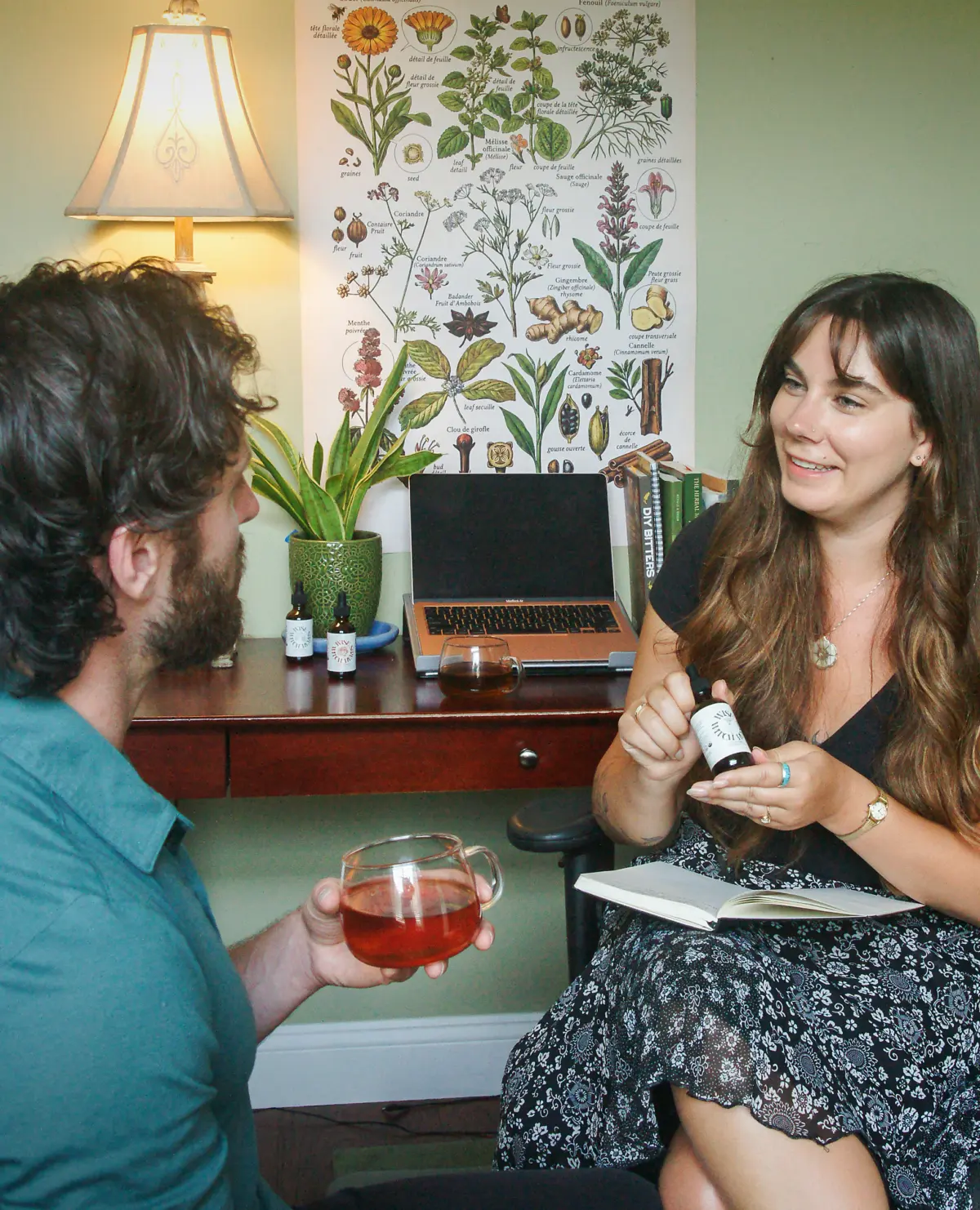
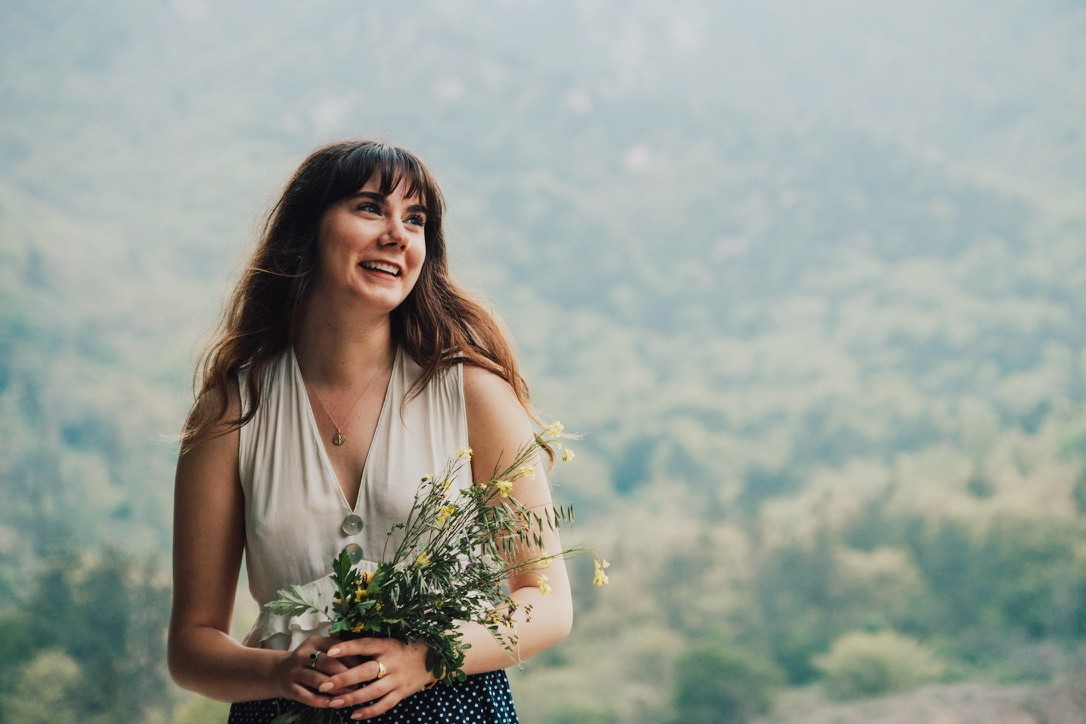
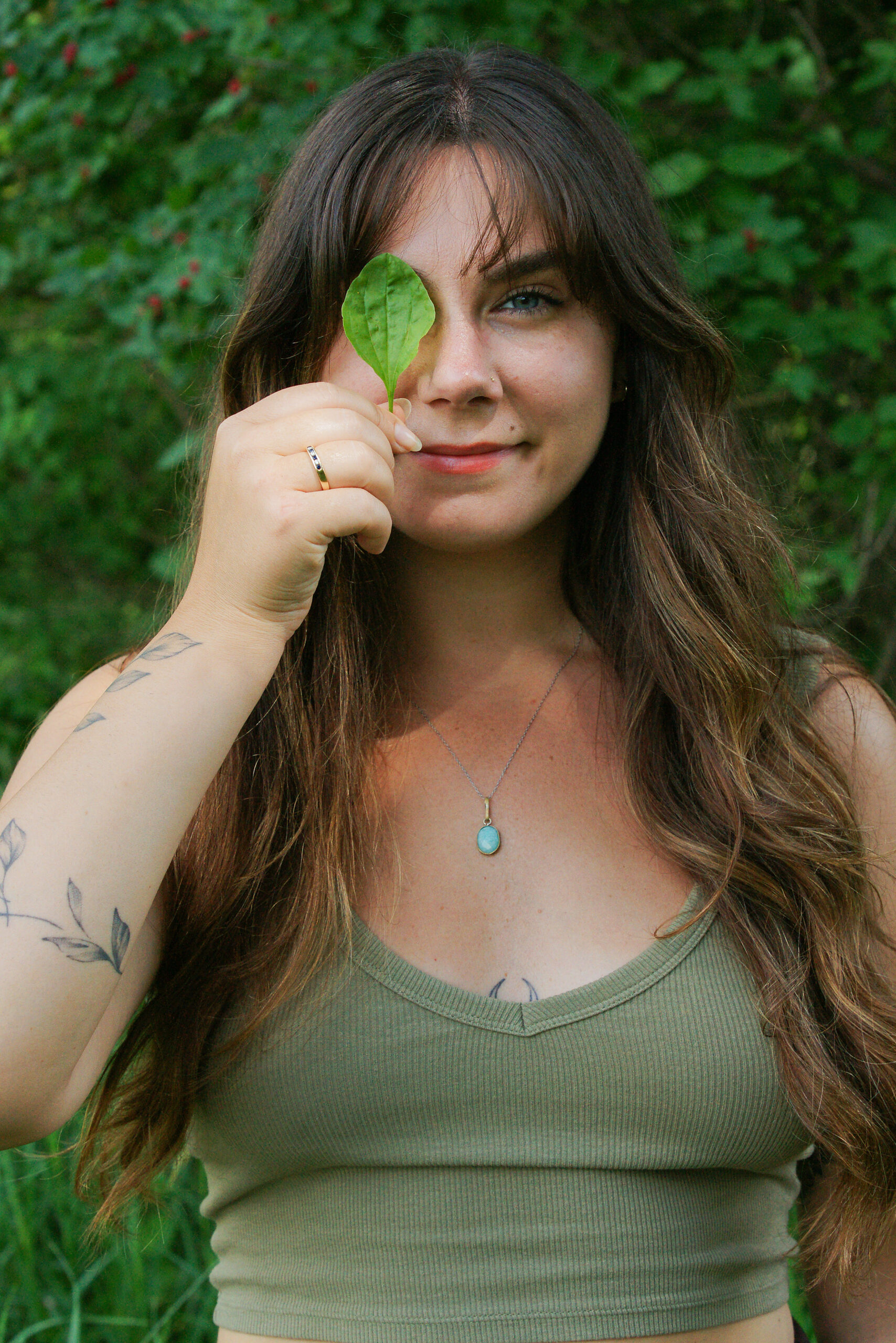
In an era dominated by rapid pharmaceutical solutions and screen-based isolation, a quiet revolution is taking root in gardens, kitchens, and online communities across the globe. At the forefront of this movement is Victoria Buzzalini, a clinical herbalist, environmental scientist, and the founder of the digital educational platform Wise Witch Herbs.
Through her journey—which spans from the industrial roots of Detroit, Michigan, to ecosystems across Costa Rica, Spain, South Korea, and the United Kingdom—Buzzalini represents a new generation of practitioners who are synthesizing rigorous scientific training with ancestral plant wisdom. As she prepares to graduate with a Bachelor of Science (BSc Hons) in Clinical Herbalism from the UK, Buzzalini’s story offers a compelling look at the challenges, triumphs, and systemic evolution of modern herbalism.
BSc Hons in Clinical Herbalism (United Kingdom, graduating summer)
Extensive coursework through the Herbal Academy (Introductory Herbal Course, Botanical Skin Care Course, Becoming an Herbalist Mini Course, and Herbal Bitters Mini Course)
Core Focus: Women’s health, natural skincare formulation, seasonal living, and community wellness education.
Chronology: From Detroit Landscapes to Global Clinical Practice
Early Roots and Environmental Science
Born and raised in Detroit, Buzzalini developed a profound affinity for the outdoors at an early age. This initial passion led her to pursue her first degree in Environmental Science, where she studied ecosystem functionality and conservation methods. Eager to experience the world, she subsequently lived abroad in Costa Rica, Spain, and South Korea, teaching English while immersing herself in diverse cultural perspectives on nature and health.
The Health Crisis and Discovery of Herbalism
During her time in South Korea, Buzzalini experienced a significant health decline. When conventional hospital interventions failed to provide answers or relief, she was forced to take her healing into her own hands.
Drawn to historical and botanical remedies, she began researching herbs best suited to her physiological state. Through self-experimentation and careful observation, she witnessed firsthand the profound healing capabilities of plants. What began as a personal health necessity quickly transformed into an all-consuming vocation.
Building Wise Witch Herbs
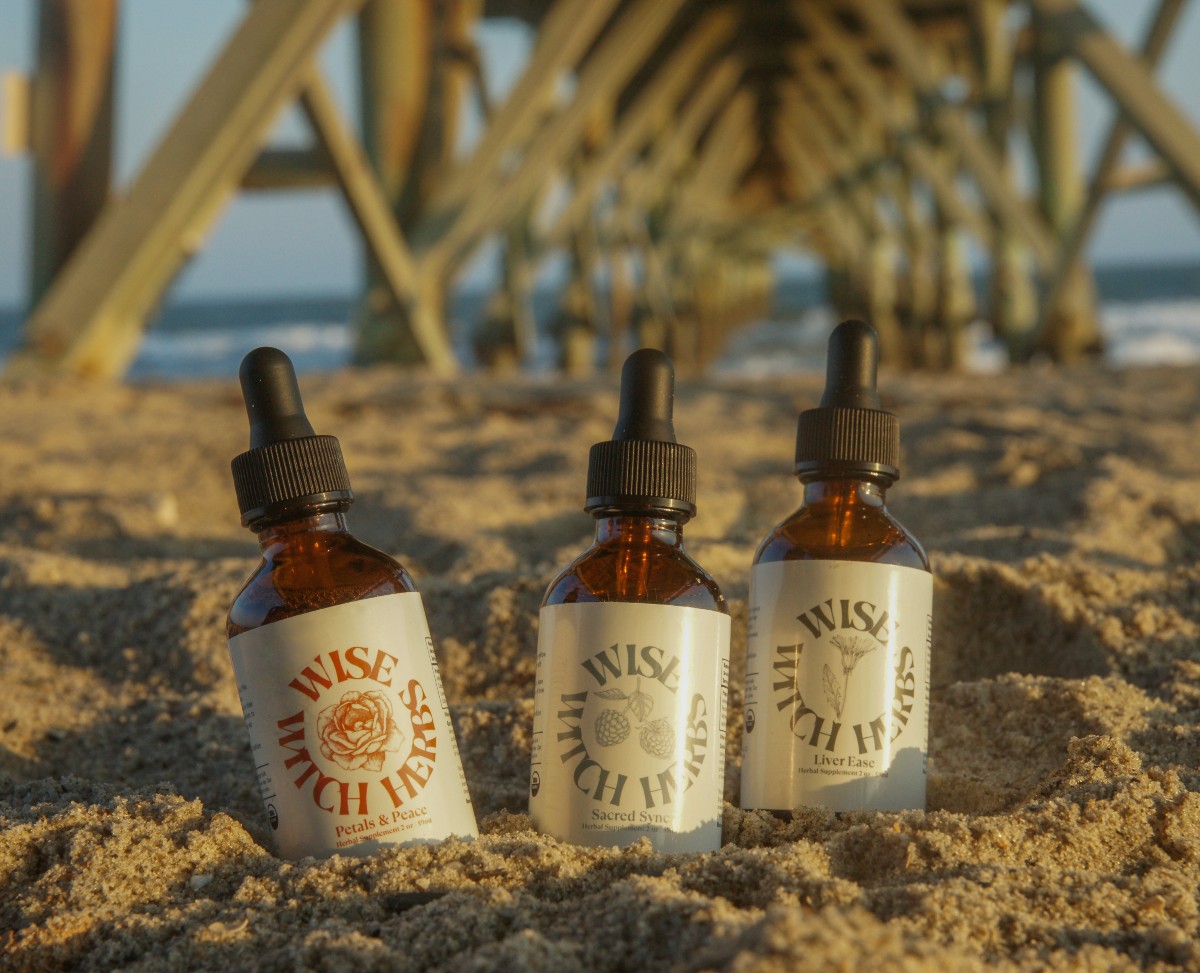
In 2022, while actively expanding her botanical education, Buzzalini launched Wise Witch Herbs. Initially conceived as an online educational space to share daily insights and self-tested recipes, the platform has steadily grown into a trusted community resource. Looking ahead, Buzzalini is expanding the brand beyond digital content, preparing to launch a curated line of physical herbal products—starting with small-batch tinctures—designed to bring clinical-grade herbal remedies directly into home environments.
Supporting Data & Educational Foundation: Why the Herbal Academy?
To formalize her self-taught foundation, Buzzalini turned to the Herbal Academy, enrolling in a diverse suite of programs. According to Buzzalini, the structured, self-paced nature of the Academy’s curriculum provided an ideal framework for an independent learner balancing a dynamic global lifestyle.
"Herbal Academy showed me just how simple herbal creation can be and how beautiful it is," Buzzalini notes. "The courses are offered at your own pace and laid out beautifully so you can never get lost, and everything will be there waiting for you."
Navigating Regulatory Landscapes
One of the most critical advantages Buzzalini gained from her early studies was navigating the complex regulatory environments surrounding herbalism. As someone studying international herbal traditions—particularly in the UK and the US—understanding compliance and terminology is vital.
The Herbal Academy played a pivotal role in teaching her the precise language required for practicing and marketing herbalism stateside, helping her avoid legal and ethical missteps early in her entrepreneurial journey.
Pedagogical Impact
Flexibility: Allowed her to integrate rigorous studies into her daily routine without burnout.
Community Connection: Leveraged a supportive online ecosystem that connects students with veteran herbalists across the United States.
Holistic Application: Provided actionable formulations, particularly from the Botanical Skin Care Course, which she relies on monthly to craft natural body butters, lotions, and sprays.
Official Insights & Perspectives: In Her Own Words
To understand the philosophy driving Wise Witch Herbs, one must examine Buzzalini’s core perspectives on nature, health, and the scientific realities of her field.
On Living with the Seasons
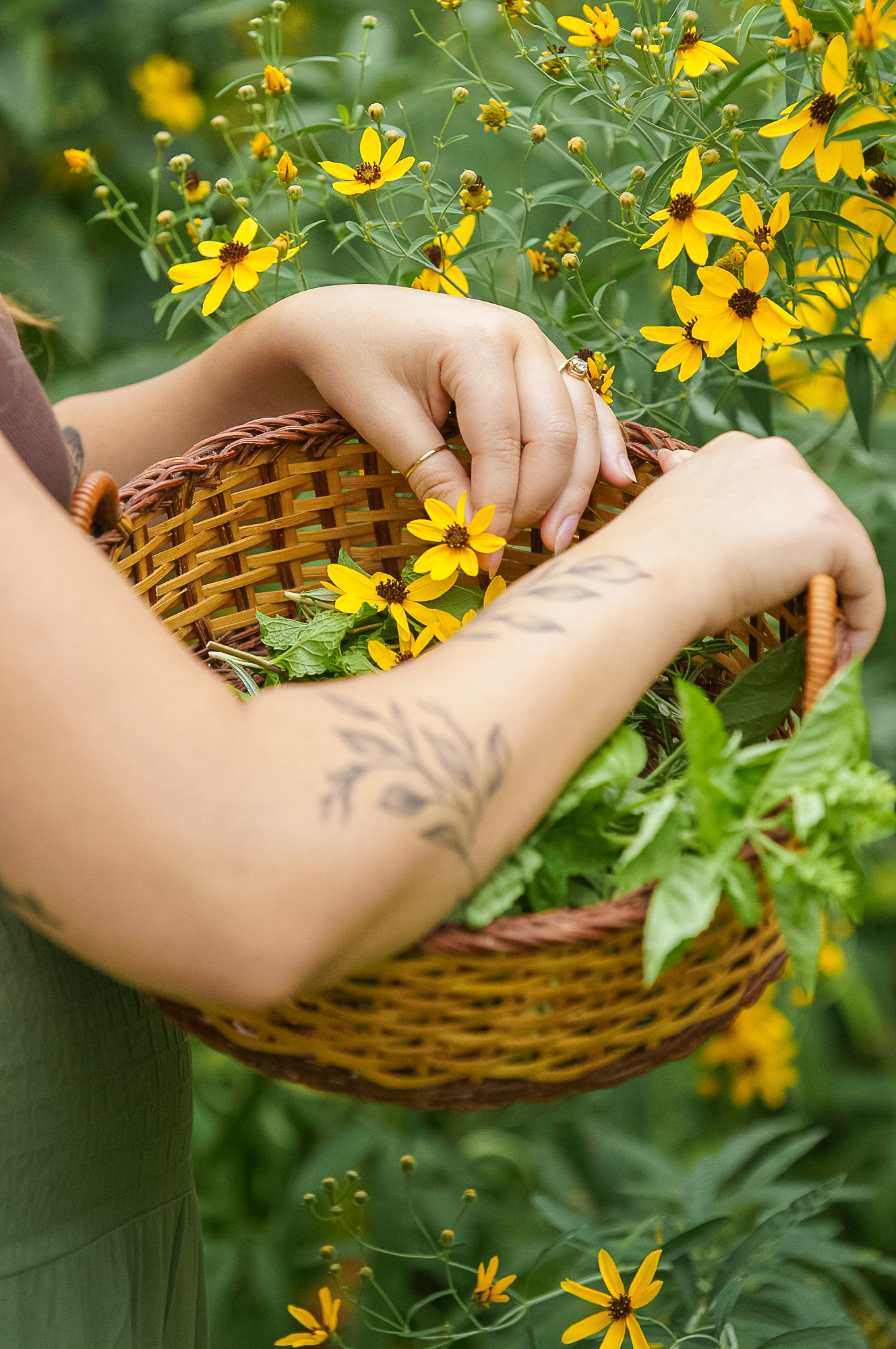
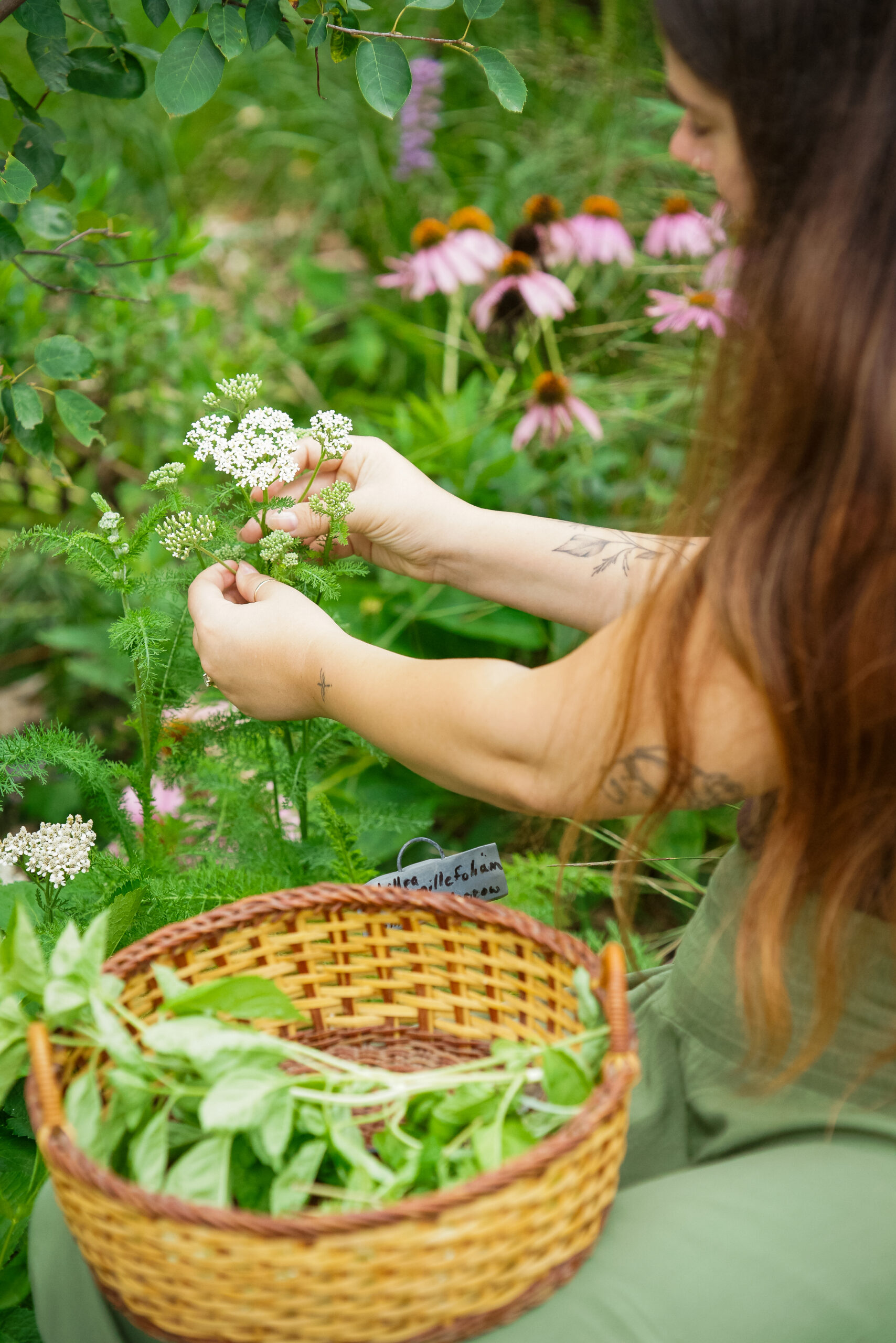
"Studying herbalism has allowed me to come closer with nature. It has shown me how to live with the seasons and taught me how to bring seasonal living to the way I live my life as well. As nature slows down in the wintertime, so do I. When the sun is out and the days are longer in the summer, I am able to exert more energy and complete more on a daily basis. Watching the plants transform through the seasons has also made me pay closer attention—because sometimes there is only a 3-week span to catch a bloom and then they’re gone."
On Body Literacy and Intuition
Modern society often encourages individuals to silence bodily discomfort with quick fixes. Buzzalini argues that herbalism restores fundamental body literacy:
"Our bodies are so intelligent, and when you sit and listen, you can hear the whispers it’s trying to tell you. So often in society today, we push on with life and pop a pill to mask what’s going on internally. But herbalism helps to teach you to listen inward and slow down so you can understand where things are coming from."
On Her Signature Herb: Nettle (Urtica dioica)
When asked about her favorite plant ally, Buzzalini points to stinging nettle.
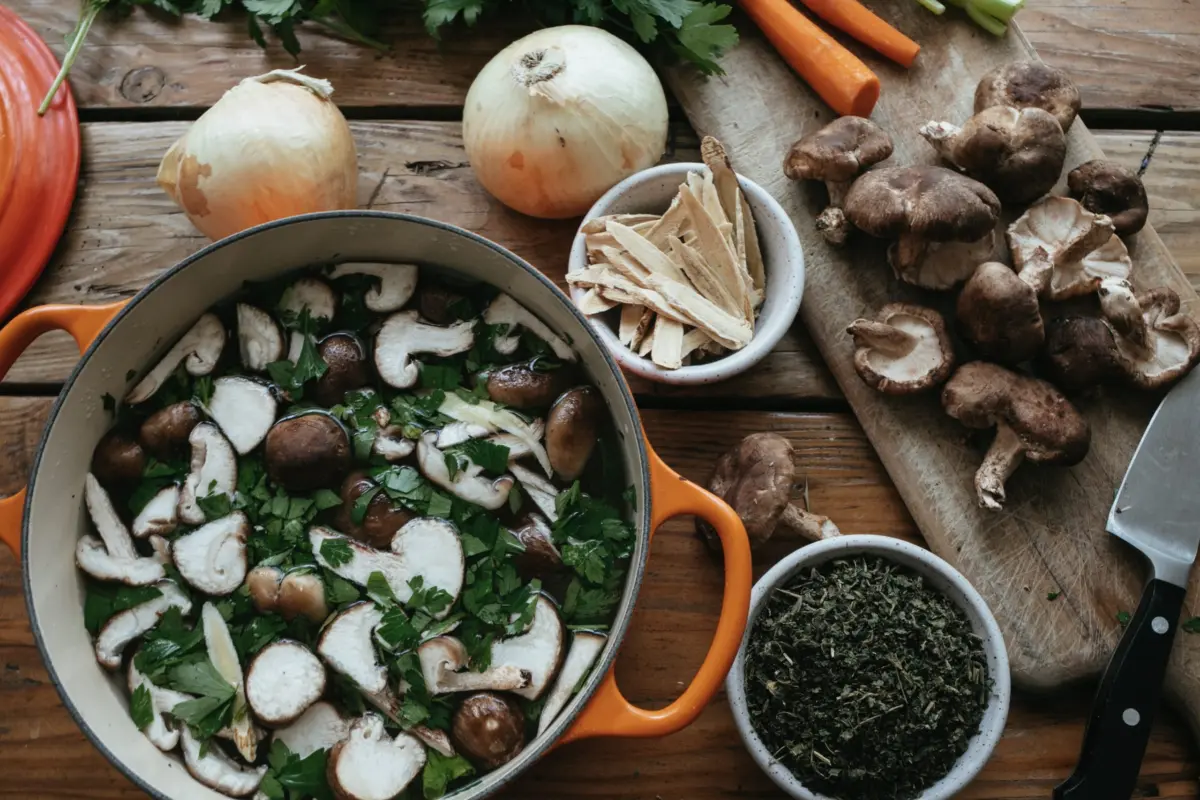
"It is one of the most nutrient-dense herbs and is readily available in most parts of the US. Each part of the plant offers different herbal actions and support for the body. The leaves, roots, and seeds all offer unique energetics and usages… Although it stings, I think that is an amazing mechanism the plant has come up with to keep critters away so that the plant can shine!"
Implications: Challenges and the Future of Clinical Herbalism
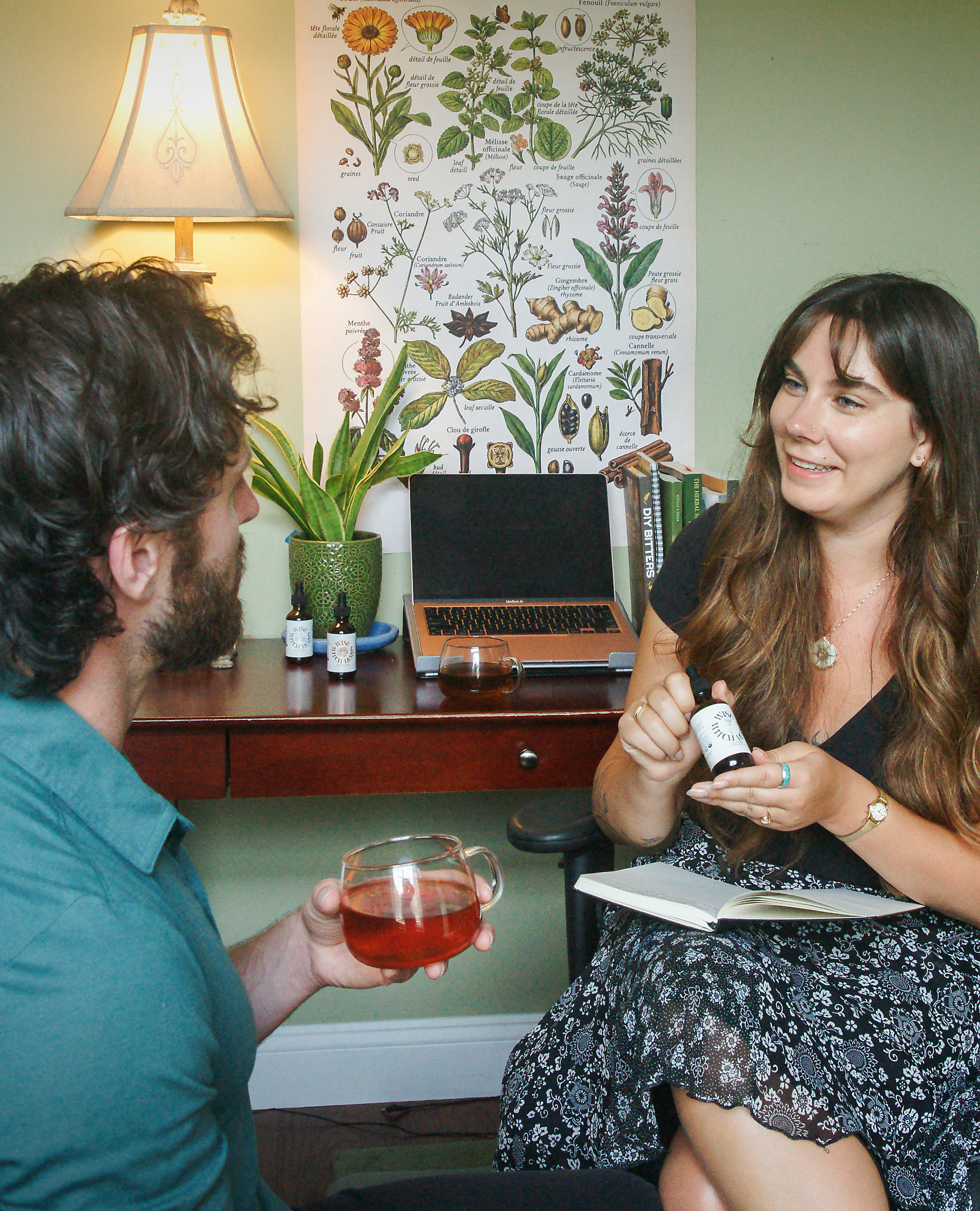
As Buzzalini transitions into full-time clinical practice—offering virtual herbal consultations focusing on women’s health for clients in the US and the UK—she confronts a major systemic hurdle facing the modern herbal community: the scarcity of rigorous, science-backed clinical research.
The Research Gap in Botanical Medicine
While completing her British university degree in Clinical Herbalism, Buzzalini has engaged heavily in academic research, frequently sourcing up to twenty peer-reviewed papers per assignment. Her findings highlight a glaring discrepancy within the wellness industry.
"Through writing all of these different papers and finding upwards of twenty articles for sourcing per assignment, I have found that the science-backed research on herbalism is lacking," Buzzalini explains. "There is not enough funding for herbal clinical trials, and the animal and in-vitro studies don’t supply enough evidence to back up herbal claims. I would love to see more companies investing in researching the therapeutic actions of herbs."
This observation carries profound implications for the future of integrative medicine. For herbalism to bridge the gap completely with conventional allopathic medicine, increased institutional and corporate investment in double-blind, human clinical trials is essential. Without robust data, practitioners must rely heavily on historical precedence, traditional energetics, and observational case studies—methods that have sustained herbalism for millennia, but which often struggle to gain validation in strictly reductionist scientific paradigms.
Conclusion and Advice for Aspiring Herbalists
Victoria Buzzalini’s journey underscores a powerful truth: herbalism is not merely a collection of remedies, but a lifelong relationship with the natural world. For those intimidated by the sheer volume of botanical lore, her advice is refreshingly grounded:
"For those that are just starting their herbalism journey, I’d recommend taking it slow. It can be very overwhelming with the amount of knowledge out there and the variety of plants. I would suggest picking one herb per month to study. Plant it in your garden if you can, make a tea with it, try a tincture of it—just become very familiar with the plant. By the end of the year, you’ll be an expert on 12 plants and it just grows from there."
As Wise Witch Herbs expands into physical product lines, and as Buzzalini opens her clinical practice, her work serves as an inspiring blueprint for students, entrepreneurs, and nature lovers alike: a testament to the fact that when we listen closely to the earth, we ultimately learn how to heal ourselves.
Related Student Spotlights from the Herbal Community
Rae Bellows (@wildoriginsbotanicals) – Creator of hydrosols and seed-to-bottle botanical products.
Ashley Ruiz (@herbal.ash) – Specialist in herbal stress management and hormone support.