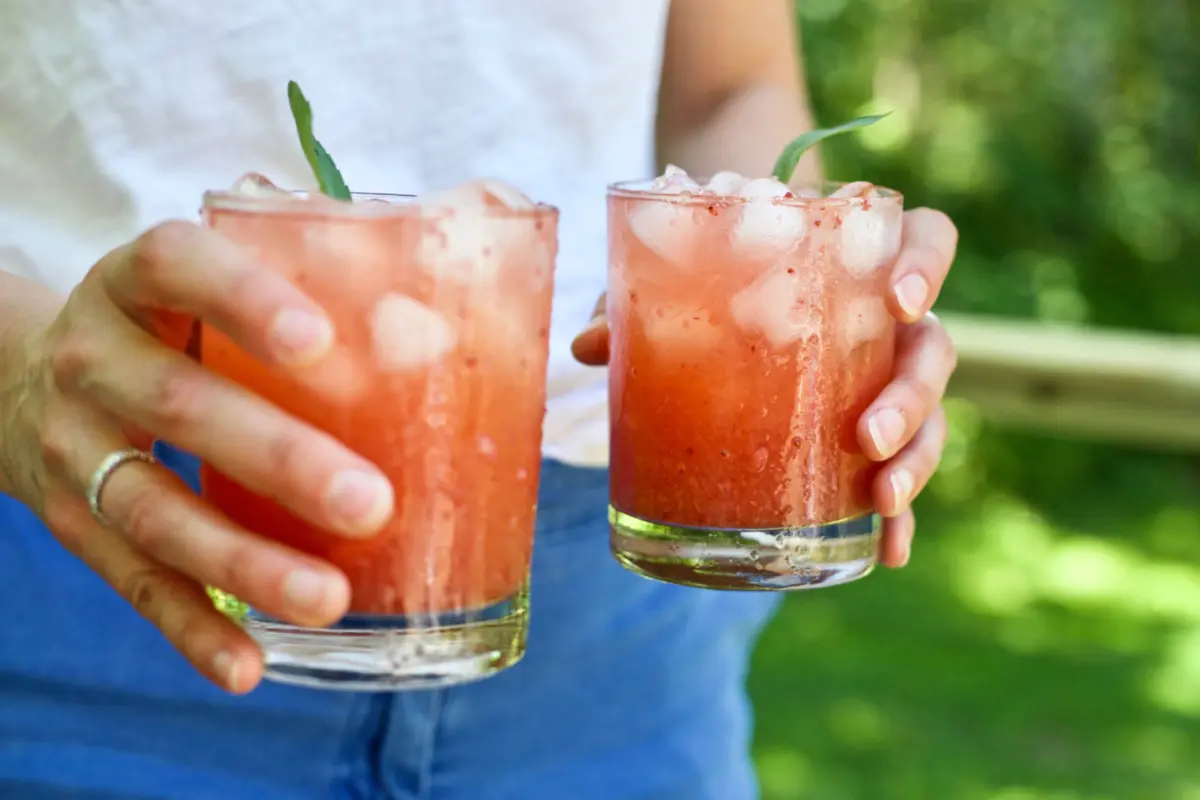
When the summer sun beats down and temperatures soar, few things offer immediate relief quite like a tall, ice-cold glass of lemonade. A beloved fixture of warm-weather refreshment in the United States since the 1800s, this iconic drink is universally celebrated for its bright, tart flavor, effortless preparation, and nostalgic association with backyard barbecues and neighborhood pop-up stands.
As strawberry season reaches its peak, culinary and herbal enthusiasts are finding innovative ways to elevate this timeless beverage. By blending seasonal fruit with traditional herbal allies like peppermint and sweet basil, home cooks can transform a standard pitcher of lemonade into a sophisticated, health-boosting elixir. But beyond its modern appeal as a patio-side cooler, lemonade boasts a rich, centuries-old global history that stretches from medieval Egyptian markets to British naval ships and American temperance movements.
Main Facts: The Anatomy of a Global Refreshment
At its core, lemonade is a deceptively simple concoction: fresh citrus juice, water, and a sweetening agent. However, its widespread cultural footprint relies heavily on both versatility and nutrition. Freshly squeezed lemons provide a robust dose of vitamin C and citric acid, while seasonal additions—such as ripe strawberries—infuse the beverage with vital antioxidants, dietary fiber, and dynamic flavor profiles.
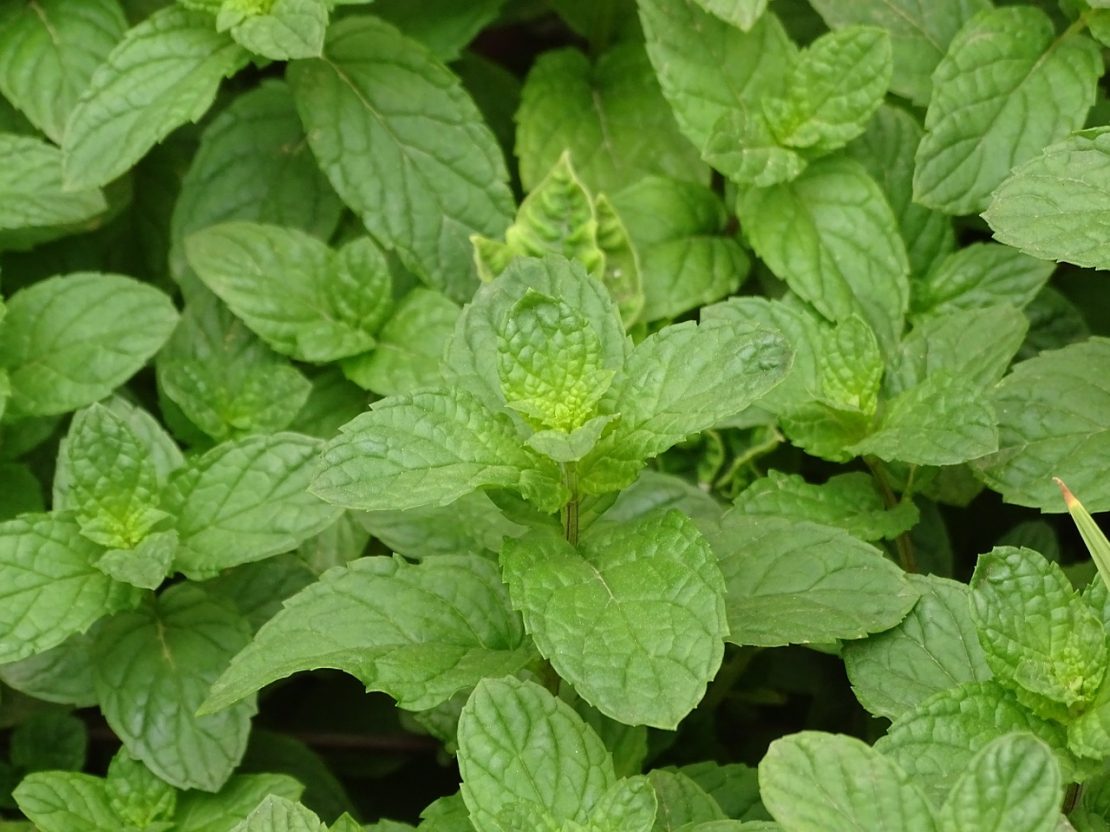
In contemporary mixology and herbalism, lemonade serves as an ideal canvas for functional ingredients. Herbs like peppermint (Mentha × piperita) and sweet basil (Ocimum basilicum) do more than simply garnish the glass; they actively contribute to the drink’s therapeutic properties.
- Peppermint: Celebrated for thousands of years in Ayurvedic and Traditional Chinese Medicine, peppermint contains menthol, a volatile compound that helps soothe nervous tension and naturally cools the body from the inside out.
- Sweet Basil: Beyond its status as a culinary favorite, basil is rich in flavonoids that support a healthy immune response and offer gentle digestive support. Paired with strawberries, it creates a remarkably balanced, refreshing flavor profile.
Chronology: A History of Lemonade Through the Ages
While many assume lemonade is a relatively modern American invention, its written history spans over a thousand years, evolving from a medicinal tonic in North Africa to a global commercial commodity.
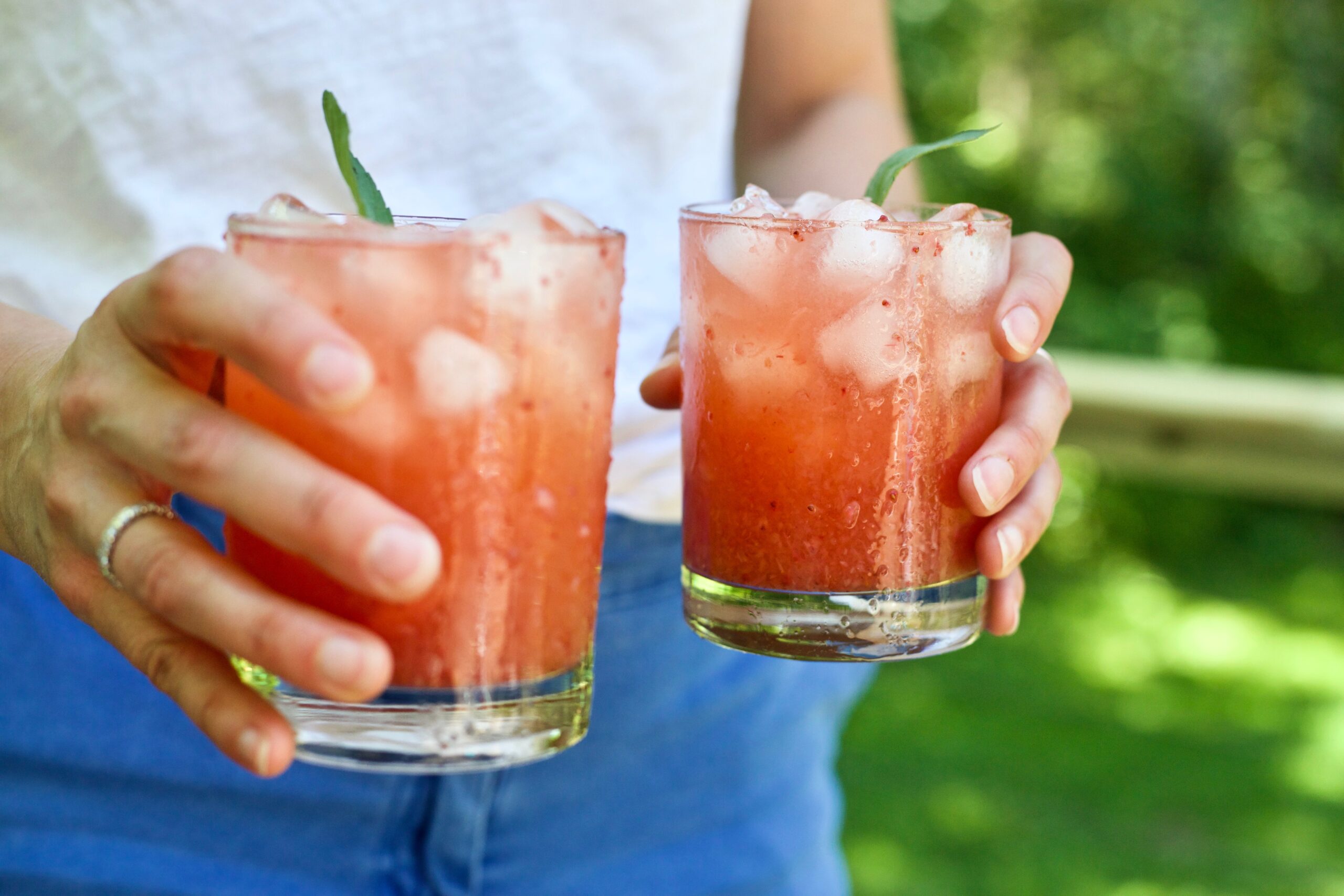
10th-Century Egypt: The Birth of Qatarmizat
The earliest historical records of a beverage resembling modern lemonade trace back to 10th-century Egypt. Known as qatarmizat, this early precursor was crafted from a concentrated blend of lemon juice, water, and sugar. Rather than being served merely as a casual refreshment, it was frequently prescribed by physicians for medicinal purposes.
12th Century: A Medieval Remedy
By the 12th century, Egyptian medical texts recommended qatarmizat as a targeted remedy for common ailments. Historical records indicate the drink was utilized to alleviate sore throats, calm digestive upset, and counteract the physical toll of overindulgence (Sonneman, 2012).
17th-Century Paris: The Carbonated Craze
Lemonade took a fizzy turn in 1600s Paris, where street vendors began selling a carbonated iteration of the drink. The public appetite for this effervescent beverage was so immense that vendors ultimately organized and formed a formal trade guild known as the "Compagnie de Limonadiers," cementing lemonade’s status as a commercial success.
Late 1700s: Combating Scurvy at Sea
In the late 18th century, the British Royal Navy recognized the invaluable health properties of citrus juice. Sailors were issued a daily lemonade ration to combat scurvy during long voyages, relying on the high vitamin C content to keep crews healthy on the open ocean (Kennedy, 2025).
1800s America: The Temperance Movement
Lemonade found a permanent home in the United States during the 19th century. Its popularity skyrocketed during the rise of the temperance movement. As alcohol faced increasing social stigma and eventual prohibition, organizations such as the Women’s Christian Temperance Union actively promoted lemonade as a flavorful, socially acceptable alternative at public gatherings and community events.

Supporting Data: Nutrition, Herbs, and Botanical Synergy
Integrating functional herbs and fresh fruit into a standard beverage base transforms an everyday treat into a nutrient-dense tonic. Modern nutritional science continues to validate what traditional herbalists have practiced for centuries: plant compounds significantly enhance human well-being.
| Ingredient | Primary Active Compounds | Traditional & Modern Health Benefits |
|---|---|---|
| Lemons | Ascorbic acid (Vitamin C), Citric acid | Supports immune function, aids iron absorption, promotes hydration |
| Strawberries | Anthocyanins, Ellagic acid | Provides antioxidants, supports cardiovascular health, reduces oxidative stress |
| Peppermint | Menthol, Menthone | Soothes digestive discomfort, cools the body, relieves tension |
| Basil | Flavonoids, Essential oils | Offers antioxidant and anti-inflammatory support, aids digestion |
According to historical timelines compiled by food historians, the citrus trade expanded rapidly alongside global shipping routes, making lemons widely accessible to households by the Victorian era. Today, culinary experts and herbalists encourage home experiments, utilizing local honey and sparkling water to modernize traditional recipes without sacrificing their wholesome origins.
Official Responses and Expert Perspectives
Herbalists, historians, and nutritionists alike champion the revival of botanical mixology. Rather than relying on heavily processed, sugary commercial soft drinks, health advocates emphasize the benefits of returning to whole-food ingredients.
"Lemonade leaves plenty of room to experiment with herbs," notes a spokesperson for the Herbal Academy. "From cooling mint and chamomile to rooibos, nettle, and aromatic culinary herbs, exploring different ways to bring botanical flavor to a classic summer favorite bridges the gap between culinary arts and holistic wellness."
Culinary historians emphasize that the drink’s enduring survival across ten centuries is a testament to its fundamental adaptability. Whether served as a medicinal cordial in medieval Cairo, a naval ration against scurvy, or a backyard herbal refresher today, lemonade adapts seamlessly to the needs of the era.
Implications: The Modern Rise of Functional Beverages
The growing consumer shift toward functional foods and beverages has profound implications for modern lifestyle habits. As individuals increasingly seek out transparent, health-conscious, and environmentally sustainable options, traditional recipes like herbal-infused lemonades are experiencing a major renaissance.
1. Sustainable and Local Consumption
The emphasis on using raw, local honey, fresh seasonal strawberries, and garden-grown herbs encourages consumers to support local agriculture and farmers’ markets. This localized approach reduces carbon footprints associated with mass-produced bottled beverages.
2. The DIY Wellness Movement
Platforms offering free educational resources—such as downloadable guides on functional beverage crafting—empower individuals to take charge of their own health and nutrition. By understanding the pharmacognosy of plants like peppermint and basil, consumers transform everyday cooking into an act of self-care.
3. Cultural Preservation Through Flavor
Revisiting historical recipes like qatarmizat fosters a deeper appreciation for cross-cultural culinary histories. It reminds modern consumers that global food traditions are deeply interconnected, with today’s backyard refreshments carrying the legacy of ancient remedies.
Recipe: Herbal Strawberry Lemonade
Ready to bring history and modern herbalism into your kitchen? Try this refreshing, sparkling twist on a classic favorite.
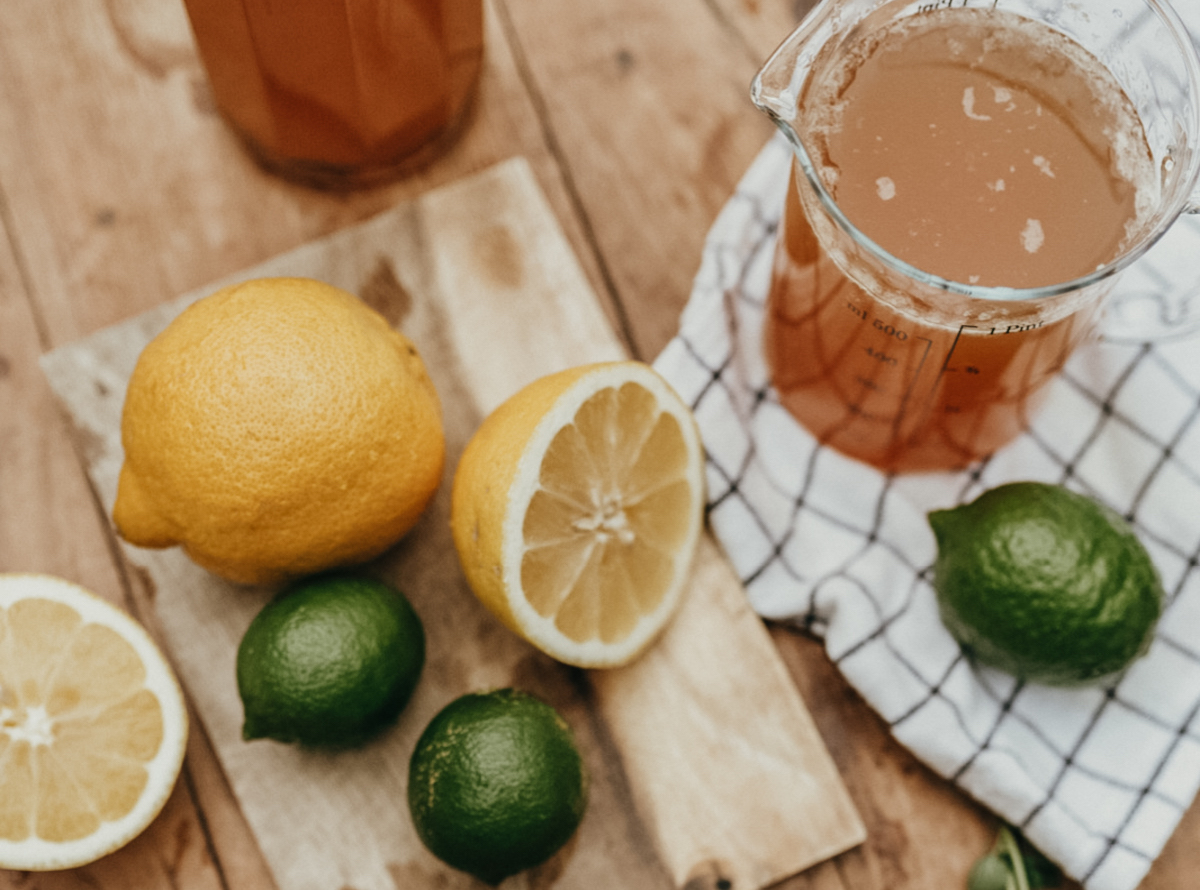
Fresh strawberries contribute vitamin C and antioxidants. Muddled together with basil or mint, lemon juice, and honey, this delightful lemonade will steal the show at your next summer gathering.
Ingredients
- 5 organic strawberries, diced
- 10-15 peppermint (Mentha × piperita) leaves or sweet basil (Ocimum basilicum) leaves, plus extra sprigs for garnish
- 8 fl oz (1 cup) filtered water
- ½ cup raw, local honey (adjusted to taste)
- 16 fl oz (2 cups) freshly squeezed lemon juice (approximately 12 large lemons)
- 2 cups sparkling water
- Lemon slices for garnish (optional)
Instructions
- In a mixing bowl or pitcher, combine the diced strawberries and your choice of peppermint or basil leaves.
- Muddle the fruit and herbs thoroughly to release their essential oils and juices.
- Dissolve the raw, local honey into the 1 cup of filtered water, then pour the mixture over the muddled strawberries and herbs.
- Stir in the freshly squeezed lemon juice, ensuring all flavors are well incorporated. Strain the mixture if you prefer a pulp-free consistency, or leave it rustic.
- Note: Because sparkling water will lose its effervescence within a few hours, wait to stir in the 2 cups of sparkling water until just before serving.
- Pour over ice, garnish with fresh herbal sprigs or lemon slices, and enjoy immediately!