








LONDON — In an era defined by rapid technological acceleration, artificial intelligence curation, and constant digital connectivity, a quiet counter-movement is taking place across living rooms, urban apartments, and holistic studios worldwide. Millions of individuals are turning inward, seeking tactile, analog methods for self-reflection and personal growth. At the center of this renaissance is the ancient and ever-evolving practice of Tarot.
Far from being static tools of mere divination or parlor fortune-telling, Tarot decks are increasingly viewed by contemporary psychologists, artists, and spiritual practitioners as dynamic mirrors. They reflect both the inner landscape of the human psyche and the complex external realities of the modern world. However, like any relationship, the bond between a reader and their cards requires intentional care, renewal, and active cultivation.
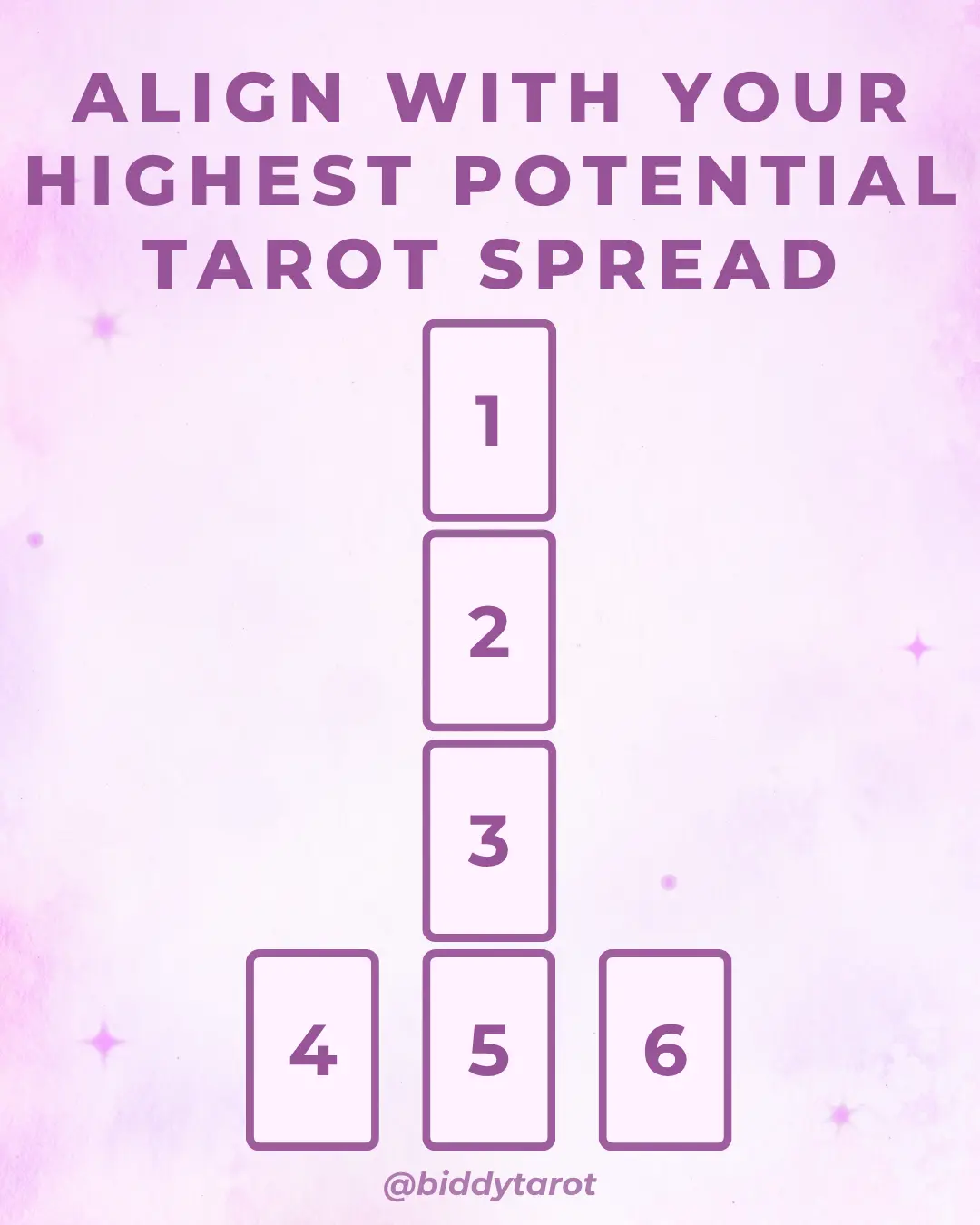
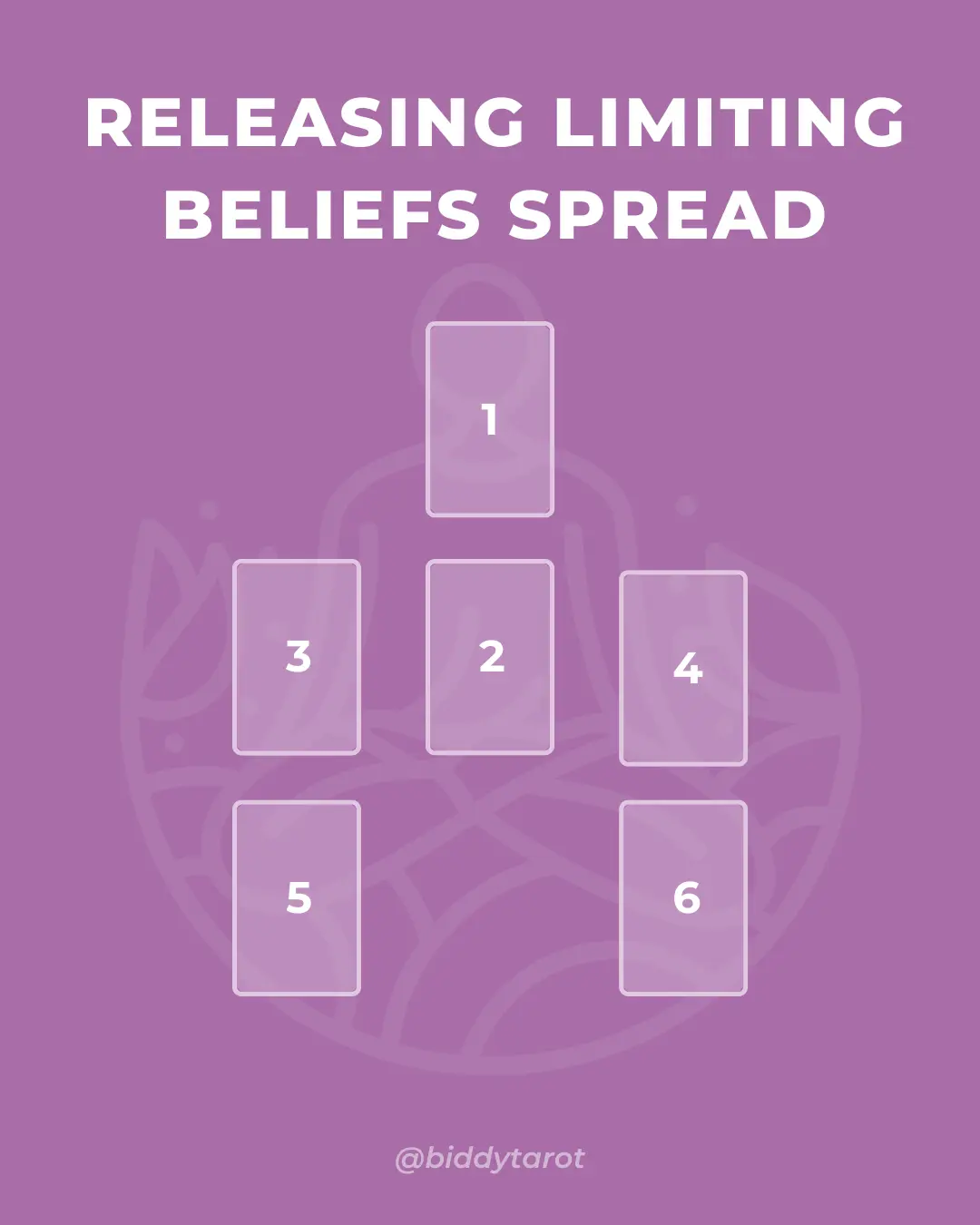
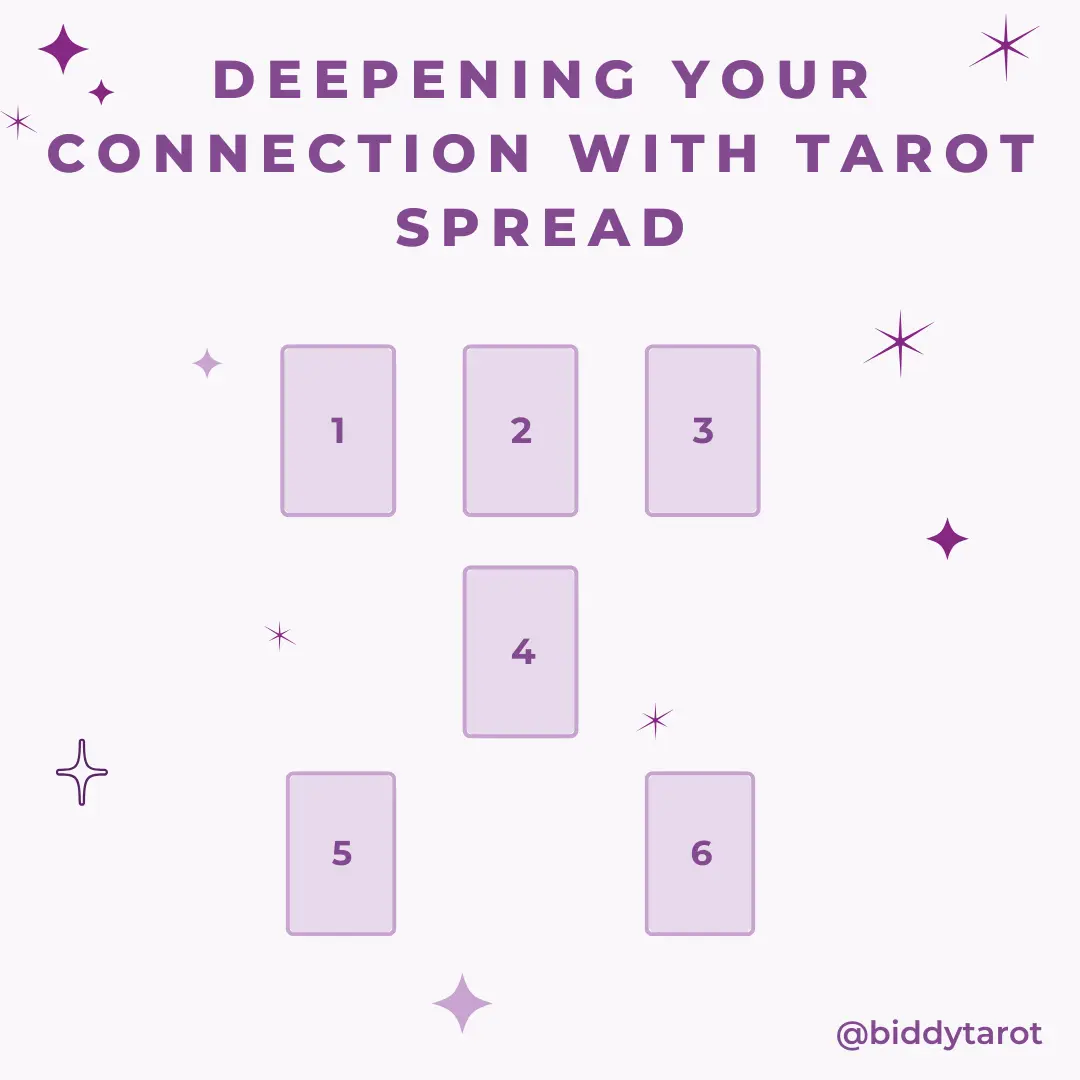
To address this need, spiritual communities are embracing specialized frameworks designed to revitalize stagnant practices. Among these is a newly popularized ritual known as the "Deepening Your Connection with Tarot" spread—a structured, multi-card layout engineered to recalibrate intuition, clear energetic clutter, and illuminate the road ahead.
Main Facts: The Anatomy of a Modern Spiritual Renaissance
The resurgence of Tarot is not merely anecdotal; it represents a multi-million-dollar global cultural shift. Market researchers note a dramatic spike in deck sales, instructional workshops, and digital community engagements over the past five years.
At its core, Tarot functions through synchronicity and projection. When a practitioner lays out a spread, the archetypal imagery of the cards bypasses linear, analytical thought, speaking directly to the subconscious. Over time, however, even the most dedicated readers can experience "Tarot fatigue"—a state where readings become mechanical, habitual, or overly reliant on guidebook definitions rather than raw, organic intuition.
The "Deepening Your Connection" spread was developed to combat this exact phenomenon. Acting as a diagnostic and therapeutic tool for the practice itself, the spread asks foundational questions about the reader’s current energetic alignment, blockages in intuition, and future trajectories within their spiritual journey.
While the source material provides the foundational architecture for this reflective layout, industry leaders emphasize that its true power lies in its versatility. It can be utilized by absolute beginners picking up their first Rider-Waite-Smith deck, as well as seasoned professional readers looking to clear their heads after months of intense client work.
Chronology: The Evolution of Tarot from Parlor Game to Psychological Mirror
To understand why intentional spreads like this matter today, it is essential to trace the historical trajectory of Tarot and how it arrived at its current cultural standing.
The Renaissance Roots (15th Century)
Tarot originated in the courts of 15th-century Northern Italy—specifically Lombardy, Ferrara, and Bologna—not as a mystical tool, but as a luxury card game known as Tarocchi. Played by the aristocracy, these hand-painted decks featured traditional suits alongside a unique set of allegorical trump cards. For centuries, the cards remained secular playthings, devoid of esoteric significance.
The Esoteric Awakening (18th–19th Century)
The transformation of Tarot from a game into a mystical art form began in the late 18th century with French occultists like Antoine Court de Gébelin and Jean-Baptiste Alliette (known as Etteilla). They popularized the unproven theory that Tarot cards originated in ancient Egypt, imbuing them with hermetic, astrological, and kabbalistic meanings. This paved the way for the 19th-century occult revival in France and England.
The Golden Dawn and the Modern Deck (Early 20th Century)
The modern Tarot landscape was irrevocably shaped in 1909 with the publication of the Rider-Waite-Smith deck. Conceived by occultist Arthur Edward Waite and brilliantly brought to life by artist Pamela Colman Smith—both members of the Hermetic Order of the Golden Dawn—this deck broke with tradition by illustrating all 78 cards, including the pip (numbered) cards. Smith’s evocative, narrative-driven illustrations democratized the practice, making the imagery instantly relatable and emotionally resonant.
The Contemporary Self-Care Movement (21st Century)
In recent decades, Tarot has undergone its most significant metamorphosis yet. Shedding its outdated reputation for doom and gloom, the practice has been embraced by the modern wellness movement. Today, Tarot is frequently integrated with mindfulness practices, shadow work, journal prompts, and psychological frameworks inspired by Carl Jung. It is within this modern context that specialized spreads designed to nurture the reader’s relationship with the cards—rather than just answering external questions—have emerged as vital spiritual hygiene.
Supporting Data: The Psychology and Demographics of Modern Tarot Use
While esoteric practices are often viewed through a purely mystical lens, contemporary research and industry data offer fascinating insights into why modalities like Tarot are thriving in the 21st century.

- The Demographic Shift: Market analyses from major independent publishers and spiritual platforms indicate that the primary demographic for Tarot practitioners has shifted significantly. While historically associated with older generations or niche subcultures, the core audience now spans Millennials and Generation Z (ages 18 to 41). These generations report utilizing Tarot not for literal fortune-telling, but as a psychological framework for decision-making, emotional regulation, and stress relief.
- The Rise of "Ritual Self-Care": Post-pandemic data highlights a massive surge in consumer spending on wellness goods, meditation apps, and mindfulness tools. Practices that offer a tactile, screen-free break—such as shuffling a deck of physical cards—have seen exponential growth.
- Intuitive Confidence Metrics: Internal surveys conducted by prominent online Tarot educational platforms reveal that over 65% of intermediate readers experience periods of self-doubt where they feel disconnected from their intuition. Spreads focused on reconnecting with the practice have shown a high reported rate of user satisfaction, with practitioners noting a renewed ability to read intuitively without needing to reference guidebooks.
Official Responses and Expert Insights
Leading voices in the modern intuitive community have weighed in on the significance of regular practice maintenance and the role of intentional spreads in daily life.
Brigit Esselmont, founder of the globally recognized platform Biddy Tarot, emphasizes that the relationship between a reader and their deck is dynamic and reciprocal.
"Tarot is always growing and evolving with you," Esselmont notes. "It acts as a mirror that reflects your inner and outer world. When you feel that spark dimming, or when your readings start to feel flat, you don’t need a new deck—you need a new way of listening."
According to holistic practitioners and mindfulness coaches, tools like the "Deepening Your Connection" spread serve as an essential reset button.
"We live in a culture that demands immediate answers and external validation," says Dr. Elena Vance, a transpersonal psychologist who incorporates archetypal imagery into her therapeutic practice. "When a client sits down to do a Tarot spread focused on their own intuition, they are performing an act of radical self-trust. They are training their subconscious to recognize its own wisdom."
Vance points out that structured spreads interrupt habitual thought loops. "By breaking down the inquiry into distinct, intentional positions—such as assessing current alignment versus examining future paths—the brain is forced to process information non-linearly. This stimulates creative problem-solving and emotional integration."
Implications: Integrating Intuition into a Fast-Paced World
The growing popularity of ritualistic self-reflection carries profound implications for individual well-being and community building in an increasingly digital society.
1. The Antidote to Digital Burnout
As algorithms increasingly dictate what people see, think, and feel, tactile practices offer a rare sanctuary of autonomy. Shuffling a deck of cards requires physical presence—a grounding sensory experience that pulls the mind away from the endless scroll of social media feeds and grounds it in the immediate physical environment. Spreads that focus on internal connection reinforce this sanctuary, reminding practitioners that the answers they seek are cultivated from within, not downloaded from a server.
2. Cultivating Emotional Resilience
In times of economic uncertainty and rapid social change, individuals crave frameworks that help them make sense of chaos. Tarot does not eliminate external stressors, but structured spreads empower readers to reframe their challenges through archetypal lenses. By viewing personal struggles as part of a larger narrative arc—akin to the journey of the Fool through the Major Arcana—individuals can develop greater psychological flexibility and resilience.
3. Fostering Global Communities
Paradoxically, while the act of drawing Tarot cards is deeply personal and analog, the modern practice is profoundly communal. Platforms like Instagram—where practitioners share their layouts, tag community leaders such as @biddytarot, and discuss their set intentions—have created a global town square for esoteric enthusiasts. This blend of ancient ritual and modern digital sharing allows individuals in isolated or conservative areas to find supportive, like-minded communities instantly.
Looking Ahead: How to Engage with Your Practice
For those looking to integrate these insights into their daily lives, experts recommend approaching the "Deepening Your Connection" spread with clear intentions and an open mind.
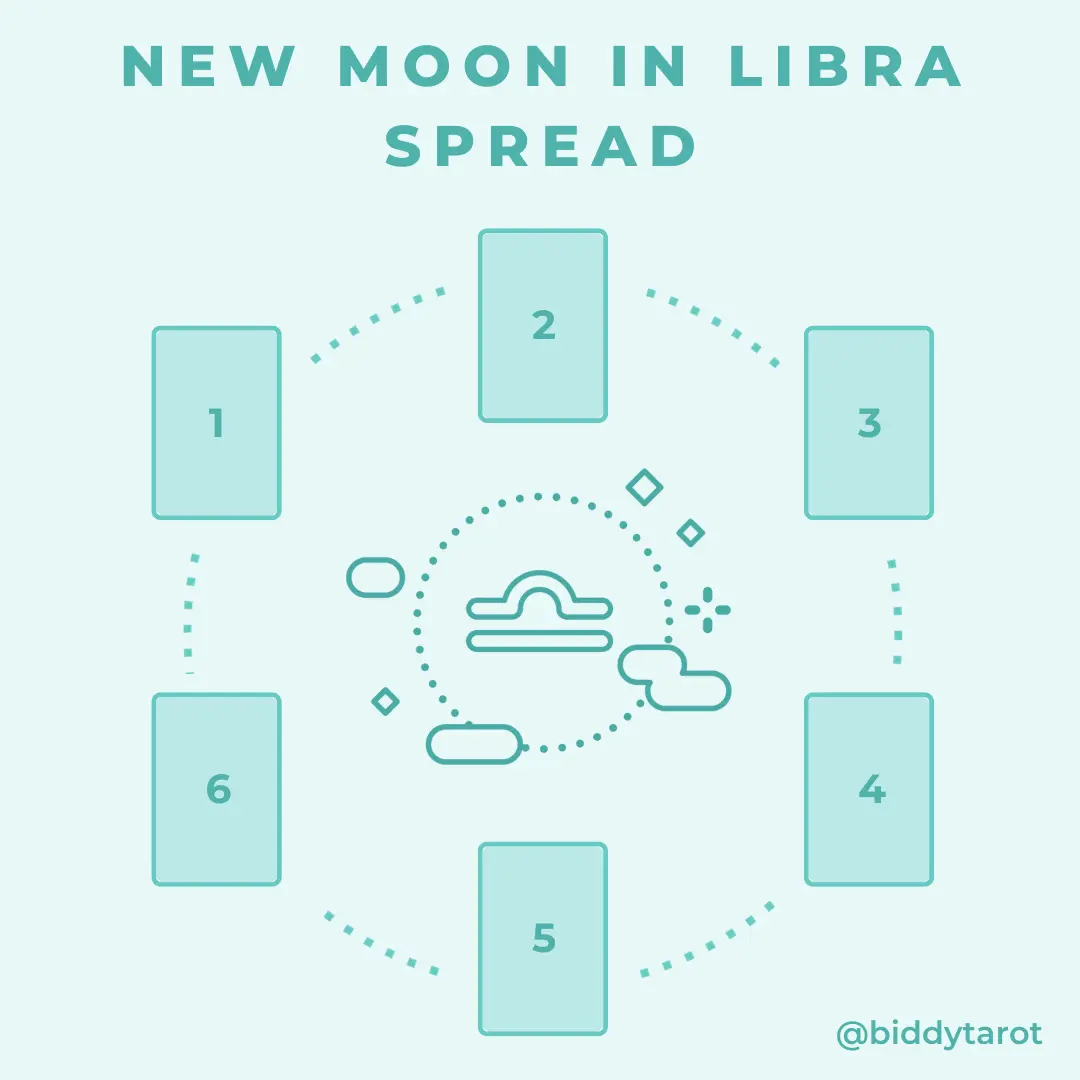
Whether performed during a quiet Sunday morning ritual, under the energy of a new moon, or simply whenever inspiration feels low, the process remains simple yet transformative:
- Clear your physical and energetic space. Center your breath and quiet your mind before touching the cards.
- Set a clear intention. Formulate what you wish to receive from your practice renewal.
- Lay out the spread. Allow the cards to speak to you intuitively, noting immediate emotional reactions before diving into deeper analysis.
- Document your journey. Journaling the insights gained ensures that the ephemeral magic of the reading translates into tangible personal growth.
As the modern world continues to accelerate, the timeless ritual of turning over a card remains a steadfast invitation to pause, reflect, and listen to the quiet voice of intuition waiting just beneath the surface.