









Main Facts: The Anatomy of a Modern Summer Classic
When the sun beats down relentlessly on a scorching afternoon, few beverages offer the immediate, restorative relief of a well-crafted glass of lemonade. A cornerstone of American culture since the 1800s—famously evoking nostalgic memories of neighborhood children operating pop-up stands on suburban sidewalks—lemonade is far more than a simple sweet-and-sour concoction. It is a resilient, globally cherished beverage with a lineage stretching back over a millennium.
As peak strawberry season brings an abundance of vibrant, sun-ripened fruit to local markets, modern culinary and herbal enthusiasts are elevating the traditional recipe. By integrating fresh seasonal berries with functional, cooling herbs like peppermint and sweet basil, beverage creators are transforming standard lemonade into a sophisticated wellness tonic. This contemporary evolution bridges the gap between historical remedies and modern palate preferences, offering both exceptional flavor and tangible health benefits.
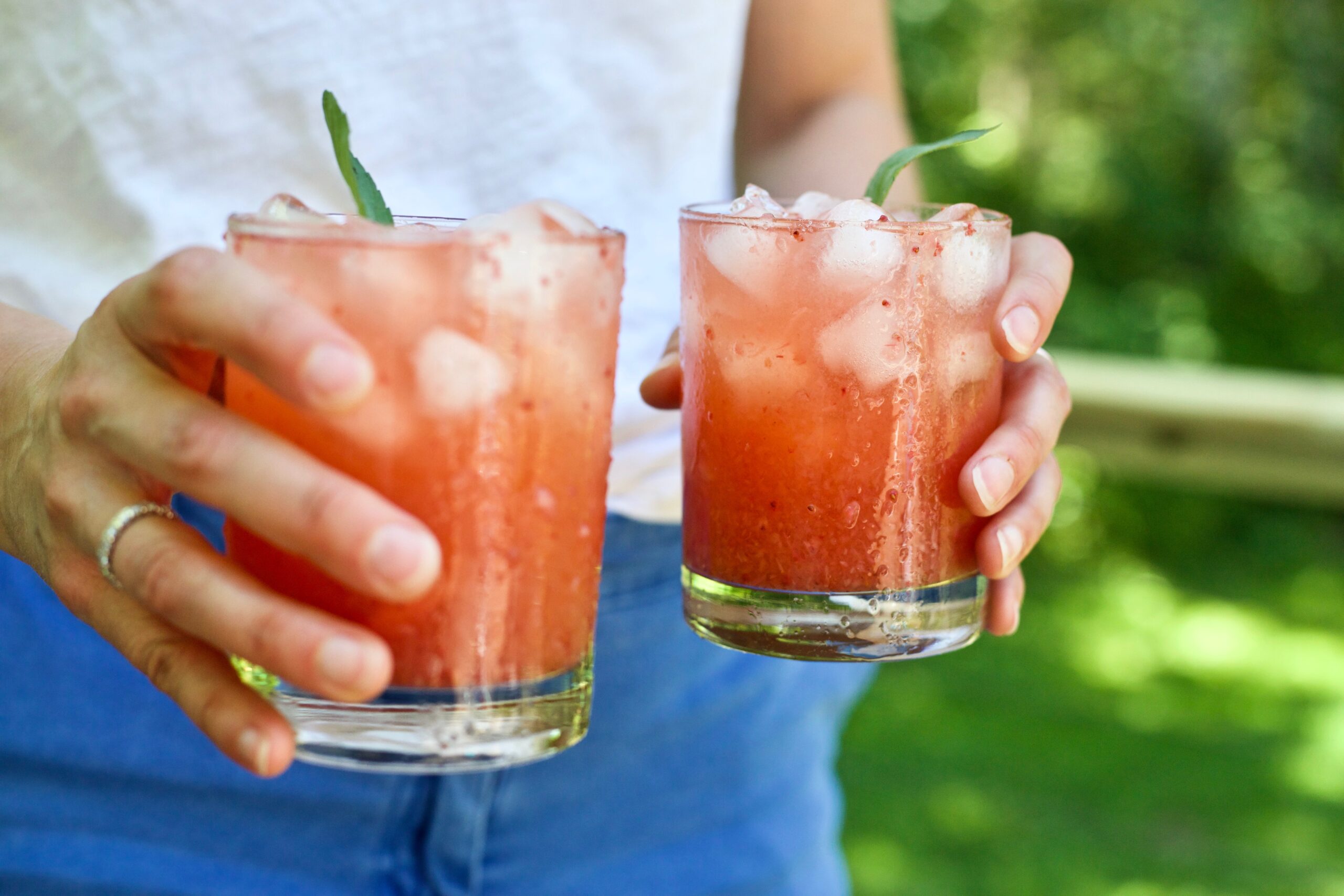
At its core, a superior herbal strawberry lemonade relies on the synergy of fresh ingredients: vitamin C-rich strawberries, tart freshly squeezed lemon juice, raw local honey, and a botanical infusion of muddled herbs, all effervescently topped with sparkling water. Far from just a sugary treat, this functional beverage leverages the natural cooling compounds of plants to help the body combat summer heat from the inside out.
Chronology: A Global History of Lemonade
While contemporary culture often associates lemonade with backyard barbecues and lazy summer afternoons, the drink boasts a rich, cosmopolitan history that spans continents and centuries.
10th-Century Egypt: The Birth of Qatarmizat
The earliest historical records of a beverage resembling modern lemonade trace back to 10th-century Egypt. Documented as qatarmizat, this primitive precursor consisted of a straightforward blend of lemon juice, water, and sugar. Rather than being consumed purely for recreation, early records indicate it was frequently prescribed by practitioners for medicinal purposes, including easing sore throats, soothing digestive upset, and recovering from overindulgence (Sonneman, 2012).
17th-Century Paris: The Fizzy Street Phenomenon
By the 1600s, lemonade had migrated to Europe, finding a booming market on the bustling streets of Paris. Vendors began selling a carbonated, fizzy variant that captured the public imagination. The demand for this early sparkling lemonade was so intense and widespread that street vendors formally unionized, establishing an official guild known as the “Compagnie de Limonadiers” to regulate and supply the surging market.
Late 1700s: The British Royal Navy’s Anti-Scurvy Ration
As maritime exploration expanded, the British Royal Navy recognized the critical health properties of citrus. By the late 1700s, British sailors were issued a daily lemonade ration. Valued primarily for its high vitamin C content, this tart beverage served as a crucial prophylactic against scurvy during long, grueling sea voyages (Kennedy, 2025).
19th-Century America: The Temperance Movement and Cultural Staple
Lemonade truly cemented its status in the American cultural landscape during the 1800s. The beverage experienced a massive surge in popularity during the rise of the temperance movement. As alcohol faced increasing social stigma and eventual prohibition, the Women’s Christian Temperance Union actively promoted lemonade as a sophisticated, flavorful, and socially acceptable alternative at public gatherings and social events.

Supporting Data: The Botanical and Nutritional Profile
Modern herbalism and nutritional science validate what ancient cultures intuitively understood: lemonade and its botanical additives offer significant functional benefits.
Nutritional Highlights of Strawberries and Lemons
- Vitamin C Powerhouse: Freshly squeezed lemon juice and ripe strawberries provide a robust dose of ascorbic acid (vitamin C), which supports immune function and collagen synthesis.
- Antioxidant Defense: Strawberries are rich in flavonoids and anthocyanins, which help combat oxidative stress caused by environmental factors and free radicals.
- Natural Electrolytes and Hydration: Combined with filtered water and raw honey, fresh citrus juice aids rapid rehydration on hot days, replenishing fluids lost through perspiration.
Functional Herbs: Peppermint and Basil
Integrating herbs into summer beverages does more than elevate flavor profiles; it introduces active plant compounds that target specific wellness goals:
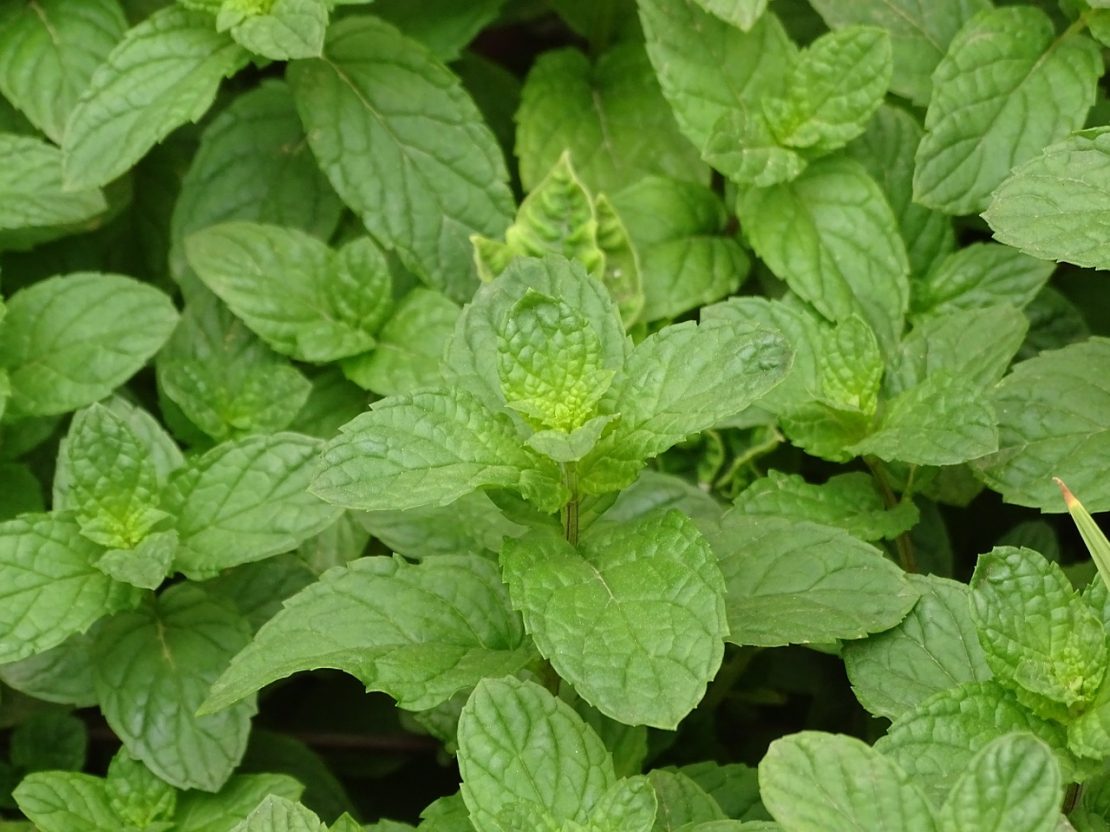
- Peppermint (Mentha x piperita): Used for millennia in traditional Ayurvedic and Chinese medicine systems, peppermint is celebrated for its ability to soothe tension and support both respiratory and digestive tracts. Its primary volatile compound, menthol, interacts with cold-sensitive receptors in the body, creating a genuine internal cooling sensation that combats heat discomfort.
- Sweet Basil (Ocimum basilicum): Beyond its status as a culinary favorite, basil features potent flavonoids with antioxidant properties that support a healthy immune response. Furthermore, its essential oils exhibit mild analgesic properties, making it an ideal herbal companion for relaxing after a demanding day of physical labor.
Official Responses and Expert Insights: Elevating the Craft
Culinary herbalists and educators emphasize that lemonade serves as a versatile canvas for botanical exploration. Rather than remaining static, the beverage industry and home-crafting communities are embracing functional mixology.
Experts point out that traditional recipes often rely exclusively on refined white sugar, which can mask the delicate nuances of fresh fruit and herbs. By substituting refined sugars with raw, local honey, makers not only enhance the depth of flavor but also introduce trace local pollens and enzymes.
Furthermore, herbal education institutions note a sharp rise in consumer interest regarding botanical integration. Workshops focusing on botanical mixed drinks and herbal syrups highlight a growing cultural shift: consumers increasingly seek out beverages that offer functional health benefits—such as stress relief, digestive support, and natural cooling—without sacrificing sensory pleasure.
Implications: The Rise of Functional Beverages in Modern Culture
The enduring popularity of lemonade, now coupled with the modern herbalism movement, carries several cultural and health implications for contemporary consumers.
1. A Shift Toward Mindful Consumption
As consumers become more health-conscious, sugary commercial sodas are steadily losing market share to artisanal, functional beverages. Herbal lemonades provide a bridge between indulgence and wellness, proving that healthy choices do not require compromising on taste or celebratory spirit.
2. Revitalizing Traditional Herbalism
The incorporation of everyday culinary herbs like basil and mint into beverages demystifies herbalism, making it accessible to the general public. When individuals realize they can support their digestive health, mental clarity, and body temperature simply by muddling garden herbs into a summer drink, they are more likely to explore broader botanical traditions.
3. Sustainability and Local Sourcing
Recipes emphasizing raw local honey, seasonal organic strawberries, and home-grown or locally foraged herbs encourage sustainable purchasing habits. Supporting local apiaries and farmers’ markets reduces carbon footprints while strengthening community food economies.
Crafting Your Own: Herbal Strawberry Lemonade Recipe
To experience the historical depth and modern health benefits of this beverage firsthand, try this expert-formulated recipe at home.
Ingredients
- 5 organic strawberries, diced
- 10–15 fresh peppermint (Mentha x piperita) leaves or sweet basil (Ocimum basilicum) leaves (plus extra sprigs reserved for garnish)
- 8 fl oz (1 cup) filtered water
- ½ cup raw, local honey (adjust to taste)
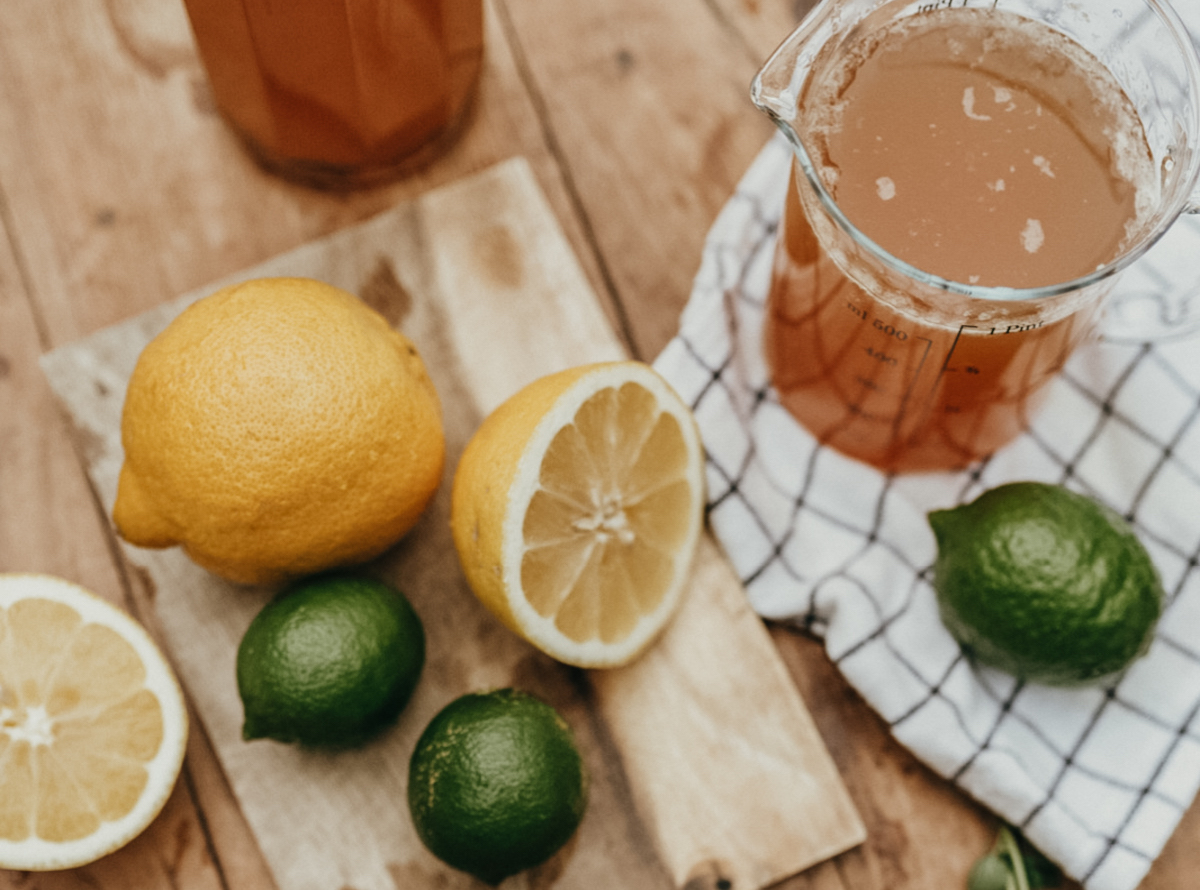
- 16 fl oz (2 cups) freshly squeezed lemon juice (derived from approximately 12 large lemons)
- 2 cups sparkling water
- Lemon slices and herbal sprigs (optional), for garnish
Step-by-Step Directions
- Muddle the Base: In a sturdy pitcher or glass bowl, combine the diced strawberries and your chosen herbs (mint or basil). Use a muddler or the back of a wooden spoon to thoroughly crush the ingredients, releasing their aromatic oils and juices.
- Prepare the Sweetener: In a separate container, gently warm the 1 cup of filtered water (ensuring it is not boiling hot to preserve the beneficial enzymes in the honey) and stir in the raw local honey until completely dissolved.
- Combine Juices: Pour the freshly squeezed lemon juice and the honey-water mixture into the pitcher with the muddled strawberries and herbs. Stir well to integrate all flavors.
- Chill: Place the mixture in the refrigerator to chill thoroughly, allowing the botanical flavors to steep and meld together.
- Add Effervescence and Serve: Note: Sparkling water will lose its carbonation within a few hours, so wait to add it until just before serving. Stir in the 2 cups of chilled sparkling water. Pour over ice into glasses, garnish with fresh lemon slices and reserved herb sprigs, and serve immediately.
For those looking to expand their botanical mixology skills, educational resources such as digital monographs in The Herbarium and specialized Ebooks like 15 Functional Lemonade Recipes offer endless inspiration for infusing traditional summer drinks with healing botanical properties.