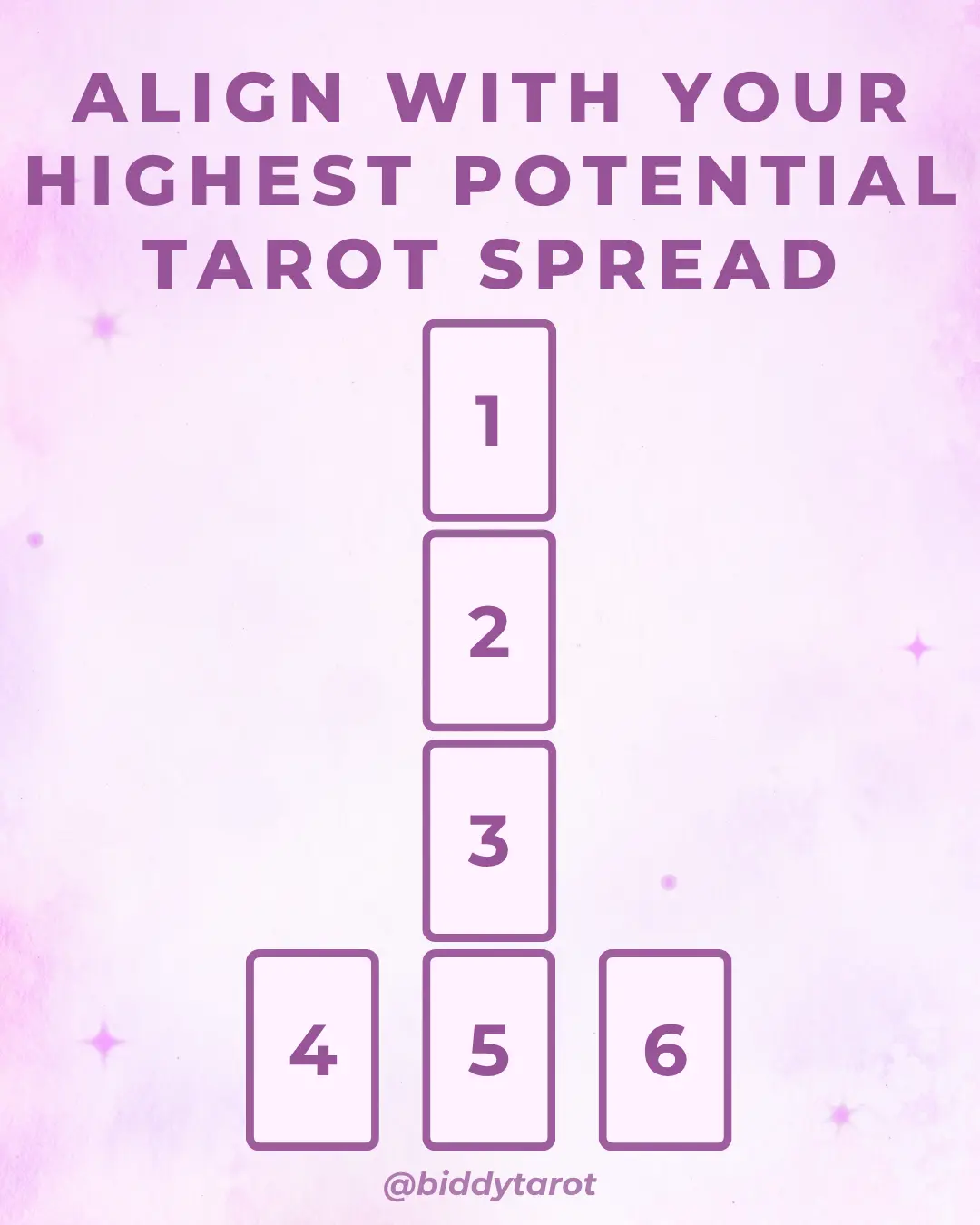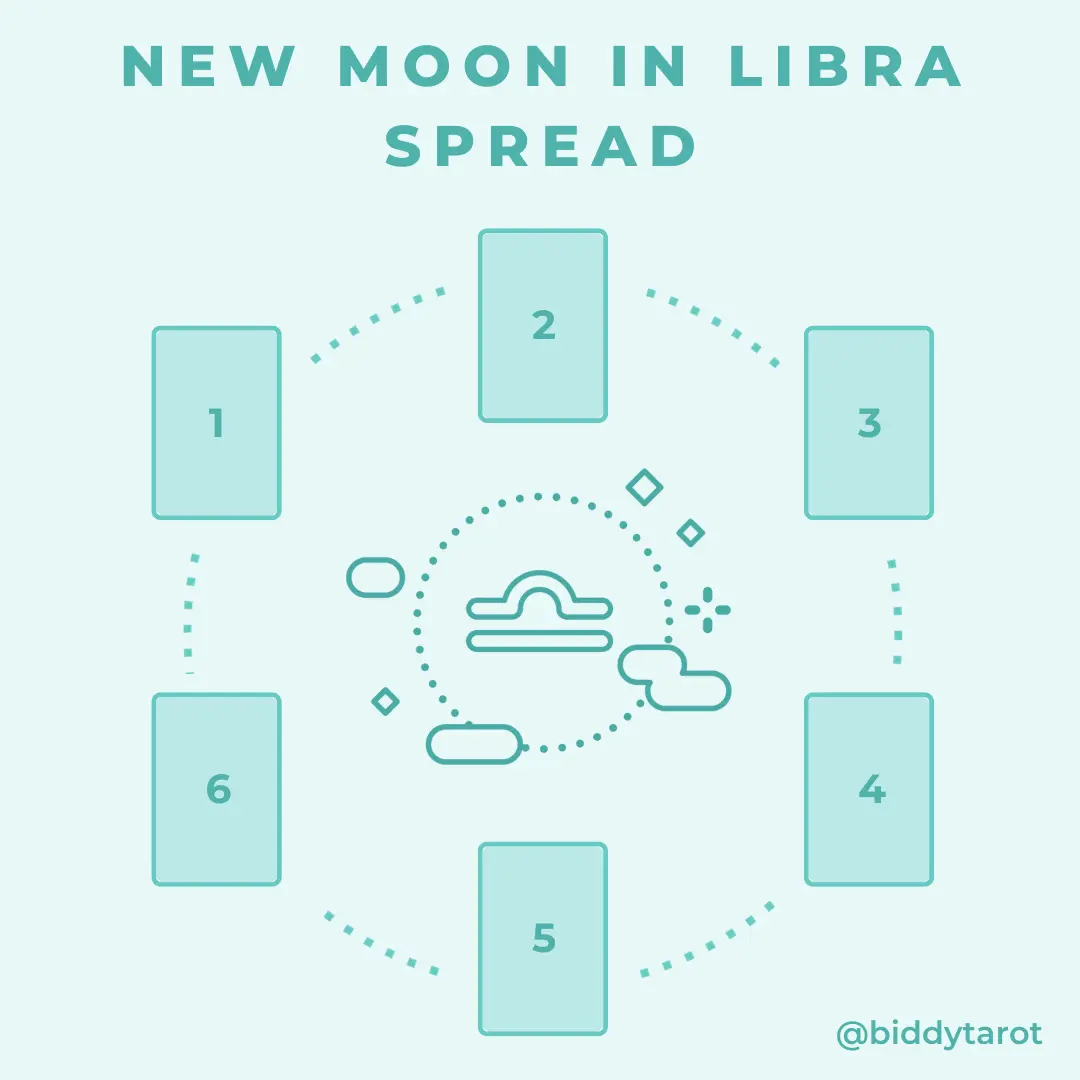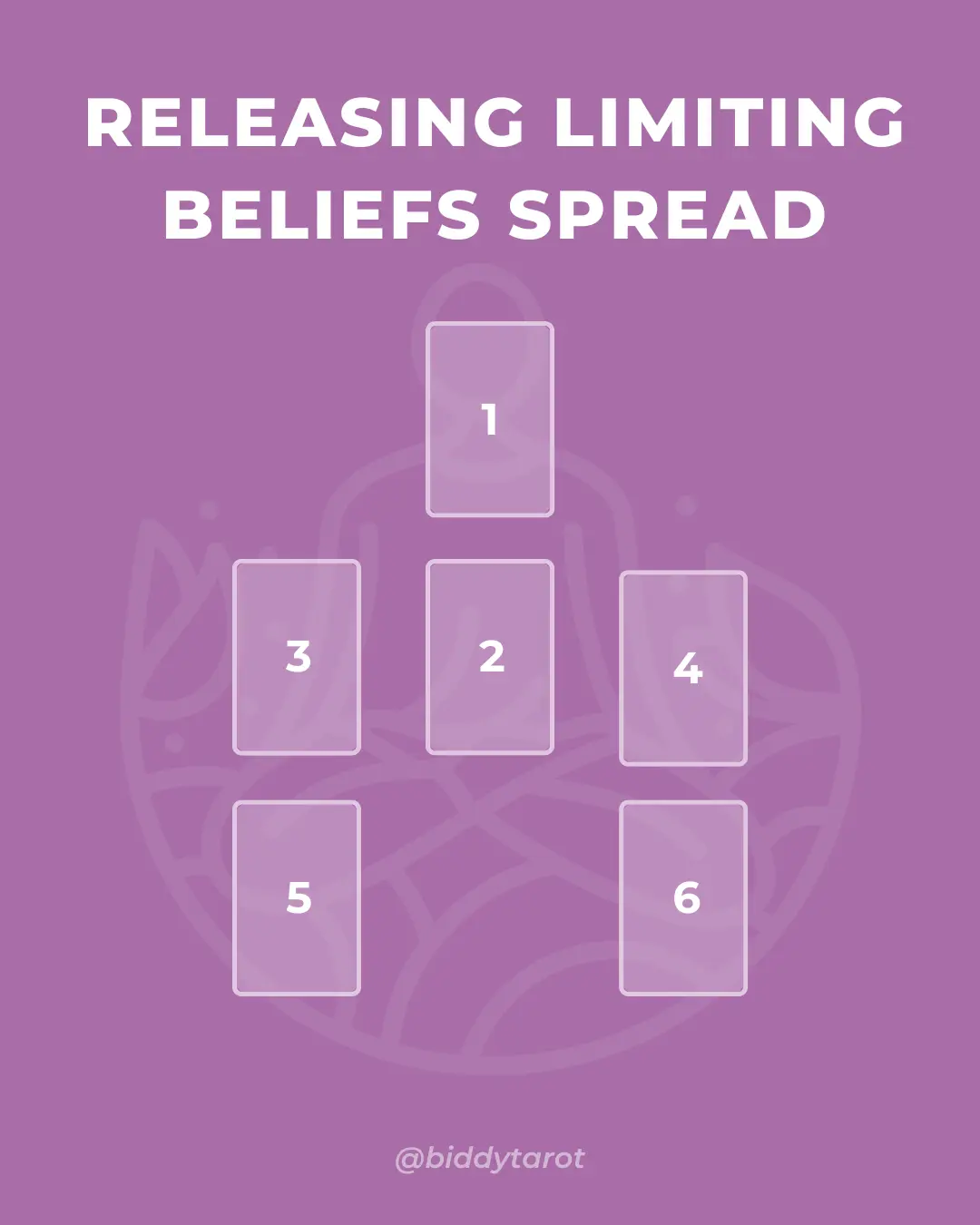
LOS ANGELES — In an era defined by rapid technological acceleration, artificial intelligence predictions, and constant digital noise, a quiet counter-revolution is taking place across living rooms, coffee shops, and wellness centers worldwide. Millions of individuals are turning inward, seeking tangible, analog tools for self-reflection. At the vanguard of this movement is the ancient practice of Tarot.
Far from being relegated to the dusty corners of Victorian parlors or dismissed as parlor magic, Tarot has undergone a profound cultural renaissance. Today, it is recognized not merely as a divination tool, but as a sophisticated psychological mirror, an artistic medium, and a structured framework for emotional and spiritual mindfulness. Yet, even the most dedicated practitioners occasionally experience spiritual plateaus—moments where readings feel mechanical, intuition feels blocked, or the daily chaos of life drowns out the subtle whispers of the cards.
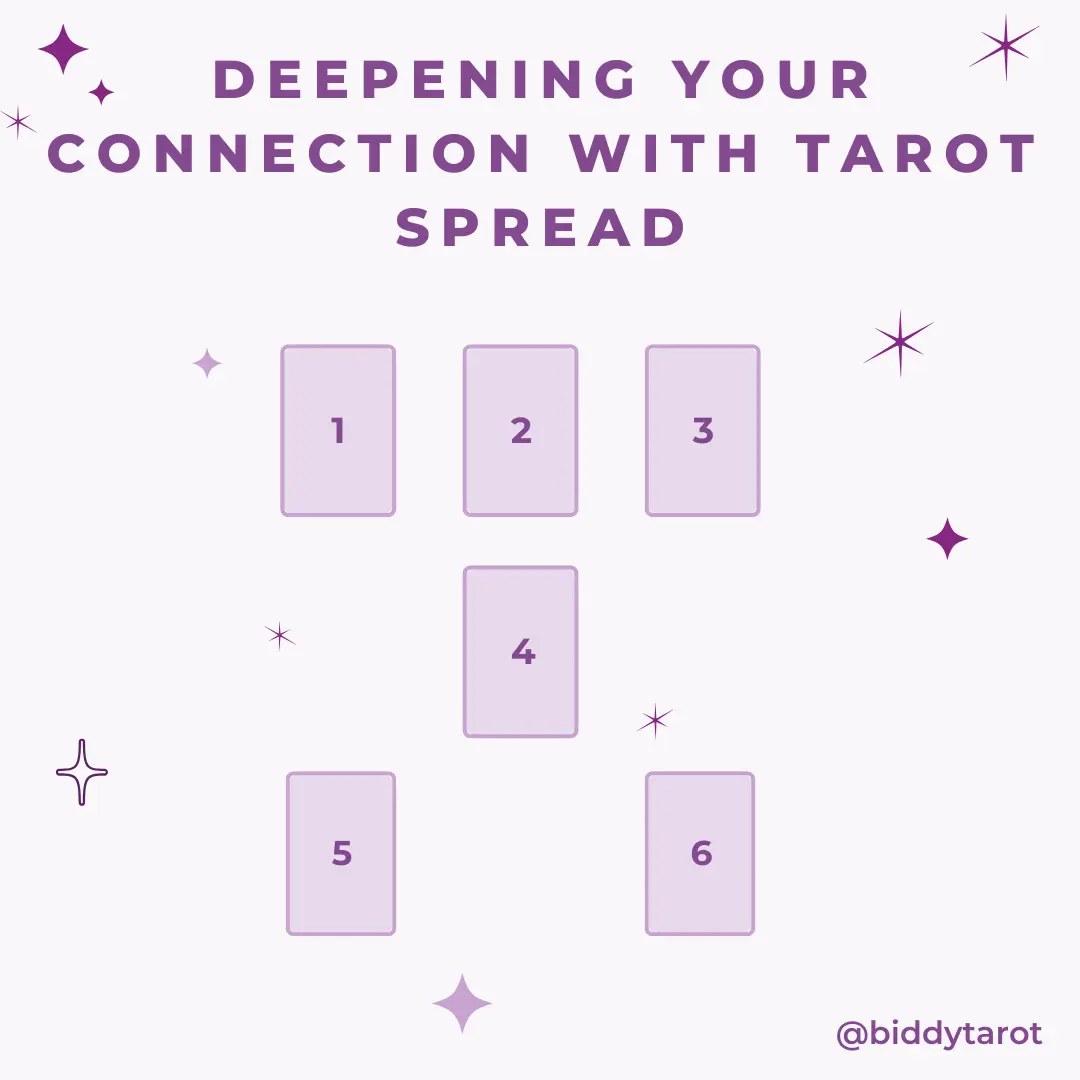
To address this widespread phenomenon, prominent esoteric educators have introduced new methodologies designed to revitalize stagnant practices. Among the most anticipated is a specialized framework known as the "Deepening Your Connection with Tarot" spread—a curated ritual designed to recalibrate the bond between reader, deck, and intuition.
Main Facts: The Anatomy of a Modern Tarot Renaissance
The resurgence of Tarot is not merely anecdotal; it is supported by a significant cultural shift toward holistic wellness, mental health awareness, and intentional living.
- The Core Philosophy: Tarot is conceptualized as an evolving, dynamic mirror that reflects both the internal psychological landscape and the external lived reality of the querent.
- The Problem Addressed: Even seasoned readers face periods of intuitive fatigue, routine burnout, and disconnection from their decks.
- The Solution: A targeted, multi-card spread designed specifically to reset inspiration, clear energetic static, and forecast the next chapter of an individual’s Tarot journey.
- The Accessibility: Unlike rigid dogmatic systems, modern Tarot emphasizes personal empowerment, making these reflection techniques universally adaptable regardless of the reader’s skill level or choice of deck.
According to cultural anthropologists and wellness industry analysts, the appeal lies in Tarot’s ability to force a pause. In a world that demands instantaneous answers, pulling a card requires stillness, interpretation, and deep introspection.
Chronology: From Ancient Roots to the Digital-Age Awakening
To understand the current obsession with deepening one’s Tarot practice, it is vital to examine how the medium has journeyed through time to arrive at our digital doorsteps.
The Early Foundations (15th–18th Centuries)
Tarot originated in the mid-15th century in various parts of Europe as a simple card game played by nobility, known as tarocchi. It was not until the late 18th century that occultists began associating the cards with hermeticism, the Kabbalah, and ancient Egyptian mysticism. The deck transformed from a recreational pastime into a profound esoteric library.
The 20th-Century Boom (1909)
The modern Tarot landscape was forever altered in 1909 with the publication of the Rider-Waite-Smith deck, illustrated by Pamela Colman Smith and occulted by Arthur Edward Waite. For the first time, the Minor Arcana cards featured rich, narrative illustrations rather than simple pips, democratizing the practice and making intuitive interpretation accessible to the masses.
The New Age and Millennial Waves (1970s–2010s)
The 1970s New Age movement brought Tarot into mainstream counterculture. Decades later, the advent of social media catalyzed an unprecedented explosion. Platforms like Instagram, TikTok, and specialized blogging networks transformed solitary practice into a global community. Millions of users began sharing spreads, reviewing independent indie decks, and discussing card combinations online.
The Present Day: The Need for Deeper Integration
As we move through the 2020s, the sheer volume of Tarot content available has created a unique dilemma. Practitioners are often overwhelmed by rapid-fire daily draws, social media challenges, and trend-hopping. The contemporary focus has therefore shifted from quantity of readings to quality of connection. The introduction of specialized reconnection spreads marks a return to the roots of intentionality, urging readers to step back from the noise and re-establish a sacred dialogue with their intuition.
Supporting Data: The Psychology of the Archetypes
While skeptics often view Tarot through a lens of cold probability or superstition, behavioral psychologists and psychotherapists have long recognized its therapeutic value. The practice relies heavily on established psychological principles, most notably Carl Jung’s theory of archetypes and the collective unconscious.
- The Mirror Effect: Clinical observations suggest that Tarot cards act as visual prompts that bypass the analytical, defensive mind, allowing subconscious thoughts and repressed emotions to surface safely. When a user looks at a card like The Hermit or The Tower, they project their internal state onto the imagery, facilitating rapid self-awareness.
- Cognitive Reframing: Studies in expressive arts therapy indicate that tactile, ritualistic activities reduce cortisol levels and encourage mindfulness. Shuffling a deck, cutting the cards, and laying out a spread creates a physical grounding anchor during periods of acute stress.
- Intuitive Fatigue: Data collected from holistic practitioner forums indicates that over 65% of active Tarot readers experience periods of "deck burnout" at least once a year, usually triggered by over-reliance on rigid guidebooks rather than trusting internal gut reactions. Structured spreads focusing on reconnection have been shown to drastically reduce this friction, helping users regain creative confidence.
Official Perspectives and Expert Responses
Leading voices in the modern esoteric community emphasize that a Tarot deck is not merely a tool for predicting an immutable future, but an active partner in personal growth.

Brigit Esselmont, founder of Biddy Tarot and a prominent global voice in the modern Tarot movement, frequently underscores the evolving nature of the practice.
"Tarot is always growing and evolving with you," Esselmont notes. "It acts as a mirror that relentlessly reflects both your inner landscape and your outer world. When your practice feels flat or disconnected, it’s not a sign that you’ve lost your gift; it’s simply a signal that your relationship with the cards is ready to mature."
Esoteric educators stress that cyclical disconnects are a natural part of any spiritual or creative discipline. Just as writers face writer’s block or musicians experience creative fatigue, Tarot readers must periodically tend to their tools and their own energetic boundaries.
"You cannot pour from an empty cup," explains a prominent Los Angeles-based intuitive arts instructor. "If you are only using Tarot to frantically answer questions about external events—Will they text me? Will I get the job?—you eventually exhaust the energetic channel. You have to pivot back inward. You have to ask the cards: How are we doing? Where is our connection strained? What lessons are we missing?"
This philosophy underpins the utility of specialized spreads. By shifting the focus away from external outcomes and redirecting it toward the mechanics of the intuitive bond itself, readers can clear away mental clutter and restore the magic to their daily rituals.
Implications: What This Means for the Future of Holistic Wellness
The growing popularity of intentional, deep-connection Tarot practices carries profound implications for the broader wellness and self-care industries.
1. The Shift from Passive Consumption to Active Agency
For years, the wellness market has leaned toward passive consumption—guided meditations with no interaction, pre-recorded affirmations, and automated horoscope generators. Tarot, by contrast, demands active participation. The user must touch, think, synthesize, and decide. The renaissance of specialized reconnection spreads proves that consumers are actively craving autonomy over their spiritual health, moving away from fortune-telling toward self-actualization.
2. Destigmatization of Esoteric Tools in Professional Spaces
As mental health professionals increasingly incorporate mindfulness, journaling prompts, and archetypal work into therapy, the stigma surrounding Tarot continues to dissolve. Executives, creatives, and educators openly utilize card pulls as a form of executive coaching, creative brainstorming, and emotional check-ins. The framework of using Tarot as a mirror rather than a crystal ball makes it palatable and profoundly useful in secular, professional environments.
3. Cultivating Digital Mindfulness
Ironically, digital platforms are driving a renaissance in analog tools. While communities gather on Instagram Stories (with practitioners tagging platforms like @biddytarot to share their spreads and set collective intentions), the ultimate act remains offline: a person sitting in silence with a paper deck, a cup of tea, and a quiet mind. This delicate balance between digital community and analog introspection defines the modern wellness landscape.
Conclusion: Refreshing Your Practice
Ultimately, Tarot remains whatever the practitioner brings to the table. It is a language of symbols, a repository of human experience, and a quiet sanctuary in a loud world.
Whenever inspiration wanes, or the daily grind threatens to dull the spark of intuition, reaching for a structured reconnection spread offers a reliable pathway home to oneself. By treating the deck not as an oracle of doom or a trick of chance, but as an evolving mirror, practitioners ensure that their journey remains as dynamic, vibrant, and deep as life itself.
As you set your intentions for your next phase of growth, consider laying out your cards, listening to the quiet space between the archetypes, and sharing your personal journey with the global community.