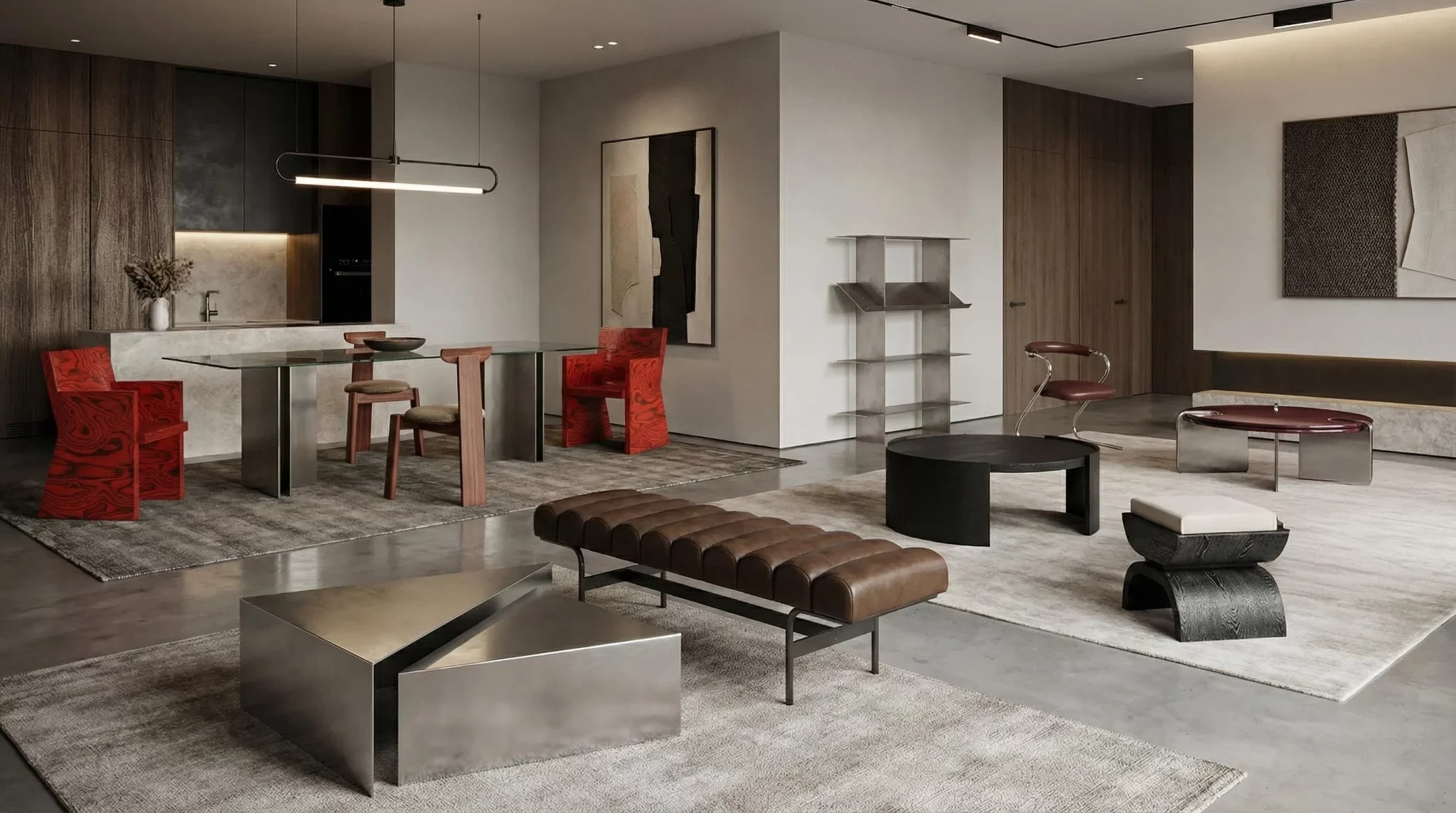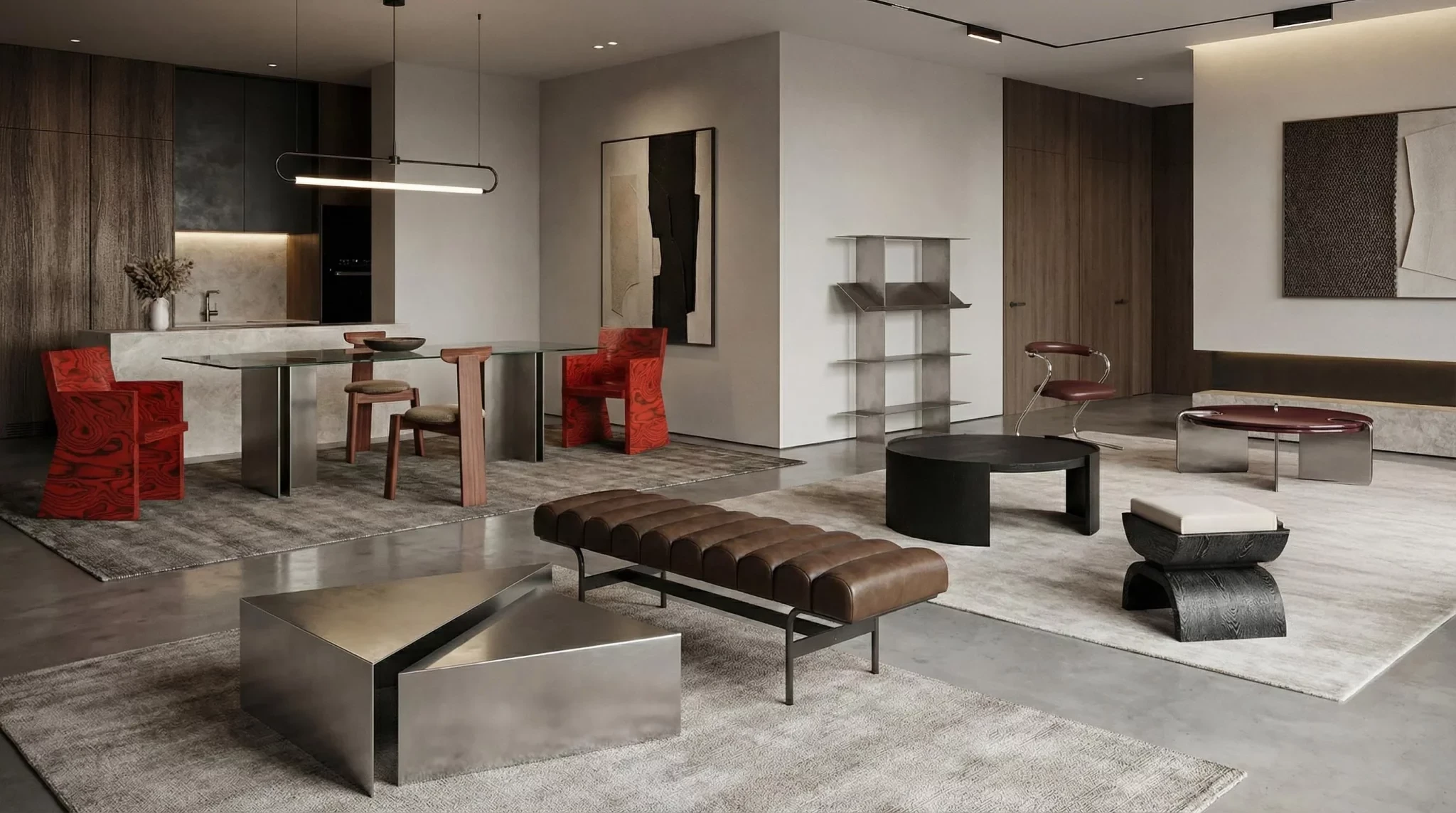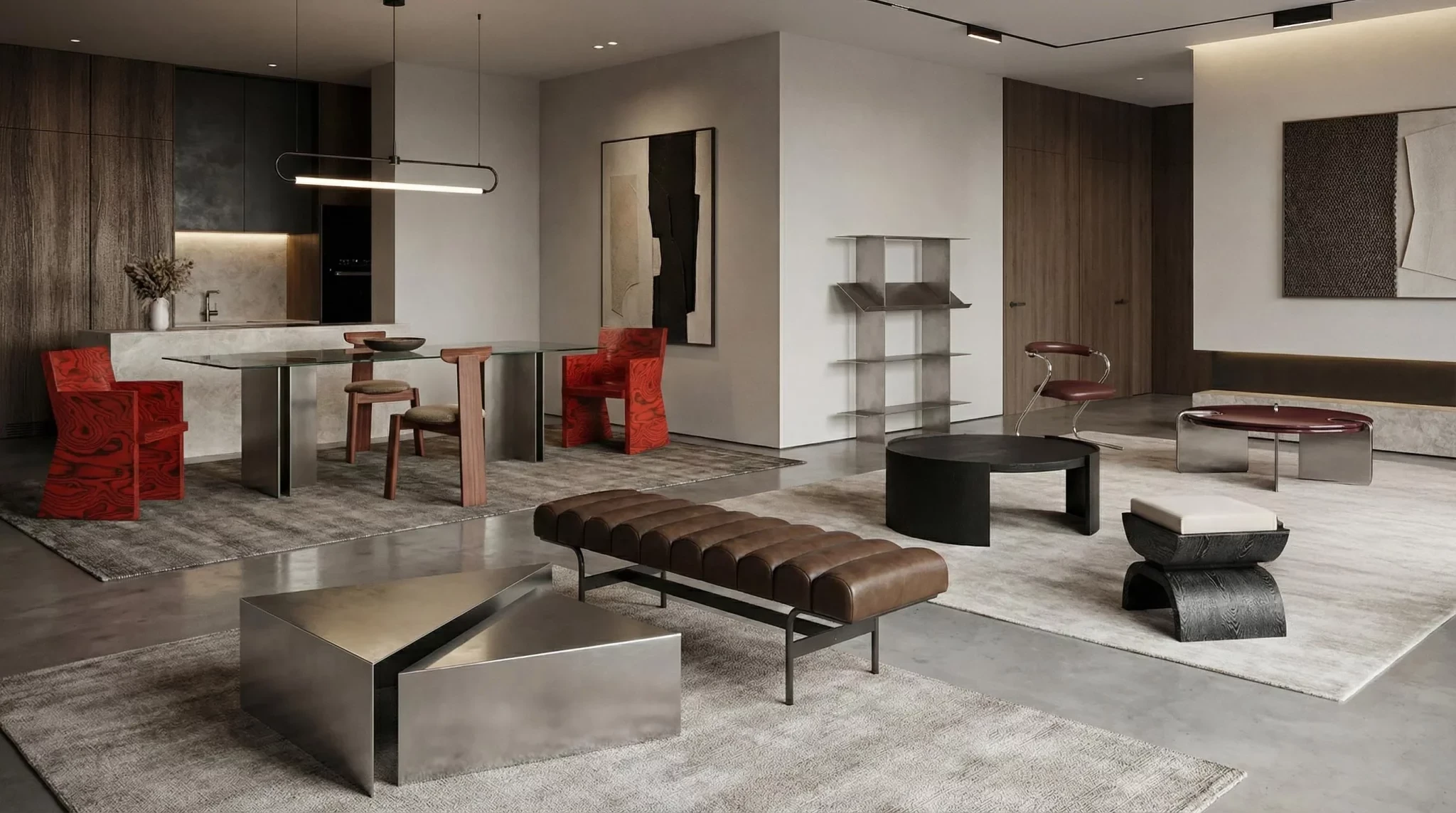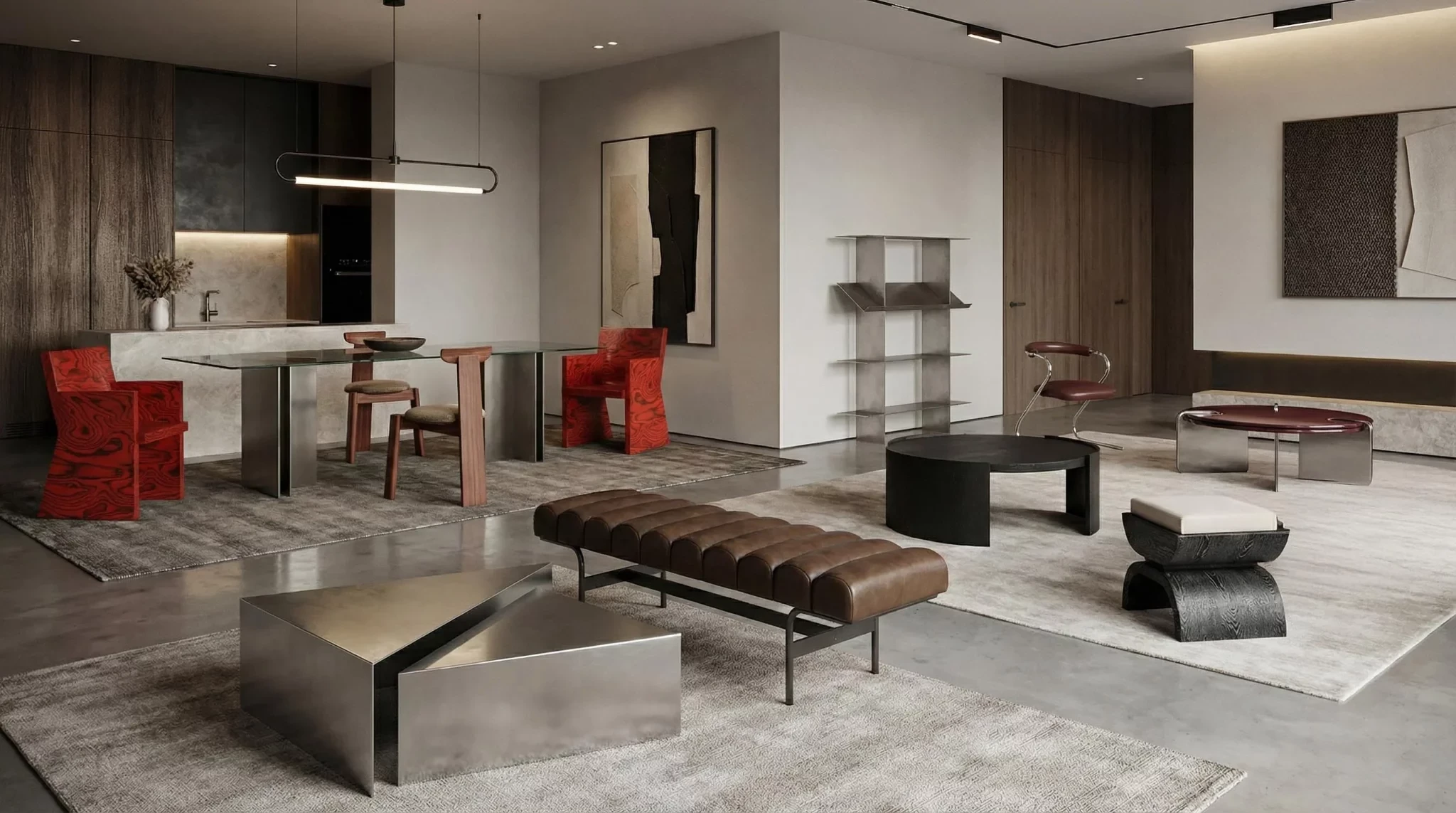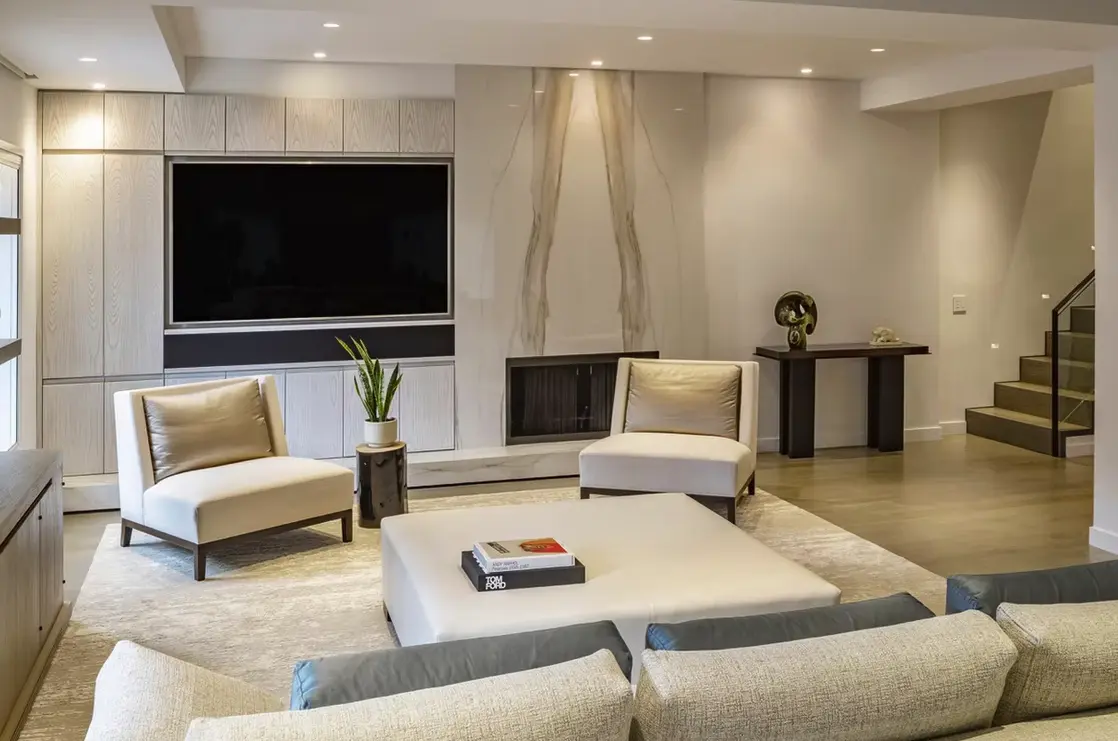
NEW YORK — In an era dominated by maximalist trends, algorithm-driven design aesthetics, and fleeting social media fads, Manhattan-based interior designer Nitzan Tagansky champions a radically different philosophy: dramatically simple, warm-modern living. His spaces are not cold, austere exercises in clinical minimalism. Instead, they are masterclasses in editorial restraint—the kind of quiet luxury that requires absolute confidence to achieve, and an intuitive understanding of how human beings actually inhabit a room.
As part of the ongoing Roomhints Designer Spotlight series—which chronicles the creative minds shaping the spaces that matter most—this deep dive explores Tagansky’s design methodology, his global portfolio, his signature furniture collection, and the foundational philosophies that continue to redefine contemporary residential and hospitality architecture.
Main Facts: The Designer, the Practice, and the Portfolio
Operating out of a vibrant and demanding Manhattan hub, Nitzan Tagansky has cultivated a multidisciplinary practice defined by consistency of vision across wildly diverse geographies and typologies. Alongside his partner, Dale, Tagansky developed Nitzan Home, a bespoke furniture collection that mirrors the design ethos of his spatial interventions. Together, their work has been specified in leading luxury hotels and premier residential developments worldwide.
The breadth of Tagansky’s portfolio is striking, yet his underlying aesthetic DNA remains entirely unified:
- New York Residences: A sophisticated cross-section of Manhattan apartments, classic lofts, and historic townhouses.
- Getaways: Expansive summer houses in the Hamptons designed for effortless seasonal living.
- International Footprints: Refined European pieds-à-terre, including notable work in London.
- Hospitality Concepts: Visionary architectural and interior concepts, such as conceptual design frameworks for a luxury hotel in Jerusalem.
Despite shifting contexts—from historic European townhomes to raw urban industrial spaces—Tagansky’s interiors share a common psychological impact: they feel immediately calm, deeply considered, and, above all, deeply personal to the individuals who dwell within them.
Chronology: A Journey from International Trusts to Manhattan Mastery
While Tagansky’s current portfolio boasts high-profile coastal estates and international hospitality commissions, the trajectory of his career has been forged through high-stakes challenges and deep cross-cultural collaborations.
A defining moment in his career timeline—and one that remains etched in his professional memory—involved a young family relocating halfway across the world. A couple with three small children, currently residing in Australia, purchased a sprawling 5,000-square-foot loft in Tribeca, New York. Facing an impending international relocation, they made a bold leap of faith: they hired Tagansky to design their future home entirely sight unseen.
For six intense months, Tagansky and his team worked tirelessly to translate the family’s lifestyle, needs, and aspirations into physical space without the benefit of face-to-face walkthroughs. The gamble hinged entirely on mutual trust and creative freedom. When the family finally landed in New York after half a year abroad, walking through the doors of their completed Tribeca sanctuary for the first time, the emotional impact was profound. The client was so overwhelmed by the beauty and precision of the execution that she wept tears of joy.

What began as a professional commission blossomed into a lifelong friendship—a testament to the fact that exceptional interior architecture goes far beyond spatial arrangement; it is fundamentally about care, empathy, and emotional resonance.
Supporting Data: The Four Pillars of Good Design
When asked to unpack the foundational ingredients of his work, Tagansky avoids complex, jargon-heavy manifestos. Instead, he distills his entire creative methodology into four immutable words: Scale, proportion, a certain timelessness in design, and quality craftsmanship.
These four principles serve as a rigorous testing ground for every single object, layout, and finish that leaves Tagansky’s studio:
- Scale: Does this element physically belong in the room? Does it command the space correctly without overwhelming or under-delivering?
- Proportion: How does this object relate mathematically and visually to everything surrounding it?
- Timelessness: Will this design choice look just as relevant, elegant, and appropriate twenty years from now as it does today?
- Craftsmanship: Is this piece built with the integrity, materials, and dedication required to earn its place in a human home?
The Magic of the Single Lamp
When pressed on what single product or element possesses the transformative power to completely alter the atmosphere of a room, Tagansky’s answer is characteristically understated: a good lamp.
Eschewing massive, attention-seeking chandeliers or trendy statement pieces, Tagansky champions the quiet power of task and ambient lighting. The right lamp, placed deliberately in the right corner, radically shifts the quality of natural and artificial light, adjusts the perceived scale of a space, and injects an organic warmth that no overhead architectural fixture can ever hope to replicate. It is a microscopic detail that speaks volumes about his holistic understanding of human comfort.
Official Insights & Design Philosophy: The Economics of Creative Freedom
In the world of high-end interior architecture, the designer-client dynamic can frequently become a friction point. Clients often come armed with mood boards, rigid preconceived notions, and a desire to micromanage every square inch of their investment. Tagansky, drawing from years of high-stakes practice, offers a remarkably candid perspective on how to achieve optimal project outcomes.
"The more freedom you give the designer you hired to do their thing, the more successful the outcome of the project."
According to Tagansky, this observation is not merely a self-serving preference; it is an empirical law of creative execution. Constraint invariably breeds caution, safe compromises, and watered-down compromises. Conversely, true creative freedom—built on a bedrock of profound trust—allows a concept to breathe, evolve, and reach its absolute maximum potential. The projects that have cemented his reputation are precisely those where clients stepped back and allowed the professional to orchestrate the environment.

The Pursuit of Simplification
Inspiration, Tagansky notes, is a ubiquitous force in the modern digital age. Designers are continuously bombarded by an endless stream of visual data spanning architecture, fine art, fashion, photography, and the raw geometries of the natural world.
For Tagansky, the magic does not lie in consuming these images, but in the editorial filter applied to them. Inspiration strikes when a complex idea is executed in a particularly simple, clever, and striking manner.
"Inspiration can really come from anywhere… It’s when something is done in a particularly simple but clever or striking way that I find inspiration in."
Crucially, Tagansky differentiates between "easy" and "simple." True simplicity is arduous; it requires a designer to ruthlessly edit, stripping away every unnecessary ornament and superfluous flourish until only what is utterly essential—and precisely right—remains.
Implications: The Future of Warm-Modern Living
As the design industry looks toward the future, Nitzan Tagansky’s philosophy offers a vital roadmap for navigating a hyper-accelerated aesthetic landscape. His work signals a broader cultural fatigue with fast-fashion interiors and disposable decor, pointing instead toward a renewed appreciation for longevity, emotional resonance, and artisanal integrity.
By proving that warm-modernism can scale seamlessly from an intimate London pied-à-terre to a massive Tribeca loft, Tagansky demonstrates that good design is fundamentally human-centric. It prioritizes how a space feels at dusk over how it photographs at noon; it values the tactile warmth of a custom Nitzan Home furnishing over transient market trends; and, above all, it honors the sacred trust between the visionary and the dweller.
Nitzan Tagansky is based in Manhattan. Explore his architectural and interior projects at nitzandesign.com and discover his bespoke furniture creations at nitzanhome.com.
This feature is part of the ongoing Roomhints Designer Spotlight series, dedicated to intimate conversations with the master architects and interior designers shaping the spaces that matter.