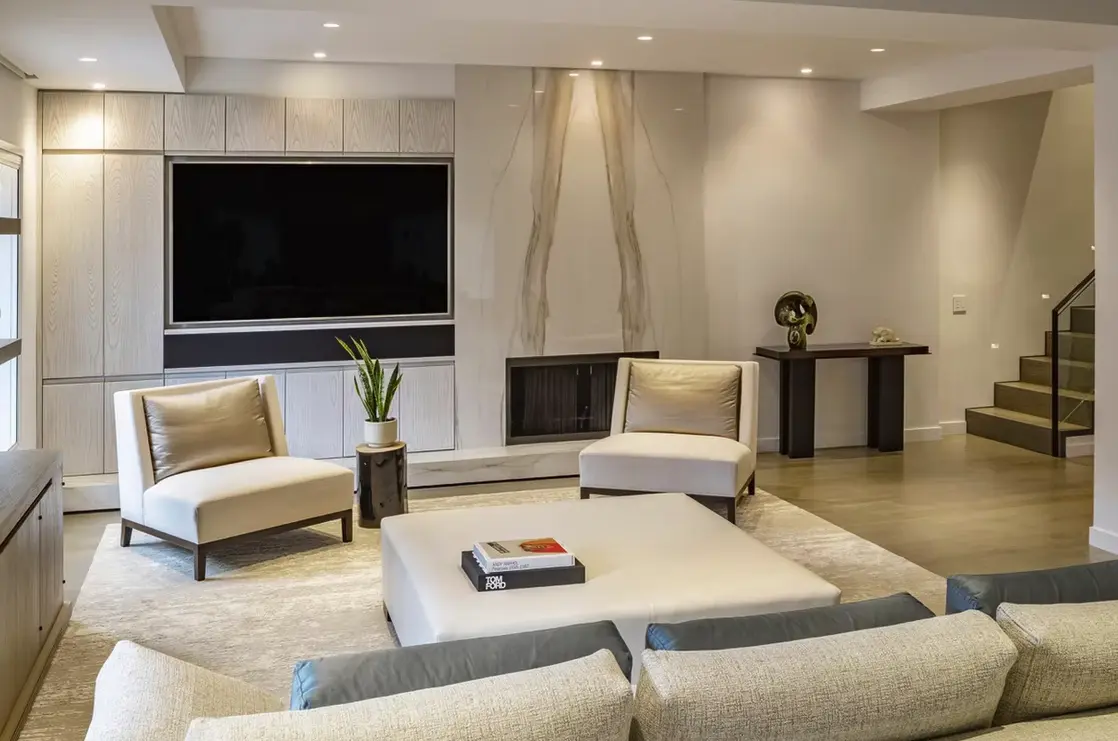
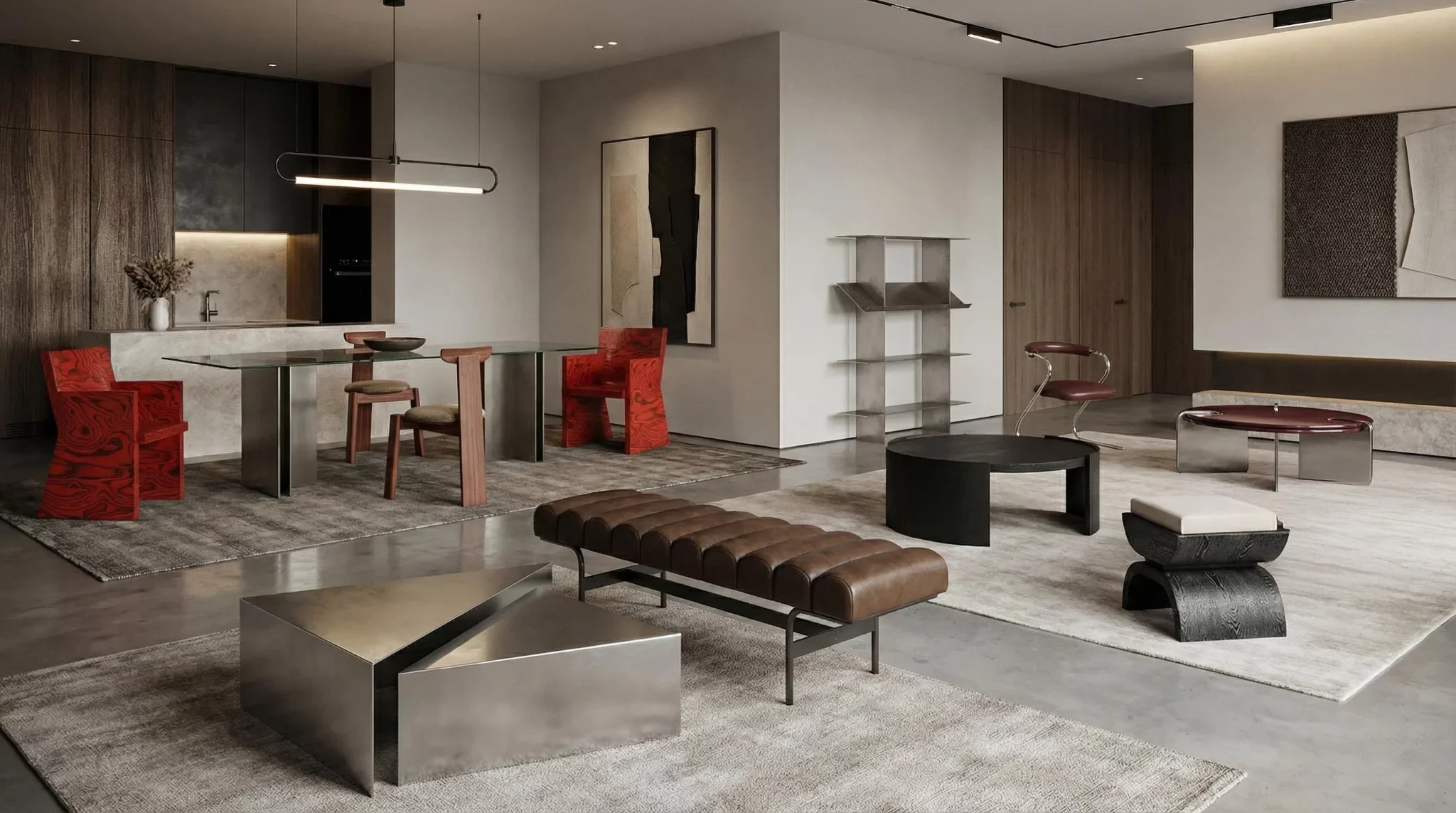
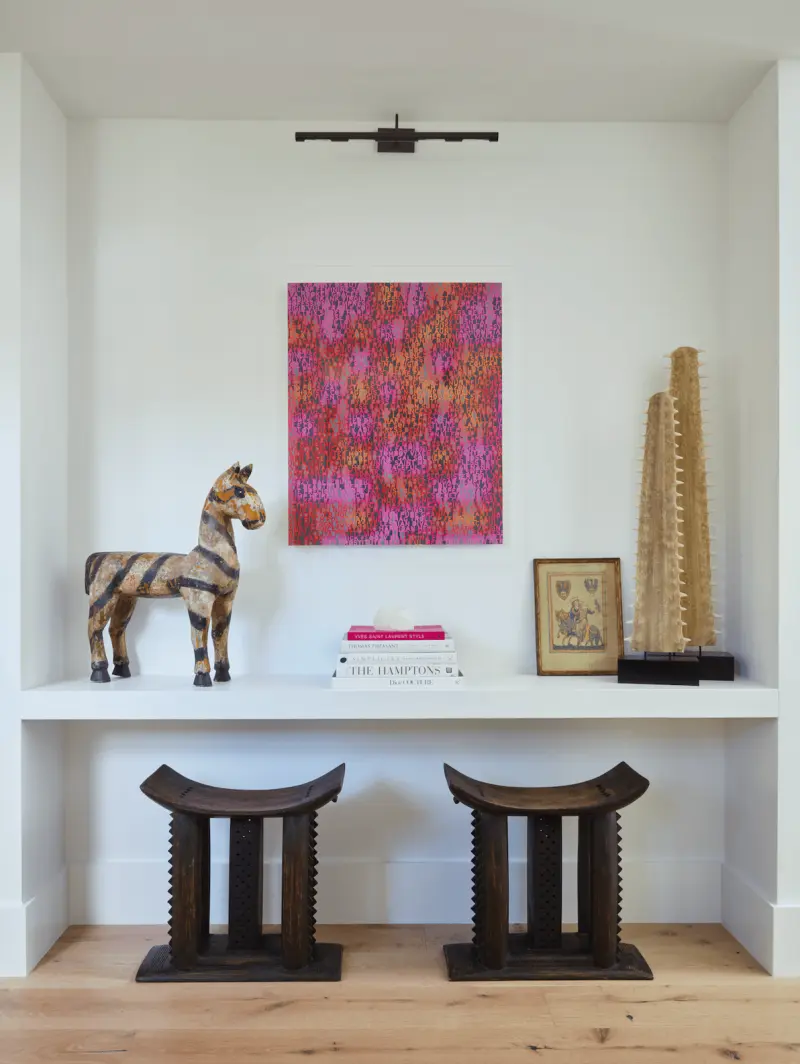
NEW YORK — In an era defined by visual saturation, digital excess, and fleeting interior design trends that cycle through social media feeds in a matter of weeks, Manhattan-based designer Nitzan Tagansky offers a masterclass in the opposite. His interiors are recognized internationally for being dramatically simple yet profoundly warm. They reject the cold, sterile austerity historically associated with strict minimalism, opting instead for a restrained elegance that requires immense confidence to execute.
Tagansky’s work feels immediately calm, deeply considered, and—above all—inherently personal. It is design that does not scream for attention, but rather whispers of quality, comfort, and belonging. As part of the Roomhints Designer Spotlight series, which highlights the visionaries shaping the modern built environment, this feature explores the philosophy, career chronology, and foundational methodologies of a designer redefining contemporary luxury.
Main Facts: The Designer and His Practice
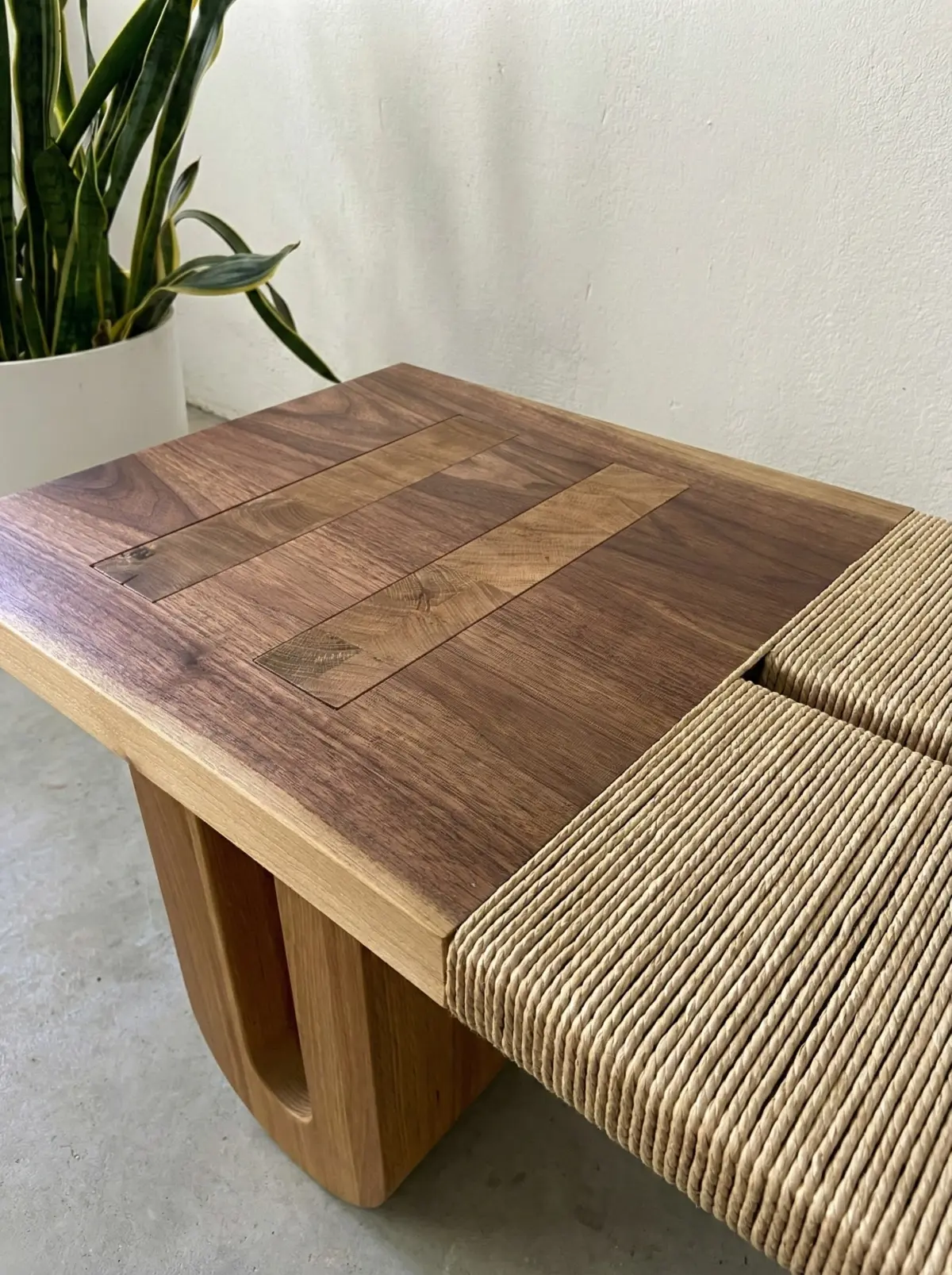
Operating out of a vibrant design hub in Manhattan, Tagansky has built a multifaceted career that spans high-end residential interiors and bespoke furniture design. Alongside his partner, Dale, Tagansky developed Nitzan Home, a curated furniture collection that has been specified for leading hotels and luxury residential developments around the world.
His portfolio is remarkably diverse in geography and architecture, yet entirely consistent in its emotional resonance. Tagansky’s fingerprint can be found across a wide spectrum of spaces:
Expansive Manhattan apartments, lofts, and historic townhouses.
Sun-drenched summer houses in the Hamptons.
An elegant, refined London pied-à-terre.
Conceptual design projects for an upcoming luxury hotel in Jerusalem.
Despite the vast differences in scale and cultural context between a historic European apartment and a sprawling American loft, Tagansky’s core sensibility remains unaltered. His spaces prioritize human scale, tactile warmth, and an uncompromising dedication to craftsmanship.
Chronology: From International Commissions to Landmark Projects
To understand Tagansky’s trajectory is to trace a path of quiet expansion built on word-of-mouth trust and exceptional spatial execution.
Foundation Years: Establishing his practice in Manhattan, Tagansky initially focused on local residential projects, quickly gaining a reputation among discerning clients for his ability to transform chaotic urban footprints into sanctuaries of calm.
Global Expansion: As his reputation grew, Tagansky’s commissions expanded internationally, crossing the Atlantic to undertake high-profile residential spaces in Europe, including sophisticated urban retreats in London.
The Tribeca Sight-Unseen Milestone: One of the defining chapters of his career involved a young family moving from Australia to the United States. Tasked with designing a 5,000-square-foot Tribeca loft entirely sight-unseen over a six-month period, Tagansky navigated remote coordination with absolute precision. Upon their arrival, the transformation was so profound that the client was moved to tears of joy—a testament to the deep emotional resonance of Tagansky’s spatial planning. The project forged a lasting friendship that endures today.
Hospitality and Product Design: Building on residential success, Tagansky branched into the hospitality sector with conceptual work for a Jerusalem hotel, while simultaneously scaling Nitzan Home into a globally recognized furniture line specified by top-tier architectural firms.
Supporting Data & Design Methodology: The Four Pillars
When asked about the foundational elements that govern his creative process, Tagansky resists the urge to present an elaborate, convoluted design manifesto. Instead, he distills his philosophy into four fundamental principles:
"Scale, proportion, a certain timelessness in design, and quality craftsmanship are the ingredients of good design."
These four words function as a complete, rigorous methodology against which every piece of furniture, layout adjustment, and material selection is measured:
Scale: Does the object or architectural intervention genuinely belong in the room, or does it dominate the human experience?
Proportion: Does every element relate harmoniously to its surroundings, creating a balanced visual rhythm?
Timelessness: Will the space still feel correct, relevant, and inspiring twenty years from now, or is it bound to a passing micro-trend?
Craftsmanship: Is the execution of sufficiently high quality to justify its physical presence in the home?
The Transformative Power of Illumination
When pressed on what single product or element possesses the greatest capacity to fundamentally alter a room, Tagansky’s answer subverts conventional luxury expectations. It is not an imposing chandelier, a custom architectural staircase, or a high-end statement sofa.
It is a good lamp.
According to Tagansky, the right lamp placed deliberately within a space alters the quality of ambient light, shifts the perceived scale of the room, and introduces a layer of organic warmth that no overhead lighting fixture can ever replicate. It is a subtle, detail-oriented perspective that reveals an intimate understanding of how rooms actually feel to inhabit.
Official Perspectives: The Client Relationship and Creative Freedom
Perhaps Tagansky’s most strongly held—and frequently reiterated—belief centers on the delicate dynamic between a client and their interior designer. In an industry where micromanagement can often stifle innovation, Tagansky advocates for a bold paradigm of trust.
"The more freedom you give the designer you hired to do their thing, the more successful the outcome of the project."
Drawing from years of practical experience, Tagansky notes that this is not merely a personal preference, but an empirical observation. Projects that achieve true greatness are invariably those where the client trusts the professional enough to let the creative process breathe. Constraint breeds caution, hesitation, and compromise; total creative freedom, by contrast, creates spaces genuinely worth living in.
The Art of Finding Inspiration
In a hyper-connected digital landscape, modern designers are constantly bombarded with visual stimulus. Tagansky views this saturation not as a hindrance, but as a vast library of potential references, provided one knows how to filter the noise.
"Inspiration can really come from anywhere, and we are continually bombarded with images on a daily basis—of architecture, art, design, fashion, photography, nature. It’s when something is done in a particularly simple but clever or striking way that I find inspiration in."
The operative word in Tagansky’s lexicon is simple. Crucially, he does not mean easy; rather, he refers to the arduous design process of editing—stripping away every unnecessary element until only what is essential, elegant, and precisely correct remains.
Implications: The Future of Warm-Modern Interior Architecture
The success and cultural footprint of Nitzan Tagansky’s work signal a broader shift in contemporary interior architecture. As consumers experience lifestyle fatigue from fast-paced trends and sterile, minimalist showrooms, there is an accelerating demand for environments that offer psychological sanctuary.
Tagansky’s warm-modern methodology proves that luxury does not require visual clutter or cold austerity. By championing foundational principles—scale, proportion, timelessness, and uncompromising craftsmanship—he provides a blueprint for how urban dwellings, holiday homes, and hospitality spaces can evolve.
Ultimately, Tagansky’s work reminds the design community of the ultimate purpose of interior architecture: not to serve as a monument to the designer’s ego or a sterile stage for social media, but to create deeply personal spaces where human lives unfold in comfort, beauty, and emotional peace.
Nitzan Tagansky is based in Manhattan. Explore his residential and commercial interiors at nitzandesign.com and his bespoke furniture collection at nitzanhome.com.
This feature is part of the Roomhints Designer Spotlight series, dedicated to intimate conversations with the visionaries shaping the rooms that matter most.