As the mercury climbs and summer swings into full, languid motion, roadside stands and farmers’ markets across the United States overflow with one of the season’s most anticipated treasures: the peach (Prunus persica). Particularly in the American Southeast, this fuzzy stone fruit is far more than a mere agricultural product—it is a cultural touchstone. Whether baked into a bubbling, golden-crusted cobbler, simmered down into preserves to capture the fleeting warmth of August, or bitten into directly over the kitchen sink with sweet juices threatening to cascade down one’s forearms, the peach reigns supreme as the undisputed monarch of summer produce.
Yet, beneath its culinary versatility lies a rich tapestry of botanical history, traditional herbalism, and a surprisingly complex geographic reality. While popular lore crowns Georgia as the ultimate "Peach State," agricultural data reveals that its neighbor to the north, South Carolina, actually outproduces it in total tonnage. Long before it became a staple of Southern porch culture, picnics, and backyard cookouts, Prunus persica was quietly carving out a global trajectory that spans millennia and continents.
Main Facts: From Ancient China to Modern Porches
To understand the modern peach is to trace a path that stretches back thousands of years. Botanical and historical evidence suggests that peaches were first domesticated in ancient China, where they held profound symbolic significance representing longevity, immortality, and good fortune. From their roots in East Asia, the fruits traveled along ancient trade routes through Persia—hence the species name persica—before eventually making their way into the markets and gardens of Europe. Spanish explorers and colonists later introduced the stone fruit to North America, where it rapidly naturalized and became deeply woven into the fabric of regional foodways.
Today, the peach is celebrated not only for its unmistakable sweet-tart flavor profile and succulent texture, but also for its unique place in modern wellness and herbal traditions. When utilized thoughtfully, every part of the peach tree—from the sun-kissed fruit and aromatic leaves to the deeply potent pit—offers applications that span from everyday culinary refreshment to advanced clinical herbalism.
Chronology of the Peach: A Historical Timeline
- Ancient Era (c. 2000 BCE and earlier): Wild peaches are first cultivated in the valleys of China. They quickly become central to Chinese folklore, art, and traditional dietary practices.
- Classical Antiquity to Middle Ages: Cultivation spreads westward through Persia and the Middle East. The Greeks and Romans adopt the fruit, naming it malum persicum ("Persian apple"), which eventually evolves into the modern English term "peach."
- 16th Century: Spanish and French explorers introduce peach stones and saplings to the New World. Indigenous tribes and early colonists plant orchards across what is now the American Southeast and Southwest.
- 19th to 20th Century: Commercial peach production scales dramatically in states like Georgia and South Carolina, transforming a regional garden crop into a major national agricultural commodity.
- Contemporary Era: Peaches are celebrated globally in both culinary arts and holistic herbalism, culminating in artisanal recipes that blend modern tastes with ancient botanical wisdom.
The Potent Power of Peach: An Herbalist’s Perspective
Biting into a ripe, juicy peach on a stifling July afternoon offers an immediate, visceral understanding of why traditional herbalists categorize the fruit as inherently cooling and moistening. In the framework of traditional herbalism, peaches are viewed as demulcent agents capable of soothing heat and irritation along the digestive tract while providing a healthy, natural dose of dietary fiber.
However, the utility of the peach plant extends far beyond the fleshy pericarp that ends up in our summer desserts and beverages. Experienced herbalists routinely work with peach leaves and, under strict clinical conditions, the peach pit.

Leaves, Pits, and Botanical Constituents
- Peach Leaves: Traditionally valued for their cooling, sedative nervine properties, peach leaves are frequently employed to address patterns of internal heat, nervous irritation, and physical congestion—symptoms that often peak during the dog days of summer (Wood, 2008). Because peach leaves contain cyanogenic glycosides, historical and modern protocols dictate that they must be used sparingly and in small, measured doses.
- Peach Kernels: Found securely housed within the hard inner shell of the pit, the kernel has a long history in traditional East Asian medicine, where it is utilized to support healthy circulation and encourage the smooth movement of blood. Crucially, the kernel contains significantly higher concentrations of amygdalin—a cyanogenic glycoside heavily researched for its profound impacts on the nervous, circulatory, and inflammatory systems. Because improper preparation or excessive dosage of these compounds can yield severe or even fatal toxicological consequences, the use of peach kernels is strictly confined to experienced clinical practitioners.
Pairing Peach with Green Tea and Mint: A Symphony of Summer
For those looking to enjoy the therapeutic and culinary benefits of peaches without delving into clinical herbalism, the kitchen offers an accessible, delightful canvas. One of the finest expressions of this synergy is found in seasonal beverages designed to counteract summer lethargy.
By combining fresh peaches with green tea (Camellia sinensis) and garden mint (Mentha spp.), practitioners and home cooks alike can craft a tonic that is simultaneously revitalizing and cooling.
The Ingredients of Refreshment
- Green Tea: Unlike heavily oxidized black teas or caffeine-free herbal infusions, green tea offers a gentle, natural source of caffeine. This provides a clean, sustained pick-me-up for sluggish summer afternoons when ambient temperatures sap human energy levels. Furthermore, green tea is exceptionally rich in antioxidants, complementing the health-promoting profile of the stone fruit.
- Fresh Mint: Mint species contribute a bright, instantly recognizable flavor profile characterized by aromatic volatile oils, most notably menthol. When consumed in hot weather, menthol triggers sensory receptors in the body that simulate a genuine cooling sensation, offering immediate relief from thermal discomfort.
Supporting Data and Nutritional Profile
Nutritional science validates the traditional intuition that peaches are uniquely suited for summer wellness. A medium-sized peach (roughly 150 grams) contains:
- Calories: ~50 to 60, making it a nutrient-dense, low-calorie snack.
- Hydration: Approximately 89% water content, directly aiding in summer rehydration.
- Vitamins: Rich sources of Vitamin C (supporting immune function and collagen synthesis), Vitamin A (supporting ocular health), and Vitamin E.
- Minerals & Fiber: Provides roughly 2 grams of dietary fiber per fruit alongside notable levels of potassium, which assists in maintaining electrolyte balance during heavy perspiration.
The Art and Science of Sun Tea
One of the greatest joys of crafting summer herbal beverages is the ability to bypass the kitchen stove entirely. Steaming up a small apartment or kitchen with a boiling kettle of water is the absolute last thing anyone wants to do during a heatwave. Enter the time-honored tradition of sun tea: a method wherein herbs, fruits, and teas are submerged in a vessel of water and left to steep under the gentle, persistent warmth of the summer sun.
After just a couple of hours outdoors, the solar energy coaxes out the delicate flavors of the botanicals, resulting in a vibrant, clear infusion ready to be chilled and served over ice.
Safety Protocols for Sun Tea
While sun tea is a beloved domestic tradition, modern food safety guidelines require a nuanced approach. Because sun tea steeps at ambient, tepid temperatures rather than boiling points, it creates an environment where environmental bacteria can proliferate more rapidly than in traditionally brewed hot tea.
To ensure safety without sacrificing tradition:
- Always begin with impeccably clean, sanitized glassware and utensils.
- Use filtered or previously boiled-and-cooled water to minimize initial microbial loads.
- Limit the outdoor steeping window to a strict maximum of two hours.
- Immediately transfer the finished tea to the refrigerator to halt bacterial growth and maintain a safe, chilled storage temperature until consumption.
The Recipe: Peppy Peach Sun Tea
This refreshing recipe serves as a seasonal bridge, offering a preview of the culinary and wellness applications explored in botanical educational resources such as the Summer Teas Ebook by the Herbal Academy.
Ingredients
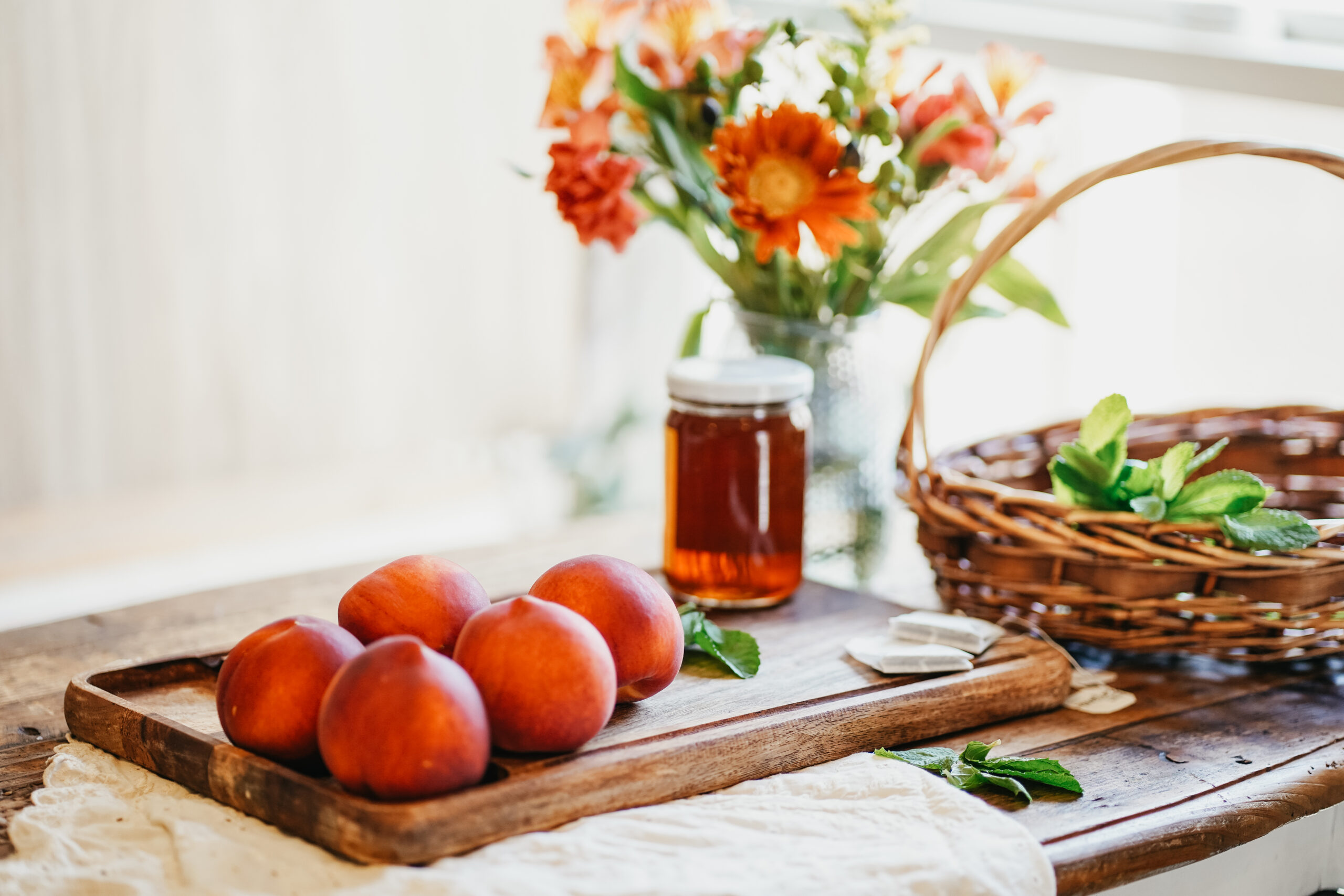
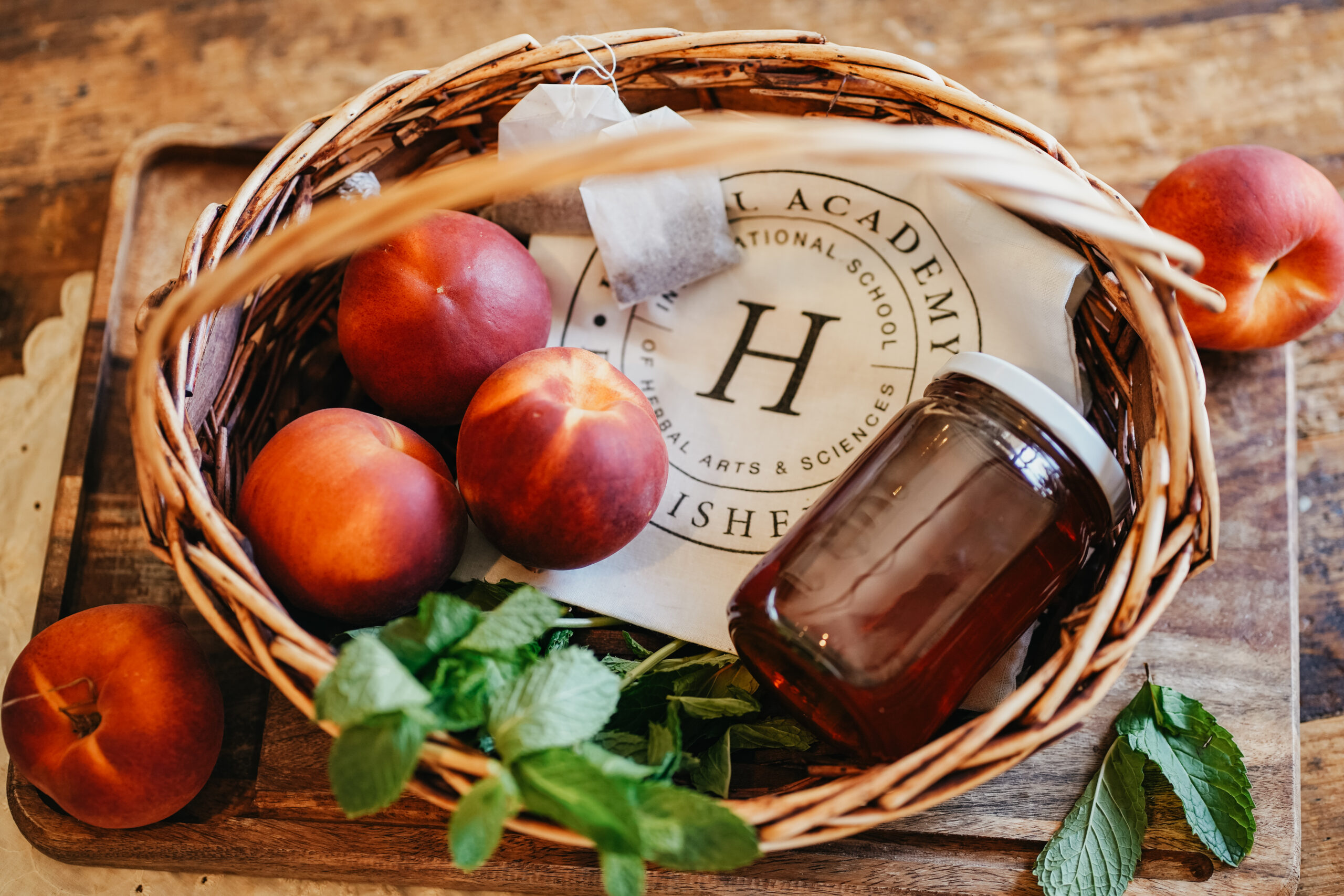
- 1 quart-sized glass jar (thoroughly sanitized)
- 2 green tea (Camellia sinensis) tea bags, or 2 tablespoons of high-quality loose-leaf green tea
- 3 to 5 sprigs of fresh garden mint (Mentha spp.) leaves
- 3 fresh peach slices (Pro tip: freeze your peach slices beforehand to act as natural, flavor-releasing ice cubes as you sip)
- Filtered water (to fill the jar)
Directions
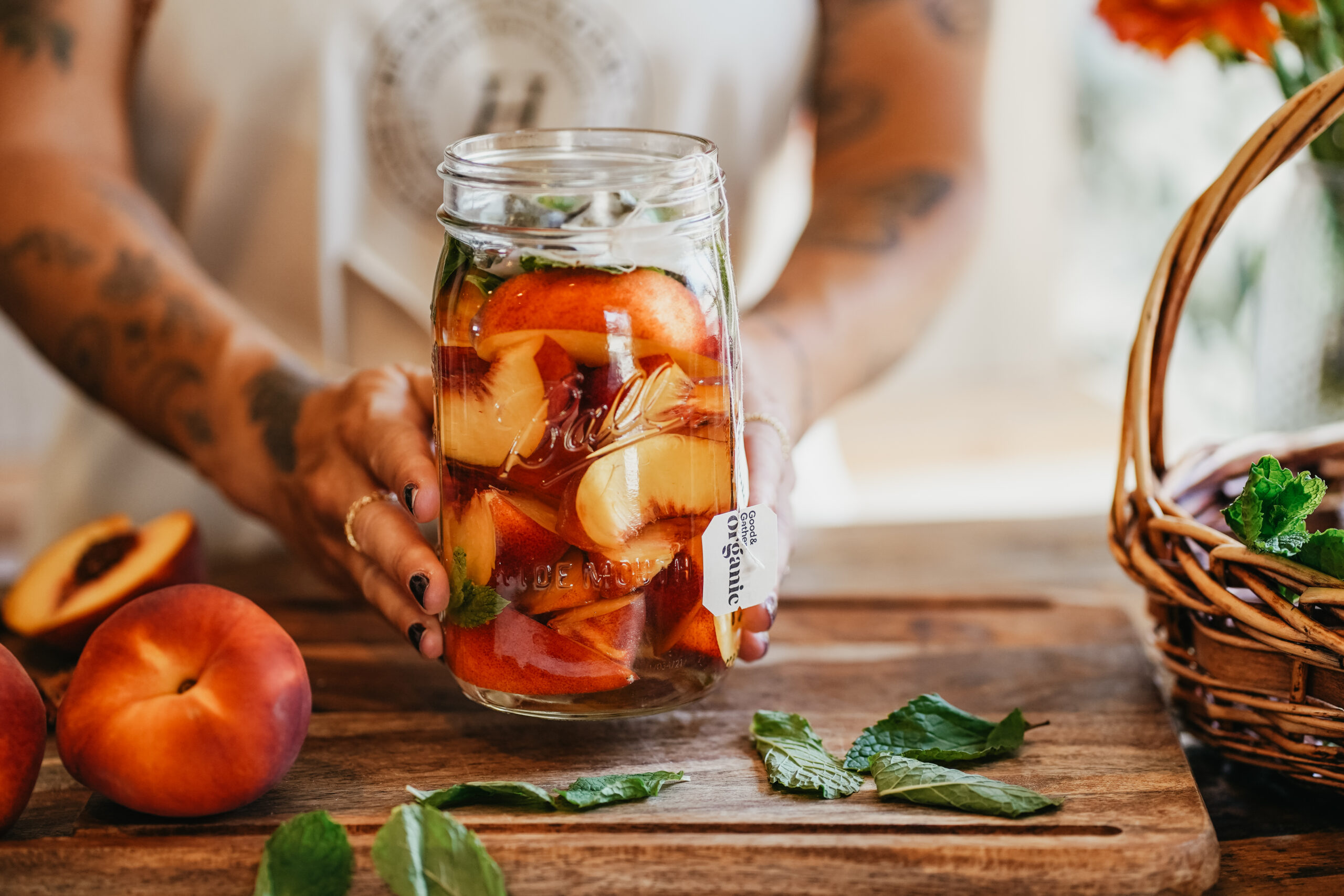
- Place the green tea bags or loose-leaf tea, fresh mint sprigs, and fresh peach slices into the clean quart-sized glass jar.
- Pour filtered water over the ingredients until the jar is filled to the brim, leaving minimal headspace. Secure the lid tightly.
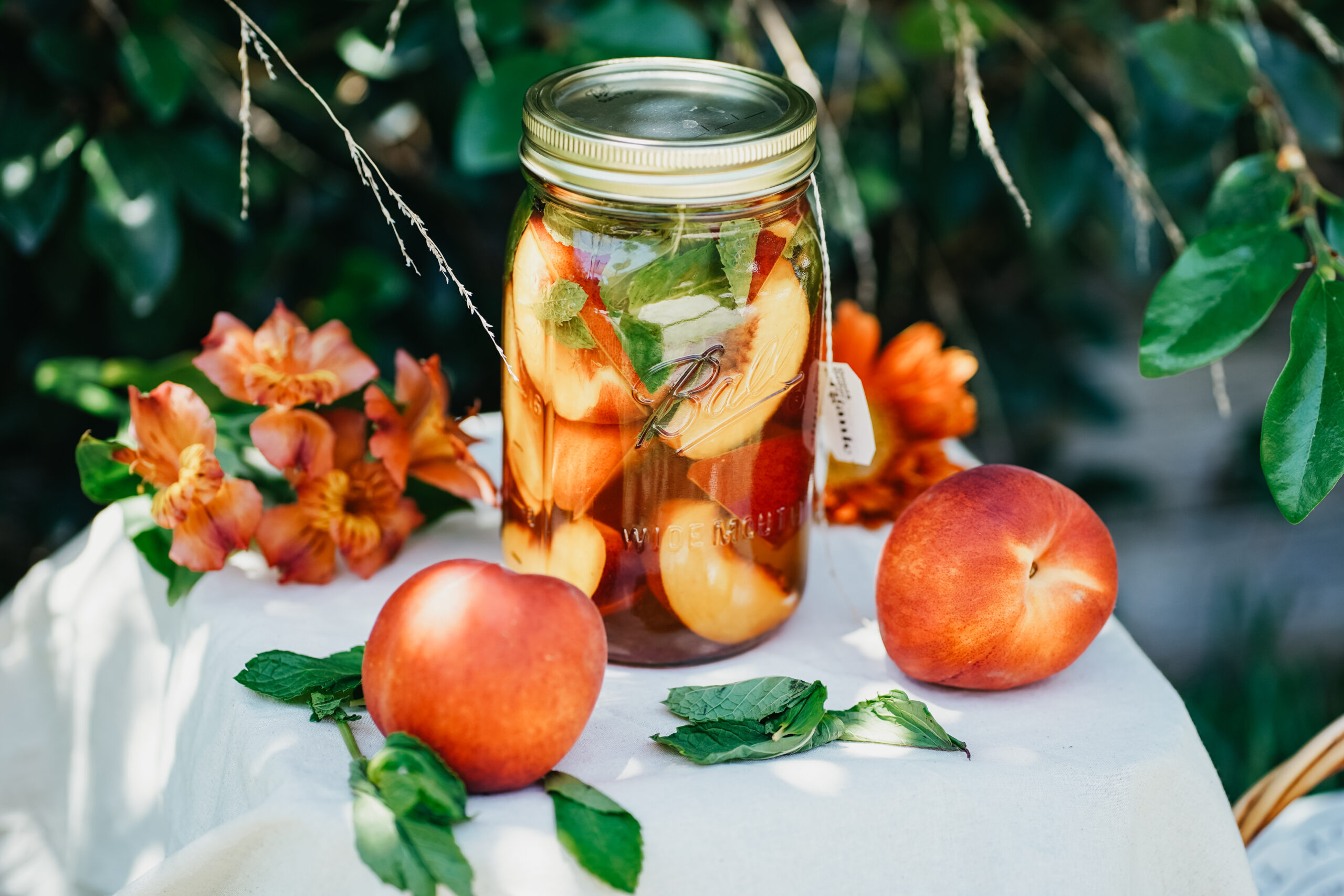
- Set the jar in a sunny, warm spot outdoors for no longer than 2 hours, allowing the sun to gently extract the flavors and properties of the tea, mint, and fruit.
- Bring the jar indoors immediately after steeping. Strain out the spent tea bags and loose plant matter if desired, or leave them for visual appeal.
- Place the jar directly into the refrigerator until thoroughly chilled. Serve over ice with frozen peach slices garnish.
Implications and Expanding Horizons
The resurgence of interest in traditional herbal beverages, sun teas, and seasonal foraging points to a broader cultural shift. In an era dominated by hyper-processed, shelf-stable commercial drinks laden with artificial sweeteners and synthetic flavorings, consumers are increasingly seeking a direct, tactile connection to the natural world. Utilizing local, seasonal ingredients like peaches, mint, and green tea fosters a mindful appreciation of agricultural cycles and regional ecosystems.
For those inspired to dive deeper into the world of botanical blending, educational pathways abound. Specialized programs, such as live digital workshops hosted by botanical institutions—including the Herbal Academy’s Herbal Tea Maker’s Studio—offer hands-on training alongside master educators and tea experts. These courses bridge the gap between historic folk traditions and modern culinary safety, empowering home enthusiasts to craft their own customized, health-supporting herbal infusions.
Ultimately, whether you are picking up a basket of fresh stone fruit at a roadside market, steeping a sun-warmed jar of peach and mint tea on your back porch, or studying the deeper phytochemical constituents of the Prunus genus, the summer peach remains an invitation to slow down, savor the season, and reconnect with the botanical abundance of the earth.