By Global Wellness & Sustainability Desk
Published: October 2023
Main Facts
The global market for healing crystals, minerals, and metaphysical stones has experienced an unprecedented boom over the last decade. Valued in the billions of dollars, the wellness industry has successfully mainstreamed amethyst, quartz, rose quartz, and citrine, transforming them from niche collector items into ubiquitous lifestyle accessories. However, this skyrocketing demand has cast a harsh spotlight on a largely unregulated and opaque supply chain.
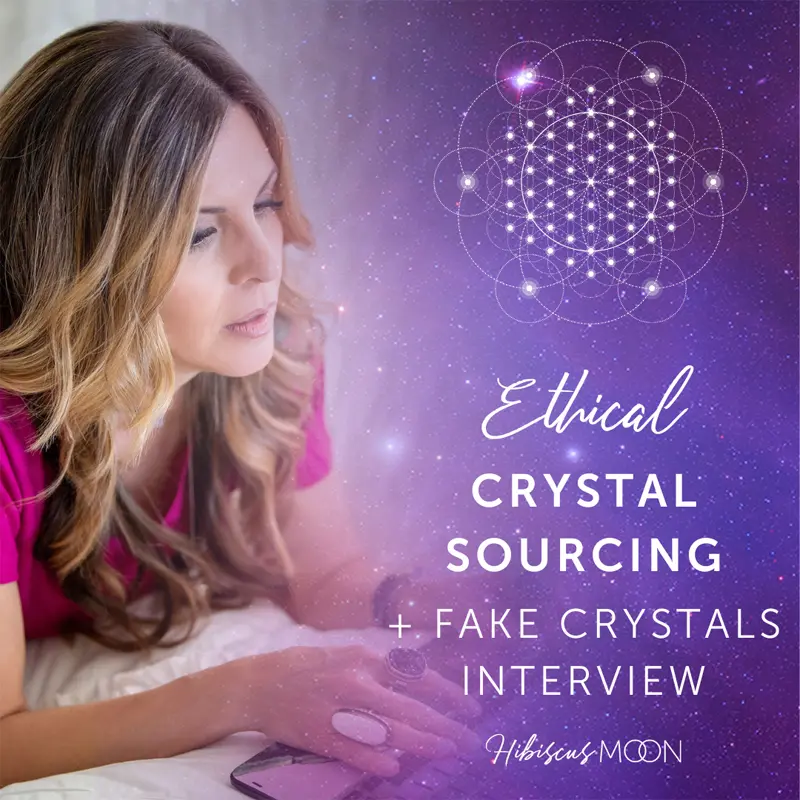
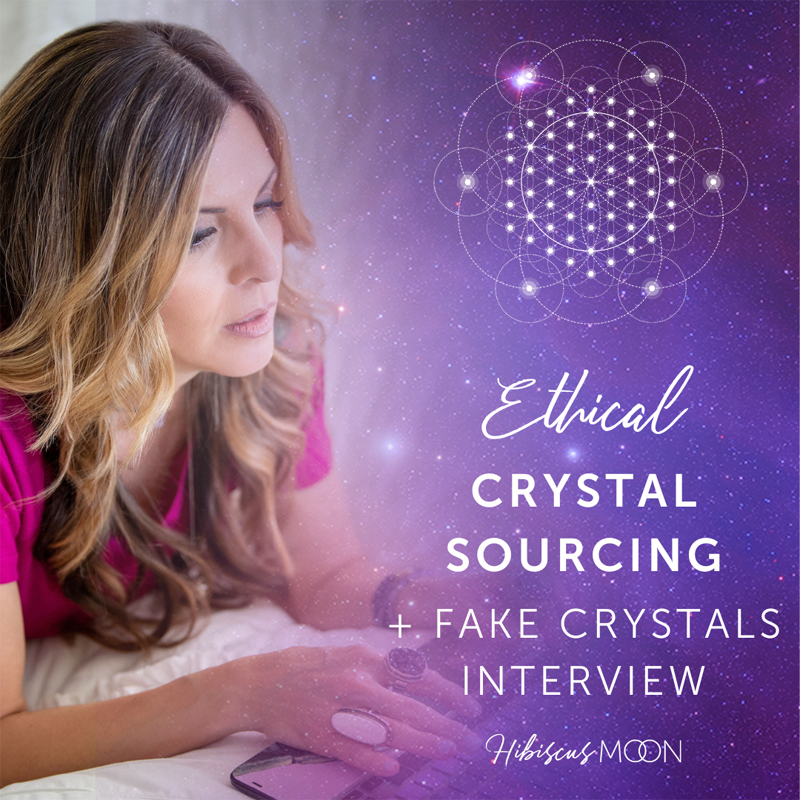
A recent live broadcast hosted by renowned crystal expert Hibiscus Moon alongside mineral advocate Barbie—widely known online as "Cold Brew Barbie"—brought these uncomfortable realities to the forefront. The discussion centered on a vital yet frequently overlooked subject: ethical crystal sourcing.
While consumers often view crystals as pure conduits of earth energy, healing, and positive vibrations, the journey from deep within the earth to a polished metaphysical shop shelf is frequently fraught with labor exploitation, environmental degradation, and severe safety hazards. Unlike the diamond industry, which faces intense scrutiny regarding conflict stones, the colored gemstone and mineral trade operates with minimal oversight. Consequently, millions of consumers are left in the dark about whether their prized spiritual tools were mined under fair labor conditions or extracted at the expense of fragile ecosystems and vulnerable human lives.
Chronology
To understand how the modern crystal market reached this critical juncture, it is necessary to examine the evolution of the trade over the past fifty years:
- The 1970s–1990s (The Niche Era): The trade of mineral specimens and metaphysical stones was primarily driven by hobbyists, rockhounds, and small New Age practitioners. Supply chains were short, transparent, and largely localized, connecting independent miners directly to specialty lapidary shops.
- The 2000s–2010s (The Wellness Explosion): As mainstream interest in holistic health, mindfulness, and alternative therapies surged, crystals transitioned into high-demand consumer goods. Large-scale commercial mining operations stepped in to meet rising global quotas, particularly in nations with lax labor laws and environmental protections.
- The Mid-2010s (The Social Media Amplification): Platforms like Instagram and Pinterest transformed aesthetic crystal displays into global trends. As demand multiplied overnight, wholesalers began outsourcing rapidly, severely diluting supply chain traceability and obscuring the origins of raw stones.
- The 2020s (The Awakening and Critical Discourse): Influencers, ethical lapidaries, and educators like Hibiscus Moon and Cold Brew Barbie began leveraging live interviews and digital platforms to confront the "inconvenient truth" of the industry. The conversation shifted from passive appreciation of stone energy to active interrogation of labor ethics, marking the beginning of a push for sustainable and transparent sourcing.
Supporting Data
The scale of the global mineral trade highlights the urgent need for systemic reform. While precise figures for the metaphysical crystal sector are difficult to isolate due to overlapping classifications with industrial minerals and fine gems, available data illustrates a massive industry:
- Economic Scale: The global gemstone and mineral market generates tens of billions of dollars annually, with retail wellness products accounting for a rapidly expanding share.
- Geographic Concentration: A significant portion of the world’s raw quartz, amethyst, and tourmaline is extracted in developing nations, including Madagascar, Brazil, India, and the Democratic Republic of Congo—regions where regulatory enforcement of labor and environmental standards is often severely compromised.
- Supply Chain Layers: Industry experts estimate that a typical crystal passes through an average of six to ten intermediaries—ranging from artisanal miners and local brokers to international exporters and domestic wholesalers—before reaching the end consumer. Each layer increases the opacity of the supply chain, effectively erasing the original labor conditions.
- Environmental Toll: Unlike modern corporate mining, artisanal and small-scale mining (ASM) operations often utilize rudimentary chemical extraction methods (such as unregulated acid washing and heavy metal runoff), leading to localized water contamination and soil erosion.
Official Responses
As consumer awareness grows, stakeholders across the wellness and mining sectors are beginning to respond to mounting pressure for transparency.
Independent educators and conscious retailers are spearheading grassroots accountability movements. During their collaborative broadcast, Hibiscus Moon and Cold Brew Barbie emphasized that facing these systemic issues is a necessary step for anyone committed to holistic living. "We’re gonna talk about this even though you might think it’s an inconvenient truth," Hibiscus Moon noted during the live session, highlighting the resistance often found within a community that prefers to focus strictly on the metaphysical properties of stones rather than their physical origins.
Conscious consumer advocates argue that metaphysical shops must adopt models similar to "fair trade" coffee or conflict-free diamond certifications. However, institutional responses from major regulatory bodies remain sluggish. Because the vast majority of healing crystals are classified legally as decorative or industrial minerals rather than precious gems, they escape the stringent international tracking frameworks applied to diamonds and gold (such as the Kimberley Process).
In response, a small vanguard of boutique importers has begun establishing direct-trade relationships with independent miners and cooperatives. These initiatives aim to ensure fair wages, safe working conditions, and transparent transit routes, proving that alternative supply models are commercially viable.
Implications
The revelations surrounding unethical crystal sourcing carry profound implications for the global wellness community, individual consumers, and the geopolitical landscapes of mining regions.
1. The Ethical Dilemma of Spiritual Practice
For millions of practitioners who utilize crystals for meditation, healing, and spiritual alignment, the realization that their tools may be tainted by human suffering creates a profound philosophical crisis. The foundational ethos of energy work is rooted in harm reduction, compassion, and universal balance. Purchasing stones extracted via forced labor, child labor, or environmentally destructive practices directly contradicts these core principles. Moving forward, the wellness community faces a reckoning: can an object imbued with negative human and environmental impacts truly serve as an effective instrument of positive energy?
2. Supply Chain Transformation and Corporate Accountability
The rising demand for ethical transparency will likely force wholesalers and retailers to overhaul their procurement strategies. Companies that fail to audit their supply chains risk alienating an increasingly conscious consumer base. Traceability—knowing the exact mine, region, and cooperative where a stone was harvested—is poised to become the gold standard of the industry.
3. Economic Empowerment vs. Boycotts
Experts caution that a blanket boycott of crystals sourced from developing nations could inadvertently devastate vulnerable local economies. In many impoverished regions, artisanal mining is the primary source of income for entire communities. Therefore, industry leaders advocate for ethical engagement rather than total disengagement—supporting fair-trade cooperatives that uplift miners and invest in local infrastructure rather than abandoning them to unregulated shadow markets.
4. Regulatory and Policy Shifts
As public pressure intensifies, governments and international trade organizations may face calls to extend stricter oversight to the mineral and crystal trade. Implementing mandatory disclosure laws regarding the country of origin and labor conditions could revolutionize the market, bringing legitimacy and safety to a sector that has operated in the shadows for far too long.
Conclusion
The dialogue sparked by advocates like Hibiscus Moon and Cold Brew Barbie serves as a vital wake-up call for the global wellness movement. Unearthing the truth about ethical crystal sourcing requires courage, education, and a willingness to confront uncomfortable realities. By shifting the conversation from blind consumption to conscious curation, consumers and retailers alike can help forge a new path forward—one where the beauty and energy of the earth’s minerals are honored at every step of their journey.