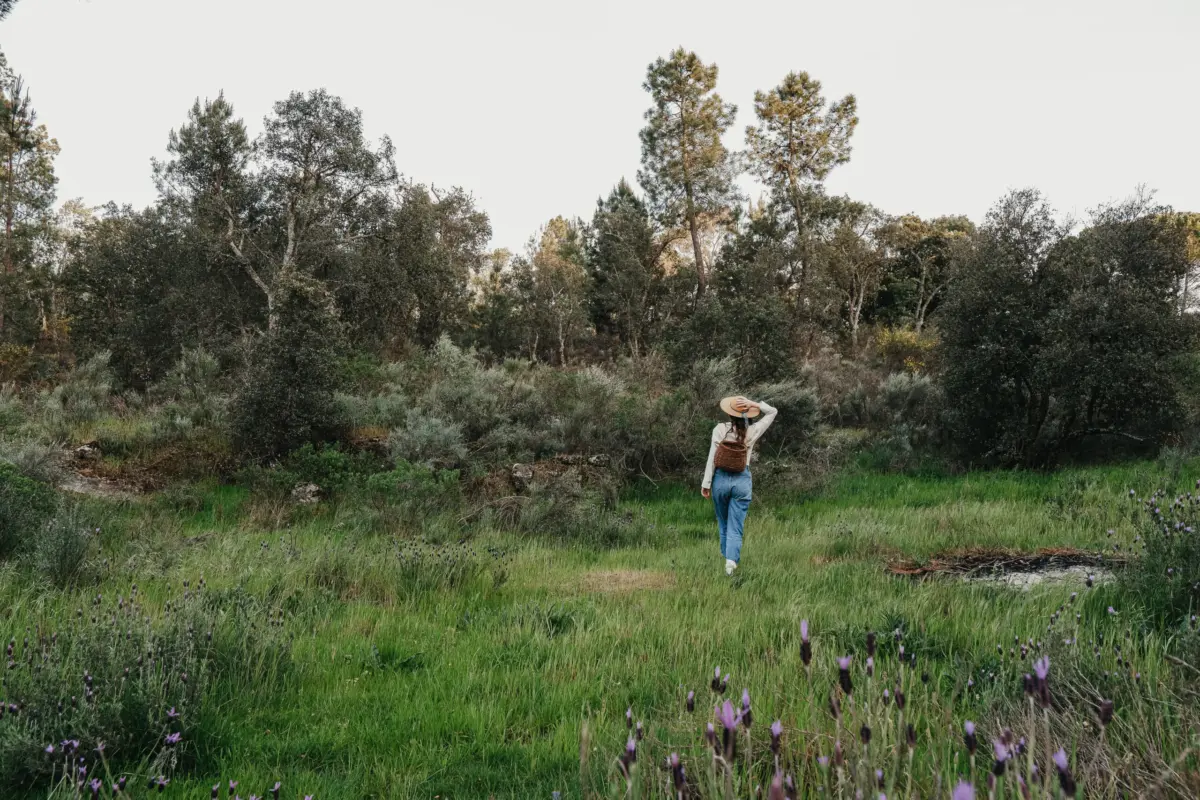
As global temperatures continue to rise year-over-year, altering ecosystems and expanding the viable habitats for disease vectors, public health officials are sounding the alarm over a quiet epidemic unfolding across the United States. Ticks—tiny, resilient arachnids capable of transmitting a vast array of pathogens—are becoming increasingly prevalent, thriving in regions where they were once rarely seen.
According to recent data from the Centers for Disease Control and Prevention (CDC), an estimated 31 million people are bitten by ticks annually in the U.S. alone. Of those millions, approximately 3.4 million individuals require formal medical intervention and health care treatments for tick-related complications. While not every bite escalates to a hospital visit or severe systemic illness, understanding the diverse range of pathogens and physiological reactions associated with these bites is essential.
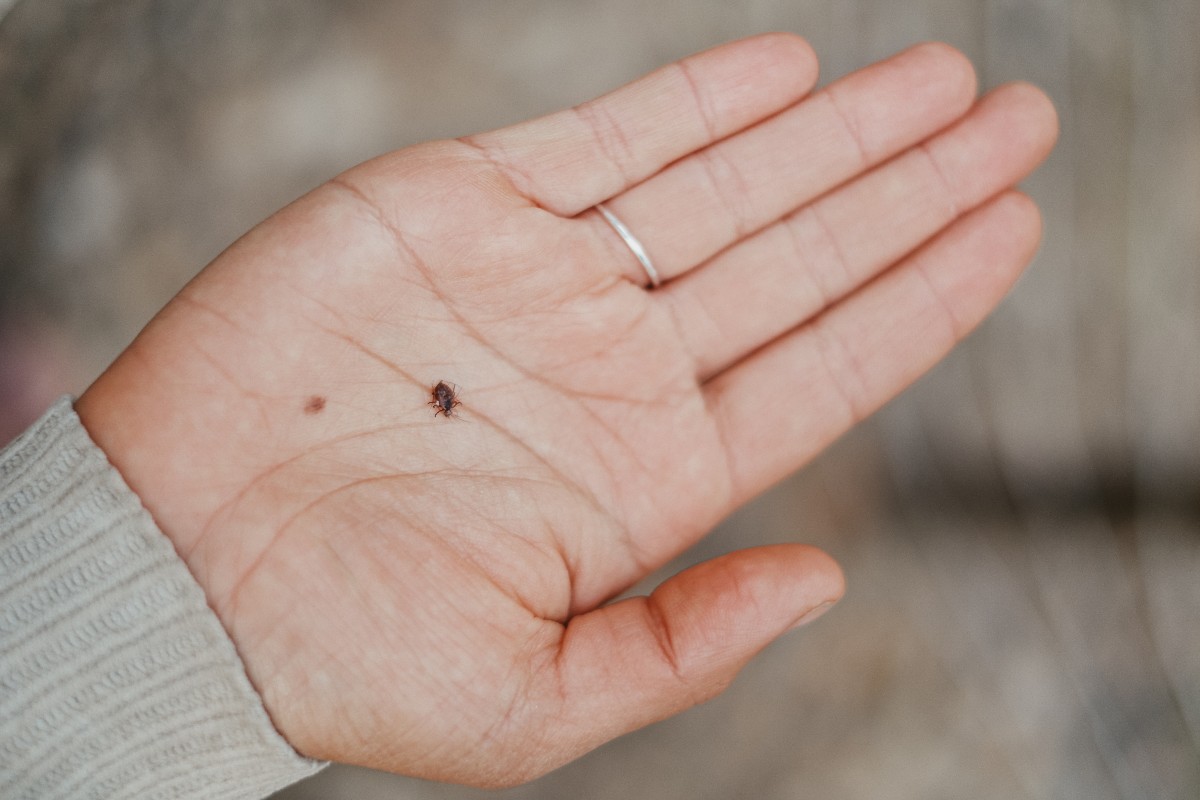
Arming oneself with knowledge can transform fear into preparedness, allowing outdoor enthusiasts to enjoy nature safely. To bridge the gap between conventional medicine and integrative wellness, experts are increasingly examining how holistic herbal support can be used alongside necessary medical care to manage symptoms and support recovery.
The Rising Tide of Vector-Borne Illness: Main Facts and Context
The proliferation of ticks across North America is not a coincidence; it is closely linked to shifting environmental conditions. Milder winters, extended spring and autumn seasons, and changing precipitation patterns create optimal breeding grounds and survival rates for several prominent tick species, including the blacklegged tick, the lone star tick, and the western blacklegged tick.

When a tick attaches to a human host, it feeds on blood, anchoring itself with specialized mouthparts. During this feeding process, pathogens present in the tick’s saliva—ranging from bacteria and parasites to viruses and complex proteins—can be transmitted directly into the human bloodstream.
Public health frameworks traditionally categorize tick-borne illnesses based on the type of infectious agent or biological response triggered. To effectively navigate outdoor recreation season, individuals must familiarize themselves with the four primary categories of tick bite illness:
- Tick-Borne Allergies (such as Alpha-Gal Syndrome)
- Tick-Borne Bacterial Infections (such as Lyme disease, anaplasmosis, and ehrlichiosis)
- Tick-Borne Parasite Infections (such as babesiosis)
- Tick-Borne Viral Infections (such as Bourbon and Heartland viruses)
Chronology of the Rise in Tick-Borne Encounters
Understanding how tick-borne diseases have evolved in the public consciousness requires looking at the timeline of scientific discovery and epidemiological tracking:
- Late 20th Century: Lyme disease is formally recognized and named following an outbreak of juvenile arthritis in Old Lyme, Connecticut. The causative agent, the bacterium Borrelia burgdorferi, is identified, marking a major turning point in vector-borne disease research.
- Early 2000s: Public health agencies note a geographic expansion of the blacklegged tick (Ixodes scapularis), moving beyond the Northeast and Mid-Atlantic into the Upper Midwest and parts of Canada.
- 2010s: The medical community officially identifies Alpha-Gal Syndrome (AGS)—a novel type of food allergy triggered by tick bites that creates severe systemic reactions to red meat. Concurrently, newly discovered viruses like the Bourbon and Heartland viruses emerge in the American Midwest and South, transmitted primarily by the lone star tick.
- Present Day (2026): The CDC reports record-breaking weekly emergency room visits for tick bites, underscoring the necessity for year-round vigilance. Concurrently, integrative health platforms—such as the Herbal Academy—introduce specialized educational programming, merging clinical medicine with herbal support to address the rising tide of chronic tick-borne illnesses.
Supporting Data and Epidemiological Insights
Statistical tracking by federal health agencies highlights the mounting burden of tick bites on the U.S. healthcare infrastructure:

- 31 Million: The estimated total number of tick bites occurring in the United States every year.
- 3.4 Million: The subset of individuals who seek professional medical care annually for tick bite evaluations and treatments.
- Geographic Spread: Ticks are now considered established in nearly 50% of all counties in the United States, representing a dramatic geographic expansion over the past three decades.
- Economic and Quality-of-Life Impact: Chronic tick-borne illnesses, particularly late-stage Lyme disease and Alpha-Gal Syndrome, account for billions of dollars in direct medical costs and lost productivity, alongside severe impacts on patient quality of life.
Official Responses and Public Health Strategies
In response to surging emergency room visits, the CDC and state-level departments of public health have intensified educational outreach campaigns. Public health messaging emphasizes early detection, proper tick-removal techniques (using fine-tipped tweezers to pull straight up without twisting), and prompt consultation with healthcare providers if a bullseye rash or flu-like symptoms develop.
Concurrently, integrative health practitioners and clinical herbalists advocate for a comprehensive paradigm. While conventional antibiotics (such as doxycycline) remain the gold standard for acute bacterial tick-borne infections, integrative medicine highlights the value of supportive therapies. Herbal support—focusing on immune modulation, inflammation reduction, and lymphatic drainage—is increasingly integrated into recovery protocols, always intended to be used alongside necessary medical care rather than as a replacement for it.
The Four Major Types of Tick Bite Illnesses
1. Tick-Borne Allergies
While most people associate tick bites exclusively with microbial infections, immunological and allergic responses represent a critical category of tick-borne illness. These reactions can range from localized skin irritation to severe, systemic conditions like Alpha-Gal Syndrome (AGS).
- Primary Vectors: The lone star tick (Amblyomma americanum) is widely recognized as the primary vector for transmitting AGS in the United States. Adult females are distinguished by a prominent, single white spot on their backs, while males feature distinct white streaks.
- Symptom Overview: AGS fundamentally alters how the human immune system processes a specific sugar molecule called alpha-gal, which is found in mammalian cell membranes. Symptoms often manifest hours after consuming red meat (such as beef, pork, lamb, or venison) or mammalian-derived products, leading to hives, gastrointestinal distress, and, in severe cases, life-threatening anaphylaxis.
- Holistic & Herbal Approaches: Holistic strategies for immune modulation focus on supporting gut integrity, calming hyper-reactive mast cells, and utilizing anti-inflammatory herbs that soothe systemic allergic responses.
2. Tick-Borne Bacterial Infections
Bacterial pathogens are transmitted when an infected tick secretes saliva into the host during feeding. This category includes some of the most widely recognized vector-borne diseases in North America.
- Primary Vectors: The blacklegged tick or deer tick (Ixodes scapularis) and the western blacklegged tick (Ixodes pacificus) are the principal carriers of Lyme disease, anaplasmosis, and ehrlichiosis. These small, hard-bodied ticks feature reddish-brown bodies, dark black legs, and a characteristic dark shield behind the head. The lone star tick also contributes to the transmission of ehrlichiosis.
- Symptom Overview:
- Lyme Disease: Often characterized by the classic erythema migrans (bullseye) rash, accompanied by early flu-like symptoms (fever, chills, fatigue, joint and muscle aches). If left untreated, it can disseminate to the nervous system and joints.
- Anaplasmosis and Ehrlichiosis: Typically present with sudden high fever, severe headache, muscle stiffness, fatigue, and sometimes gastrointestinal symptoms, notably lacking a characteristic rash.
- Holistic & Herbal Approaches: Traditional herbalism utilizes specific plant allies known for their antimicrobial, lymphatic-cleansing, and immune-supportive properties. Protocols for Lyme and co-infections often incorporate supportive roots and bark extracts to bolster the body’s resilience during conventional antibiotic treatment.
3. Tick-Borne Parasite Infections
Though ticks function as external parasites on human hosts, they are also capable of transmitting internal microscopic parasites that invade red blood cells.
- Primary Vectors: The blacklegged tick (Ixodes scapularis) and western blacklegged tick (Ixodes pacificus) are the primary vectors responsible for transmitting babesiosis.
- Symptom Overview: Babesiosis infects and destroys red blood cells, leading to hemolytic anemia. Symptoms range from asymptomatic cases to severe flu-like manifestations, including high fever, drenching sweats, fatigue, dark urine, and jaundice.
- Holistic & Herbal Approaches: Integrative care focuses heavily on supporting hepatic function, protecting red blood cells from oxidative stress, and restoring vitality through nutritive tonics and restorative botanicals.
4. Tick-Borne Viral Infections
Though historically less common, tick-borne viral infections are on the rise across the United States. Because these viruses are relatively newly discovered, they remain underdiagnosed and poorly understood by the broader medical community.

- Primary Vectors: The lone star tick (Amblyomma americanum) is known to transmit emerging viral threats, including the Bourbon virus and the Heartland virus.
- Symptom Overview:
- Bourbon Virus: Manifests with fever, fatigue, rash, headache, nausea, and body aches, often accompanied by low white blood cell and platelet counts.
- Heartland Virus: Presents similarly with fever, fatigue, decreased appetite, diarrhea, and muscle pain.
- Holistic & Herbal Approaches: Because viral infections require robust cellular immune support, herbal protocols generally emphasize antivirals, immune adaptogens, and deep restorative rest to support the body’s natural recovery mechanisms.
Practical Implications and Prevention Strategies
Given the expanding geographic footprint of ticks and the complexity of the illnesses they transmit, proactive prevention remains the single most effective defense mechanism. Public health experts recommend a multi-layered approach to personal protection:
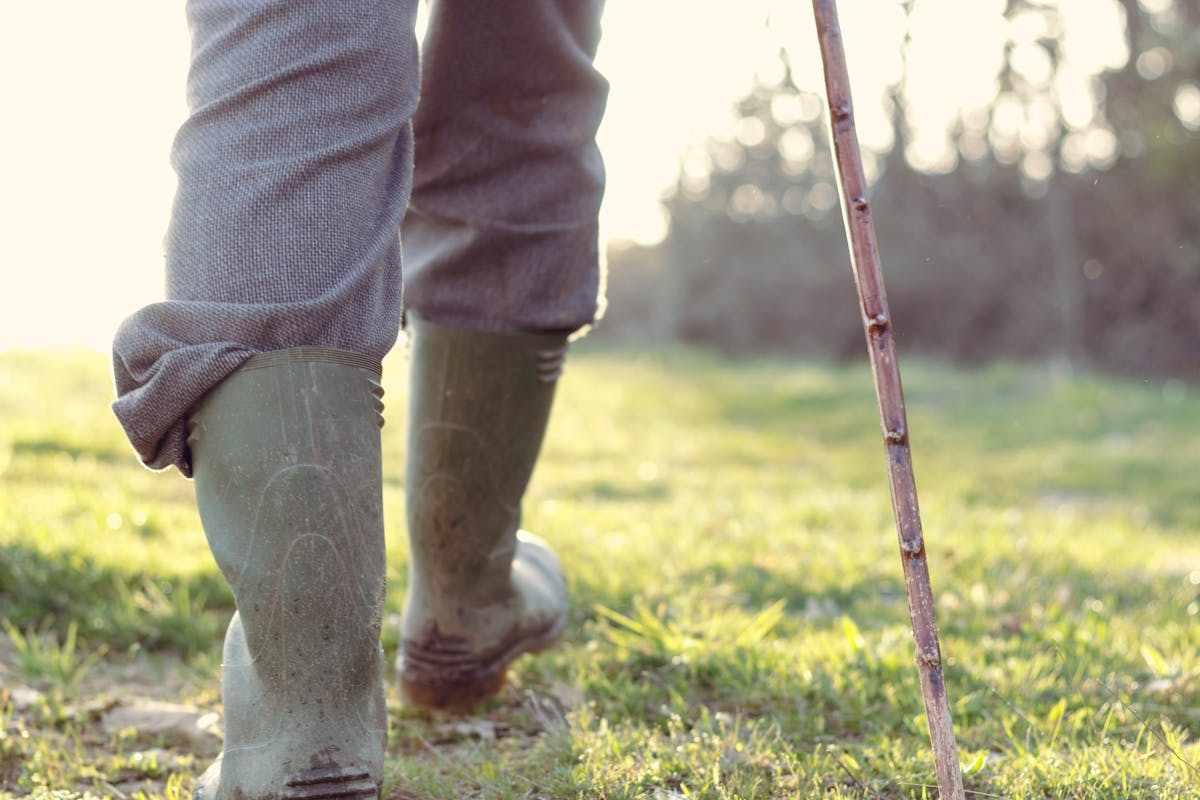
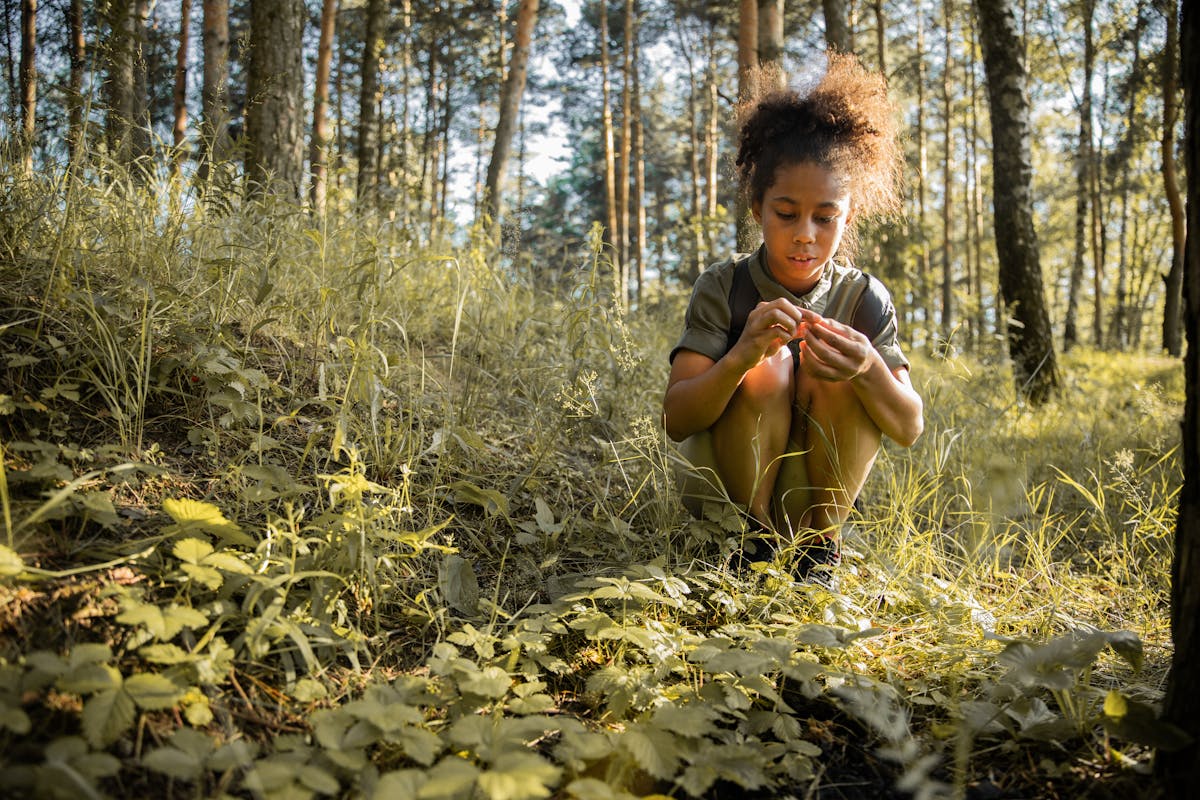
- Habitat Awareness: Avoid walking through dense brush, tall grasses, and leaf litter where ticks congregate. Stick to the center of cleared hiking trails and spend time in open, sunny environments.
- Protective Clothing: Wear light-colored clothing (which makes spotting crawling ticks easier), tuck long pants into socks, and wear long-sleeved shirts.
- Repellents: Utilize EPA-registered insect repellents containing DEET, picaridin, or oil of lemon eucalyptus on skin and clothing. For those interested in natural alternatives, essential oil-based deterrents can offer supportive layers in low-to-moderate risk environments.
- Post-Outdoor Routines: Conduct thorough tick checks on family members and pets immediately after returning indoors. Wash outdoor clothing in hot water and tumble dry on high heat to eliminate any hidden ticks.
Broadening Education: The Holistic Approach for Tick-Borne Diseases
As public interest in integrative health solutions grows, educational institutions are stepping up to provide rigorous, evidence-informed resources. Programs such as the Holistic Approach for Tick-Borne Diseases Course offered by the Herbal Academy provide self-paced, online curricula designed to help individuals identify ticks, understand vector-borne pathology, and safely implement herbal support.
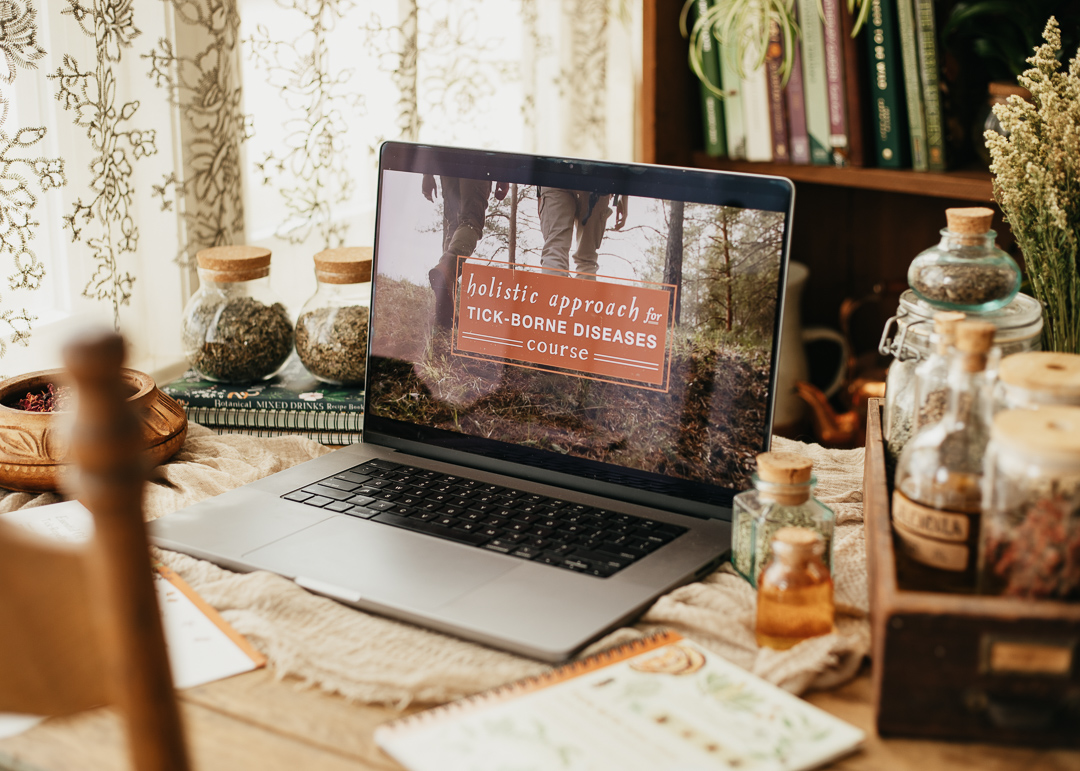
Developed in collaboration with clinical herbalists, educators, and vector-borne disease experts, such courses empower patients and practitioners alike to navigate the physical and emotional realities of living with tick-borne illnesses. By combining modern epidemiological data with traditional herbal wisdom, communities can foster a more resilient, informed approach to outdoor recreation and wellness in an era of changing climates.