






LONDON — In an era defined by rapid communication and hyper-connectivity, contemporary psychological and lifestyle trends reveal a paradox: while finding romantic partners has never been technologically easier, deepening those connections remains one of the modern human experience’s most complex challenges. Relationship coaches, therapists, and holistic practitioners increasingly note that enduring partnerships require deliberate, structured maintenance.
Enter the intentional relationship tarot spread—a modern mindfulness tool gaining traction among couples and individuals seeking novel frameworks to navigate emotional depth, communication barriers, and shared futures.
Main Facts: The Anatomy of Intentional Connection
At its core, the practice of utilizing a relationship tarot spread is not about foretelling a predetermined future. Instead, contemporary holistic practitioners frame it as a psychological mirror. By assigning specific prompts to randomized card positions, participants bypass defensive cognitive loops to explore underlying emotional currents.
- The Core Premise: Strong relationships are actively constructed, not merely stumbled upon by chance.
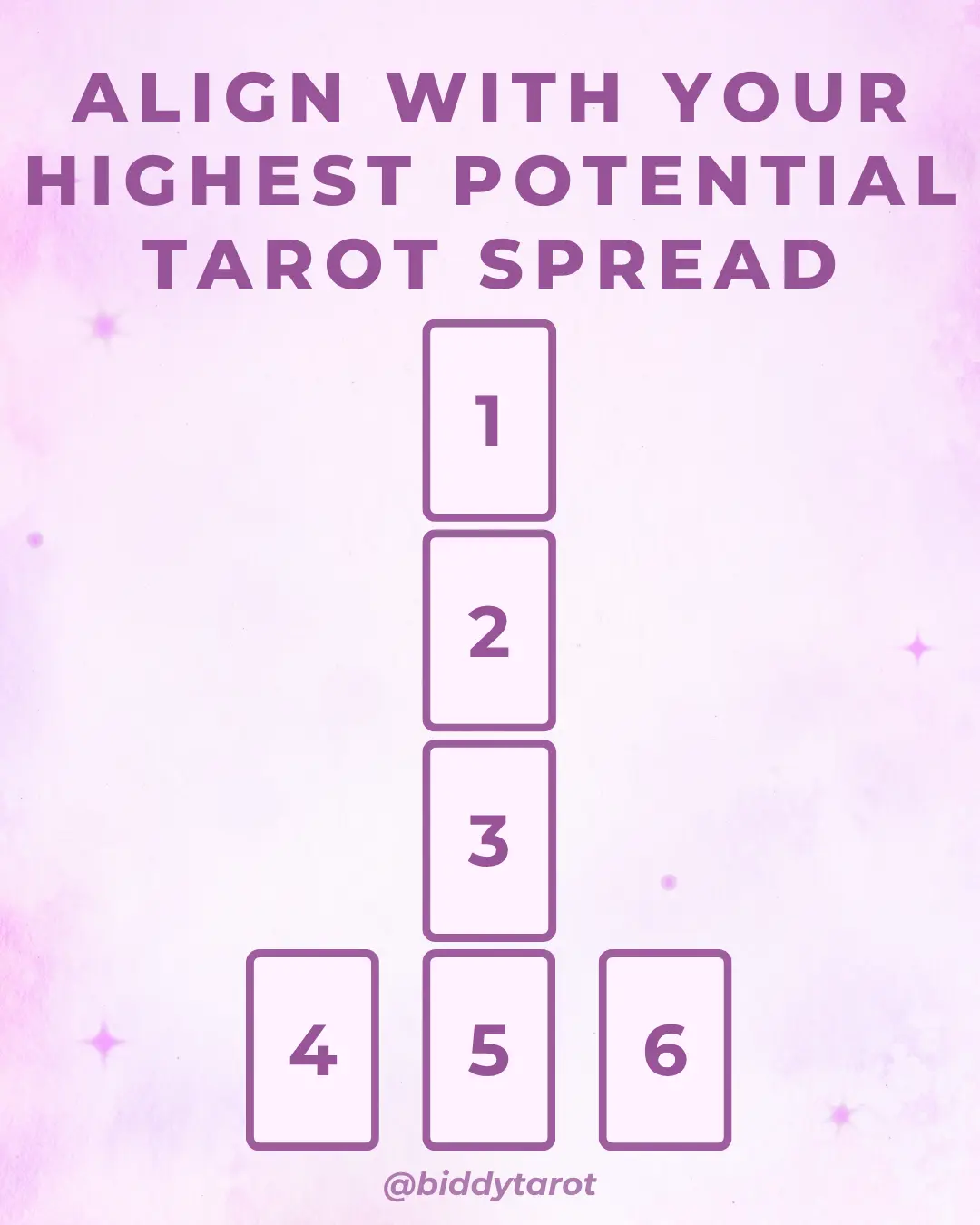
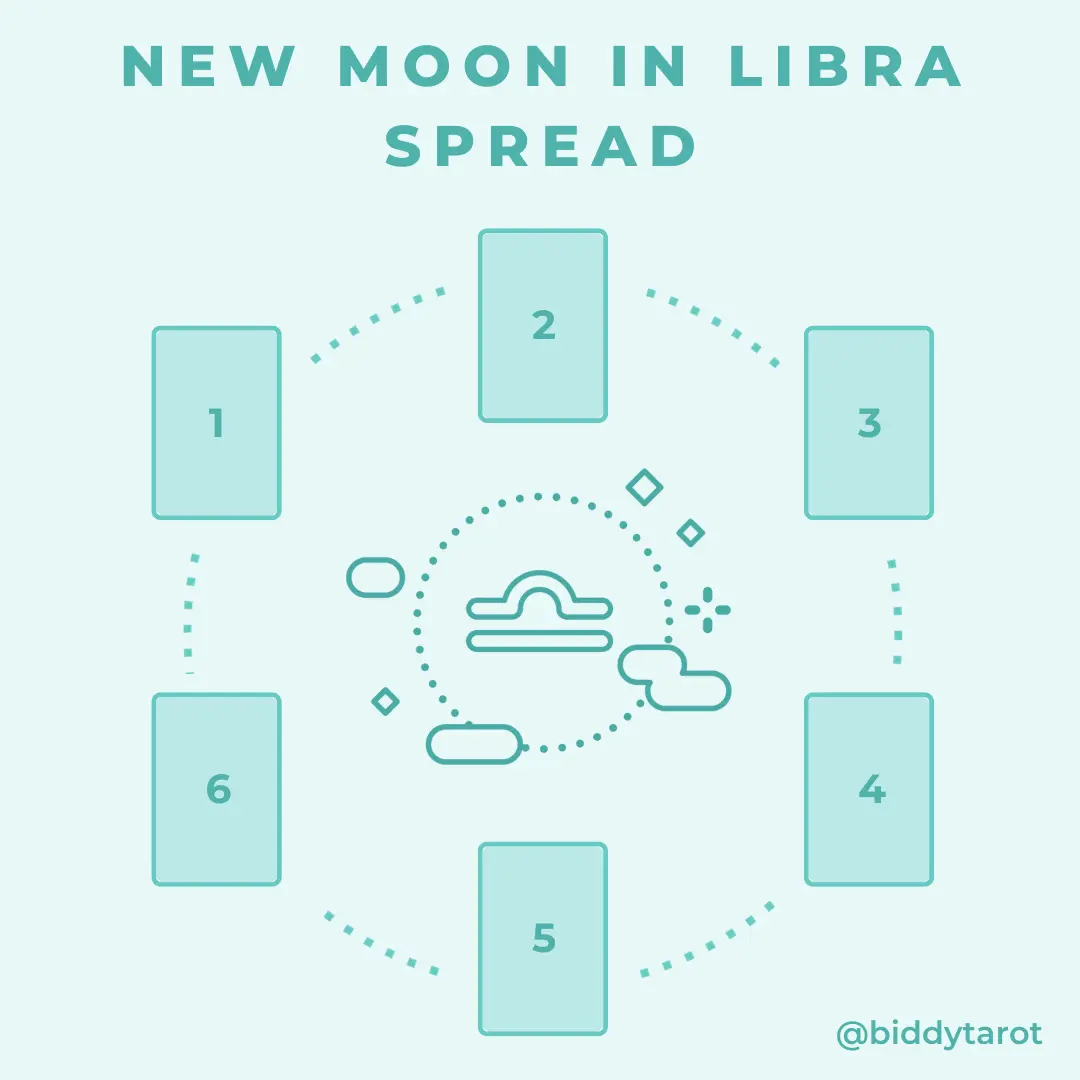
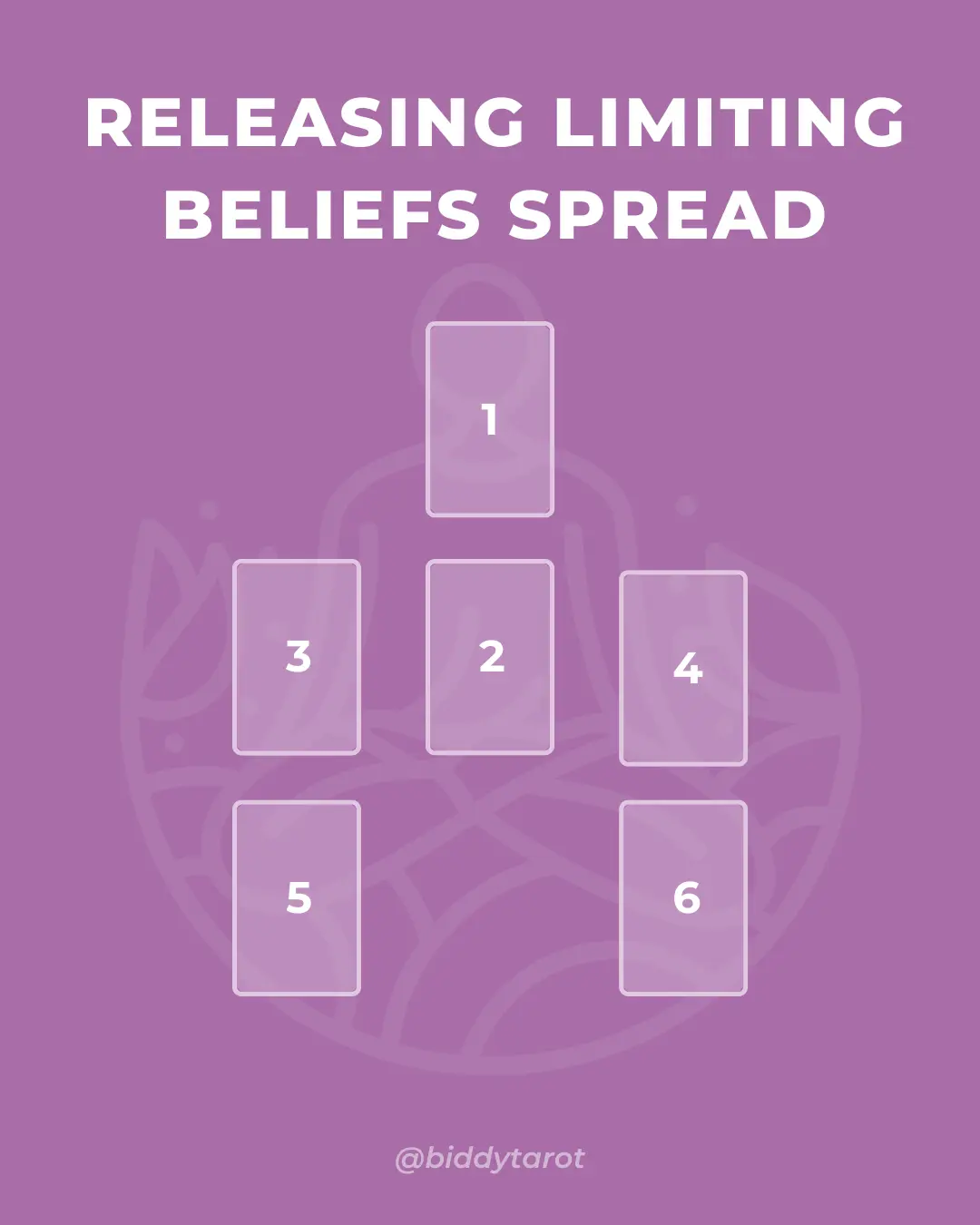
- The Tool: A specialized, multi-card tarot spread designed specifically to target communication, trust, mutual understanding, and love.
- The Ideal Timing: While crisis intervention has its place, this particular framework is optimized for periods when a relationship feels stable, secure, and ready to evolve to a higher tier of intimacy.
- The Objective: To foster vulnerability, dismantle unspoken assumptions, and create a structured environment for meaningful dialogue.
Relationship experts emphasize that tools like tarot act as a neutral third party in difficult conversations. By projecting abstract symbolism onto shared emotional landscapes, partners often find it easier to articulate complex feelings that might otherwise trigger defensiveness.
Chronology: The Evolution of Introspective Relationship Tools
To understand the current popularity of mindfulness-based relationship frameworks, it is helpful to trace how couples have sought guidance over the past century.
Mid-20th Century: The Rise of Talk Therapy
- 1950s–1970s: Traditional marriage counseling emerges as a clinical standard. Couples rely almost exclusively on licensed therapists to mediate conflicts and unpack behavioral patterns rooted in psychoanalysis.
The Self-Help Boom
- 1980s–1990s: The publishing market is flooded with self-help literature—most notably books like Men Are from Mars, Women Are from Venus. Couples begin utilizing structured reading materials, compatibility quizzes, and communication manuals at home.
The Digital Age and Gamified Intimacy
- 2000s–2010s: The rise of internet forums, relationship apps, and digital question decks (such as the famous "36 Questions to Fall in Love") democratizes self-reflection tools. Couples seek interactive, low-barrier methods to bypass small talk.
The Holistic Renaissance
- 2020s–Present: A cultural shift toward holistic wellness normalizes the blending of ancient esoteric traditions—such as tarot, astrology, and mindfulness meditation—with modern relationship psychology. Practices once confined to counter-culture circles are now widely adopted as legitimate wellness and bonding exercises.
Supporting Data: The Modern State of Relationships and Mindfulness
While empirical data directly measuring the efficacy of relationship tarot spreads is scarce, broader sociological and psychological research provides compelling context regarding why these tools are surging in popularity.
- The Communication Deficit: According to a multi-year study by the Gottman Institute—a leading organization dedicated to relationship research—poor communication and emotional disengagement remain the primary drivers behind growing apart in long-term partnerships, even when no acute conflict exists.
- The Rise of Mindfulness Wellness: A report by the Global Wellness Institute highlights a massive surge in consumer spending on mental wellness and mindfulness practices. Products, workshops, and rituals that encourage intentional reflection have seen a compounding annual growth rate of over 10% since 2020.
- Millennial and Gen Z Adoption: Demographic surveys conducted by lifestyle platforms indicate that younger generations (Millennials and Gen Z) are significantly more likely to integrate alternative wellness practices—including tarot and oracle readings—into their daily routines, viewing them as valid instruments for mental clarity and self-awareness rather than mere superstition.
Official Responses and Expert Perspectives
The intersection of esoteric practices and psychological health has elicited varied responses from mental health professionals, sociologists, and holistic guides.
The Holistic Practitioner Perspective
Proponents of intuitive tools argue that structured spreads bypass the analytical mind, allowing deeper truths to surface.
"When things are going well in a relationship, it is easy to coast," notes an experienced holistic guide specializing in interpersonal dynamics. "People assume stability equals completion. But true intimacy requires continuous excavation. A focused spread gives people the permission and the language to ask the questions they didn’t even realize they were avoiding."
The Psychological Perspective
Licensed therapists often view practices like tarot spreads through the lens of projective testing—similar to the Rorschach inkblot test.

"Whether the insights come from a psychological archetype or an intuitive draw matters less than the functional outcome," explains Dr. Elena Vance, a clinical psychologist specializing in couples therapy. "If pulling a card helps a partner express a vulnerability they’ve bottled up for months, the tool has served a profoundly healthy psychological function. It externalizes an internal state."
Skeptics, however, caution against treating such tools as definitive arbiters of a relationship’s health. Mental health advocates emphasize that while rituals like tarot can spark conversation, they should never replace professional intervention when severe emotional distress, trauma, or abuse is present.
Implications: What This Means for Modern Partnerships
As the boundary between traditional therapy and alternative wellness continues to blur, the implications for modern relationships are profound.
1. Democratization of Self-Care
Couples no longer have to wait for a crisis—or shell out hundreds of dollars for an emergency therapy session—to engage in deep emotional check-ins. Accessible, at-home frameworks empower partners to take proactive charge of their relational health.
2. Normalization of Vulnerability
By framing emotional exploration through a creative, tactile medium (such as laying out physical cards), the intimidation factor of vulnerability is significantly reduced. It turns heavy relationship work into a shared, engaging ritual rather than a daunting interrogation.
3. The Digital Community Effect
Platforms like Instagram and TikTok have transformed solitary or intimate practices into shared communal experiences. Users routinely share their spreads, interpret card combinations collaboratively, and build digital support networks centered around mutual growth, love, and emotional intelligence.
Conclusion: Continuing the Conversation
Strong relationships are living, breathing entities that require sunlight, water, and occasional pruning to truly flourish. Whether utilized during a quiet weekend evening or as part of a regular monthly check-in, intentional frameworks remind us that love is an active verb.
As practitioners and couples continue to explore these pathways, the ultimate metric of success remains the quality of the connections forged in the real world.
Have you and your partner explored intuitive spreads to deepen your bond? Share your insights on what your latest spread revealed, and join the broader conversation online by tagging community platforms on Instagram @biddytarot.