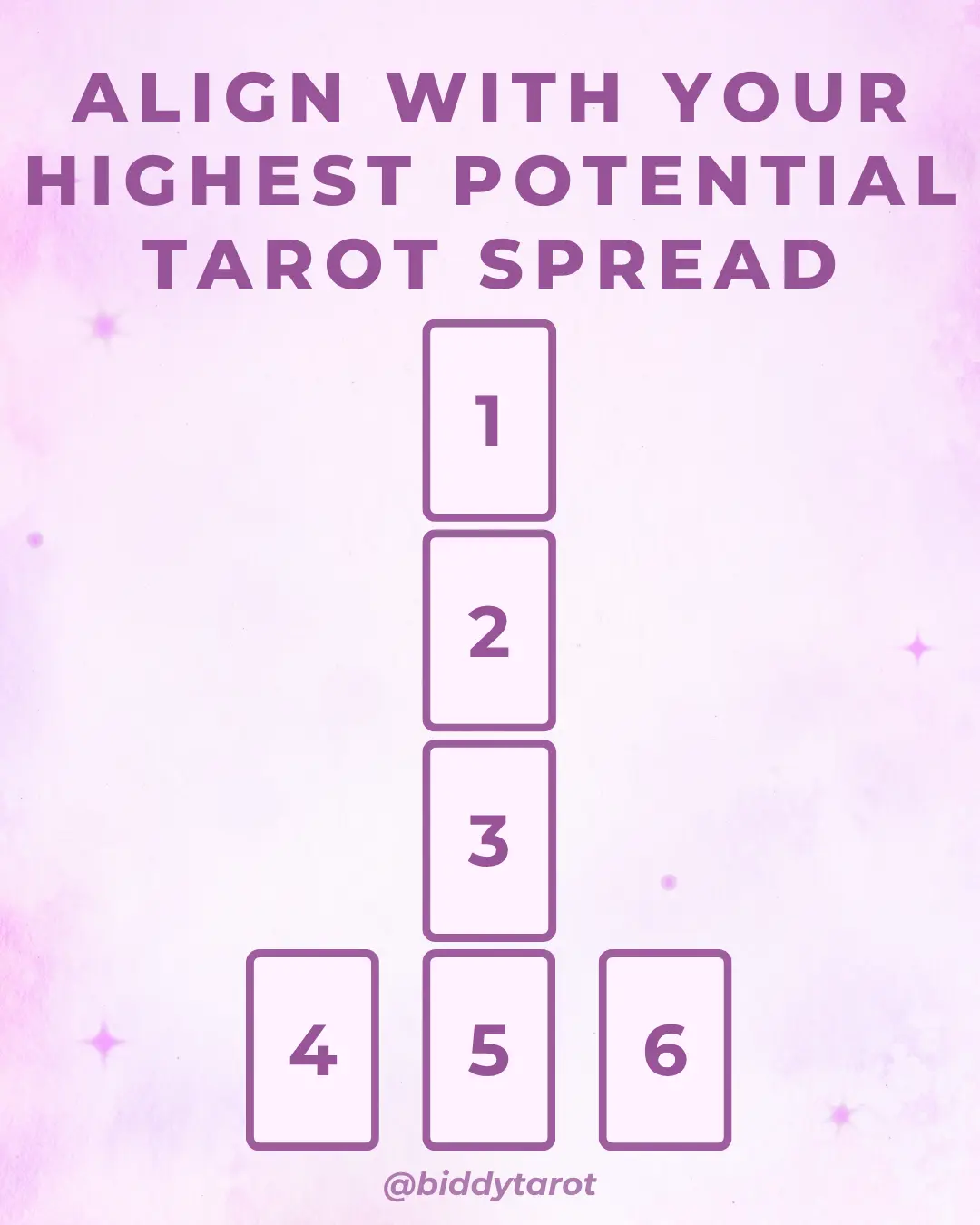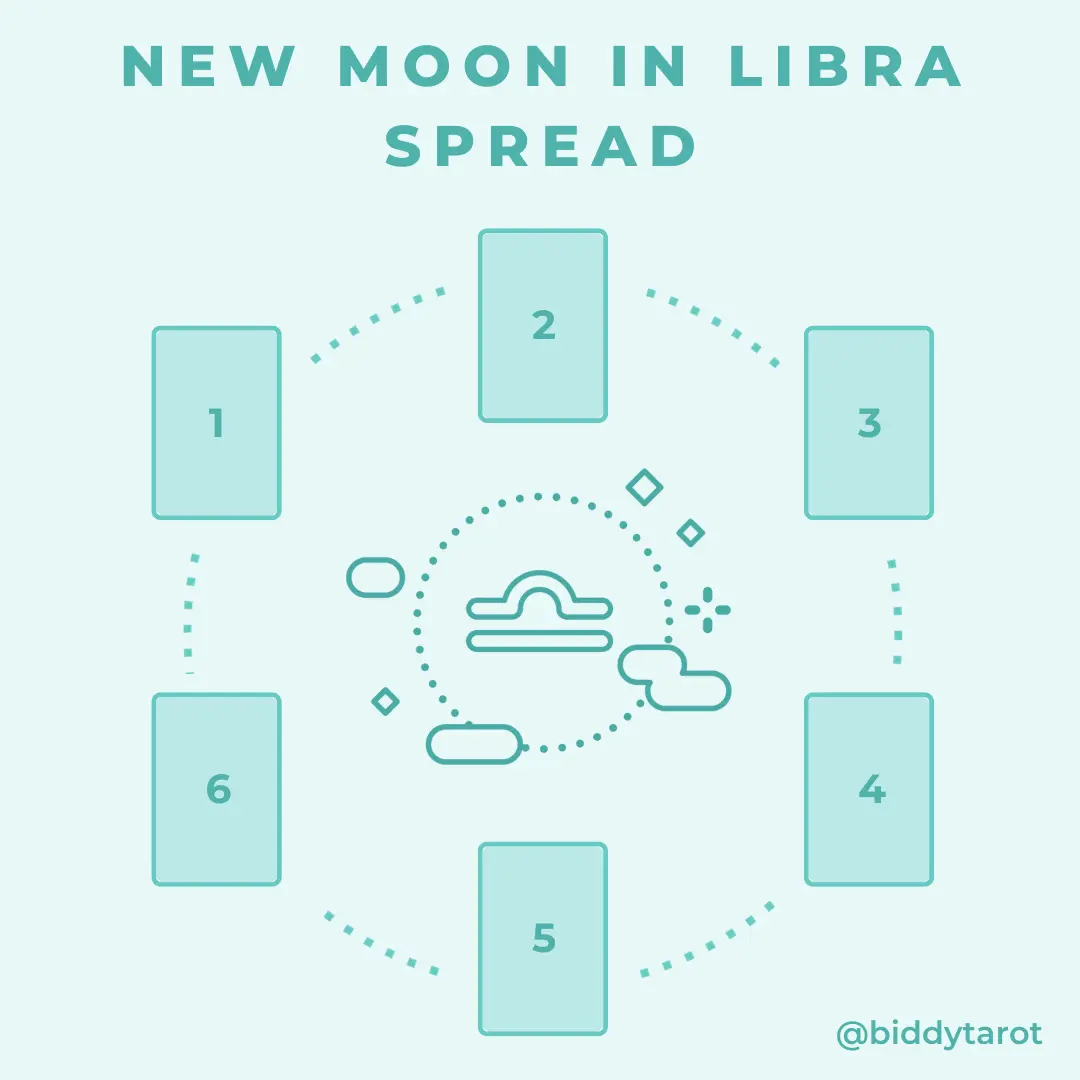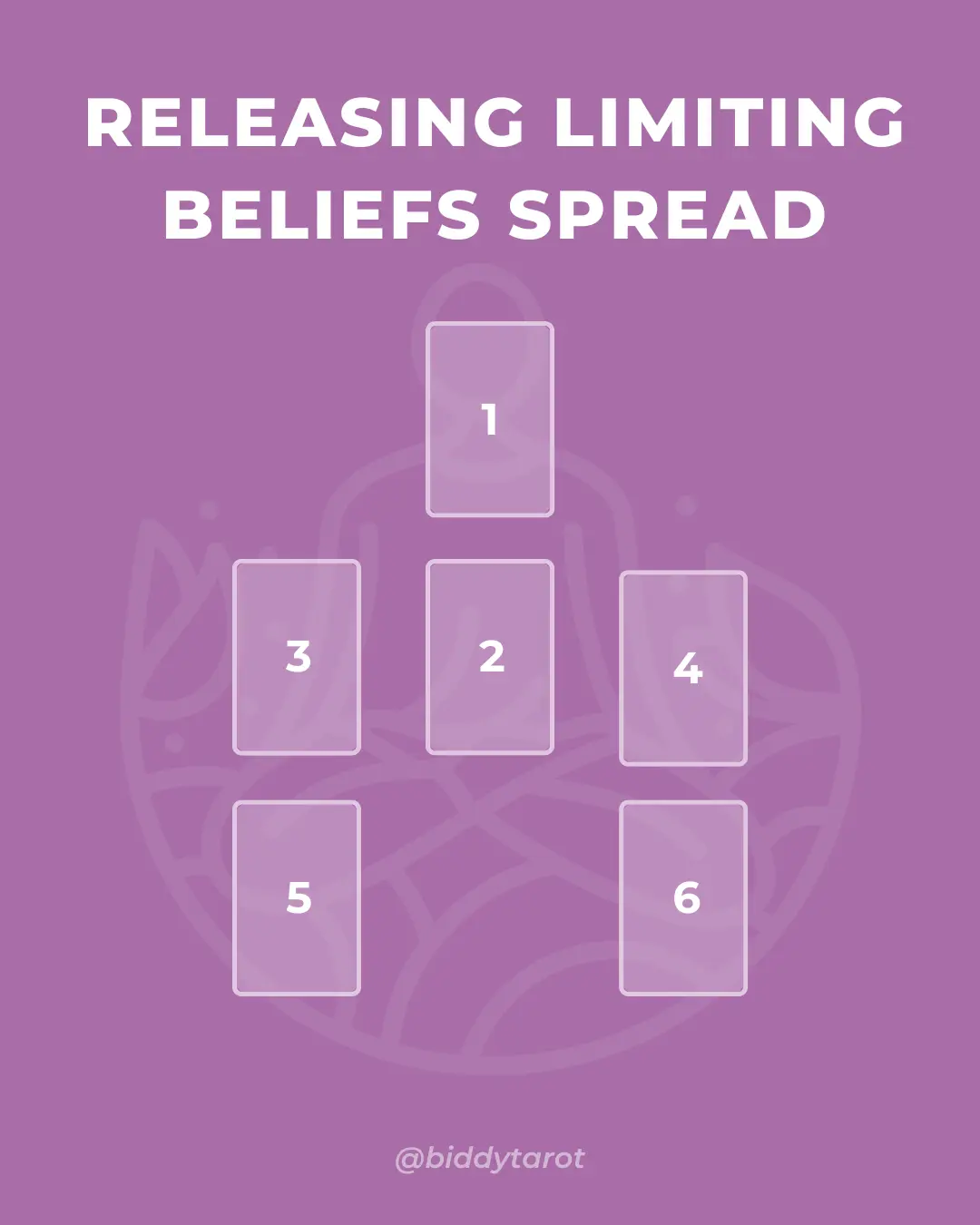
LONDON — In an era defined by hyper-connectivity and relentless digital noise, interpersonal relationships—ranging from romantic partnerships to lifelong friendships—are facing unprecedented pressures. As modern professionals juggle remote work, economic uncertainties, and fragmented social schedules, the foundational health of our closest bonds often slips into autopilot.
To combat this drift, a growing segment of wellness practitioners, relationship coaches, and psychological researchers are advocating for structured, intentional "relationship check-ins." Among the myriad tools being adopted to facilitate these vulnerable conversations, intuitive frameworks such as specialized tarot spreads are experiencing a remarkable surge in popularity. Far from mere parlor superstition, contemporary psychological applications of tarot are increasingly viewed as creative, low-stakes cognitive prompts designed to bypass emotional defensiveness and foster deeper intimacy.
Main Facts: The Anatomy of Modern Relationship Maintenance
The core thesis behind structured relationship check-ins is simple yet profound: no bond can thrive without deliberate space to breathe, reflect, and reconnect. According to relationship therapists, routine interactions—such as discussing household chores, coordinating calendars, or managing logistical hurdles—frequently crowd out deeper existential and emotional dialogues.
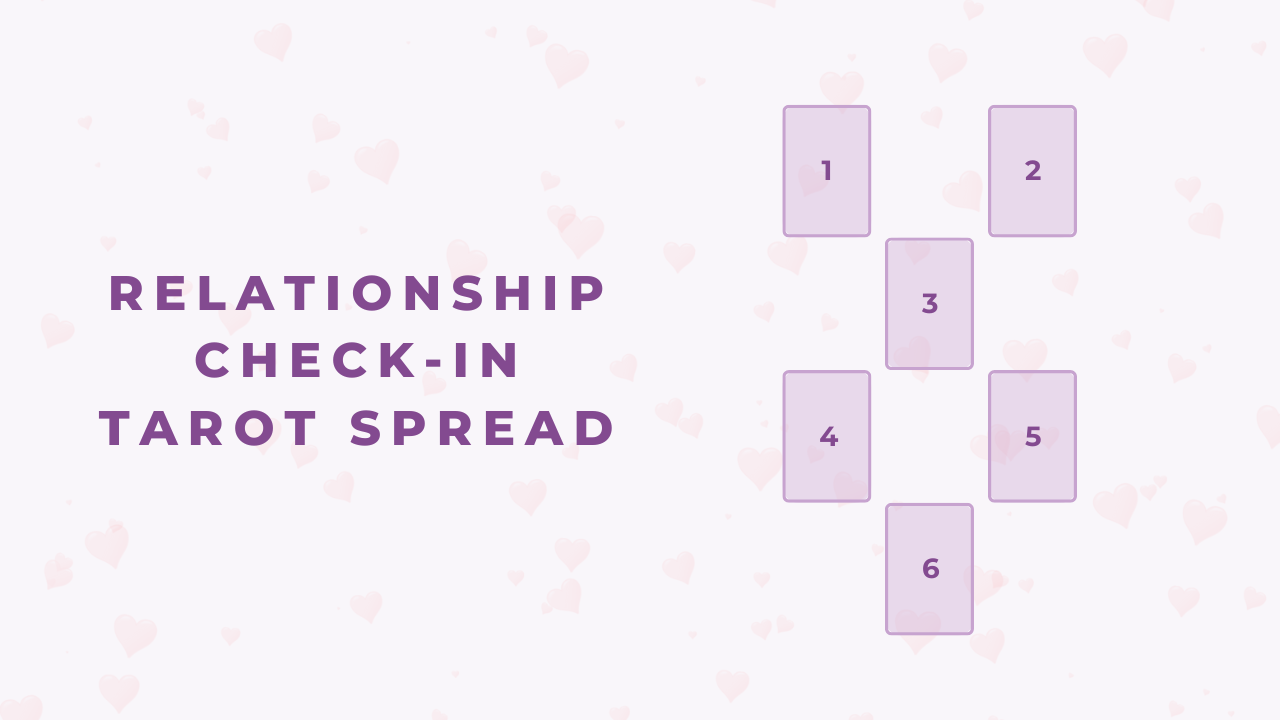
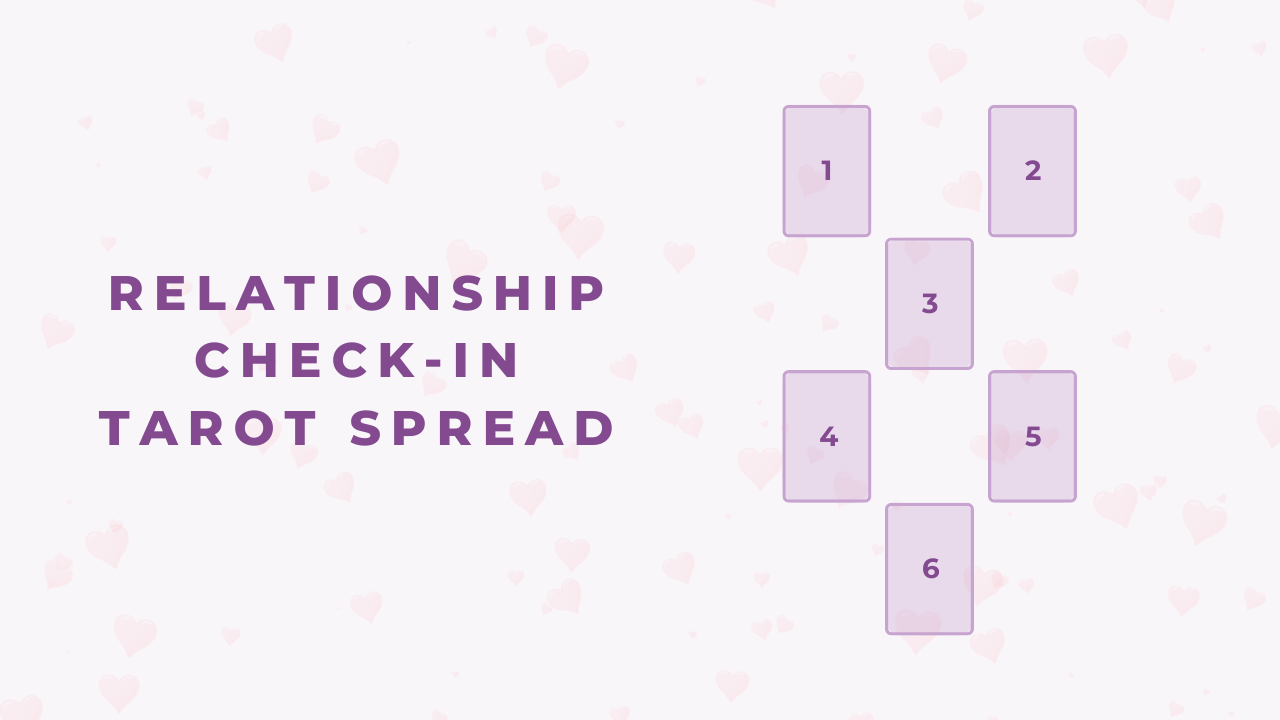
The Relationship Check-In Tarot Spread has emerged as a popular vector for addressing this deficit. Designed as a gentle diagnostic tool, the spread is structured to help partners—or close friends—answer three fundamental relational questions:
- Where do we currently stand?
- What does each individual uniquely need at this juncture?
- How can both parties move forward with heightened awareness, mutual alignment, and shared intention?
Far from dictating a predetermined future, these reflective spreads function much like Rorschach inkblots or metaphorical conversation starters. By projecting internal thoughts onto symbolic cards, participants often find it easier to articulate complex, latent feelings that might otherwise remain unexpressed due to fear of conflict or judgment.
Chronology: From Ancient Arcana to Modern Mindfulness
To understand the current resurgence of reflective tarot spreads, one must look at how the practice has evolved across centuries, transitioning from occult divination to modern self-care psychology.
18th to 20th Century: The Shift Toward Esoteric Self-Reflection
While tarot cards originated in the mid-15th century in various parts of Europe as playing games (Tarocchi), they were heavily adopted by occultists in the 18th and 19th centuries for divination. However, the turning point for modern psychological applications occurred in the mid-20th century. Pioneers like Carl Jung recognized the tarot as a powerful mirror for the collective unconscious. Jungian psychology framed the archetypes found in the Major and Minor Arcana as universal human experiences, laying the groundwork for therapeutic and reflective interpretations.
Early 2000s: The Rise of Digital Spirituality
With the dawn of the internet, independent educators and modern mystics began democratizing tarot. Platforms emerged that stripped away archaic fear-based predictions, replacing them with empowering, mindfulness-oriented frameworks. Tarot began to be positioned less as a tool to "predict the future" and more as a journaling prompt for the present moment.
2020 to Present: The Post-Pandemic Relational Reset
The COVID-19 pandemic acted as an intense stress test for interpersonal relationships globally. Lockdowns forced couples and families into prolonged proximity, exposing underlying fractures, while others faced severe isolation and disconnection. In the wake of this collective trauma, wellness trends shifted heavily toward emotional literacy, somatic healing, and intentional communication tools. Practices like the Relationship Check-In Spread gained immense traction on social media platforms, as communities sought non-threatening, creative ways to audit their emotional health.
Supporting Data: The Science of Communication and Intuitive Tools
While skeptics often dismiss intuitive practices, a robust body of psychological and sociological data underscores the necessity of the underlying mechanisms driving these check-ins: structured vulnerability and cognitive reframing.
The Cost of Unspoken Needs
According to longitudinal studies on relationship longevity—most notably the work stemming from the Gottman Institute—the primary predictor of relationship dissolution is not explosive conflict, but rather emotional withdrawal and "grunting" (unexpressed resentment). Research indicates that couples who engage in regular, structured check-ins report a 34% increase in perceived relationship satisfaction within six months.
The Psychology of Projection
Psychologists note that tools utilizing visual metaphors (such as tarot cards, oracle decks, or therapeutic card games) leverage the psychological phenomenon of projection. When an individual is asked, "How are you feeling?", cognitive defenses often activate, leading to guarded or socially desirable answers ("I’m fine"). However, when asked to interpret a neutral visual symbol in the context of a relationship, the brain bypasses these defenses, allowing buried emotions—such as loneliness, unspoken exhaustion, or a desire for appreciation—to surface safely.
Official Responses and Expert Perspectives
Mental health professionals and relational coaches have increasingly weighed in on the integration of intuitive practices into traditional communication frameworks.
Dr. Elena Vance, a licensed marriage and family therapist based in Chicago, notes that the medium matters less than the intentionality behind it.
"Whether couples use a structured workbook, a list of Gottman-inspired conversation cards, or a creative tarot spread, the psychological win is the exact same," Dr. Vance explains. "It creates a sacred container. It signals to both partners: ‘For the next thirty minutes, we are putting down our daily armor and looking directly at each other’s inner worlds.’"
Meanwhile, modern mindfulness educators emphasize the versatility of these check-ins. While historically marketed toward romantic partnerships, contemporary wellness leaders stress their equal applicability to close friendships, creative collaborators, and family dynamics.
"Every significant connection in our lives requires maintenance," notes a leading voice in the modern intuitive community. "We service our cars, we update our software, yet we often expect our most precious human bonds to run indefinitely on fumes. A check-in spread is simply a dashboard light, telling us when it’s time to refuel."
Implications: The Future of Intentional Relationships
As society continues to navigate high-stress environments, the mainstream adoption of hybrid wellness tools—combining ancient archetypes with modern psychological principles—points toward a broader cultural shift.
1. De-stigmatizing Vulnerability
The popularity of interactive spreads and check-in exercises helps normalize the idea that relationships require ongoing labor and fine-tuning. By framing emotional check-ins as accessible, creative, and even playful activities rather than clinical therapy sessions, individuals are more likely to engage proactively before minor rifts turn into structural fractures.
2. Cross-Pollination of Wellness and Communication
The boundary between "wellness" and "relationship health" is rapidly dissolving. Practices once siloed in subcultures are now entering mainstream corporate retreats, couple workshops, and everyday households. This cross-pollination encourages a culture of emotional literacy where individuals feel better equipped to articulate boundary-setting, desires, and mutual goals.
3. Cultivating Digital Mindfulness
Ironically, while tools like these often spread virally via digital platforms like Instagram Stories—where users frequently share their spreads and tag community leaders—they ultimately serve to pull people away from screens and toward face-to-face dialogue. This paradoxical use of technology to foster offline intimacy highlights how modern communities are reclaiming digital spaces to promote genuine human connection.
Moving Forward
Ultimately, whether utilized over a weekend coffee date, during a monthly relationship review, or as part of a personal journaling routine, frameworks like the Relationship Check-In Tarot Spread offer a vital reminder: love, friendship, and collaboration are not static destinations, but active, ongoing practices requiring presence, curiosity, and care.