Main Facts: The Peach Renaissance in Modern Herbalism
As summer reaches its zenith, roadside stands and bustling farmers markets across the country burst into a vibrant display of crimson and gold. At the heart of this seasonal bounty sits the peach (Prunus persica), an unmistakable icon of warm-weather abundance. Whether transformed into a bubbling cobbler, simmered down into rich preserves, or eaten standing over the sink with sweet juices threatening to drip down one’s arm, the peach is a quintessential summer experience.
Yet, beneath its culinary versatility lies a rich heritage deeply embedded in traditional herbalism. Far beyond a mere backyard treat, the peach—along with its leaves and pits—possesses unique properties that have been utilized by herbal practitioners for centuries. Modern herbalists are increasingly turning their attention back to these time-honored practices, utilizing the cooling, moistening, and soothing nature of the fruit to combat the sluggish heat of midsummer.
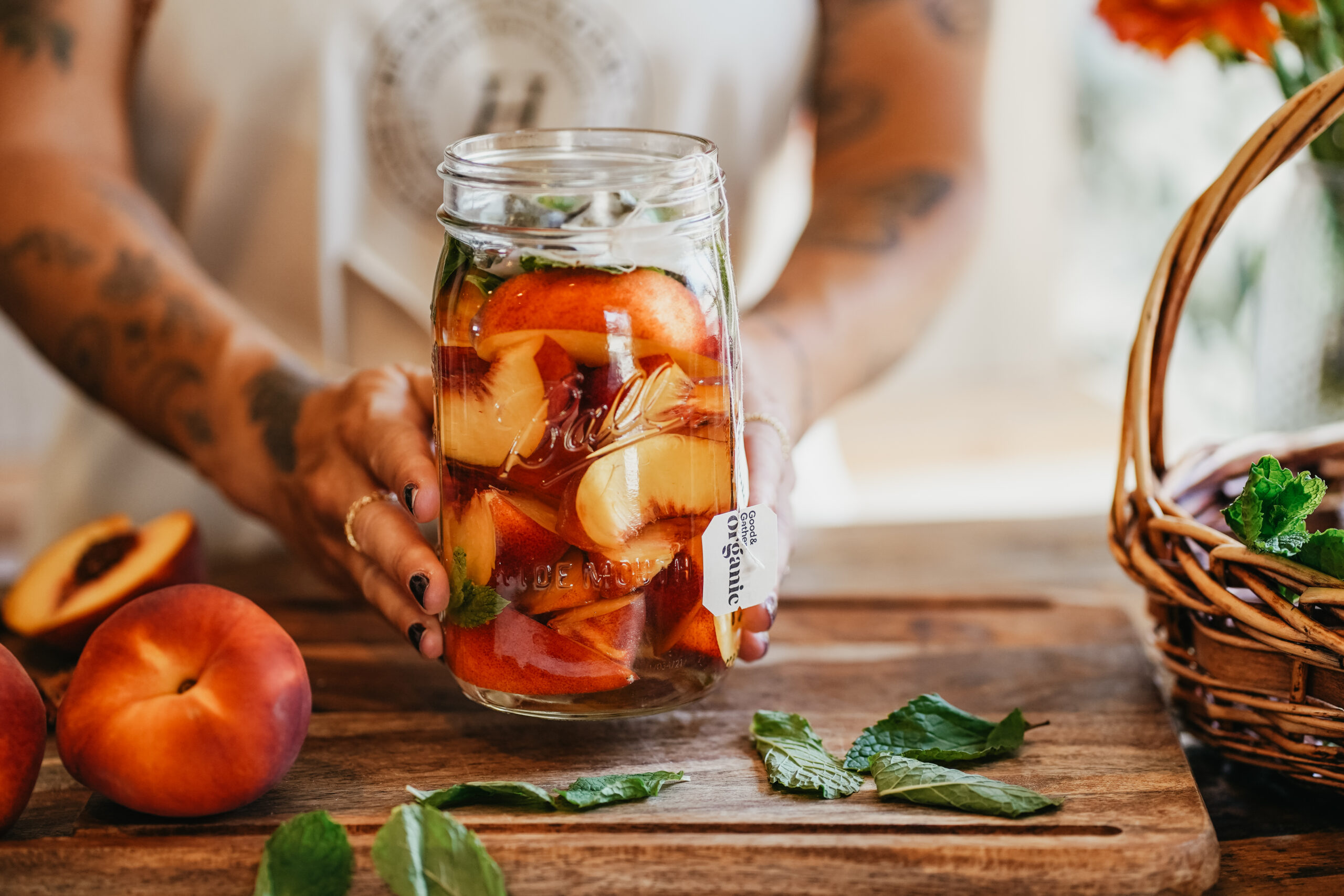
To celebrate this seasonal staple, wellness enthusiasts are looking to creative concoctions that maximize both flavor and botanical benefits. Among them, a refreshing blend known as "Peppy Peach Sun Tea"—combining fresh local peaches, antioxidant-rich green tea (Camellia sinensis), and cooling mint (Mentha spp.)—has emerged as the definitive beverage of the season. Steeped gently by the warmth of the summer sun, this drink bridges the gap between historic herbal traditions and contemporary refreshing mixology.
Chronology: From Ancient Chinese Orchards to Southern Porches
The journey of the peach is an epic cross-continental migration that spans millennia, evolving from wild Asian thickets to become the undisputed symbol of the American South.

- Ancient Origins (Prehistoric to 2nd Century BCE): Long before it became a staple of Southern porches, Prunus persica was originally native to northwest China, where it was first cultivated along the slopes of the Kunlun Mountains. In ancient Chinese culture, the peach tree held profound mythical significance, often associated with longevity and immortality.
- The Silk Road Expansion (2nd Century BCE – Middle Ages): From its origins in China, the peach traveled along the ancient Silk Road trading routes through Persia (modern-day Iran). Persians introduced the fruit to the Greco-Roman world, where it quickly captured the interest of European horticulturists. The scientific species name, persica, reflects this historic European misunderstanding of the fruit’s true geographic origin.
- New World Introduction (16th–17th Centuries): Spanish explorers and British colonists brought peach stones across the Atlantic Ocean to the Americas. The fruit adapted remarkably well to the climate of the Southeastern United States, where indigenous populations and early settlers rapidly integrated it into their agricultural practices.
- The Modern Agricultural Landscape: While popular culture fondly crowns Georgia as the "Peach State," agricultural statistics reveal a surprising twist: neighboring South Carolina actually harvests a significantly higher volume of peaches annually. Despite this interstate rivalry, the fruit remains universally synonymous with leisurely summer days, picnics, cookouts, and porches across North America.
Supporting Data: The Botanical and Nutritional Profile of Prunus persica
To truly appreciate the peach, one must look beyond its sweet exterior and examine its chemical and energetic properties within herbal medicine. Clinical herbalists and ethnobotanists categorize plants not just by their vitamins, but by their physiological actions on the human body.
Energetics and Action in Herbalism
In traditional herbalism, biting into a ripe, juicy peach on a scorching afternoon immediately illustrates its primary physiological classifications: cooling and moistening.
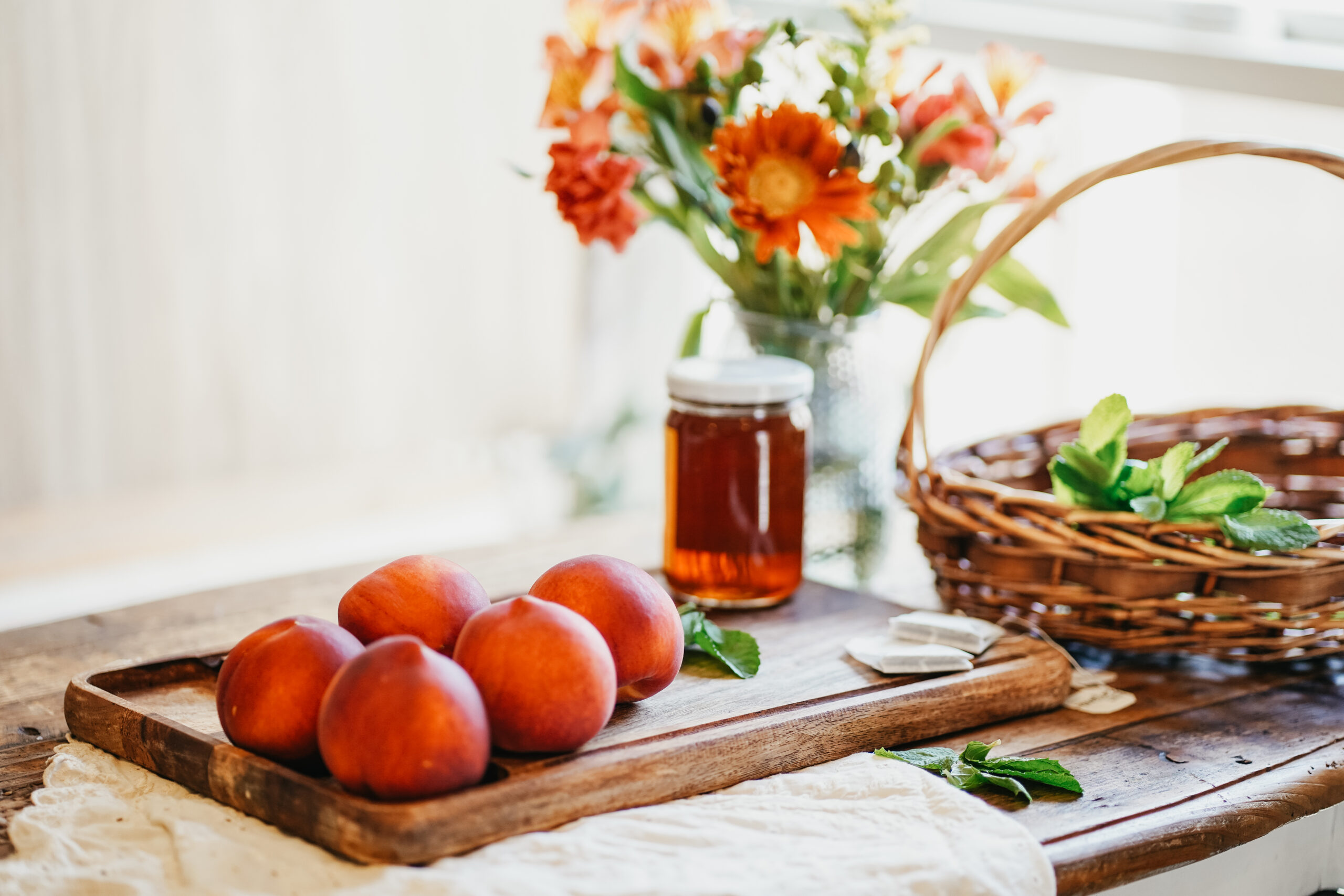
- Demulcent Properties: The fleshy fruit is rich in soluble fiber and mucilaginous compounds, making it gently demulcent. Herbalists employ peach fruit to soothe internal heat, irritation, and dryness in the digestive tract.
- Nervine Effects of Peach Leaves: Moving beyond the fruit, advanced and clinical herbalists historically work with peach leaves and pits. According to renowned herbalist Matthew Wood (The Earthwise Herbal, 2008), these botanical elements are traditionally valued for their cooling nervine effects. They are specifically indicated for patterns of internal heat, nervous irritation, and systemic congestion. Because peach leaves contain cyanogenic glycosides, they are administered in carefully measured, small doses to temper the excessive excitation often brought on by intense summer heat.
- The Caution of Peach Kernels: Deep inside the hard wooden pit lies the peach kernel. In traditions such as Traditional Chinese Medicine, these kernels have long been utilized to support healthy blood circulation and vascular movement. However, they contain high concentrations of amygdalin—a cyanogenic glycoside studied for its profound anti-inflammatory and neurological effects. Because improper internal administration can lead to severe toxicity, contemporary herbalists universally stress that peach kernel preparations must be strictly limited to experienced clinical practitioners.
The Synergy of Green Tea and Mint
The classic Peppy Peach Sun Tea recipe relies on two powerful botanical companions to elevate the fruit’s natural profile:
- Green Tea (Camellia sinensis): Unlike heavily oxidized black teas, green tea is gently processed to preserve its high concentration of polyphenols and catechins (powerful antioxidants). It also supplies a moderate, natural dose of caffeine, offering a clean, sustained pick-me-up for sluggish, heat-fatigued afternoons without the jittery crash associated with synthetic energy drinks.
- Mint (Mentha spp.): Varieties of mint contribute a bright, invigorating aroma driven by volatile aromatic oils, most notably menthol. Menthol interacts with the body’s cold-sensitive receptors, creating a genuine physiological sensation of cooling relief that cuts straight through humid summer days.
Official Recommendations: Mastering the Art of Safe Sun Tea
While making sun tea is a nostalgic summer ritual that avoids heating up the kitchen with a boiling kettle, modern food safety guidelines require a mindful approach. Because sun tea steeps at ambient, outdoor temperatures rather than boiling points, it creates an environment where bacteria can proliferate if proper precautions are ignored.
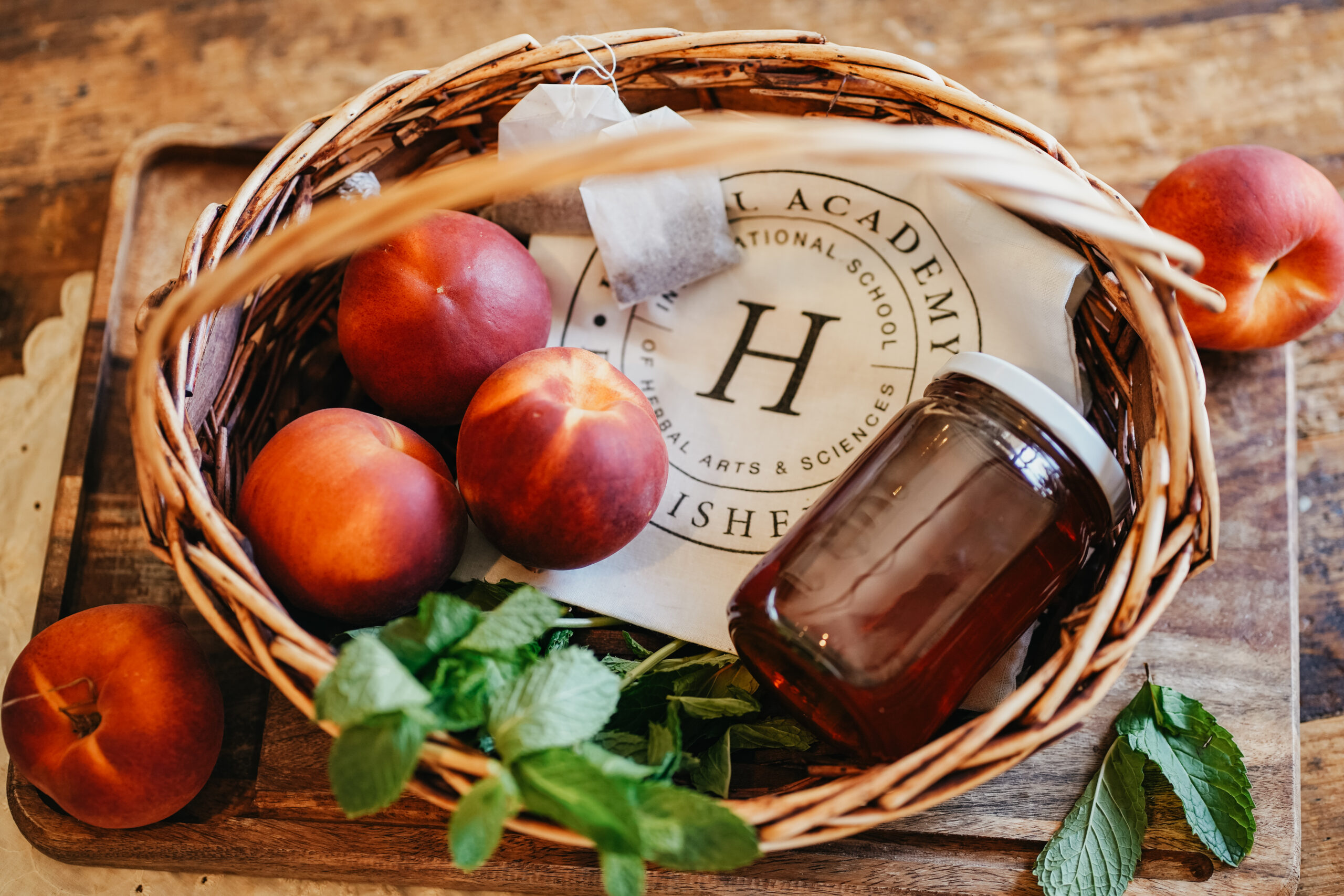
Expert Safety Guidelines for Sun Tea
- Sanitation is Paramount: Always begin with meticulously cleaned and sterilized equipment. Wash glass jars, utensils, and cutting boards thoroughly before initiating the recipe.
- Water Quality Matters: Never use unverified tap water. Always start with filtered water or water that has been previously boiled and allowed to cool.
- Monitor Steeping Time: Do not leave sun tea outside indefinitely. Let your herbal and fruit blend steep in the gentle sun for no more than two to three hours.
- Refrigerate Promptly: Once the short steeping window has closed, immediately remove the jar from the sun and place it into the refrigerator to halt bacterial growth and chill the beverage thoroughly before serving.
Implications: Expanding Your Herbal Horizons
The revival of simple, plant-based remedies like peach sun tea reflects a broader cultural shift toward intentional living, self-sufficiency, and a deeper connection with seasonal agriculture. By stepping away from processed, store-bought beverages laden with refined sugars and artificial additives, individuals can reclaim control over their health and dietary intake.
Furthermore, exploring herbal preparations opens the door to lifelong learning. For those inspired by the blending of fresh peaches, green tea, and mint, the journey doesn’t have to end with a single afternoon pitcher. Comprehensive educational resources—such as specialized herbalism ebooks focusing on summer infusions—allow enthusiasts to experiment with dozens of additional botanical combinations designed to regulate body temperature, support hydration, and calm the nervous system naturally.
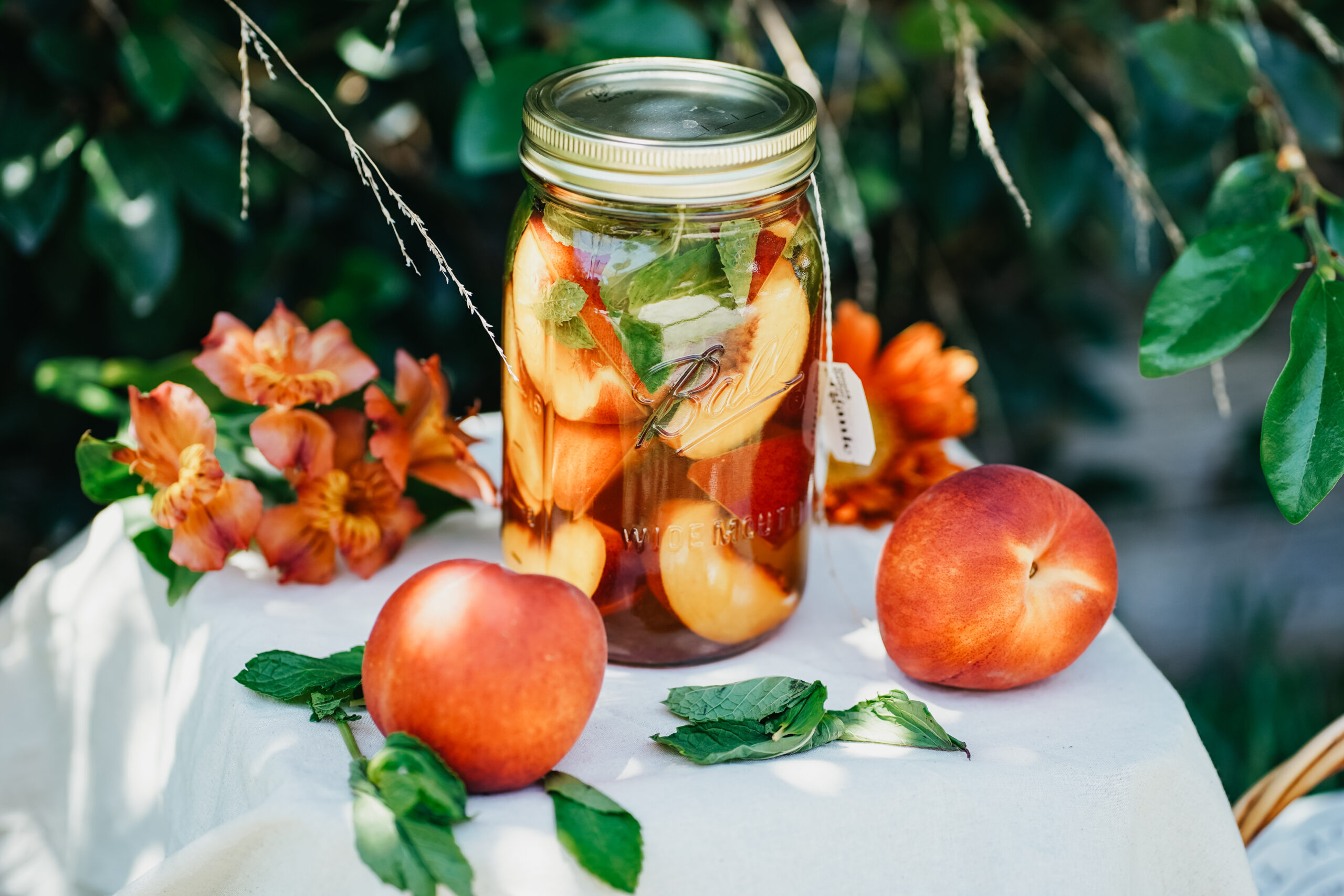
For those eager to transition from home enthusiast to proficient formulator, hands-on instructional workshops offer an invaluable pathway. Engaging directly with clinical educators and master tea blenders bridges the gap between historical folklore and safe, evidence-based herbal practice. Ultimately, taking a moment to slow down, slice a fresh local peach, and steep a jar of sun tea is more than a culinary exercise—it is a mindful act of grounding oneself in the rhythms of the natural world.
Recipe: Peppy Peach Sun Tea
This refreshing peach tea recipe, featured in the Herbal Academy’s Summer Teas Ebook, is designed to be your new seasonal favorite. Cooling mint and antioxidant-rich green tea make this sun tea both hydrating and naturally energizing. Pro tip: freeze your fresh peach slices beforehand to use as natural ice cubes that keep your drink cold without diluting its flavor.
Ingredients:
- 1 quart-sized glass jar (thoroughly sanitized)
- 2 green tea (Camellia sinensis) bags, or 2 tablespoons of loose-leaf green tea
- 3 to 5 sprigs of fresh mint (Mentha spp.) leaves
- 3 fresh peach slices (ideally frozen ahead of time)
- Filtered water (to fill the jar)
Directions:
- Place the green tea bags (or loose-leaf tea in a reusable strainer), fresh mint sprigs, and peach slices into the clean quart-sized glass jar.
- Carefully fill the jar to the brim with filtered water, leaving a small amount of headspace at the top. Seal the jar tightly with a clean lid.
- Place the jar outdoors in a sunny spot and allow the ingredients to steep for 2 hours.
- Immediately bring the jar indoors, remove the tea bags or loose leaves if desired, and place the tea directly into the refrigerator to chill thoroughly.
- Serve cold over ice, garnish with an extra sprig of mint or a fresh peach slice, and enjoy your restorative summer beverage.
References
- Wood, M. (2008). The Earthwise Herbal: A Complete Guide to New World Medicinal Plants. North Atlantic Books.