Culinary trends are shifting away from heavy, processed party foods toward vibrant, functional snacks that marry high aesthetics with deep nutritional value. Leading this movement is the modern Pea and Mint Crostini—a dish celebrating simple ingredients, Ayurvedic principles, and effortless sophistication.
Main Facts: The Anatomy of a Modern Culinary Staple
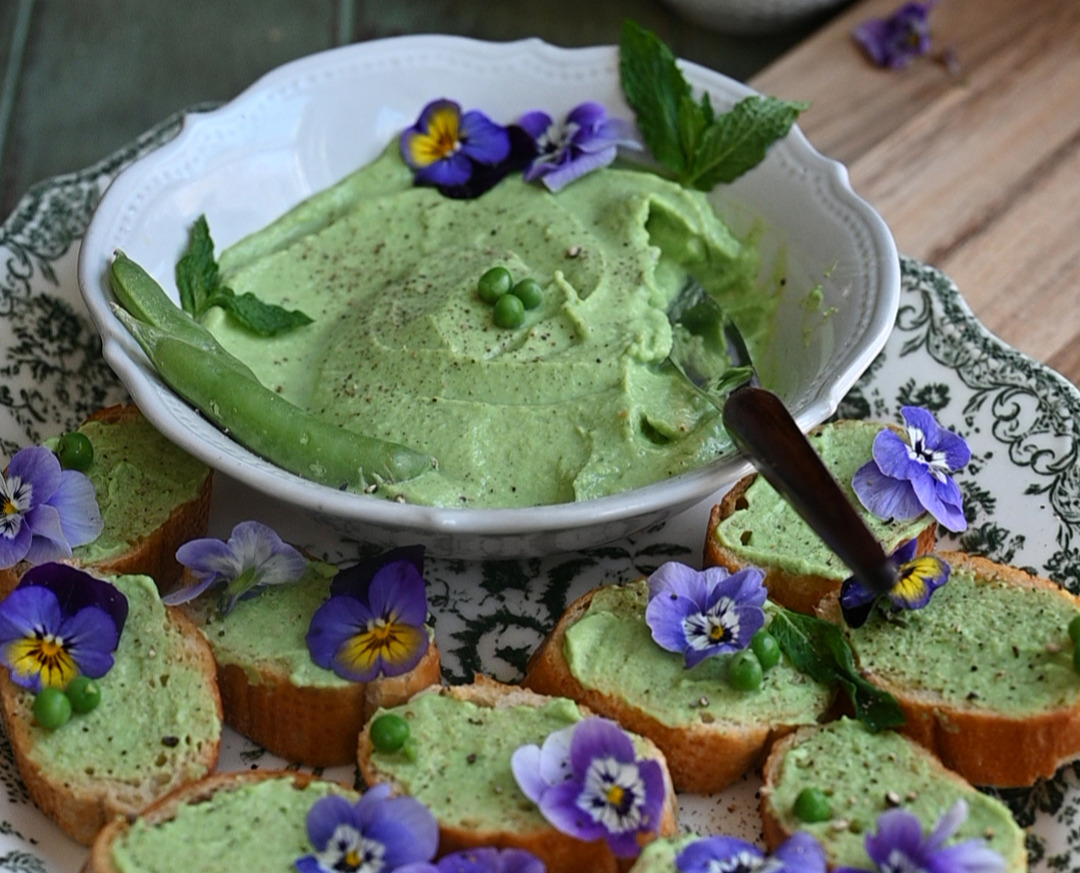
In the landscape of modern entertaining, the demand for appetizers that are simultaneously nourishing, visually striking, and remarkably easy to prepare has never been higher. Enter the Pea and Mint Crostini: a high-protein, high-fiber spread that blends sweet green peas, cooling fresh mint, and creamy whole-milk ricotta. Served over crisp, toasted sourdough baguette slices or paired alongside fresh vegetable crudités, this dish delivers a brilliant mint-green hue capable of anchoring everything from casual garden parties to whimsical, fairy-inspired gatherings.
Beyond its visual appeal, the recipe serves as a masterclass in functional food. Each component—from the green pea base to the squeeze of fresh lemon juice, the pinch of black pepper, and the kick of raw garlic—has been traditionally utilized not merely for flavor, but for its restorative, health-promoting properties. The result is an appetizer that satisfies the modern consumer’s desire for clean eating without sacrificing a shred of indulgence.
Chronology: From Ancient Roots to Contemporary Tables
The culinary lineage of the ingredients found in the Pea and Mint Crostini spans millennia, bridging ancient healing traditions with contemporary clean-eating movements.
- Ancient Beginnings & Traditional Wisdom: Long before being blended into party spreads, the core ingredients of this dish were prized for their medicinal and digestive properties. In Ayurvedic traditions, green peas (Pisum sativum) have long been classified as astringent, cooling, and purifying—making them ideal for balancing the body during warmer months. Similarly, black pepper (Piper nigrum) and lemons (Citrus x limon) were utilized to stimulate agni (the digestive fire) and aid in the breakdown of fats.
- The Evolution of the Crostini: While the base spread draws from ancient botanical and nutritional wisdom, the delivery vehicle—the crostini—has roots in medieval Italian history, where small, toasted slices of bread served as edible plates for rich stews, pates, and spreads.
- The Modern Functional Food Movement: In recent years, culinary and herbal education platforms, such as the Herbal Academy, have popularized the integration of everyday kitchen herbs and garden produce into functional wellness recipes. The pairing of peas, ricotta, mint, and aromatics represents a contemporary shift toward "food as medicine," where appetizers double as pick-me-ups packed with plant-based proteins and essential vitamins.
Supporting Data: Nutritional Profiles and Herbal Benefits
To truly understand why the Pea and Mint Crostini has captured the attention of home cooks and wellness enthusiasts alike, one must examine the dense nutritional data backing its primary ingredients.
1. Green Peas (Pisum sativum)
A single cup serving of green peas packs an impressive nutritional punch, delivering approximately 8 grams of protein and nearly 9 grams of dietary fiber. While traditionally relegated to hearty, wintertime split-pea soups, fresh, canned, or frozen green peas offer an exceptional source of warm-weather nutrition. Their high fiber and protein content ensures that the crostini spread remains satisfying and satiating without relying on heavy, calorie-dense mayonnaise or cream cheese bases.
2. Lemon Juice (Citrus x limon)
Rich in vitamin C—a vital micronutrient for immune system support—lemon juice provides more than just a bright, acidic counterpoint to the sweetness of the peas. According to herbalists and nutritional guides, the sour taste profile of citrus stimulates bile production, assisting the body in digesting fats efficiently. Furthermore, fresh lemon juice mixed with water and trace minerals serves as a natural electrolyte booster, ideal for active individuals on hot days.
3. Mint Leaves (Mentha spp.)
Added in modest amounts to preserve the vibrant green color of the spread, mint brings a refreshing aromatic quality that cuts through the earthy density of the peas and the sharp bite of raw garlic. Beyond its culinary applications, mint is historically celebrated as a natural digestive soothe and breath freshener. Menthol, a primary active compound found particularly in peppermint varieties, has been shown in modern herbal literature (such as M.N. Groves’ Body into Balance, 2016) to help calm headaches, uplift mood, and support cognitive clarity.
4. Garlic (Allium sativum) and Black Pepper (Piper nigrum)
Garlic is renowned for its potent antimicrobial and cardiovascular benefits. Containing bioactive compounds like allicin (which activate when minced garlic is allowed to rest for 3 to 5 minutes prior to consumption or cooking), raw or lightly sautéed garlic supports healthy blood vessel dilation. Paired with ground black pepper—a classic culinary companion that stimulates digestive fire and helps clear excess mucus according to Ayurvedic texts—these spices elevate the dish from a simple snack to a complex, harmonious sensory experience.

Official Perspectives and Culinary Insights
Nutritional experts and herbal educators emphasize that the charm of recipes like the Pea and Mint Crostini lies in their ability to democratize gourmet cooking.
"Fancy and delicious doesn’t have to mean complicated or time-consuming," notes culinary herbal literature from the Herbal Academy. "By leaning into the natural brilliance of seasonal produce and time-tested culinary herbs, home cooks can effortlessly craft dishes that nourish the body while stunning the eye."
Holistic nutritionists also highlight the psychological benefits of eating vibrantly colored foods. The rich chlorophyll-driven green of the pea and mint spread triggers positive associations with freshness, vitality, and renewal. Furthermore, the adaptability of the recipe—allowing for substitutions such as canned or frozen peas, and accommodating dietary tweaks like cooking the garlic for sensitive stomachs—ensures its universal accessibility across diverse culinary skill levels.
Implications: The Future of Plant-Forward Entertaining
The rising popularity of nutrient-dense, herb-infused appetizers like the Pea and Mint Crostini signals a broader cultural pivot in how we approach hosting and everyday dining.
As consumers become increasingly mindful of the connection between diet, cognitive health, and physical well-being, party menus are evolving. Hosts are moving away from hyper-processed, nutrient-void finger foods in favor of "functional canapés" that offer genuine health metrics—such as high protein, high fiber, and antioxidant-rich botanicals—without sacrificing elegance.
Moreover, the integration of traditional herbal knowledge into everyday cooking encourages a deeper connection to the ingredients on our plates. Whether utilized as a quick weekday pick-me-up or the crown jewel of a spring garden brunch, the Pea and Mint Crostini proves that sustainable, health-conscious eating can be delightfully uncomplicated, deeply satisfying, and effortlessly beautiful.
Recipe Appendix: Pea and Mint Crostini
- Prep time: 15 minutes
- Yield: Serves a crowd (approx. 1 loaf of sliced baguette)
Ingredients:
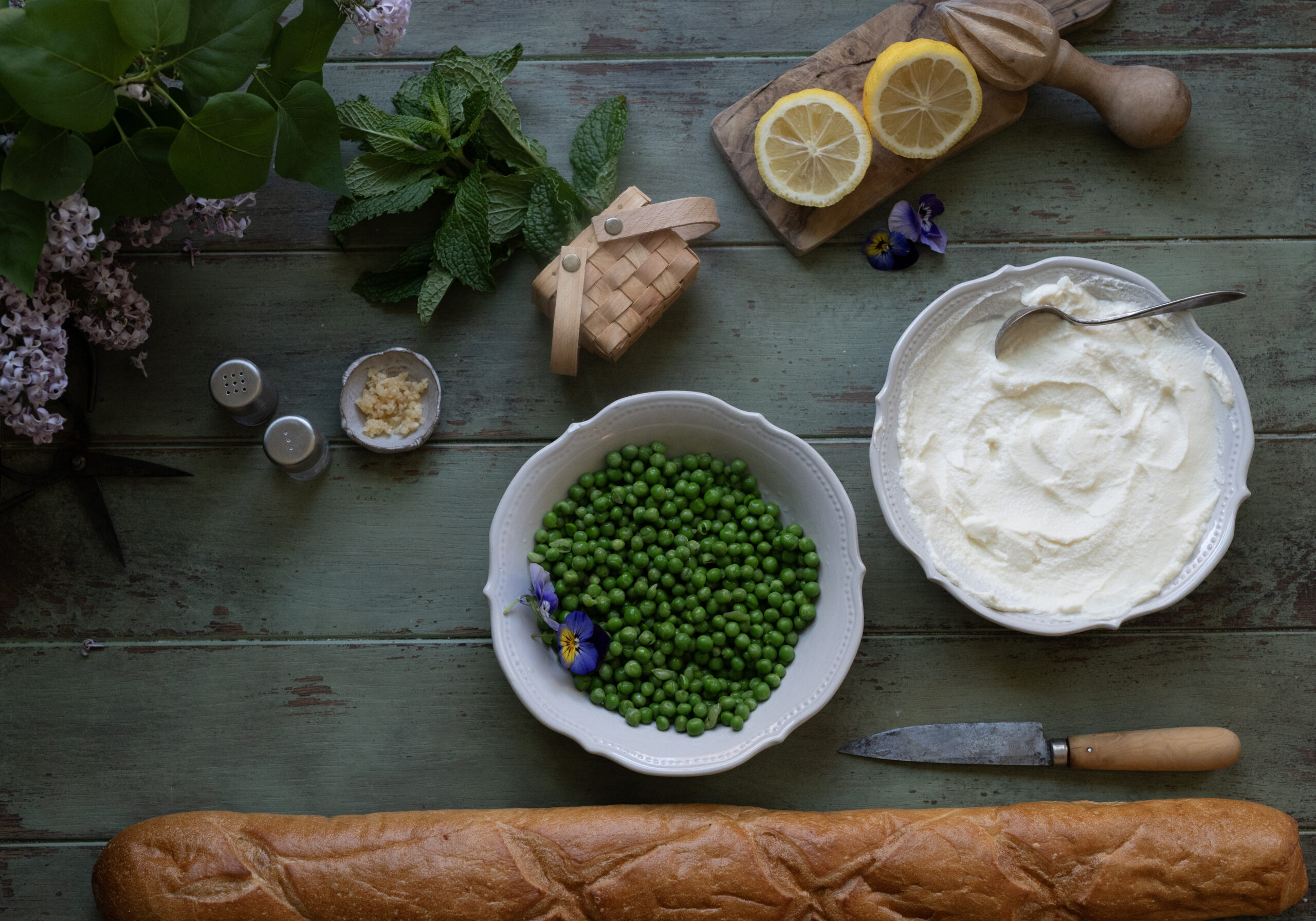
- 1 cup shelled peas (fresh, frozen, or canned)
- 15 ounces whole-milk ricotta cheese
- 2 tablespoons fresh mint (Mentha spp.) leaves, finely chopped
- 1 lemon (Citrus x limon), juiced (yielding 2–3 tablespoons of juice)
- 1 ½ teaspoons salt
- 1 teaspoon ground black pepper (Piper nigrum)
- 1 tablespoon fresh garlic (Allium sativum), minced (let sit for 3–5 minutes to activate beneficial compounds)
- 1 loaf of sourdough baguette, sliced into rounds
- 2 tablespoons extra virgin olive oil (for brushing the baguette slices)
Directions:
- Toast the Bread: Preheat your oven or toaster oven. Brush both sides of the sourdough baguette slices lightly with extra virgin olive oil. Toast until crisp and golden brown. Set aside to cool slightly.
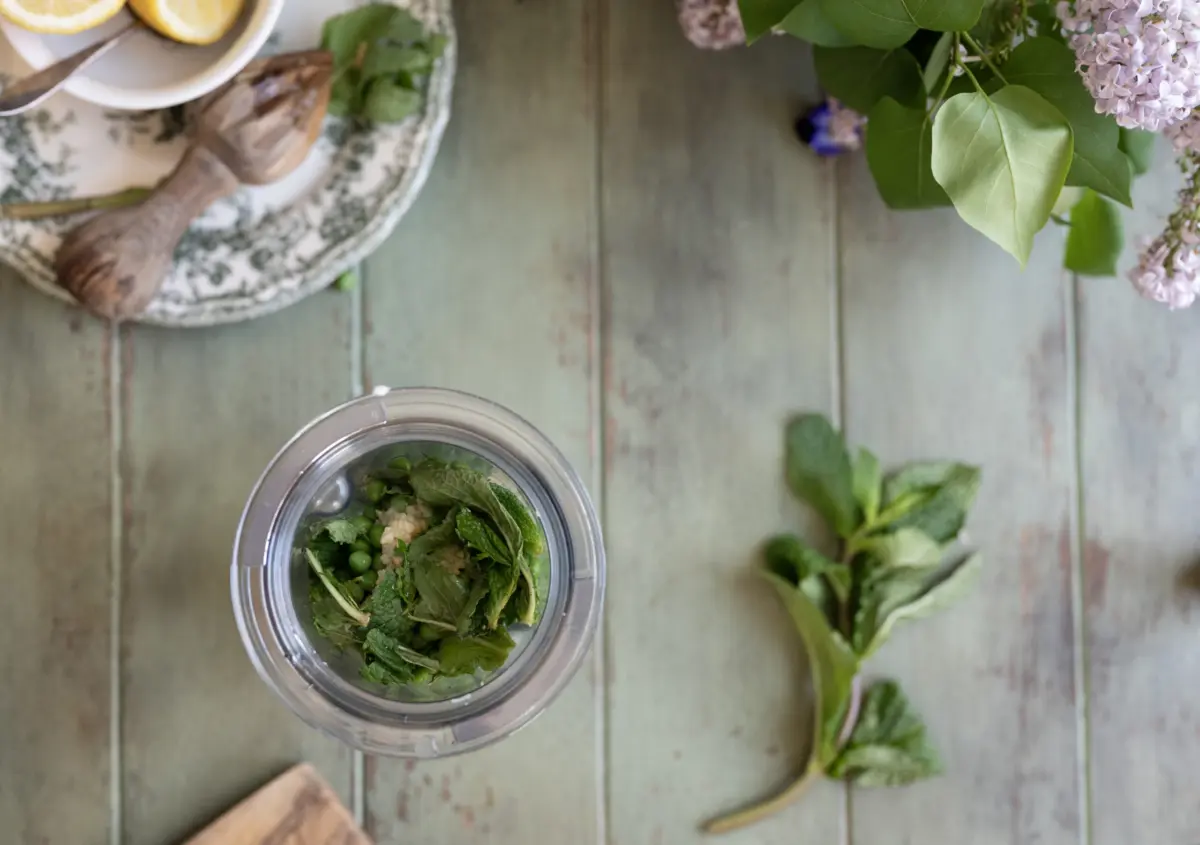
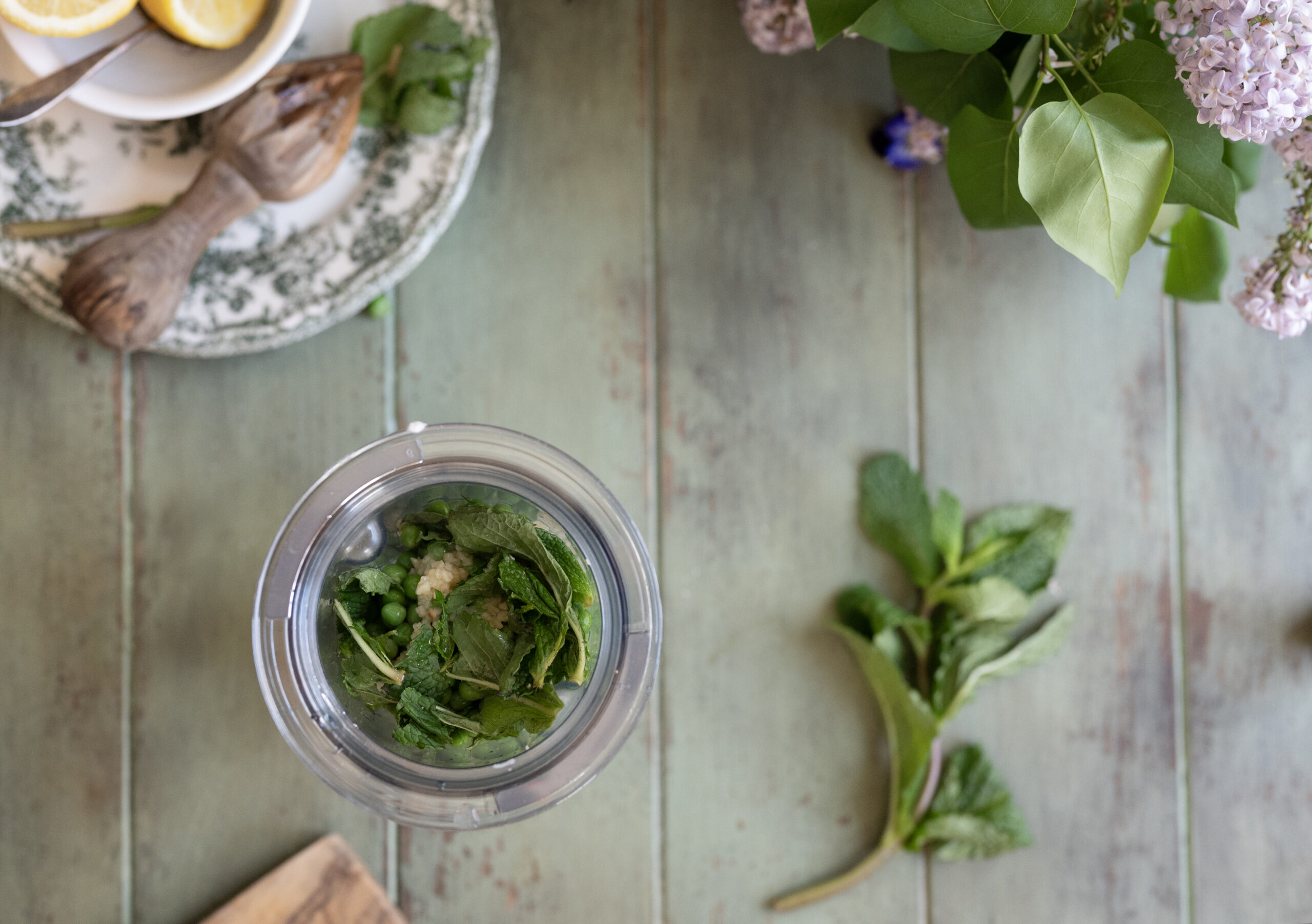
- Prepare the Spread: In a food processor or blending bowl, combine the shelled peas, whole-milk ricotta cheese, chopped fresh mint, fresh lemon juice, salt, ground black pepper, and minced garlic.
- Blend: Blend or mash the mixture until mostly smooth while retaining a slight, pleasing texture. The result should be a vibrant, creamy mint-green spread. (Note: If raw garlic is too strong or irritating to your digestion, you may gently sauté the minced garlic in a small amount of olive oil until lightly browned before adding it to the blend).
- Assemble and Serve: Generously spread the pea and ricotta mixture over the crisp, toasted sourdough baguette slices. Alternatively, transfer the spread to a decorative bowl and serve alongside a platter of fresh vegetable crudités. Enjoy immediately!