







Coffee culture has long evolved past the simplistic binary of black coffee versus heavily sugared, commercialized syrups. As consumers increasingly seek beverages that offer both sensory indulgence and functional wellness, the specialty coffee landscape is witnessing a renaissance of botanical infusions. While floral staples like rose and lavender have cemented their place on artisanal café menus, a new contender is capturing the attention of herbalists and baristas alike: the Orange Blossom Latte.
Blending the delicate, citrus-floral aroma of bitter orange blossom water with warming spices reminiscent of traditional masala chai, this sophisticated beverage represents a growing intersection between modern mixology, traditional herbalism, and everyday self-care. Beyond its complex flavor profile, the drink draws on a rich pharmacopeia of botanical ingredients designed to soothe the nervous system, aid digestion, and provide a balanced morning lift.
Main Facts: Anatomy of an Herbal Masterpiece
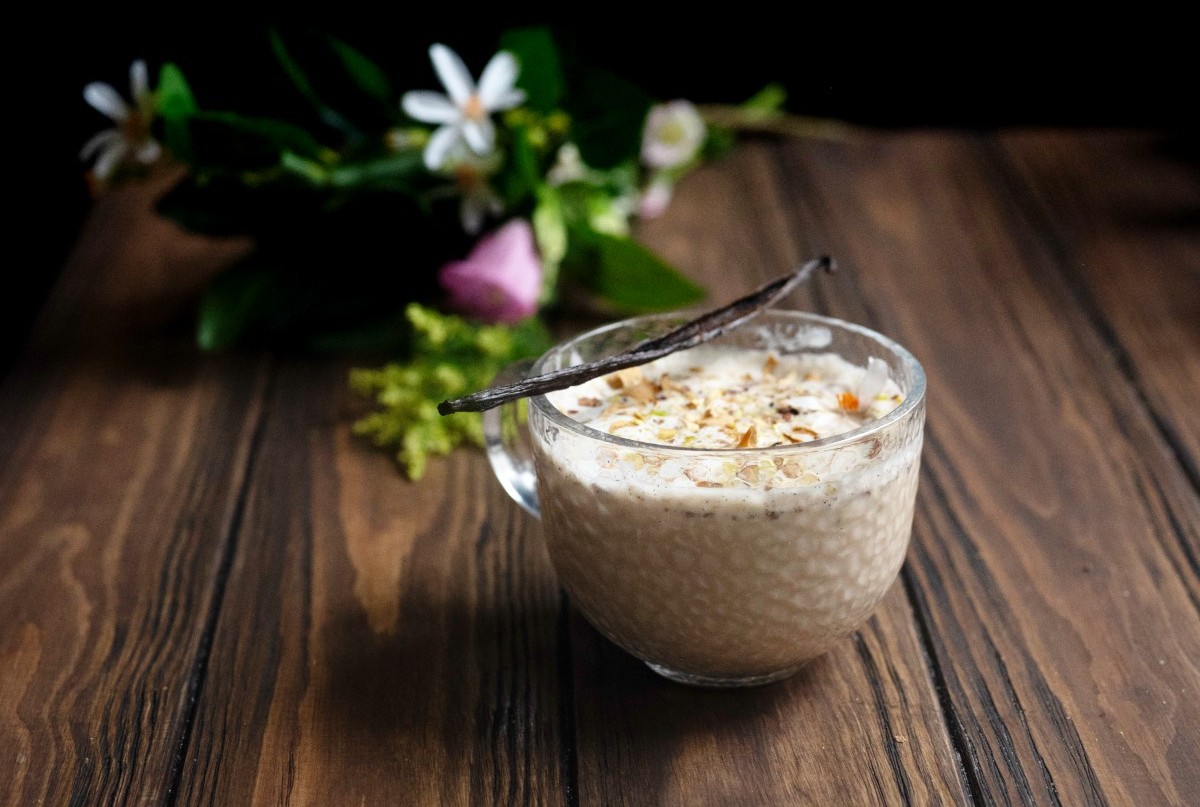
At its core, the Orange Blossom Latte is an artisanal espresso beverage that bridges the gap between coffeehouse luxury and holistic wellness. Unlike standard flavored lattes reliant on artificial flavorings and high-fructose syrups, this recipe relies entirely on therapeutic-grade botanicals, each selected for its distinct flavor and documented physiological benefits.
The key components of the beverage include:
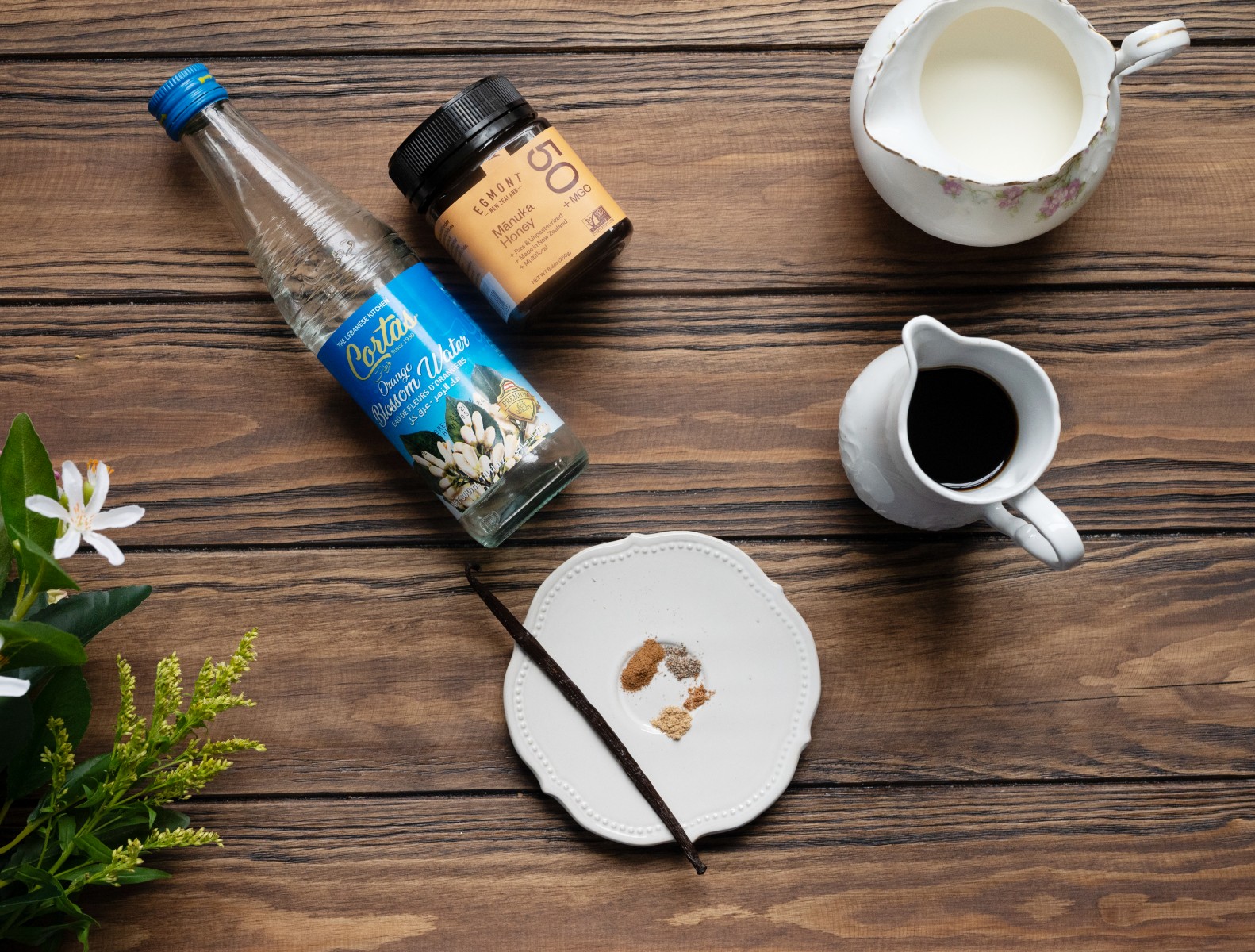
- Espresso or Strong Coffee: Providing the caffeinated base, recent studies indicate that moderate coffee consumption—such as two cups a day—can positively influence the gut microbiome, fostering anti-inflammatory bacterial strains.
- Orange Blossom Water (Citrus x sinensis or Citrus aurantium): A fragrant distillate known in traditional medicine traditions, particularly in Iran, for its calming impact on anxiety and nervous tension.
- Warming Spices (Nutmeg, Ginger, and Cardamom): A trifecta of aromatic spices that evoke the comforting depth of chai while offering targeted digestive and anti-inflammatory properties.
- Vanilla Pod (Vanilla planifolia): A luxurious, antioxidant-rich spice that rounds out the floral and spicy notes with a subtle, comforting sweetness.
- Optional Pistachio and Edible Flower Garnish: Elevates the visual presentation while adding texture and complementary nutty undertones.
Chronology: From Ancient Roots to Modern Café Culture
The ingredients driving this modern coffee trend carry centuries of historical and cultural lineage, which have only recently been synthesized into contemporary Western café culture.
- Ancient to Traditional Applications: For centuries, orange blossom water (mazaar) has been utilized in Middle Eastern and Mediterranean culinary traditions, as well as traditional Iranian medicine, as a nervine tonic to alleviate grief, insomnia, and nervous agitation. Concurrently, Ayurvedic practices have long revered cardamom as a sattvic herb—one that promotes mental clarity—and ginger as a universal digestive aid (vishwabheshaj).
- The Rise of Floral Lattes (2015–2020): The specialty coffee industry saw an explosion of culinary creativity characterized by botanical infusions. Lavender honey lattes and rose cardamom milks paved the way for consumers to accept floral notes in dairy and coffee pairings.
- Clinical Validation (2024): Scientific inquiry into traditional remedies gained momentum with clinical trials examining the physiological effects of citrus distillates. Notably, a 2024 randomized controlled trial (Dehghan et al.) investigated the anxiolytic and sleep-promoting effects of bitter orange blossom syrup on vulnerable populations, providing modern empirical backing for traditional uses.
- Contemporary Integration (Present Day): Wellness platforms and herbal institutions, such as the Herbal Academy, have begun formalizing these cross-cultural ingredients into accessible home-barista recipes, bringing botanical mixology into the mainstream morning routine.
Supporting Data and Botanical Science
To understand why the Orange Blossom Latte is more than just a fleeting trend, one must examine the phytochemical profile of its constituent ingredients. Each botanical element brings a specific set of compounds to the cup.

Orange Blossom Water and Nervous System Support
Bitter orange blossoms contain active chemical constituents including linalool, linalyl acetate, limonene, coumarin, and various flavonoids. Linalool, in particular, is well-documented in aromatherapy and phytotherapy for its anxiolytic (anti-anxiety) properties.
A landmark 2024 randomized controlled clinical trial conducted by Dehghan and colleagues evaluated the impact of bitter orange blossom distillate on mothers of infants admitted to neonatal intensive care units. The study revealed that the botanical intervention had a statistically significant positive effect on sleep disorders, insomnia, and anxiety—common manifestations of acute physiological stress.
Digestive and Anti-Inflammatory Spices
- Ginger (Zingiber officinale): Rich in gingerols and shogaols, ginger is a potent anti-inflammatory and carminative agent. It accelerates gastric emptying, alleviates nausea, and supports microcirculation. Dried ginger root, being more thermogenic than fresh rhizome, is especially effective at mitigating muscular and menstrual tension.
- Cardamom (Elettaria cardamomum): High in volatile oils such as alpha-terpinyl acetate and cineole, cardamom acts as a carminative that counteracts the heavy, mucus-producing qualities of dairy. In Ayurvedic framework, it clears the pranic pathways, promoting sensory acuity.
- Nutmeg (Myristica fragrans): Containing myristicin and elemicin, nutmeg is a potent sedative when used in small doses. While historically utilized to combat abdominal pain and flatulence, its mild sedative qualities synergize with warm milk to promote evening or morning relaxation, neatly balancing the jitter-inducing properties of espresso.
- Coffee (Coffea spp.): Beyond immediate cognitive enhancement, clinical data highlighted by the American College of Gastroenterology (Jiao, 2019) demonstrates that moderate coffee intake positively modulates the gut mucosal microbiota, supporting a diverse ecosystem less prone to metabolic disorders.
Official Perspectives and Expert Insights
Herbalists, culinary experts, and researchers view the integration of functional botanicals into daily routines as a positive shift toward proactive self-care.
According to holistic health practitioners, modern diets often lack the complex bitter and aromatic notes historically integrated into traditional cuisines. By infusing everyday rituals—like consuming morning coffee—with adaptogenic and nervine herbs, individuals can subtly influence their nervous and digestive systems without making drastic lifestyle changes.
Furthermore, culinary historians note that the marriage of Middle Eastern floral waters with South Asian spice profiles (cardamom, ginger, nutmeg) reflects a broader globalization of the palate. Consumers are no longer satisfied with simple synthetic vanilla or hazelnut pumps; they demand sensory complexity and authentic, plant-based ingredients that tell a cultural and botanical story.
Implications: The Future of Functional Coffee
The mainstream adoption of recipes like the Orange Blossom Latte carries several implications for the culinary arts, the coffee industry, and consumer wellness habits.
- Shift Toward Functional Coffeehouses: Independent cafés are increasingly expected to offer functional menus that cater to mental clarity, stress relief, and digestive health. Ingredients like adaptogenic mushrooms, herbal hydrosols, and medicinal spices are transforming coffee bars into modern apothecaries.
- Mindful Consumption: By transforming the act of making a morning latte into a multi-step sensory ritual—grinding spices, measuring floral waters, and garnishing with edible blossoms—consumers are encouraged to practice mindfulness, slowing down the often rushed pace of morning routines.
- Home-Barista Empowerment: As high-quality ingredients like food-grade orange blossom water and dried edible flowers become widely accessible via online marketplaces and specialty grocers, home enthusiasts are empowered to replicate café-quality, health-conscious beverages in their own kitchens.
Recipe: The Ultimate Orange Blossom Latte
For those looking to experience this botanical marvel firsthand, the following formulation provides a balanced blueprint for a single serving.
Ingredients
The Latte Base:
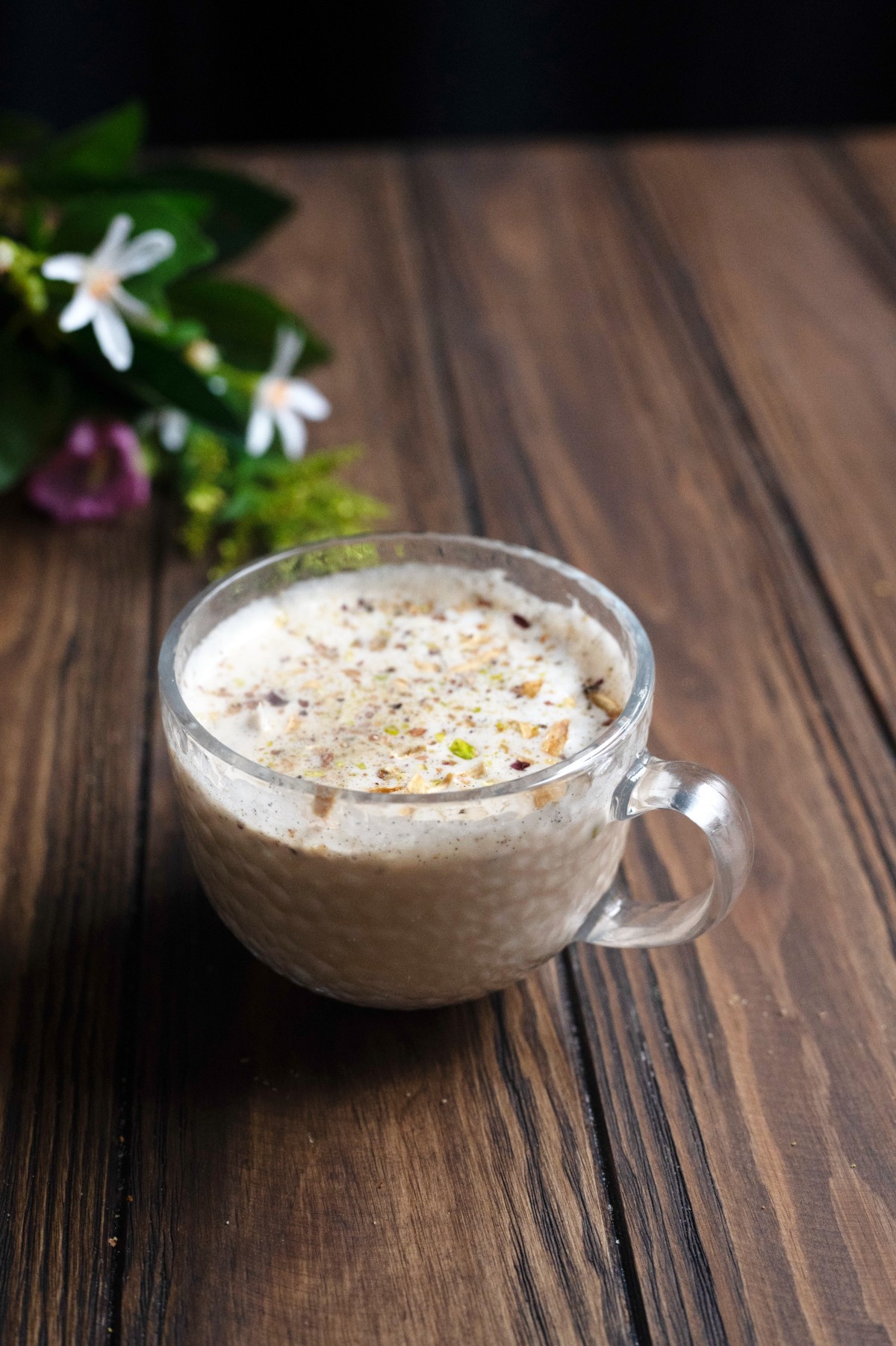
- 1 shot of espresso (or ½ cup of strong brewed coffee)
- 1 cup of milk (dairy or plant-based alternative)
- ½ tsp orange (Citrus x sinensis or Citrus aurantium) blossom water
- ¼ tsp ground nutmeg (Myristica fragrans seed)
- ¼ tsp ground ginger (Zingiber officinale rhizome)
- ½ tsp ground cardamom (Elettaria cardamomum pod and seed)
- 1 small piece of vanilla (Vanilla planifolia) pod (or a splash of pure vanilla extract)
- ½ tsp honey (optional, adjusted to taste)
Optional Pistachio Topping Garnish:
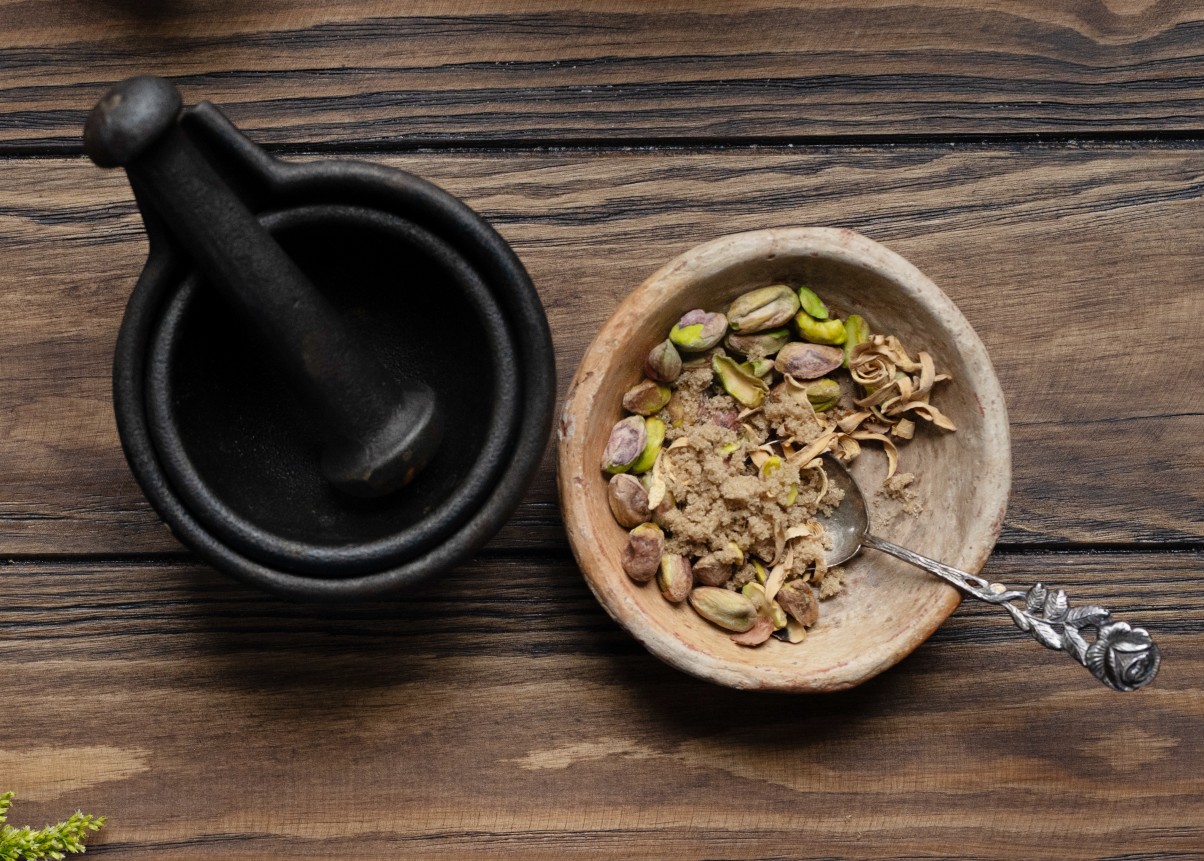
- ¼ cup shelled pistachios, finely chopped
- 1–2 tsp sugar
- 1–2 tsp dried edible orange blossoms (or crushed edible dried petals)
- A tiny pinch of fresh orange zest
Directions
- Prepare the Spices: In a small bowl, combine the ground nutmeg, ginger, and cardamom.
- Infuse the Milk: Heat your choice of milk in a saucepan over medium-low heat along with the piece of vanilla pod and the mixed spices. Allow the mixture to gently simmer for 2 to 3 minutes, allowing the dairy or plant milk to absorb the aromatic volatile oils of the spices.
- Incorporate the Floral Notes: Remove the milk from heat, discard the vanilla pod (if using whole), and stir in the orange blossom water and honey (if using).
- Froth: Froth the spiced milk using a handheld frother or steam wand until light and velvety.
- Pull the Espresso: Brew a fresh shot of espresso (or strong coffee) into your favorite mug.
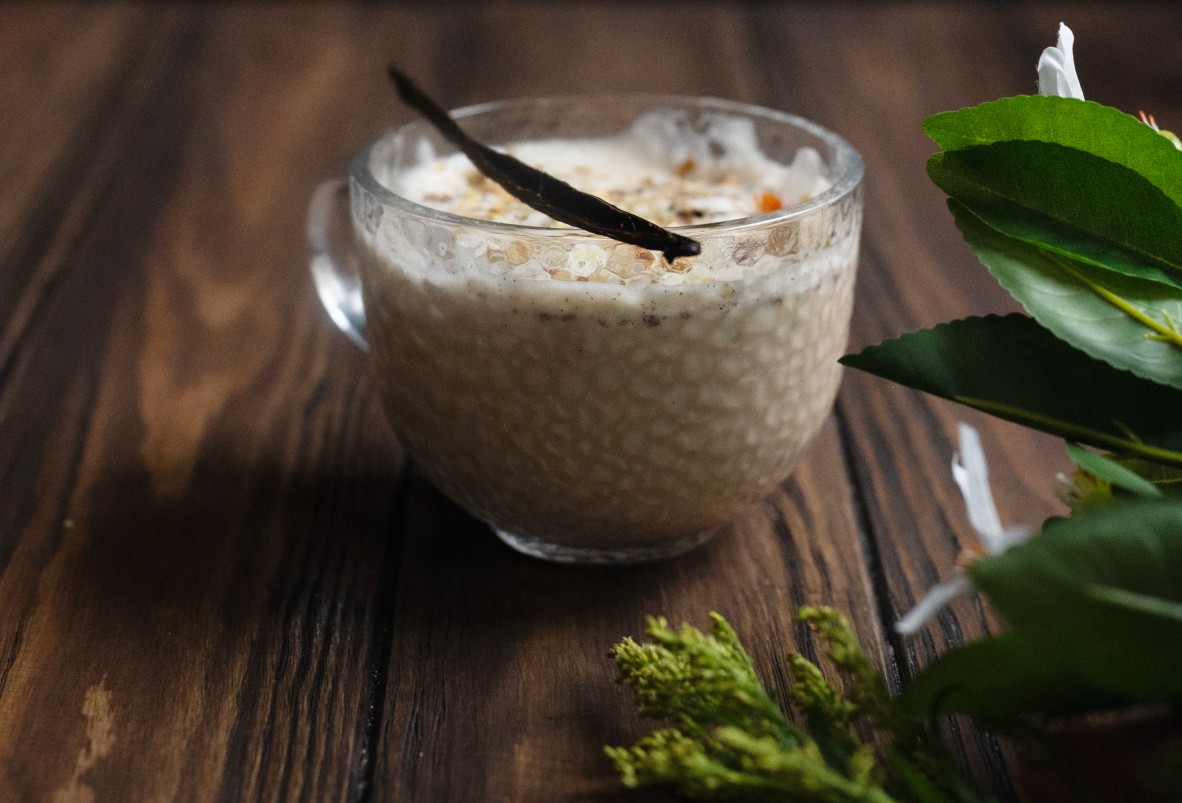
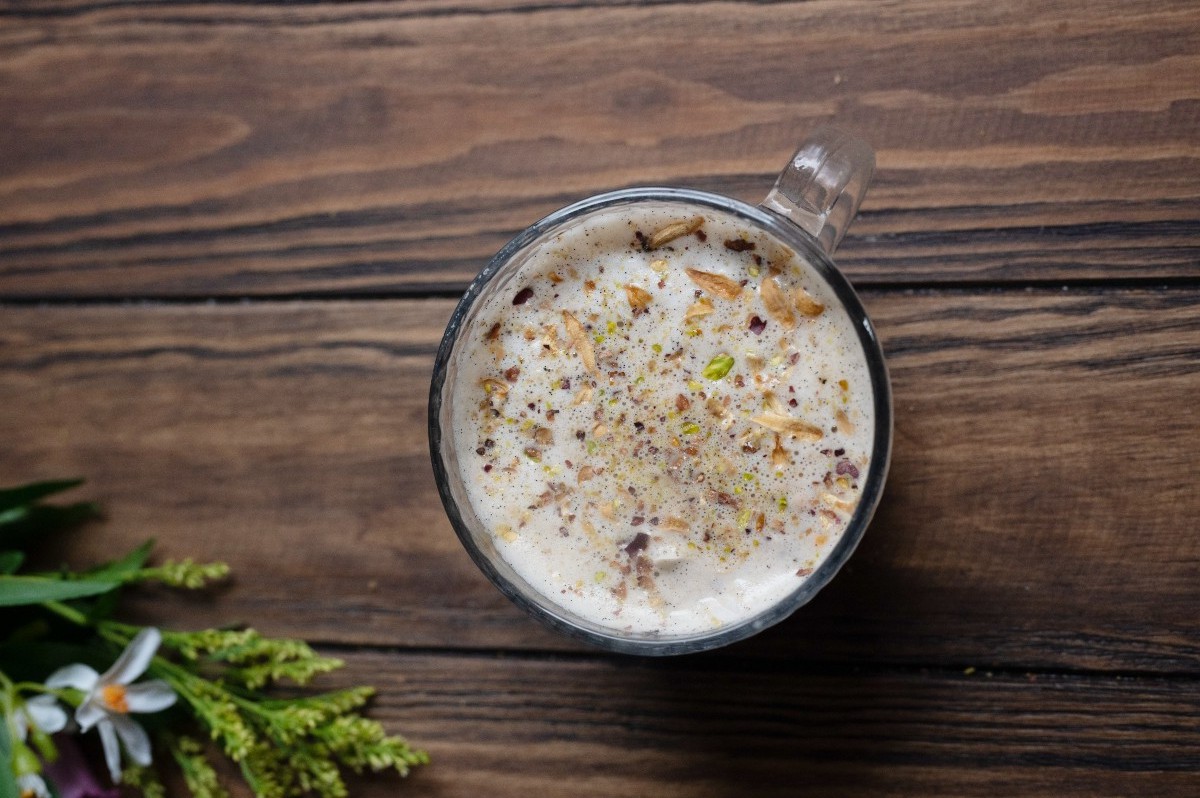
- Combine: Pour the spiced, frothed milk gently over the espresso, holding back the foam with a spoon initially, then topping the beverage generously with the remaining microfoam.
- Garnish: For an elevated presentation, mix the crushed pistachios, sugar, dried orange blossoms, and orange zest together, then sprinkle a small pinch over the top of the foam.
- Savor: Pause, inhale the calming aroma of citrus and spice, and enjoy your artisanal creation.
References
- Dass, V. (2013). Ayurvedic herbology: East & West. Lotus Press.
- Dehghan, Z., Jafarian Amiri, S.R., Mozaffarpur, S.A., Shirafkan, H., & Arzani, A. (2024). Effect of bitter orange blossom distillate on anxiety and sleep disorder in mothers with infants admitted to neonatal intensive care unit: A randomized controlled clinical trial. PloS One, 19(8), e0306887. https://doi.org/10.1371/journal.pone.0306887
- Groves, M.N. (2016). Body into balance: An herbal guide to holistic self-care. Storey Publishing.
- Jiao, L. (2019). Caffeine consumption and the colonic mucosa-associated gut microbiota. American College of Gastroenterology. https://gi.org/media/press-info-scientific-meeting/featured-science/p1916-caffeine-consumption-and-the-colonic-mucosa-associated-gut-microbiota/