For mineralogists, lapidary artists, holistic practitioners, and casual crystal enthusiasts alike, few events hold the legendary status of the massive North American trade and retail exhibitions. At the pinnacle of the global crystal calendar stand two colossal events: the Tucson Gem, Mineral & Fossil Showcase in Arizona and the Coliseum/Minerals Mineral Show (famously known as the Denver Gem Show) in Colorado.
While both gatherings draw tens of thousands of visitors from across the globe, they offer radically different experiences in terms of climate, layout, sourcing opportunities, and cultural atmosphere. To help demystify these premier destinations, Team HM member and Crystal Coach Lisa recently broke down the nuances in a comprehensive video guide. Supplemented by years of field reporting from industry experts, this feature explores how the two behemoths compare, what attendees must consider before booking travel, and why these gatherings remain the beating heart of the global crystal community.
Main Facts: Sourcing Empires Built on Quartz and Rare Minerals
At their core, the Tucson and Denver shows represent the largest global marketplaces for rough stones, polished crystals, fossils, meteorites, and fine jewelry. The sheer volume of material on display is staggering, ranging from microscopic micro-mounts for academic researchers to multi-ton cathedral geodes destined for museum halls and luxury estates.
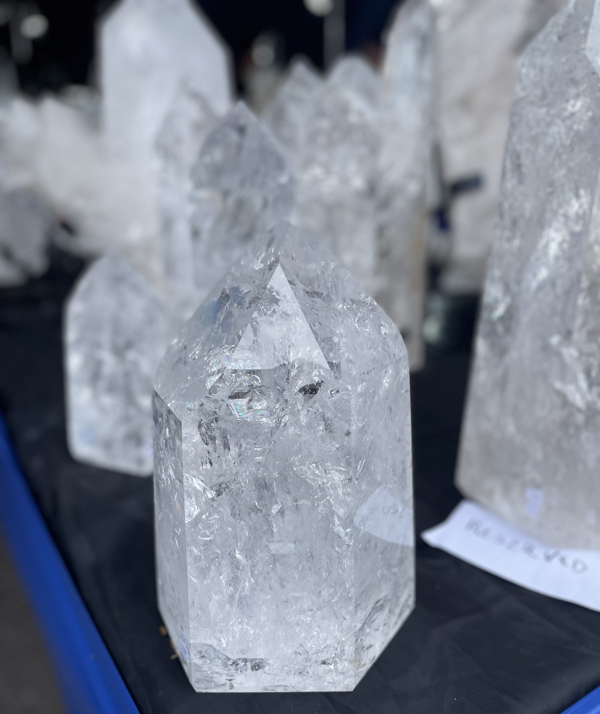
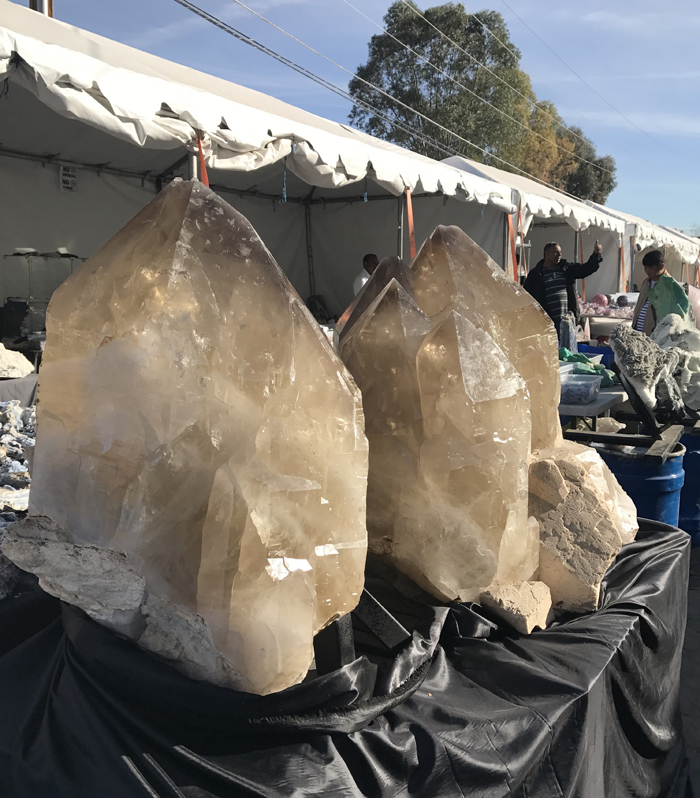
Clear quartz—often hailed as the "rock star" of the mineral kingdom due to its abundance, versatility, and foundational role in crystal healing—dominates the floor space at both venues. From towering Fire and Ice Quartz points to massive Smokey Quartz "Earth Keeper" crystals possessing immense energetic resonance, the variety is unparalleled.
Key defining facts of the two events include:
- The Tucson Showcase: Spread across dozens of independent venues, hotels, and tents citywide over a span of several weeks in the winter, Tucson is widely considered the largest gem show on Earth. It functions as a massive B2B (business-to-business) wholesale market during its opening weeks before opening wide to retail buyers.
- The Denver Show: Typically held in the autumn, the Denver event is more consolidated, often centered around major coliseums and specialized convention facilities. It offers a slightly more navigable footprint while still delivering an overwhelming abundance of raw specimens, beads, and master carvings.
Chronology: The Annual Migration of the Crystal Community
Understanding the rhythm of the gem show circuit requires looking at how these events anchor the calendar year for global vendors and passionate collectors.
Late Summer to Autumn: The Denver Kickoff
The major North American show season typically swings into high gear in September with the Denver Gem and Mineral Show and its accompanying satellite exhibitions. Vendors from Asia, South America, Africa, and Europe arrive in Colorado to unload freshly mined inventory harvested during the summer months. For collectors, Denver serves as an early-season preview, allowing buyers to secure exceptional statement pieces—such as intricate Lepidolite deity carvings, endless walls of gemstone beads, and brilliant quartz clusters—before the winter rush.
Winter: The Tucson Marathon
As January transitions into February, the entire global crystal supply chain shifts its focus southward to the Sonoran Desert. The Tucson Showcase is a marathon rather than a sprint, spanning nearly three weeks.
- Week 1: High-end wholesale buyers, museum curators, and commercial store owners scour exclusive hotel rooms and private tents for rare inventory.
- Weeks 2 and 3: The massive public-facing tents—such as the Kino Sports Complex and the giant Tucson Convention Center exhibitions—throw open their doors. The city transforms into a vibrant festival of lapidary arts, complete with networking events, expert lectures, and legendary community gatherings like the historic Tucson Gem Show pajama parties.
Supporting Data: Navigating Scale, Logistics, and Inventory
For anyone planning to check a major gem show off their bucket list, understanding the logistical realities is critical. The scale of these operations dwarfs standard trade conventions.
The Tucson Footprint
- Duration: 2 to 3 weeks between late January and mid-February.
- Venues: 40+ distinct show sites scattered across Tucson, requiring rental cars or specialized shuttle services to navigate.
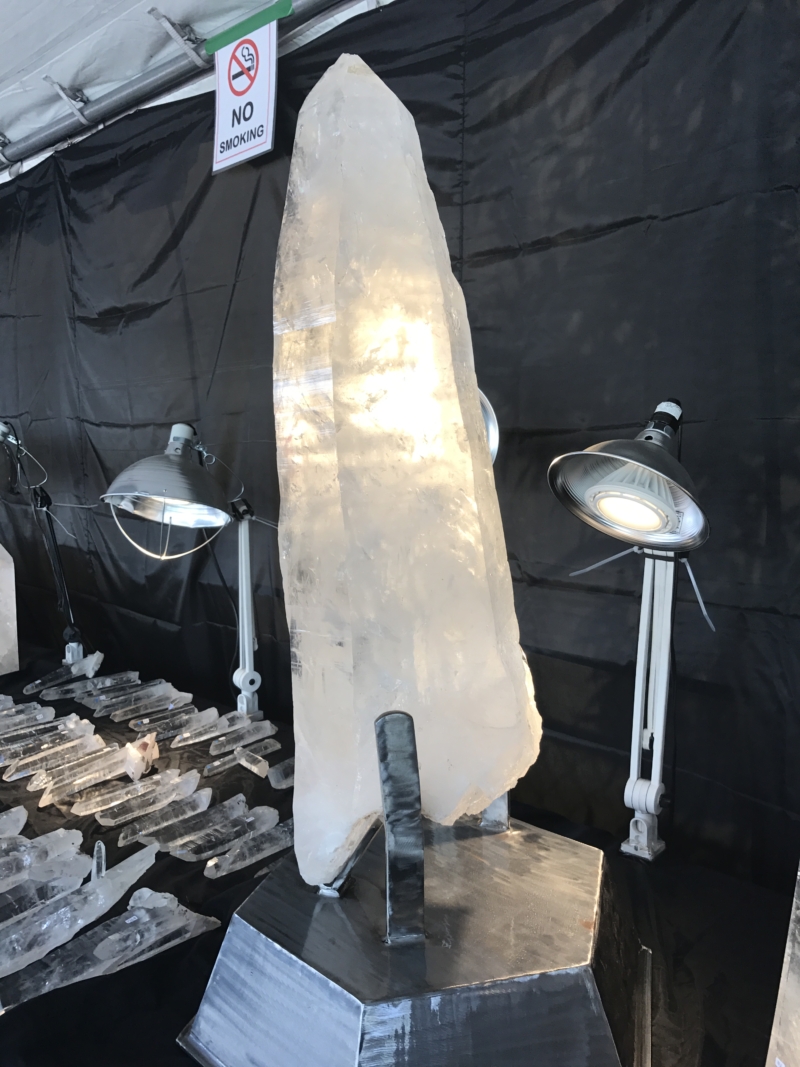
- Inventory Focus: Everything from ultra-rare mineral specimens and fossilized dinosaur remains to high-end lapidary rough, giant Lemurian quartz points, and mass-market silver jewelry.
The Denver Footprint
- Duration: Approximately 5 to 10 days in September.
- Venues: Primarily consolidated around major complexes like the National Western Complex, alongside various hotel shows along Colorado Boulevard.
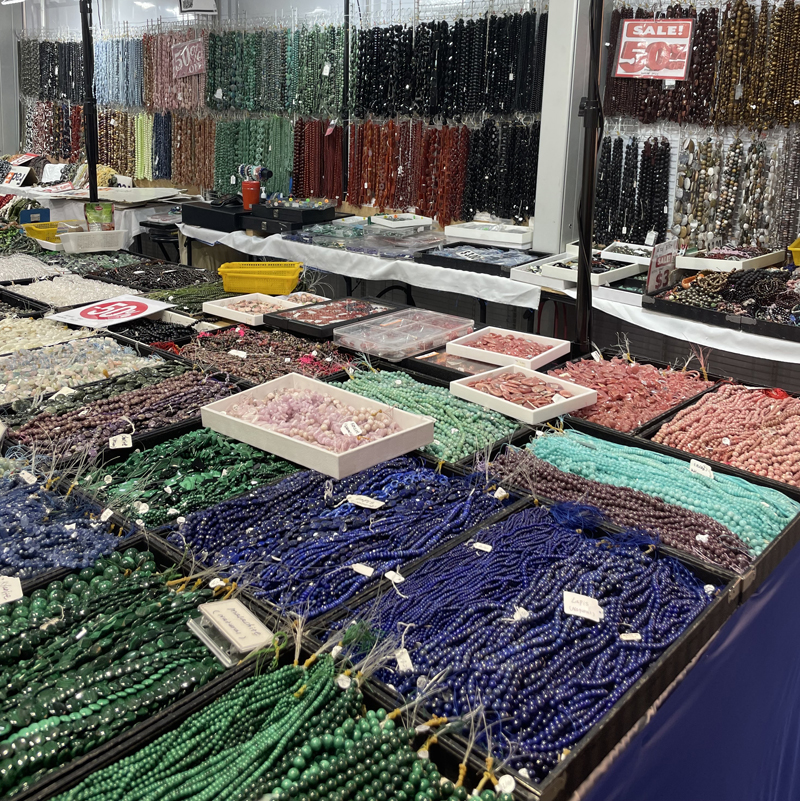
- Inventory Focus: Exceptional Colorado-mined minerals (such as Amazonite and Smoky Quartz), vast arrays of wholesale gemstone beads for jewelry makers, and breathtaking metaphysical decor pieces.
Key Considerations Before You Go
Crystal Coach Lisa emphasizes that arriving unprepared can lead to "crystal fatigue." Prospective attendees should evaluate several core factors before making travel arrangements:

- Wholesale vs. Retail Status: Many venues in Tucson require a business license and tax ID during the opening days. Check admission policies ahead of time to ensure you can access the specific tents you wish to visit.
- Physical Stamina and Footwear: You will easily log 10,000 to 20,000 steps a day across dusty concrete lots, gravel paths, and convention hall floors. Comfortable, supportive footwear is non-negotiable.
- Shipping and Baggage Logistics: Heavy crystals add up quickly. Plan ahead for how you will transport your finds—whether packing an extra empty suitcase, utilizing on-site packing and shipping services provided by vendors, or arranging freight shipping for multi-hundred-pound display pieces.
- Budgeting and Cash/Card Policies: While most modern vendors accept credit cards, cash can occasionally secure better negotiation leverage, especially during the final days of a show when vendors are eager to lighten their return cargo loads.
Official Perspectives: Insights from Crystal Coaches and Industry Veterans
Veterans of the circuit, including educators and long-time attendees like Hibiscus Moon and Lisa D’Arrigo, stress that the value of these shows extends far beyond commercial transactions.
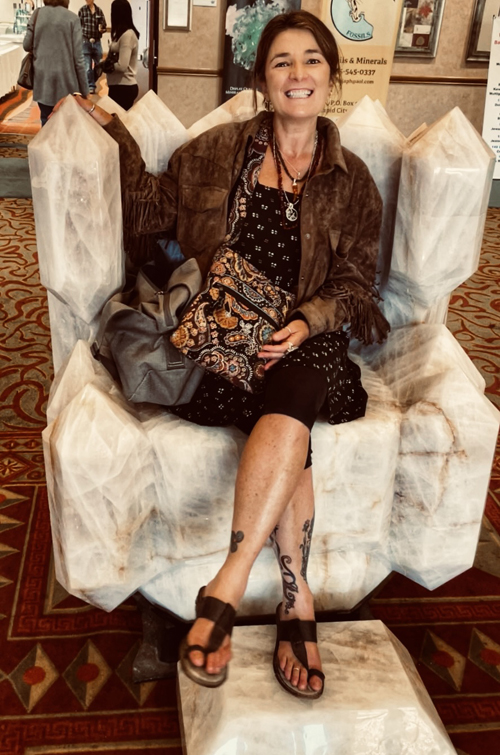
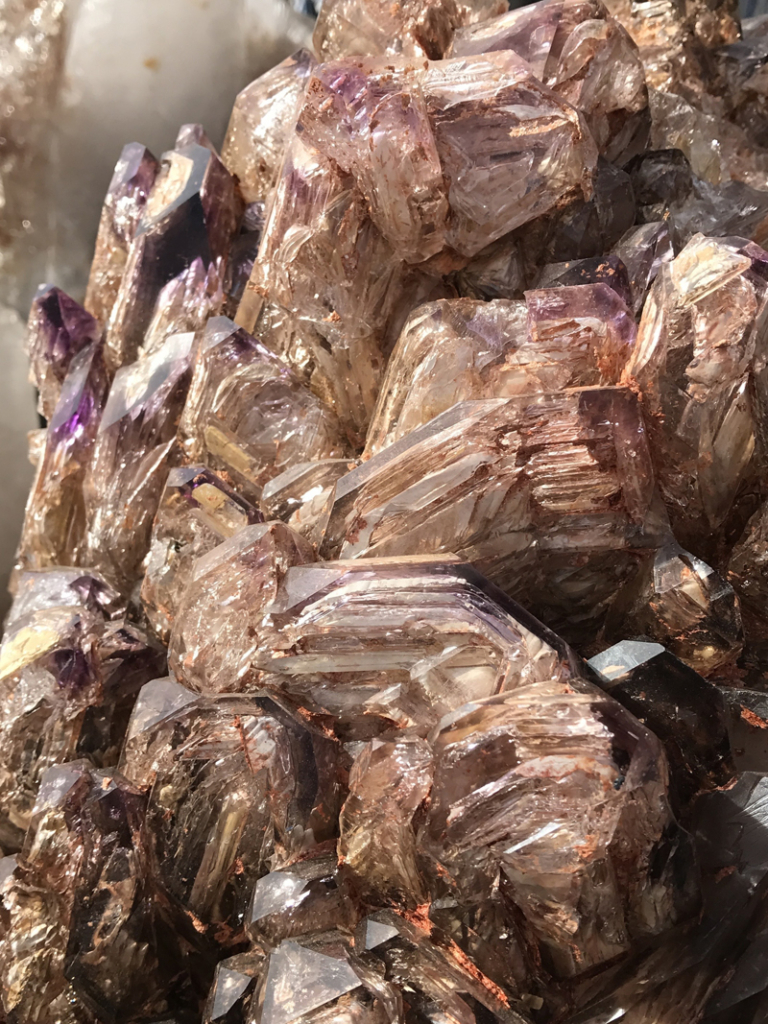
"Even if you don’t plan on buying much, being at the gem show, soaking up the crystal energy, checking out the variety, and scoping new finds is so much fun!" notes the field team. The immersive environment allows practitioners to experience the vibrational presence of rare formations—such as skeletal elestial amethysts, massive milky quartz thrones, and giant Lemurian seed crystals—that photographs simply cannot capture.
Furthermore, these gatherings serve as vital educational hubs. Geologists, lapidary masters, and metaphysical authors frequently host workshops and demonstrations, offering deep dives into mineral identification, ethical sourcing practices, and the energetic properties of specific crystal structures.
Implications: The Cultural and Economic Impact on the Crystal Community
The massive influx of international trade during the Tucson and Denver shows carries significant economic and cultural implications for the global wellness and mineralogical sectors.

Economic Ripples for Artisans and Small Businesses
For independent crystal shop owners, wire-wrappers, and jewelry designers, these shows are make-or-break events. Sourcing directly from international miners cuts out multiple layers of middlemen, allowing small businesses to secure competitive pricing and unique inventory that differentiates them in a crowded online marketplace. The sheer variety of beads, cabochons, and mineral specimens fuels the creative output of the handmade artisan community for the remainder of the year.
Ethical Sourcing and Sustainability
As consumer awareness grows, the spotlight has increasingly turned toward the ethical implications of crystal mining. The direct access provided by gem shows allows conscious buyers to ask vital questions regarding labor conditions, environmental remediation at mine sites, and fair-trade practices. Direct dialogues with miners and international wholesalers encourage greater transparency within an industry that has historically lacked standardized oversight.
The Energetic Community Experience
Beyond commerce and education, these shows act as monumental family reunions for the holistic community. Connecting with like-minded souls—whether lounging on a quartz throne, marveling at an intricately carved Lepidolite sculpture of Krishna, or sharing stories over evening gatherings—reinforces a sense of global community among crystal lovers.
Conclusion: Which Show Belongs on Your Bucket List?
Deciding between Tucson and Denver ultimately depends on what you seek from your crystal pilgrimage. If you crave a sprawling, multi-week desert adventure with an endless labyrinth of unique global vendors, the Tucson Showcase is an absolute must-experience rite of passage. If you prefer a crisp, high-altitude autumn excursion with a more consolidated layout packed with exceptional beads, raw Colorado minerals, and stunning metaphysical decor, the Denver Gem Show offers an ideal, action-packed getaway.
Whether you plan to attend one, both, or simply dream of the day you can walk among the giant quartz cathedrals, the magic of the global gem show circuit continues to inspire wonder, connection, and a deep appreciation for the artistry of the Earth.