








SAN FRANCISCO — In the shifting landscape of contemporary culinary trends, the intersection of wellness and effortless entertaining has taken center stage. As home cooks and professional caterers alike seek out dishes that balance aesthetic appeal with dense nutritional profiles, a deceptively simple hors d’oeuvre is capturing attention across the culinary community: the Pea and Mint Crostini.
Characterized by its vibrant mint-green hue and a flavor profile that marries the natural sweetness of green peas with the cooling pungency of fresh mint and the creamy richness of ricotta, this high-protein, high-fiber spread offers a masterclass in modern functional food. Designed to sit atop crisp, toasted sourdough baguette slices or to be served alongside raw crudités, the dish bridges the gap between indulgent party food and nourishing, clean eating.
Main Facts: Anatomy of a Modern Super-Appetizer
At first glance, the Pea and Mint Crostini appears to be a quintessential springtime bite, tailor-made for garden parties, bridal showers, or whimsical, fairy-inspired gatherings. However, a closer examination of its core components reveals a carefully calculated synergy of macro-nutrients and herbal medicine principles.
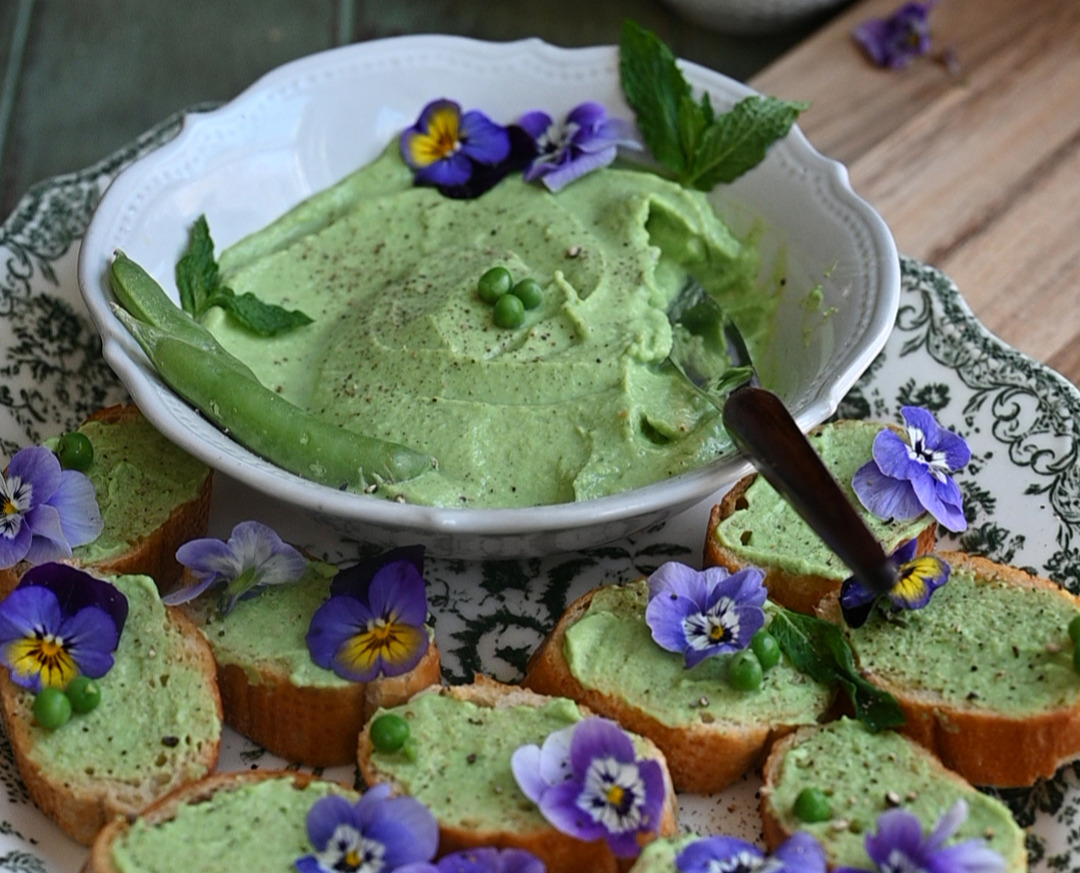
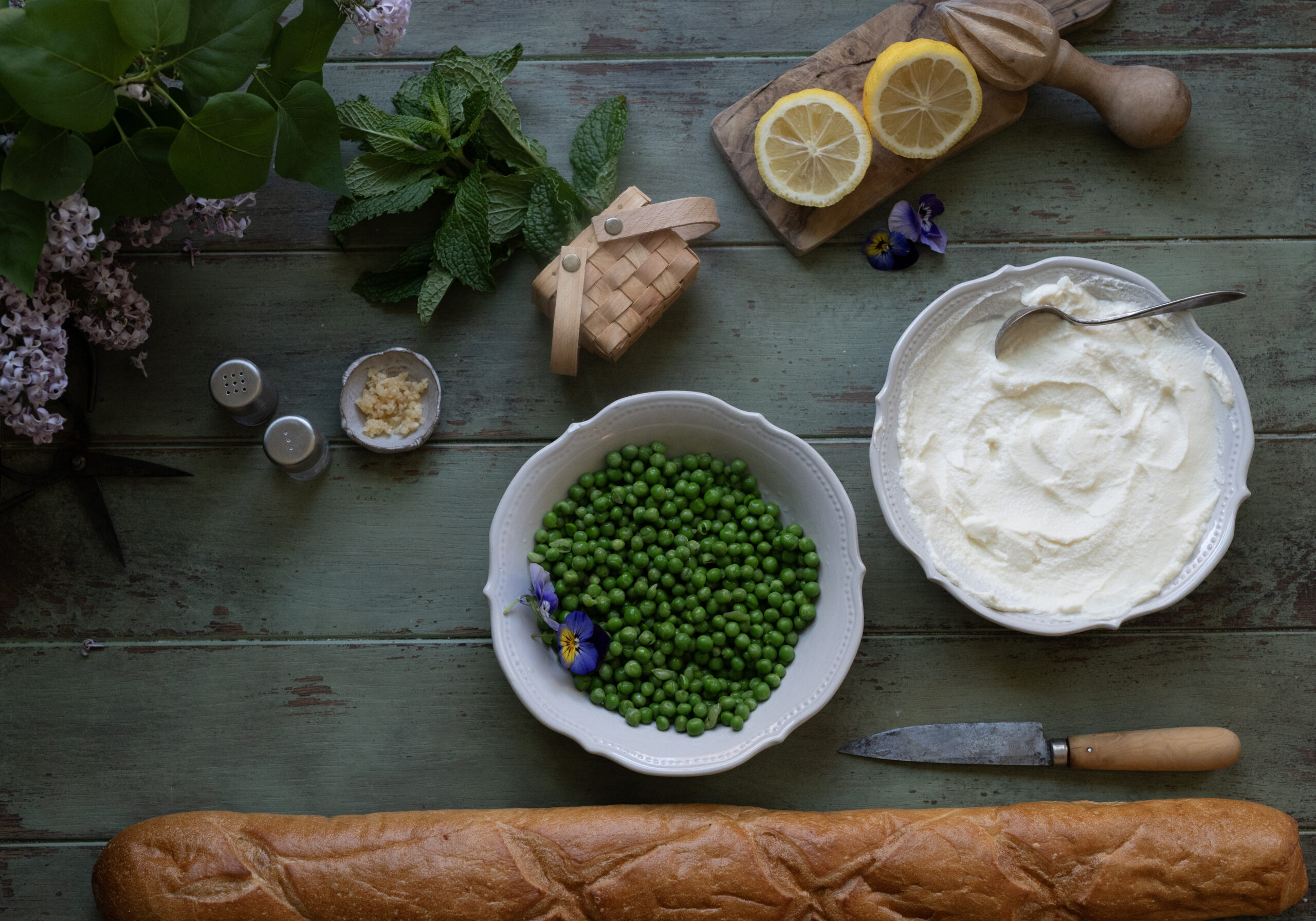
The dish relies on a base of whole-milk ricotta blended with shelled green peas, fresh mint leaves, lemon juice, raw garlic, black pepper, and sea salt. Each ingredient has been selected not only for its distinct sensory contribution—ranging from bright acidity to earthy warmth—but also for its historical and contemporary reputation in holistic wellness frameworks, including modern herbalism and Ayurvedic traditions.
Unlike heavy, fat-laden party spreads that can weigh guests down, this high-fiber and high-protein creation delivers sustained energy. It proves that culinary elegance does not require long hours of kitchen preparation or overly complicated techniques.
Chronology: From Ancient Ayurvedic Wisdom to Modern Table Spread
The conceptual roots of the Pea and Mint Crostini trace back thousands of years through the integration of food as medicine.
- Ancient Roots: Traditional healing systems, particularly Ayurveda, long ago cataloged the specific energetics of legumes, herbs, and aromatics. Green peas were recognized as cooling and purifying, while black pepper and garlic were utilized to stimulate agni (the digestive fire).
- The Rise of Herbal Gastronomy: In recent decades, modern herbalists and holistic health advocates—such as M.N. Groves in Body into Balance (2016) and Ayurvedic scholars Vasant Lad and Usha Lad in Ayurvedic Cooking for Self-Healing (2009)—have popularized the integration of therapeutic kitchen herbs into everyday eating.
- The Contemporary Shift: As consumer interest in functional foods, gut health, and plant-forward dining surged through the 2020s, traditional heavy cheese spreads began to share table space with lighter, vegetable-forward purees.
- The Present Day: The Pea and Mint Crostini has emerged as a standard-bearer for this movement, merging traditional herbal wisdom with contemporary plating to meet the demands of modern hosts who refuse to sacrifice health for hospitality.
Supporting Data: Nutritional Breakdown of Key Ingredients
The brilliance of the Pea and Mint Crostini lies in its data-backed nutritional density. Every element of the recipe contributes specific biochemical benefits that support physical vitality.
Green Peas (Pisum sativum)
Often relegated to the background of dinner plates, green peas are nutritional powerhouses. A single one-cup serving provides approximately 8 grams of protein and nearly 9 grams of dietary fiber. While split pea soups are staples of colder months, fresh or frozen green peas offer a lighter, spring-appropriate vehicle for sustained energy. From an Ayurvedic perspective, green peas are valued during warmer months for their astringent, cooling, and purifying qualities (Lad & Lad, 2009).
Lemon Juice (Citrus x limon)
Providing a sharp contrast to the earthy sweetness of the peas, fresh lemon juice is rich in Vitamin C, an essential micronutrient for immune defense. Furthermore, the acid in lemon juice stimulates bile production in the liver, which assists in the effective digestion of dietary fats. When consumed diluted in water or integrated into recipes, lemon juice offers an alkalizing effect and introduces vital electrolytes.

Mint Leaf (Mentha spp.)
Beyond lending the spread its signature vibrant color and refreshing aroma, mint contains potent volatile oils—such as menthol—that have been shown to soothe the digestive tract, ease tension headaches, and support cognitive focus and memory (Groves, 2016). Mint also acts as a natural breath freshener, making it an ideal inclusion for finger foods served in social settings.
Black Pepper (Piper nigrum) and Garlic (Allium sativum)
The inclusion of ground black pepper introduces a subtle heat that balances the cooling nature of the peas and mint. Piperine, the active compound in black pepper, acts as a digestive stimulant. Meanwhile, raw garlic provides powerful antimicrobial properties and supports cardiovascular health by helping to relax blood vessels. Culinary experts note that allowing minced garlic to rest for three to five minutes before mixing activates its beneficial sulfur compounds, maximizing both flavor and medicinal potential.
Official Perspectives and Culinary Insights
Nutritional experts and herbal educators emphasize that recipes like the Pea and Mint Crostini represent a vital shift in how society views party catering.
"For too long, celebratory foods have been treated as an exception to healthy eating—something heavy to be regretted the next day," notes a spokesperson for holistic culinary education platforms. "Dishes that incorporate fresh herbs, high-fiber legumes, and live enzymes prove that we can nourish our bodies while celebrating with community. Food should enliven the senses, not dull them."
Master herbalists also point out the importance of kitchen accessibility. Because the recipe utilizes readily available ingredients—such as frozen peas when fresh varieties are out of season—it democratizes functional nutrition, allowing home cooks of all skill levels to execute a professional-grade presentation.
Implications for Modern Entertaining and Day-to-Day Wellness
The popularity of the Pea and Mint Crostini signals broader cultural shifts in how people approach food, socialization, and self-care.
- Redefining Convenience: The rise of assemble-and-blend recipes reflects a consumer base that values time-efficiency without resorting to ultra-processed convenience foods.
- Mindful Consumption: By leaning into ingredients with historical medicinal value—such as digestive-supporting mint and circulation-boosting garlic—hosts are quietly educating guests on the benefits of functional eating.
- Versatility in the Kitchen: The adaptability of the green pea and ricotta spread extends far beyond the traditional baguette crostini. Culinary enthusiasts have begun utilizing the mixture as a dip for vegetable crudités, a wrap spread, or a vibrant pasta toss, embedding a seasonal superfood into everyday meal rotations.
Ultimately, the Pea and Mint Crostini transcends its status as a mere appetizer. It stands as a testament to the fact that when culinary art aligns with nutritional science, the simplest ingredients can create an experience that is deeply nourishing, endlessly beautiful, and remarkably easy to achieve.
Recipe: Pea and Mint Crostini
Yield: Generous party spread for a standard baguette loaf
Ingredients
- 1 cup shelled peas (fresh, frozen, or canned)
- 15 ounces whole-milk ricotta cheese
- 2 tablespoons fresh mint (Mentha spp.) leaves, finely chopped
- Juice of 1 fresh lemon (Citrus x limon) (approx. 2-3 tablespoons)
- 1 ½ teaspoons sea salt
- 1 teaspoon ground black pepper (Piper nigrum)
- 1 tablespoon fresh garlic (Allium sativum), minced (rested for 3–5 minutes to activate beneficial compounds)
- 1 loaf of sourdough baguette, sliced into rounds
- 2 tablespoons extra-virgin olive oil (for brushing)
Directions
- Prepare the Bread: Preheat your oven or toaster oven. Arrange the sourdough baguette slices on a baking sheet, brush lightly with extra-virgin olive oil, and toast until golden and crisp. Set aside.
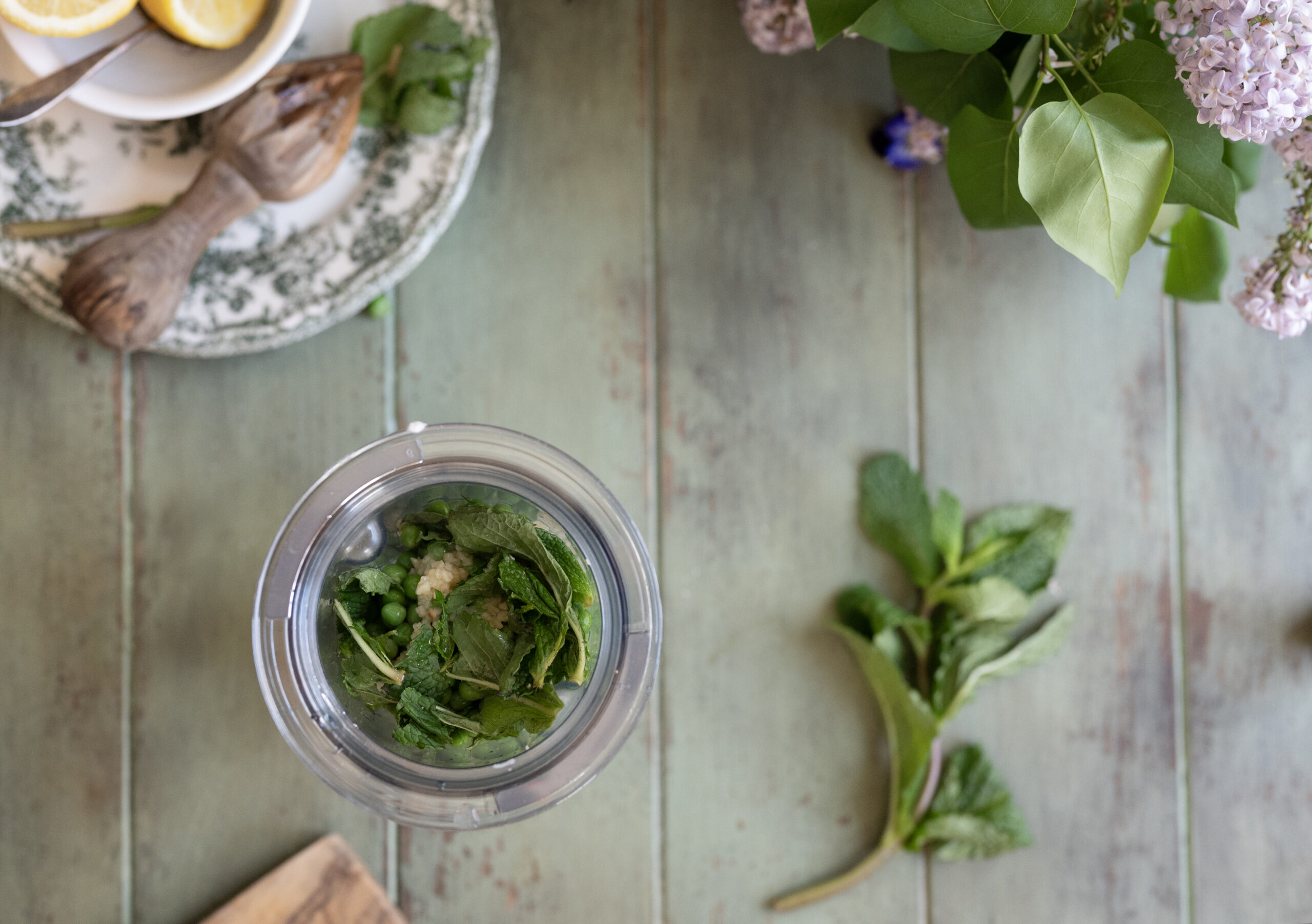
- Blend the Base: In a food processor or high-speed blender, combine the shelled peas, whole-milk ricotta cheese, chopped mint leaves, fresh lemon juice, sea salt, ground black pepper, and minced garlic.
- Achieve Desired Texture: Pulse the mixture until it reaches a smooth, spreadable consistency while retaining a gorgeous, vibrant mint-green color. Taste and adjust seasoning if necessary.
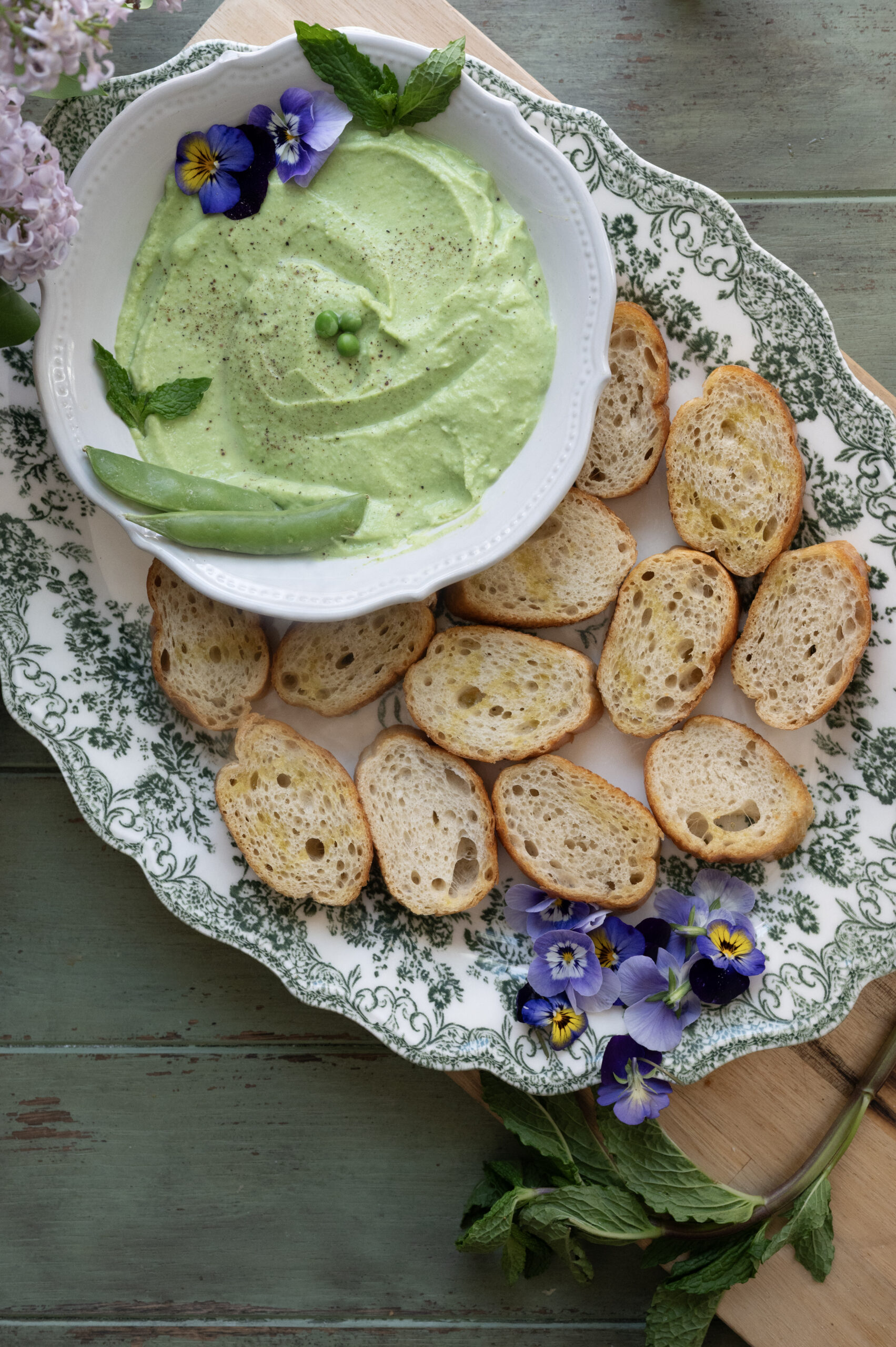
- Assemble: Spoon generous dollops of the pea and ricotta spread onto each toasted sourdough slice.
- Garnish and Serve: Optionally garnish with a tiny sprig of fresh mint or a cracked pinch of black pepper. Serve immediately on a decorative platter alongside fresh crudités or enjoy as part of a vibrant spring table spread.