







DEVIZES, England — For more than two centuries, the foundational narratives of British prehistory have rested on a series of deeply ingrained assumptions. When pioneering antiquarians unspooled the contents of a Bronze Age round barrow near Stonehenge in the early 19th century, they categorized the high-status remains they found according to the societal norms of their own era. A grave laden with tools, metalworking equipment, and objects of apparent ritual significance could only belong to a man—specifically, a powerful male leader or spiritual intermediary.
Now, cutting-edge genetic science has shattered that long-standing paradigm. Recent ancient DNA analysis has conclusively proven that the individual known to generations of historians, archaeologists, and visitors as the Upton Lovell "shaman"—a distinguished figure buried approximately 4,000 years ago in Wiltshire, England—was biologically female.
The revelation, emerging from a collaboration tied to the Francis Crick Institute’s exhibition We Go Way Back, does more than simply correct a historical misidentification. It forces a radical reassessment of gender roles in Early Bronze Age Britain, challenging modern biases about who held economic power, technological expertise, and spiritual authority in the ancient world.
Main Facts: The Discovery and the DNA Revelation
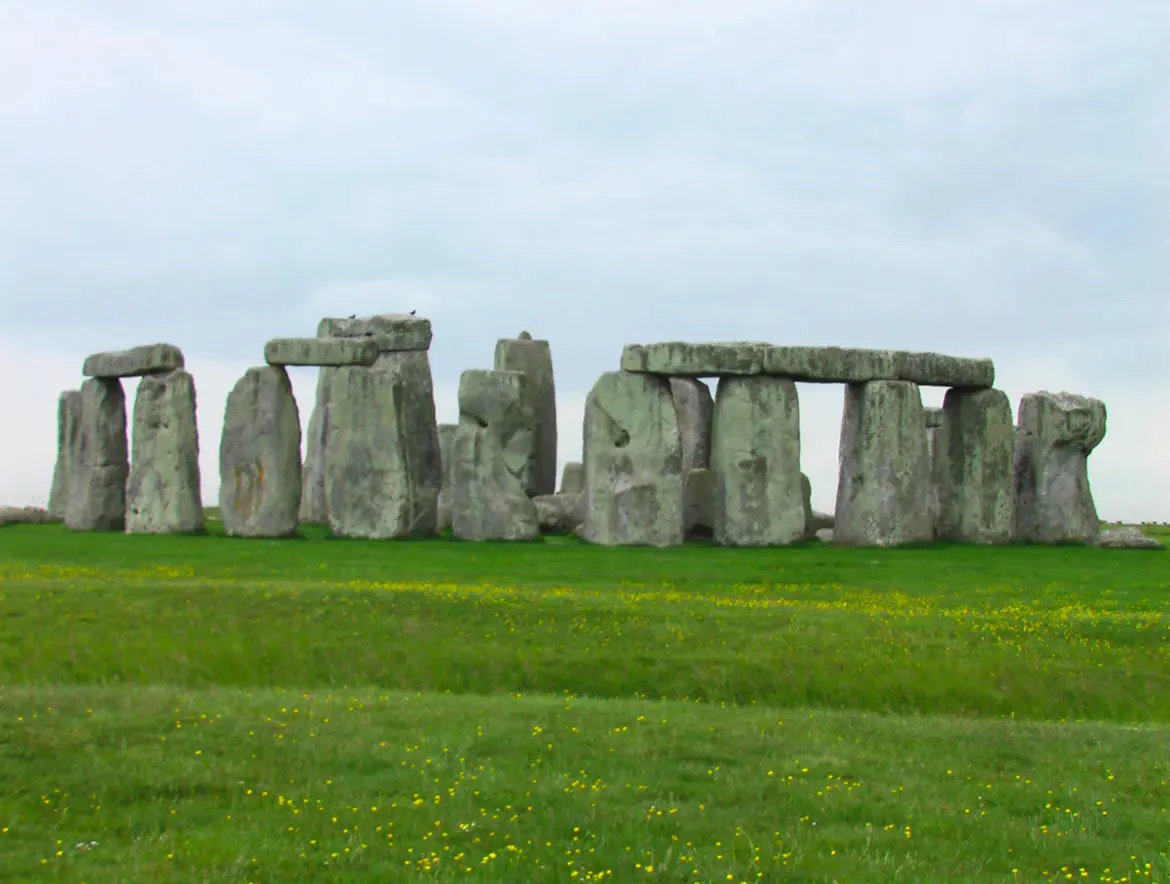
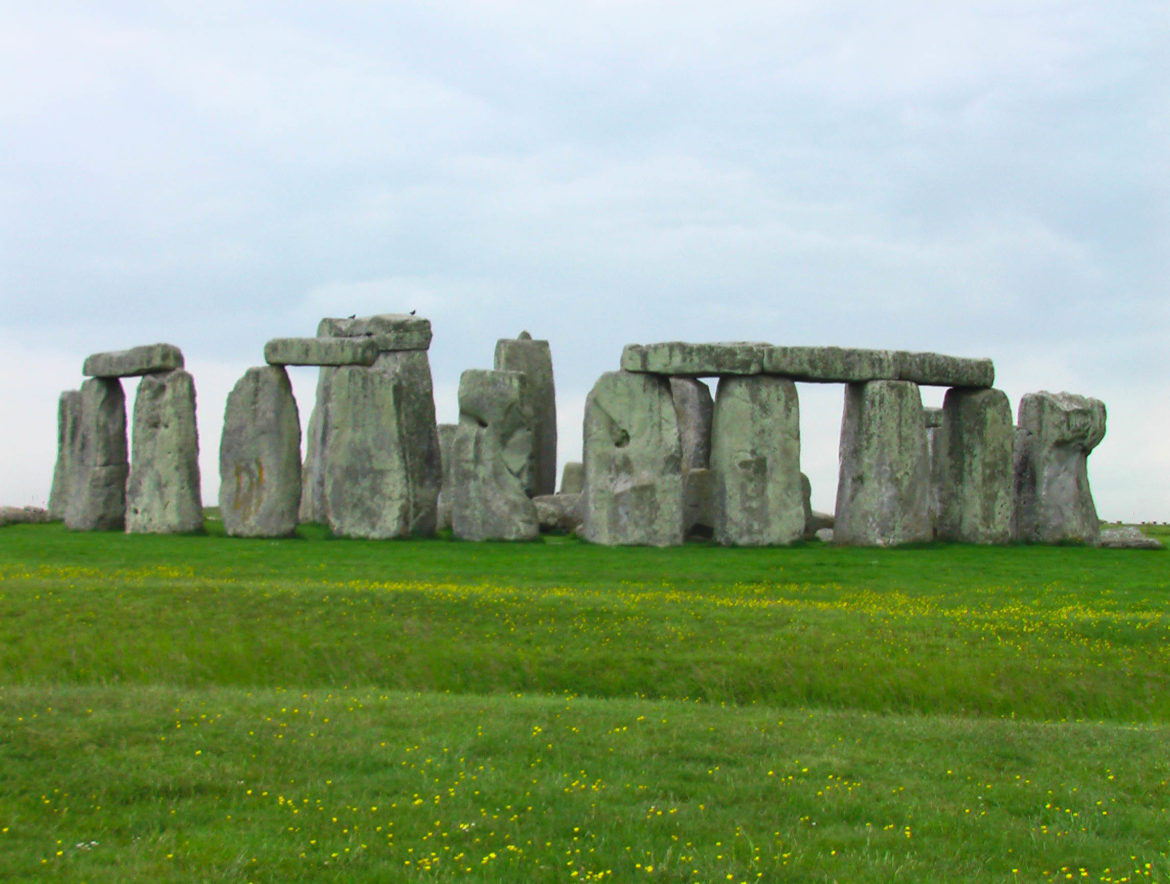
The skeleton at the center of this paradigm shift was unearthed in 1801 or 1802 from a chalk-cut grave beneath a round barrow at Upton Lovell, just a few miles from the iconic stone circles of Stonehenge. From the moment of its discovery, the burial stood out as extraordinary due to the sheer wealth and specialization of the grave goods accompanying the deceased.
Among the artifacts recovered were:
- A touchstone, utilized for testing the purity of precious metals.
- Specialized stone tools, interpreted as scribes or burnishers for working gold and bronze.
- Small cups fashioned from fossilized sea sponges, which likely held adhesives, pigments, or fluxes.
- A finely polished stone and a greenstone battle axe imported from Cornwall, which microscopic analysis suggests served as a metalworking hammer rather than a weapon of war.
Crucially, microscopic residue analysis has revealed minute traces of gold on several of these instruments, cementing the individual’s status as an accomplished craft specialist. In the Early Bronze Age, the ability to transform raw stone and alluvial metal into shining gold and bronze ornaments would have appeared genuinely miraculous to the contemporary observer.
For decades, the conventional wisdom held that such high-status technological control was exclusively the domain of men. However, DNA extracted from the skeletal remains—conducted as part of modern genetic research into ancient populations—revealed that the individual possessed Beaker-associated ancestry and was indisputably female. Standing approximately 5 feet 4 inches (1.63 m) tall, she lived and worked in the dynamic, rapidly changing landscape of Neolithic and Bronze Age Wessex. Osteological examination of her skeleton further revealed signs of arthritis in her right wrist—a potential physical signature of years of repetitive, high-precision craft labor.
Chronology: From 19th-Century Excavation to 21st-Century Genetics
To understand how a female master craftsperson was misidentified as a male shaman for over 200 years, one must trace the timeline of archaeological discovery and interpretation.
- 1801–1802: Pioneering archaeologists William Cunnington and wealthy antiquarian Sir Richard Colt Hoare excavate numerous round barrows across Wiltshire. Beneath a barrow in Upton Lovell, Cunnington discovers the primary burial of the metalworker, laid out extended on her back, alongside a secondary crouched burial placed above her. Cunnington keeps relatively meticulous notes for his time, though modern contextual and spatial data are missing.
- 1812: Cunnington and Colt Hoare publish their monumental findings in Ancient Wiltshire, a foundational text for British prehistoric archaeology, cementing the significance of the Upton Lovell site.
- 1962: Archaeologist Stuart Piggott coins the moniker "Upton Lovell Shaman." Comparing the elaborate grave goods and costume elements to Mesolithic burials in northern Europe, Piggott popularizes the idea that the individual held a religious or magical leadership role. The evocative title captures the public imagination and persists for decades.
- Late 20th to Early 21st Century: While some contemporary archaeologists voice quiet skepticism regarding the automatic assignment of male gender to weapon- and tool-rich graves, the "male shaman" label remains standard in museum displays and academic literature.
- 2026: Advanced ancient DNA profiling, integrated with the Francis Crick Institute’s We Go Way Back exhibition, definitively proves the skeleton is biologically female, sparking an international reevaluation of Bronze Age gender dynamics.
Supporting Data: The Material Culture of a Master Craftsperson
The inventory of the Upton Lovell grave remains one of the most remarkable assemblages from the British Early Bronze Age. The objects buried with the female metalworker reflect an economy undergoing a profound technological revolution.
Metalworking during this era was not merely a mechanical trade; it was the "space science" of its day. The mastery of fire, metallurgy, and alloy creation required extensive specialized knowledge, trade networks spanning hundreds of miles (such as the Cornish greenstone axe), and a high degree of social status.
Furthermore, historical records and early excavation accounts note that the primary skeleton was interred alongside the remains of a ceremonial cloak—potentially decorated with hundreds of perforated bone beads and animal bones—which contributed to Piggott’s 1962 hypothesis of a shamanic costume. Whether she functioned strictly as a master artisan, a spiritual leader, or both, the material evidence demonstrates that she occupied an elite tier within her community. Her contemporaries deliberately chose to bury her with the full toolkit of her transformative craft, ensuring she could carry her professional and spiritual identity into the afterlife.
Official Responses and Expert Perspectives
The revelation has generated significant commentary from leading historians, classicists, and museum directors, highlighting the broader implications for how museums present the past.

David Dawson, Director of Wiltshire Museum—where the skeletal remains and grave goods are housed—emphasized the profound shift in perspective the discovery represents.
"It shows the depth of understanding of her craft," Dawson told the press. "The people she left behind wanted her to take her toolkit into the afterlife… It completely tears up previous assumptions. It’s a fantastic revelation of the position of women in society. We’re so used to the assumption that men do everything—men are the leaders, men are the metalworkers. Here we have smoking gun evidence of a female metalworker. And metalworking was the space science of its day."
Prominent classicist Professor Mary Beard, who is affiliated with the We Go Way Back exhibition, addressed the systemic biases that have historically influenced archaeological interpretations:
"So often we have assigned the sex of an ancient skeleton partly on the basis of our own assumptions about sex and gender roles—if it is buried with a sword, it’s male; with a necklace, it’s female. As with the Upton Lovell shaman, DNA analysis can help us correct those assumptions and think harder about the roles of men and women in the deep past—and perhaps also in our own world."
Modern archaeologists also point out a necessary evolution in terminology. While the "shaman" label created by Stuart Piggott successfully highlighted the extraordinary nature of the burial, contemporary researchers urge caution. There is no direct, empirical evidence that the Upton Lovell craftsperson performed religious or shamanic rites; rather, the rich inventory likely reflects the immense prestige and reverence accorded to master metallurgists in a developing Bronze Age economy.
Implications: Rewriting the Narrative of Bronze Age Britain
The reidentification of the Upton Lovell metalworker carries wide-ranging implications for the fields of archaeology, anthropology, and public history.

First, it underscores the indispensable value of integrating biomolecular archaeology with traditional excavation records. As ancient DNA extraction techniques become more refined and accessible, researchers are increasingly finding that 19th- and 20th-century assumptions about gender distribution in elite burials were frequently skewed by patriarchal biases of the modern era. Artifact associations—such as weapons equating to men and domestic tools equating to women—are proving to be dangerously oversimplified heuristics.
Second, the discovery reframes our understanding of social structures around Stonehenge during the Early Bronze Age. Far from being a society where women were strictly relegated to domestic or marginalized spheres, the Wessex culture clearly accommodated female practitioners of high-status, highly technical disciplines. A woman could command the metallurgy, trade connections, and ritual prestige necessary to be interred as one of the most important members of her community.
Ultimately, two centuries after William Cunnington first disturbed the soil of the Wiltshire barrow, the Upton Lovell burial continues to yield vital secrets. By stripping away modern cultural projections and listening directly to the biological and material data, science has restored a pioneering female artisan to her rightful place at the very heart of British prehistory.