CHICAGO — In the rapidly expanding multi-billion-dollar global artisanal bath and body market, makers continually seek innovative, low-cost methodologies to differentiate their products. While melt-and-pour soaping remains a foundational entry point for hobbyists and micro-entrepreneurs due to its safety profile and accessibility, the production cycle has long faced criticisms of creative stagnation. The formula—melt, pour, wait, unmold, repeat—offers structural reliability but limited avenues for advanced visual artistry.
Enter soap curls: delicate, ribbon-like slivers shaved or peeled from solid soap blocks that introduce complex textures, optical depth, and multidimensional aesthetics. Far from a passing fad, this technique is rapidly transforming the craft sector, merging visual appeal with tactile and auditory engagement, commonly referred to in digital spaces as ASMR (Autonomous Sensory Meridian Response).

The Anatomy and Appeal of Soap Curls
Soap curls are paper-thin filaments shaved from a hardened base. When engineered correctly, they naturally roll into intricate ribbons. Historically, decorators relied on pre-made plastic embeds or basic mica colorants to enhance soap loaves. However, soap curls utilize the very material of the product itself, ensuring complete functional integration.
Market analysts note that consumer preferences have shifted heavily toward tactile experiences. When allowed to air-cure, soap curls develop a rigid, textured surface that yields a gentle, exfoliating sensation upon initial use. Furthermore, the acoustic and tactile properties of handling the curls have captured a massive audience across digital craft communities.

Beyond surface decoration, these ribbons can be embedded into transparent or opaque soap loaves, creating striking internal patterns, or sculpted into botanical shapes such as roses.
Chronology of the Craft: Evolution from Basic Soaping to Advanced Curls
The evolution of soap curls reflects broader DIY trends that prioritize minimalist tools over industrial machinery.

- Early 2000s: The rise of melt-and-pour soaping standardized safe, accessible crafting using premade glycerin bases, bypassing the need for hazardous sodium hydroxide (lye) handling.
- Mid-2010s: Artisans began experimenting with post-processing techniques, utilizing scrap gratings to produce "confetti soap"—a utilitarian method primarily designed to repurpose trimmings.
- The ASMR Boom (Late 2010s–2020s): Sensory-driven content creation popularized the visual and acoustic appeal of crisp, dry soap manipulation, shifting the focus from waste-reduction to intentional artistic design.
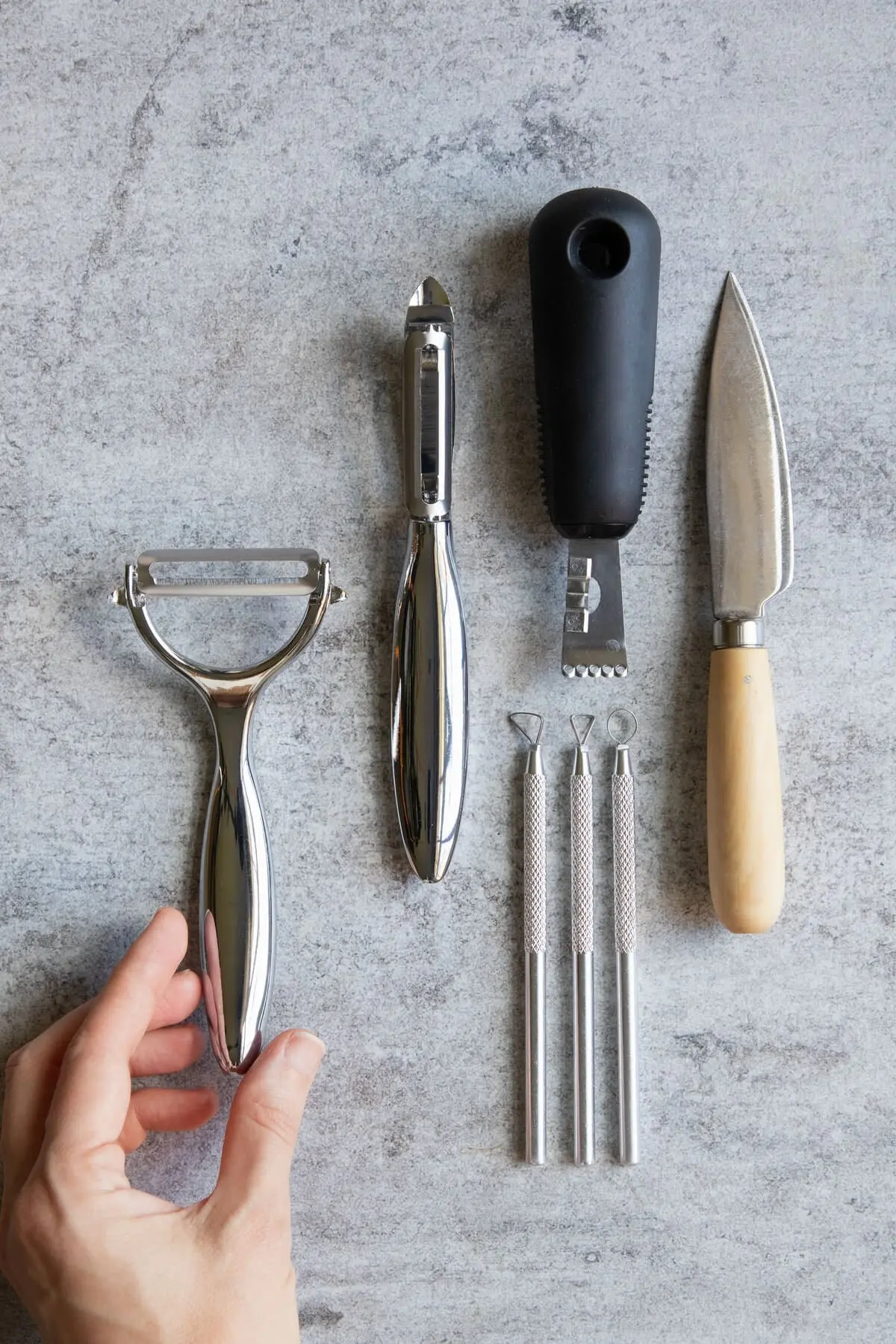
- Present Day: Makers have formalized specific tooling parameters—incorporating vegetable peelers, citrus zesters, clay trimming loops, and specialized pouring methods—to transform basic melt-and-pour blocks into high-end artisan masterpieces.
Technical Specifications and Tooling Requirements
Executing professional-grade soap curls requires an understanding of basic chemistry, temperature management, and tool selection. While melt-and-pour bases are chemically stable, their physical properties vary significantly depending on humectant content and moisture retention.
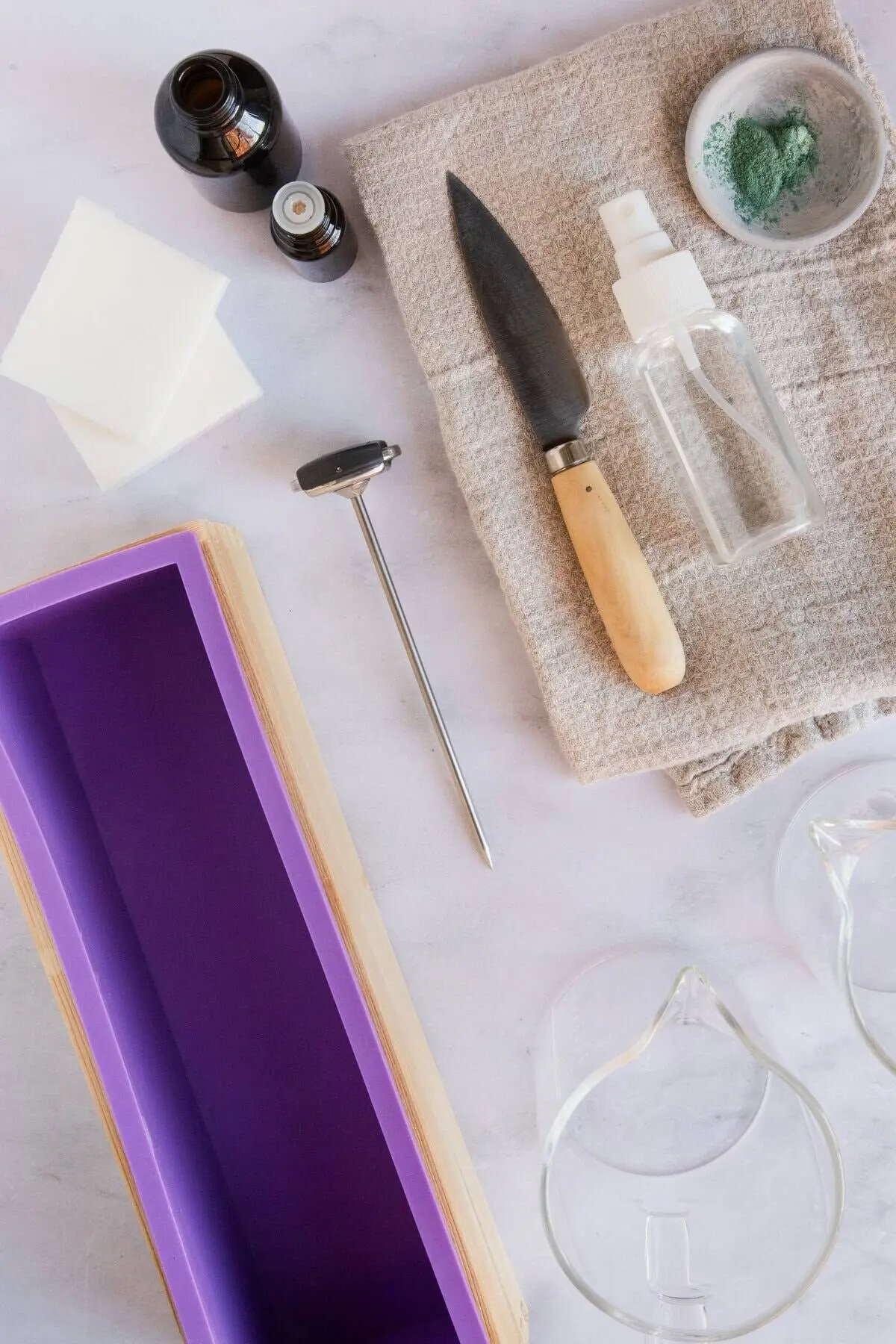
Standard Equipment Toolkit
- Melt-and-Pour Soap Base: Premium clear or opaque bases with balanced moisture levels.
- Liquid Glycerin: Used as an essential plasticizer to enhance molecular flexibility.
- Colorants & Fragrances: Mica powders, liquid dyes, and skin-safe essential oils.
- Mold Assortment: Single-cavity silicone molds and standard rectangular loaf molds.
- Personal Protection: Standard kitchen safety gear, though lye safety equipment is unnecessary for melt-and-pour processes.
Methodological Guide: Five Techniques for Manufacturing Soap Curls
The choice of manufacturing technique dictates the structural integrity, thickness, and ultimate visual application of the soap ribbon.

1. The Vegetable Peeler Method (Classic Ribbon Curls)
- Process: Pour melted soap into a single-cavity mold and allow it to cool and cure completely. Firmly grasp the solid block (using a paper towel to counteract natural glycerin slip). Run a standard vegetable peeler smoothly along the long, flat side of the block.
- Result: Long, uniform ribbons that naturally coil. If the soap is sufficiently pliable, minimal manual intervention is required to shape the curl.
2. The Citrus Zester Method (Confetti Shavings)
- Process: Utilizing a standard single-cavity block, draw a citrus zester lightly across the widest face of the soap.
- Result: Produces micro-filaments resembling colorful confetti. This approach is ideal for subtle internal layering or textured surface dusting without overwhelming the primary bar design.
3. Clay Trimming Tools (Organic Textures)
- Process: Drawing a wire or metal clay-trimming loop across the flat surface of a soap block yields uneven, highly organic ribbons.
- Result: Because these tools create natural irregularities, artisans frequently trim the parent block with a utility knife between passes to maintain a consistent cutting plane and prevent structural tearing.
4. The Y-Shaped Peeler & Loaf Mold Technique (Structural Strips)
- Process: Pour approximately one inch of melted soap into the bottom of a standard loaf mold. Once fully cooled, slice the sheet into two-inch wide strips matching the width of a Y-peeler.
- Result: Produces thicker, highly durable strips that can be manually manipulated into structured bows or geometric accents.
5. The Thin-Pour Method (Hand-Rolled Sheets)
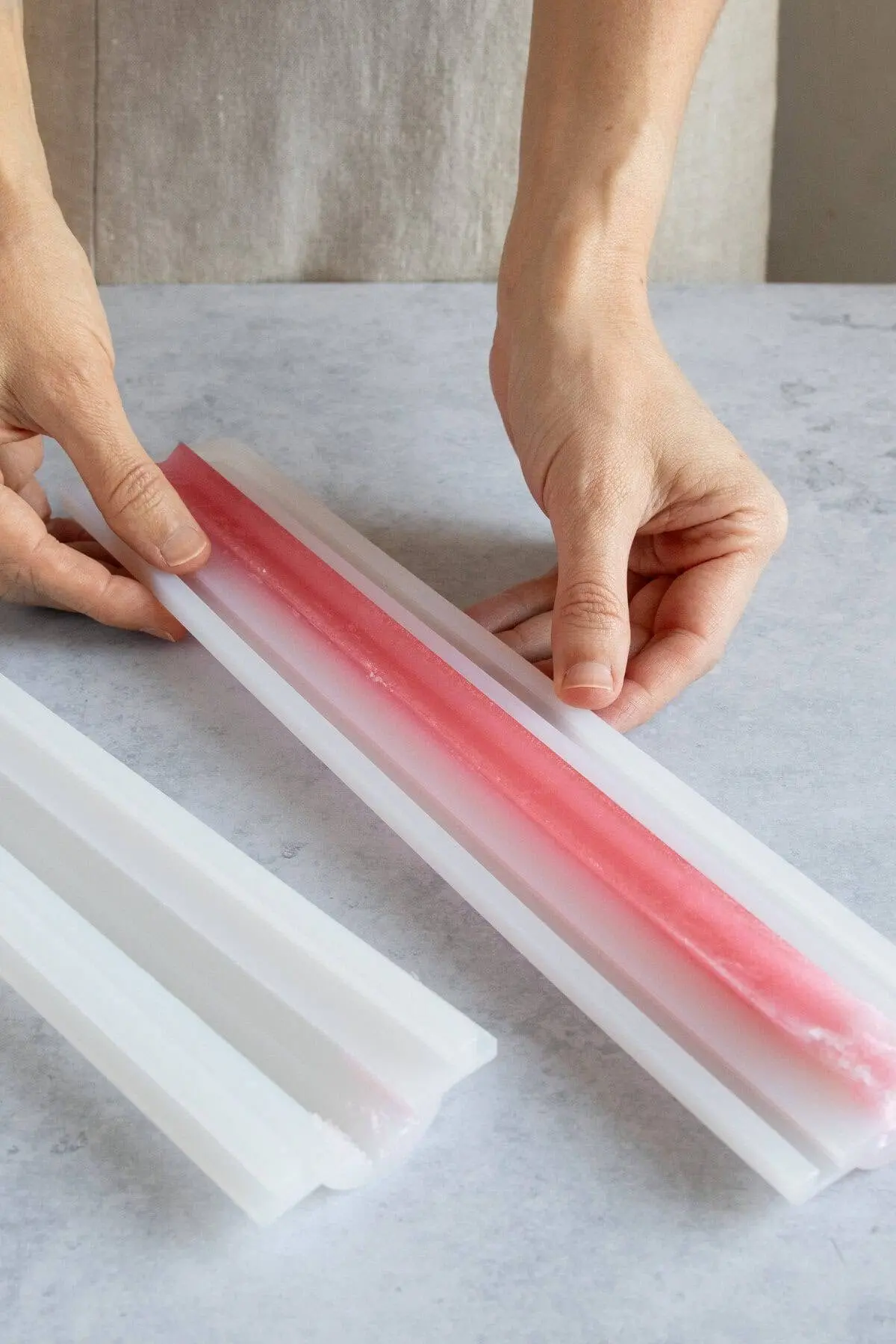
- Process: Pour an ultra-thin layer (roughly 1/16 to 1/32 of an inch) of liquid soap into a loaf mold. Allow it to set partially for 5 to 10 minutes until it reaches a leather-hard state. Carefully extract the sheet, cut it into strips, and hand-roll the material.
- Result: Yields hollow tubes or tight spirals (resembling pastry horns or fruit rolls) that create dramatic cross-sectional geometries when embedded inside a secondary soap pour.
Supporting Data: Troubleshooting Manufacturing Defects
Artisans frequently encounter physical roadblocks when transitioning from standard pouring to curl production. Industry practitioners have documented structural challenges alongside standardized corrective actions:
| Defect Symptom | Primary Cause | Corrective Action |
|---|---|---|
| Cracked Curls | Excessively brittle soap base lacking moisture retention. | Incorporate 1 to 2 tablespoons of liquid glycerin into the melted base to boost elasticity. |
| Trapped Air Bubbles | Air pockets forming during secondary embeds within loaf molds. | Embed ribbons at a compound angle to allow gas escape routes; spritz surfaces with isopropyl alcohol before and after pouring. |
| Fragile / Brittle Curls | Insufficient structural setting time or dry ambient conditions. | Lightly mist finished curls with rubbing alcohol to lock molecular integrity. |
| Melting Embeds | Secondary pour temperature exceeds safe thresholds. | Ensure over-pour soap is cooled to 140°F (60°C) or lower prior to contact. |
| Uneven / Floppy Ribbons | Dull peeling implements or overly soft soap base formulations. | Upgrade to a razor-sharp peeler, integrate glycerin, or allow the base additional curing time. |
Industry Implications: Economic and Creative Value for Small Businesses
The integration of advanced styling techniques like soap curls directly impacts the valuation and marketability of small-scale bath and body enterprises.

From an economic perspective, soap curls utilize material scraps and minimal additional ingredients to exponentially increase the perceived value of an item. A standard rectangular melt-and-pour bar can retail at a baseline price point; however, transforming that same formulation into a "gift box soap" complete with hand-rolled ribbons and bows commands a premium artisan markup.
Furthermore, the sensory dimensions of soap crafting—highlighted by the textural contrast of a "crunchy soap" or the intricate assembly of soap roses—align directly with lifestyle marketing trends. As consumers increasingly prioritize experiential retail and aesthetic home goods, techniques that bridge the gap between traditional craft and modern sensory engagement secure a distinct competitive advantage in the handmade economy.

Frequently Asked Questions (FAQ)
Can I utilize any commercial melt-and-pour soap base for curls?
Not all bases possess the necessary rheological properties. Bases that are overly soft result in a mushy texture that fails to retain a curl, while overly hard formulations fracture upon peeling. Artisans must test various manufacturer formulations to identify an optimal balance of firmness and elasticity.
Is liquid glycerin mandatory for the thin-pour method?
Glycerin acts as a humectant and plasticizer, increasing pliability. While essential for brittle bases, certain premium melt-and-pour formulations feature high natural flexibility, rendering supplemental glycerin optional.

Can colorants and fragrances be integrated directly into curl batches?
Yes. Colorants (such as mica suspensions or liquid pigments) and cosmetic-grade fragrance oils should be thoroughly whisked into the base while completely molten, prior to casting in the initial mold.
What is the required curing timeframe for ASMR-grade crunchy soap?
To achieve maximum rigidity and the signature auditory acoustic properties, thin soap curls must be cured in a low-humidity, well-ventilated environment for approximately four to five weeks to allow complete moisture evaporation.

Are cold-process soaps compatible with curling techniques?
Yes, though cold-process formulations require a significantly longer curing cycle (typically four to six weeks) to reach the structural maturity necessary to withstand peeling without collapsing.