





In an era dominated by high-tech wellness gadgets, blue-light therapy masks, and algorithmic sleep trackers, a quiet counter-movement is taking root in home economics and self-care circles. Across the globe, individuals navigating the physical tolls of remote work, prolonged desk hours, and natural aging are turning to tactile, low-tech remedies to manage chronic tension. At the forefront of this trend is the DIY heated herbal neck wrap—a simple, sustainable, and deeply comforting alternative to commercial heating pads.

Combining the principles of localized thermotherapy with the subtle benefits of aromatherapy, crafting your own therapeutic neck wrap has become a weekend hobby for those looking to reclaim control over their domestic well-being. Far from a passing TikTok fad, this home-sewn project bridges the gap between traditional herbalism and modern ergonomics, offering a tailored approach to stress relief for roughly $15 in materials.

Main Facts: Anatomy of a Therapeutic Heat Pack
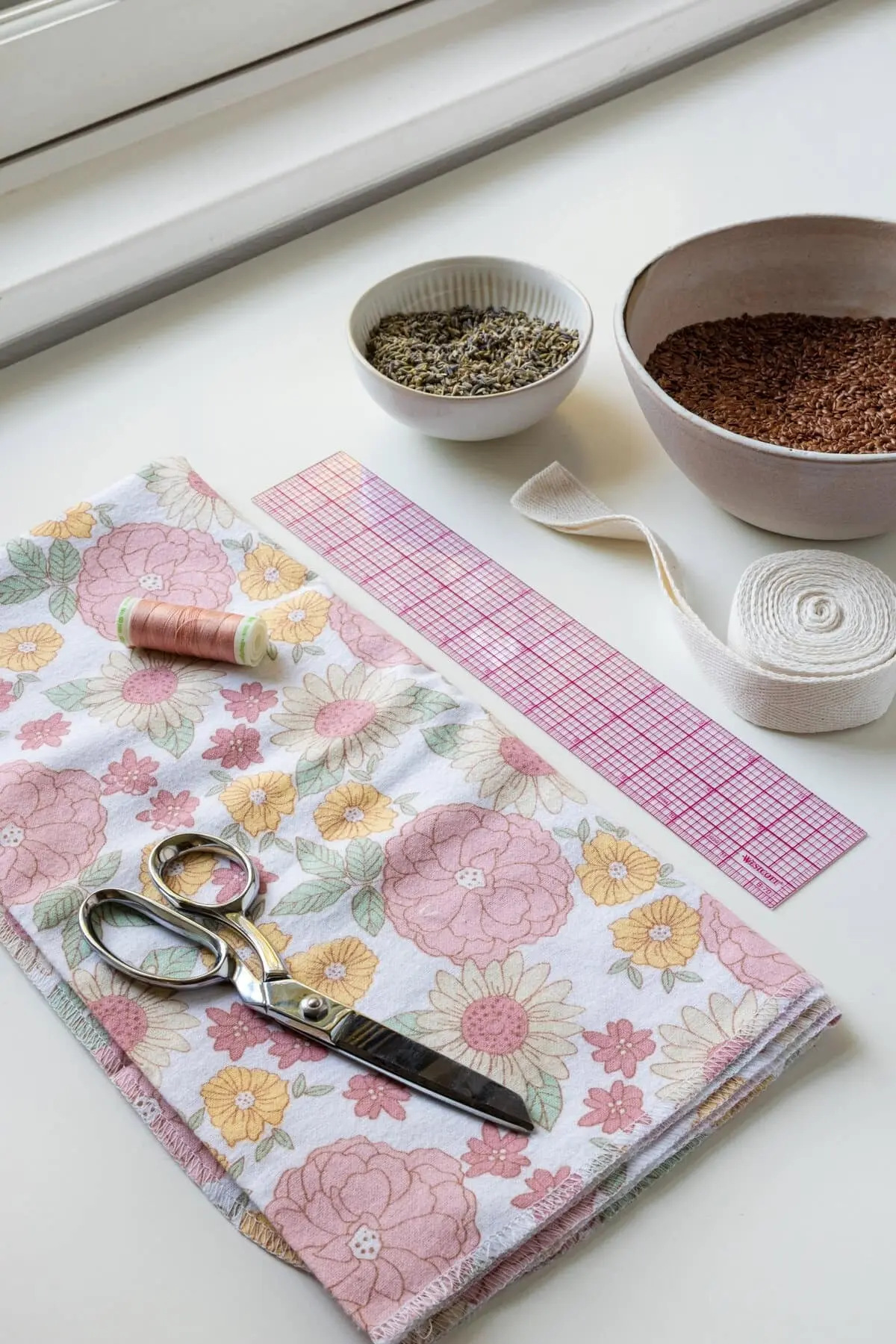
The modern heated neck wrap is deceptively simple in design, yet it relies on specific physical properties to deliver effective results. At its core, the project requires:

- Natural, Heat-Safe Fabrics: Cotton or flannel serves as the ideal encasing material. Because the final product is designed for microwave use, synthetic fibers like polyester or nylon must be strictly avoided due to their propensity to melt or release volatile chemicals.
- Thermal Fillers: Flaxseed is widely considered the gold standard for filling. Unlike corn or grain alternatives, flaxseed possesses a naturally high oil content that retains heat exceptionally well and conforms smoothly to the body’s contours. White rice serves as a budget-friendly substitute, though it requires specific safety adjustments during heating.
- Aromatherapeutic Elements: Dried botanical blossoms—most notably French lavender, chamomile, or rose petals—are mixed into the seed base. When exposed to microwave heat, these botanicals release gentle aromatic compounds that stimulate the olfactory system, promoting relaxation and nervous system down-regulation.
- Structural Stitching: Unlike a simple sack of grain, a professionally constructed wrap features interior channel lines. These vertical seams prevent the filling from migrating to the ends, ensuring an even distribution of weight and warmth across the cervical spine and shoulders.
Chronology: From Concept to Couch-Side Comfort
The journey from raw fabric bolts to a warm, soothing evening ritual takes approximately one hour. Below is the chronological breakdown of how to construct and deploy your own herbal neck wrap.

Phase 1: Cutting and Primary Seaming
- Fabric Preparation: Select a durable, 100% natural cotton or flannel fabric. Fold the material in half lengthwise—reminiscent of folding a hot dog bun—with the correct, patterned sides facing inward.
- The Long Seam: Utilizing a standard sewing machine and a ½-inch seam allowance, stitch straight down the long open edge. Turn the fabric tube right-side out and press it flat with an iron for a crisp finish.
- Edge Reinforcement: Fold the raw edge of one short end inward by ½ inch and press. Insert the ends of durable cotton twill tape (used for tying the wrap securely around the body) into the fold, pin securely, and top-stitch the end closed.
Phase 2: Channeling and Filling
- Drafting the Channels: Measure 1.5 inches down from the top closed edge and draw a horizontal anchor line. From that line, map out two equidistant vertical lines running down the length of the wrap, stopping 2 inches short of the bottom edge. Stitch along these lines to create three distinct internal columns.
- The Herbal Blend: In a mixing bowl, combine flaxseed with dried lavender blossoms. Using a wide-mouth funnel, pour the mixture into the open end of the wrap, shaking frequently to distribute the seeds evenly among the three channels. Fill the wrap until it is nearly full, leaving enough flexibility for the fabric to drape comfortably around the human form.
- Final Sealing: Fold the raw edges of the final opening inward, insert the remaining twill tape ties, and top-stitch the end closed.
Supporting Data: The Mechanics of Heat and Aromatherapy
To understand why a simple fabric wrap filled with seeds yields such profound physical relief, one must examine the physiological responses triggered by localized thermotherapy and aromatherapy.

Clinical studies on superficial heat therapy indicate that temperatures between 40°C and 45°C (104°F to 113°F) applied to skeletal muscle can increase local blood flow, enhance tissue elasticity, and reduce the transmission of pain signals to the brain. For individuals suffering from upper back stiffness caused by forward-head posture—colloquially known as "tech neck"—heat encourages the viscoelastic properties of collagen fibers in tendons and ligaments to loosen, making stretching and relaxation more effective.

Furthermore, the inclusion of lavender (Lavandula angustifolia) is supported by numerous studies highlighting its anxiolytic (anti-anxiety) properties. Inhaling linalool—the primary active alcohol compound in lavender—has been shown to modulate the limbic system, leading to measurable reductions in heart rate and cortisol levels. When paired with the proprioceptive input of a weighted wrap (typically weighing between two to three pounds), the brain receives simultaneous signals of physical grounding and chemical calm.

Official Recommendations and Safety Guidelines
Because home-crafted thermal packs interact directly with household appliances, safety authorities and crafting experts emphasize adherence to strict operational guidelines to prevent domestic accidents.

- Microwave Limitations: Heating times should be carefully monitored. Standard protocols recommend heating the wrap in 30-second increments, not to exceed a total of 90 seconds. Overheating can desiccate the organic fillers, scorching the interior fabric and posing a legitimate fire hazard.
- The Rice Alternative Caution: If white rice is substituted for flaxseed due to cost or availability, users must place a small ceramic cup filled with water inside the microwave alongside the wrap. Because rice contains significantly less natural oil than flaxseed, it dries out rapidly under electromagnetic radiation; the accompanying cup of water maintains ambient humidity within the appliance chamber, mitigating combustion risks.
- Temperature Verification: Before draping the wrap against sensitive skin on the neck or face, users should test the temperature on the inside of their wrist to ensure the thermal output does not exceed safe comfort thresholds.
Implications for Modern Wellness and Sustainable Living
The surging popularity of DIY therapeutic tools points toward a broader cultural shift. As consumers experience economic fatigue and heightened digital burnout, there is a palpable desire to step away from screen-based leisure and engage in tactile, analog creation.

Making a heated herbal neck wrap requires basic domestic skills—measuring, pressing, and straight-line sewing—that empower individuals to take charge of their own comfort without relying on mass-produced medical devices. Moreover, the project aligns with circular economy principles: scraps of leftover cotton fabric from other sewing projects can be repurposed, bulk herbs and seeds can be purchased packaging-free from local co-ops, and the resulting product is entirely biodegradable at the end of its multi-year lifespan.

Ultimately, whether utilized to chase away the chill of a winter evening, soothe chronic desk-induced muscle fatigue, or serve as a chilled compress for migraine relief, the humble herbal neck wrap proves that profound wellness does not require complex technology. Often, the most effective remedies are those we stitch together ourselves.