





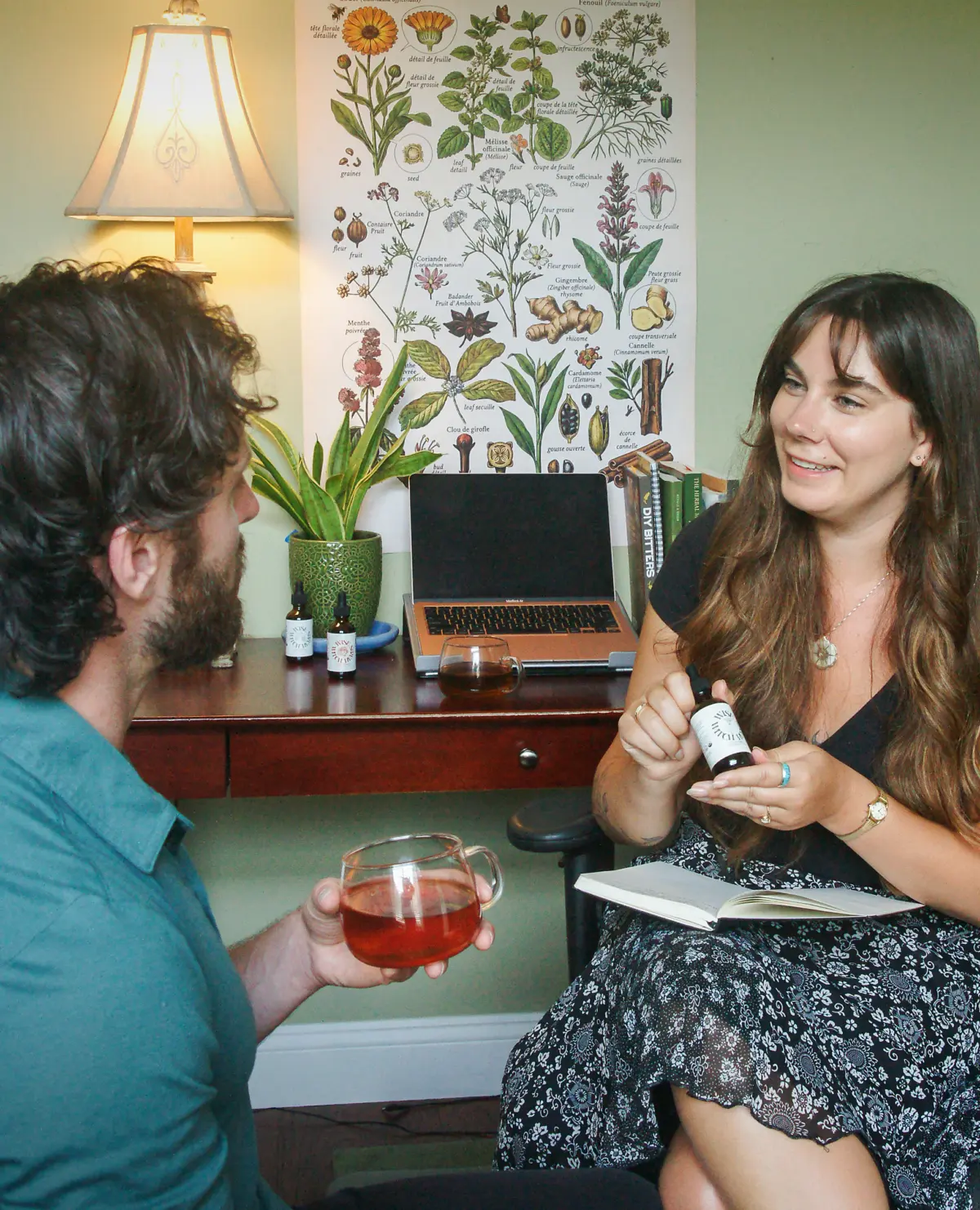
In an era dominated by rapid pharmaceutical solutions and screen-dependent lifestyles, a quiet renaissance is underway. People are increasingly returning to the earth, seeking out traditional remedies and botanical knowledge that have sustained human communities for millennia. At the forefront of this movement is Victoria Buzzalini, a Detroit-native-turned-international herbalist, clinical researcher, and the founder of the digital herbal platform Wise Witch Herbs.
Buzzalini’s journey is emblematic of a broader modern shift: the conscious reintegration of plant medicine into everyday health and wellness. Through rigorous academic training with institutions like the Herbal Academy and an upcoming Bachelor of Science (BSc Hons) in Clinical Herbalism from England, Buzzalini is bridging the gap between ancient botanical wisdom and contemporary wellness practices. Her story offers a compelling lens through which to examine the burgeoning global interest in herbalism, the challenges of modern botanical education, and the shifting paradigms of holistic healthcare.
Main Facts: Who is Victoria Buzzalini?
- Background & Expertise: Born and raised in Detroit, Michigan, Buzzalini holds an initial degree in Environmental Science. Her deep-seated love for ecosystems and the natural world eventually laid the groundwork for her pivot into plant medicine.
- Academic Pedigree: A dedicated student of the Herbal Academy, Buzzalini has completed multiple cornerstone programs, including the Introductory Herbal Course, Botanical Skin Care Course, Becoming an Herbalist Mini Course, and the Herbal Bitters Mini Course. She is also completing a BSc Hons in Clinical Herbalism in the United Kingdom.
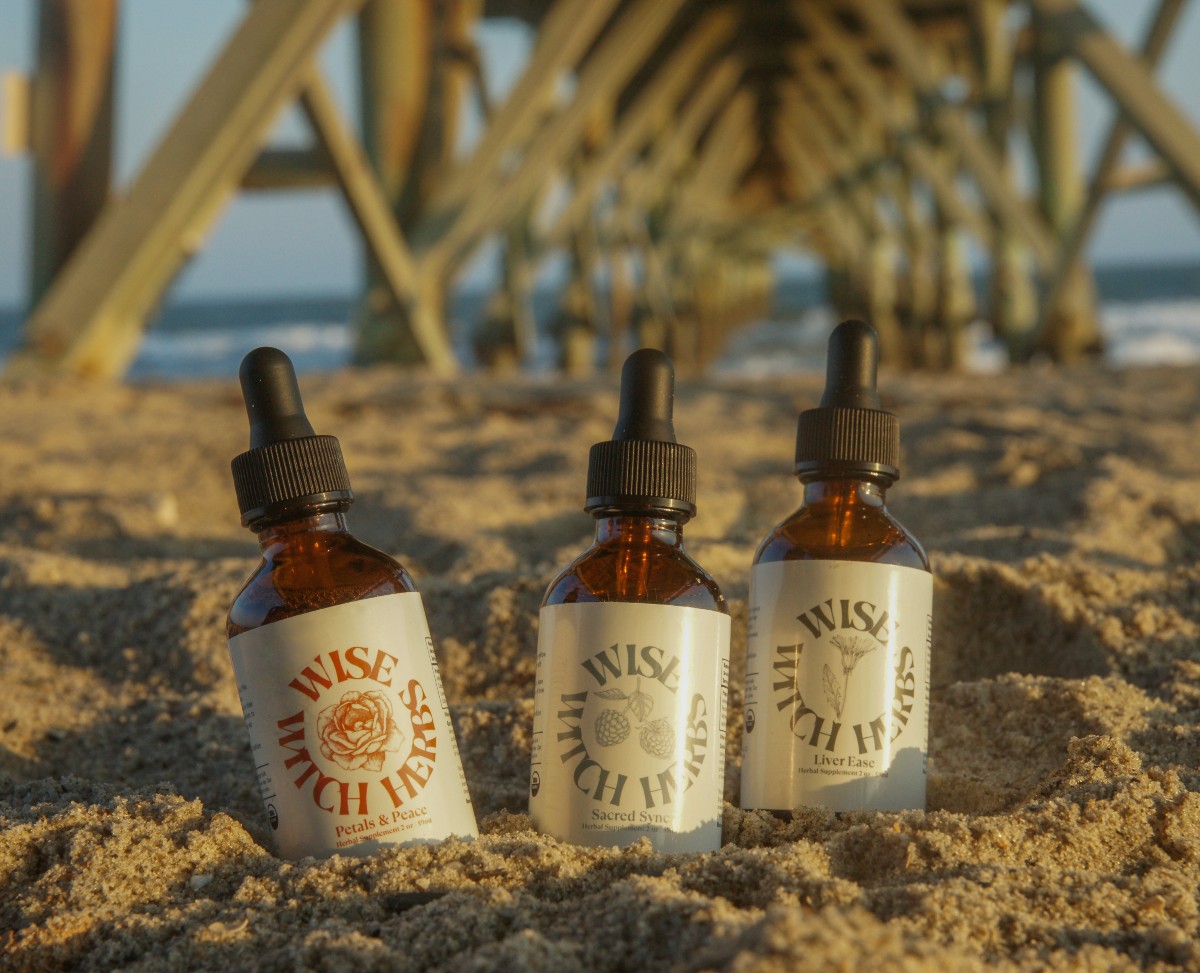
- Entrepreneurial Venture: Founder of Wise Witch Herbs (Instagram: @wisewitchherbs), an online platform established in 2022 that shares daily botanical insights and accessible herbal recipes. The brand is currently expanding into physical consumer goods, starting with a curated line of herbal tinctures.
- Core Philosophy: Advocating for "community wellness," Buzzalini champions slow living, seasonal alignment, and deep somatic listening—teaching individuals how to tune into their bodies rather than automatically masking symptoms with synthetic pharmaceuticals.
Chronology: A Global Path to Botanical Mastery
Roots in Environmental Science and Early Exploration
Victoria Buzzalini’s path to herbalism was not a straight line; rather, it was forged through environmental science, global travel, and a personal health crisis. Growing up in Detroit, Buzzalini developed an early appreciation for the outdoors. This affinity initially steered her toward a degree in Environmental Science, where she studied planetary preservation and the intricate mechanics of natural ecosystems.
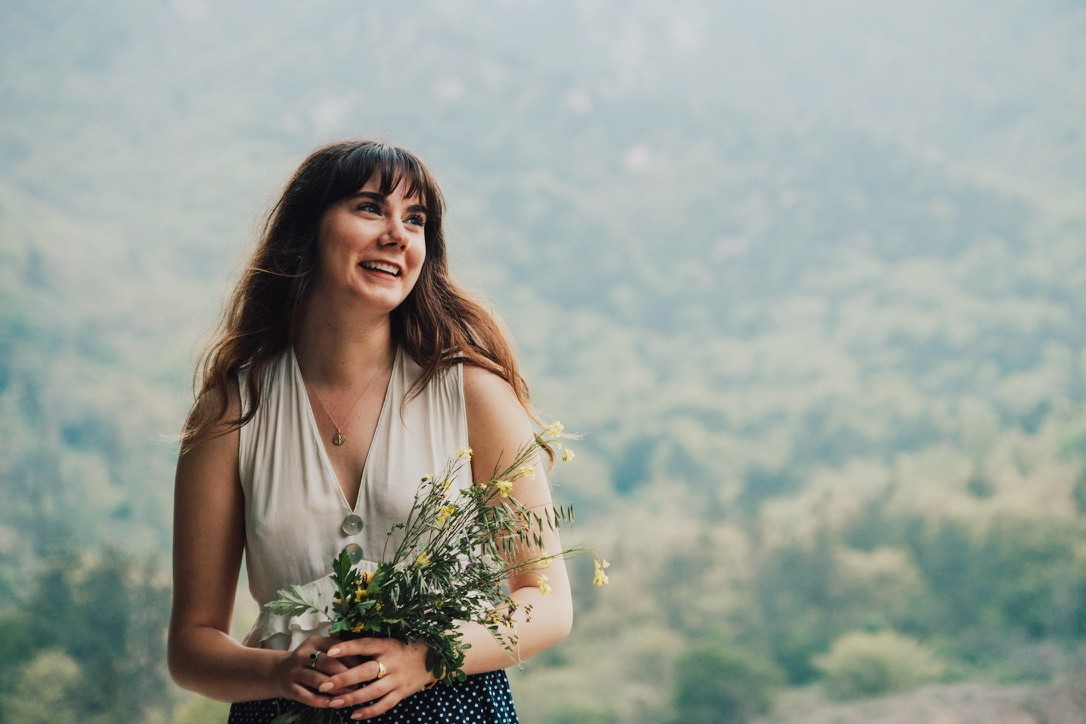
Driven by a desire to experience the world and educate others, Buzzalini embarked on a series of international moves, teaching English and immersing herself in diverse cultures across Costa Rica, Spain, and South Korea.
The Turning Point in South Korea
It was during her tenure in South Korea that Buzzalini’s life took an unexpected turn. Facing a sudden and severe decline in her health, she navigated a foreign medical system that ultimately failed to provide answers or relief. Left with few options, she turned inward—and toward the natural world—to heal herself.
[Environmental Science Degree] ➔ [International Teaching (Costa Rica, Spain, South Korea)]
                                      ↓
[Personal Health Crisis] ➔ [Discovery of Herbalism] ➔ [Herbal Academy Studies]
                                      ↓
[Clinical Degree in UK] ➔ [Launch of Wise Witch Herbs & Global Consultations]
"Unfortunately, the hospitals were unable to help me and I had to turn to myself to begin to heal," Buzzalini recalls. "That’s when I found herbalism. I started researching what herbs would best suit my current state and experimented with what worked best for my body. I soon found it to be a passion of mine as the power of the plants revealed themselves to me."

Structured Education and Entrepreneurship
Recognizing the need for a formal, structured foundation to complement her self-directed experimentation, Buzzalini discovered the Herbal Academy. Drawn by the extensive course catalog and flexible pacing, she enrolled in multiple programs.
In 2022, while still deeply immersed in her studies, she launched Wise Witch Herbs. What began purely as an online journal for recipes and daily botanical insights is now transitioning into an e-commerce brand offering tangible, at-home herbal products. Furthermore, her pursuit of a formal British clinical degree marks her transition from a home herbalist to a clinical practitioner prepared to offer international online consultations focusing on women’s health.
Supporting Data: The Anatomy of Modern Herbal Studies
Buzzalini’s educational trajectory highlights the structured nature of modern herbal training. Unlike historical herbalism—which was frequently passed down through oral family traditions or informal apprenticeships—today’s botanical education bridges traditional knowledge with modern safety, formulation science, and regulatory compliance.
The Herbal Academy Curriculum Matrix
Through her studies, Buzzalini engaged with a multi-tiered educational framework designed to accommodate diverse professional and personal goals:
- Introductory Herbal Course: Serving as her gateway, this foundational program introduced her to plant identification, basic herbal actions, and home preparation techniques.
- Botanical Skin Care Course: Providing recipes and formulation techniques that Buzzalini utilizes monthly, this course bridges aesthetics and therapeutic plant medicine.
- Targeted Mini-Courses: Specialized programs like Becoming an Herbalist and the Herbal Bitters Mini Course equipped her with niche manufacturing skills and entrepreneurial insights.
Navigating Regulatory and Compliance Realities
One of the most critical elements of modern herbal education is understanding legal and geographical frameworks. Transitioning between the United Kingdom (during her clinical studies) and the United States, Buzzalini noted significant variations in how herbalism is regulated and discussed.
"Herbal Academy was one of the first to show me what language we can and cannot use as an herbalist in the USA," she notes. For modern entrepreneurs launching wellness brands, mastering compliance—such as avoiding unverified medical claims—is just as vital as understanding the plants themselves.
Official Perspectives: Wisdom from the Field
In reflecting on her education, Buzzalini emphasizes several key aspects of her training that have shaped her worldview as both an educator and practitioner.
Community Wellness and Accessible Learning
Buzzalini views her work not as proprietary or exclusive, but as a public service. "I believe herbalism is community wellness and it should be shared," she asserts. "It’s knowledge that has been forgotten and is now being remembered again."
This philosophy is mirrored in her practical advice for beginners overwhelmed by the sheer volume of botanical information available today. Rather than attempting to master hundreds of plants overnight, Buzzalini advocates for a slow, immersive approach:
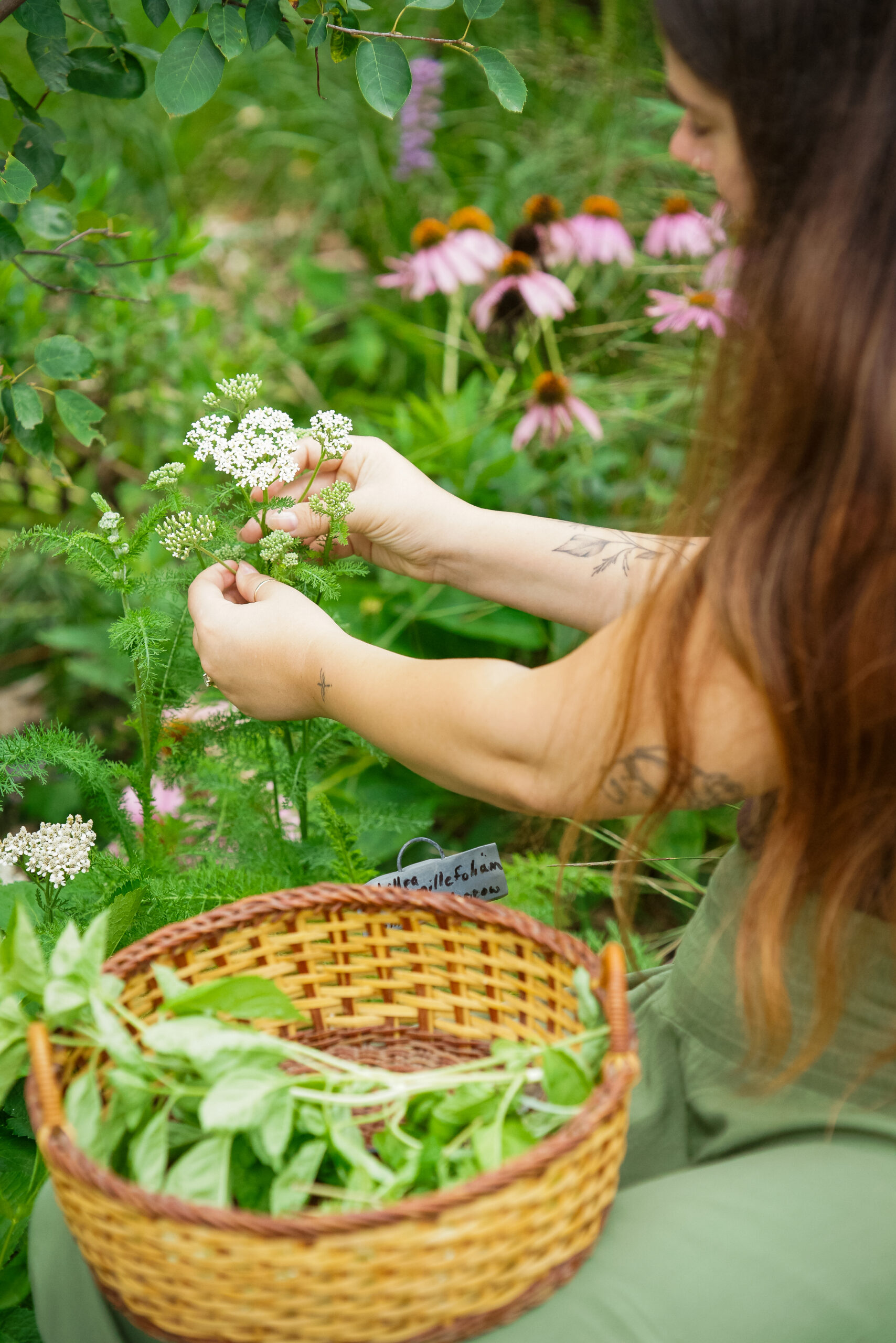
"Pick one herb per month to study. Plant it in your garden if you can, make a tea with it, try a tincture of it—just become very familiar with the plant. By the end of the year, you’ll be an expert on 12 plants and it just grows from there."
The Scientific Shortfall in Herbal Research
While Buzzalini’s British clinical training relies heavily on empirical science and academic research papers, she highlights a notable hurdle facing the modern herbal community: the scarcity of robust, large-scale clinical trials for botanicals.
Because pharmaceutical funding rarely flows into unpatentable whole plants, clinical herbalists often have to navigate a landscape where historical usage outpaces modern clinical data. "There is not enough funding for herbal clinical trials, and the animal and in-vitro studies don’t supply enough evidence to back up herbal claims," Buzzalini explains. She advocates for increased corporate and institutional investment into researching the genuine therapeutic actions of herbs to bridge the gap between traditional wisdom and modern allopathic medicine.
Implications: The Future of Holistic Health and Seasonal Living
Buzzalini’s evolution from an environmental scientist in Detroit to an international clinical herbalist highlights several crucial implications for the future of health, wellness, and consumer culture.
1. Reclaiming Somatic Awareness
Modern society is largely defined by speed, convenience, and symptom management. As Buzzalini points out, contemporary culture encourages individuals to "push on with life and pop a pill to mask what’s going on internally." Herbalism, by contrast, demands a recalibration of attention. It teaches practitioners to listen to the "whispers" of the body, investigating root causes rather than applying surface-level band-aids. This shift fosters a profound sense of personal empowerment among students and consumers alike.
2. The Resurgence of Seasonal Living
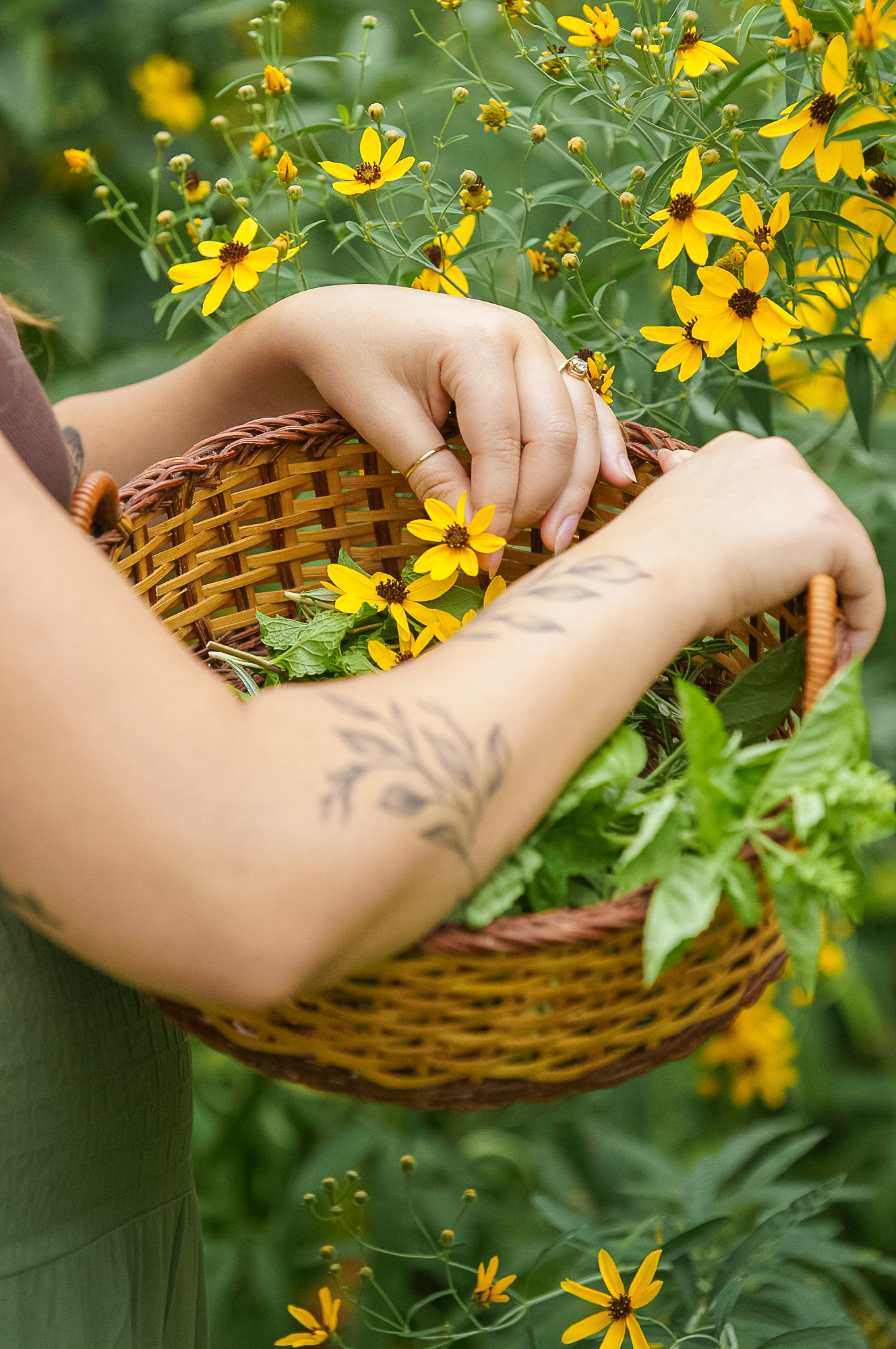
By studying plants through their life cycles, Buzzalini’s education has fundamentally altered her relationship with time and nature. Observing that certain blooms last for a window as narrow as three weeks instills a deeper mindfulness regarding seasonality.
- Winter: A time for rest, dormancy, and slowing down, mirroring the natural world.
- Summer: A period of expanded energy, high activity, and peak harvest.
This cyclical approach challenges the relentless year-round productivity demanded by modern capitalist structures, offering an alternative framework for mental and physical well-being.
3. The Commercialization of Botanical Wellness
As digital platforms like Wise Witch Herbs demonstrate, consumer demand for transparent, naturally derived products is surging. People want to know where their skincare ingredients come from, how their tinctures are made, and who grew the herbs in their teas. By combining rigorous clinical training with accessible digital education, modern herbalists are uniquely positioned to meet this demand, transforming ancient remedies into trusted contemporary staples for home and community care.
Conclusion
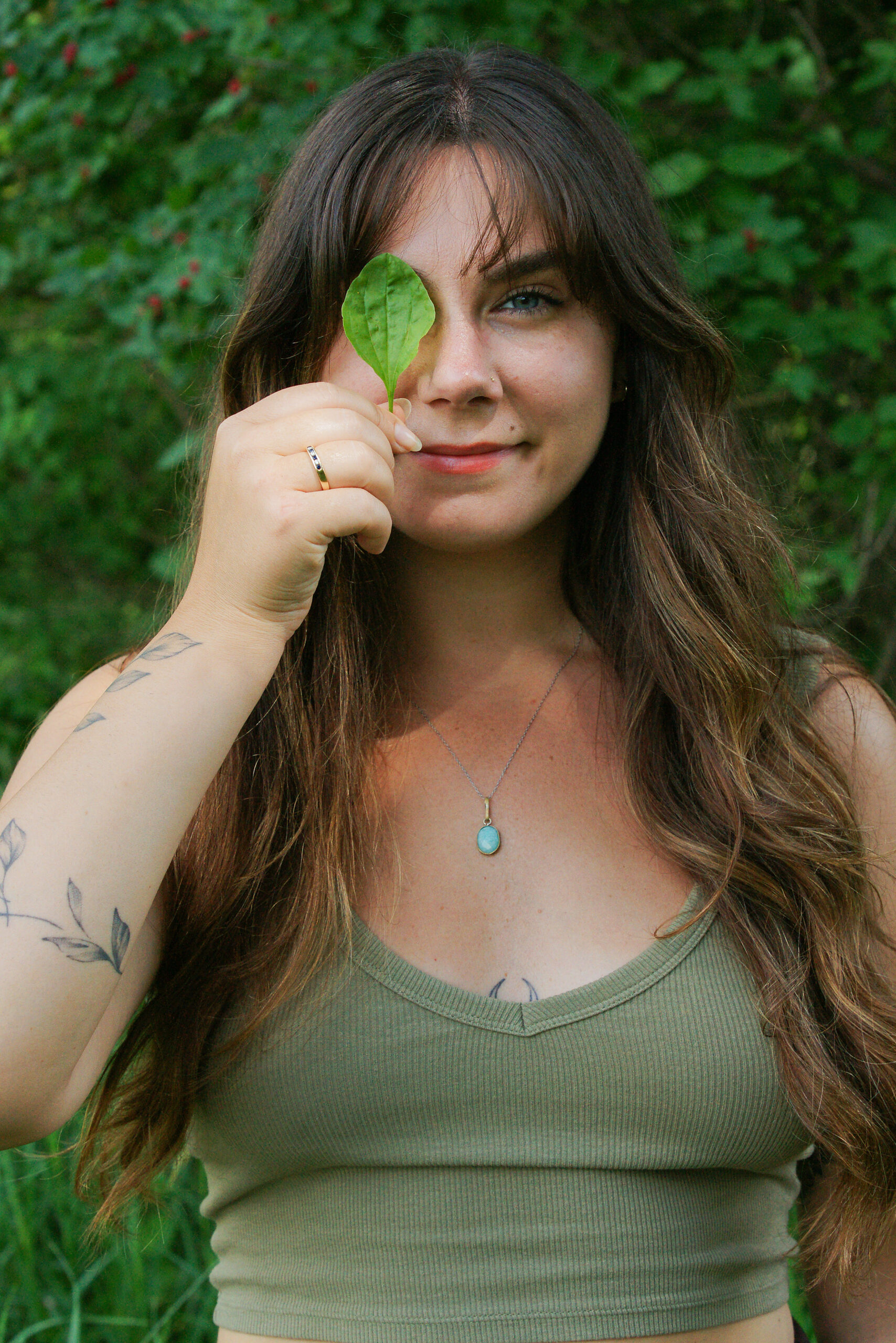
Victoria Buzzalini’s journey underscores a powerful truth: healing often begins when we step outside conventional boundaries and look back toward the earth. Whether through crafting botanical skin butters, studying the nutrient-dense energetics of stinging nettle (Urtica dioica), or preparing to launch her clinical practice and tincture line, Buzzalini exemplifies the modern herbalist—grounded in science, deeply attuned to nature, and fiercely dedicated to sharing the forgotten wisdom of plants with the world.