









Main Facts
In the quiet, alpine air of Breckenridge, Colorado, furniture maker Coulton Becker is quietly redefining the intersection of emotional architecture and fine woodworking. As the founder and principal artisan behind Studio Becker, the twenty-something designer operates on a singular, deeply resonant premise: that physical objects should carry as much emotional weight as they do physical utility.
Operating out of his Colorado workshop, Becker specializes in crafting bespoke, heirloom-quality furniture exclusively from premium hardwoods such as walnut, white oak, and maple. Eschewing the fast-paced, disposable cycles of mass-produced commercial furniture, Studio Becker focuses on spare, deliberate collections defined by clean lines, natural materials, and meticulous hand-weaving techniques like traditional Danish cord work.
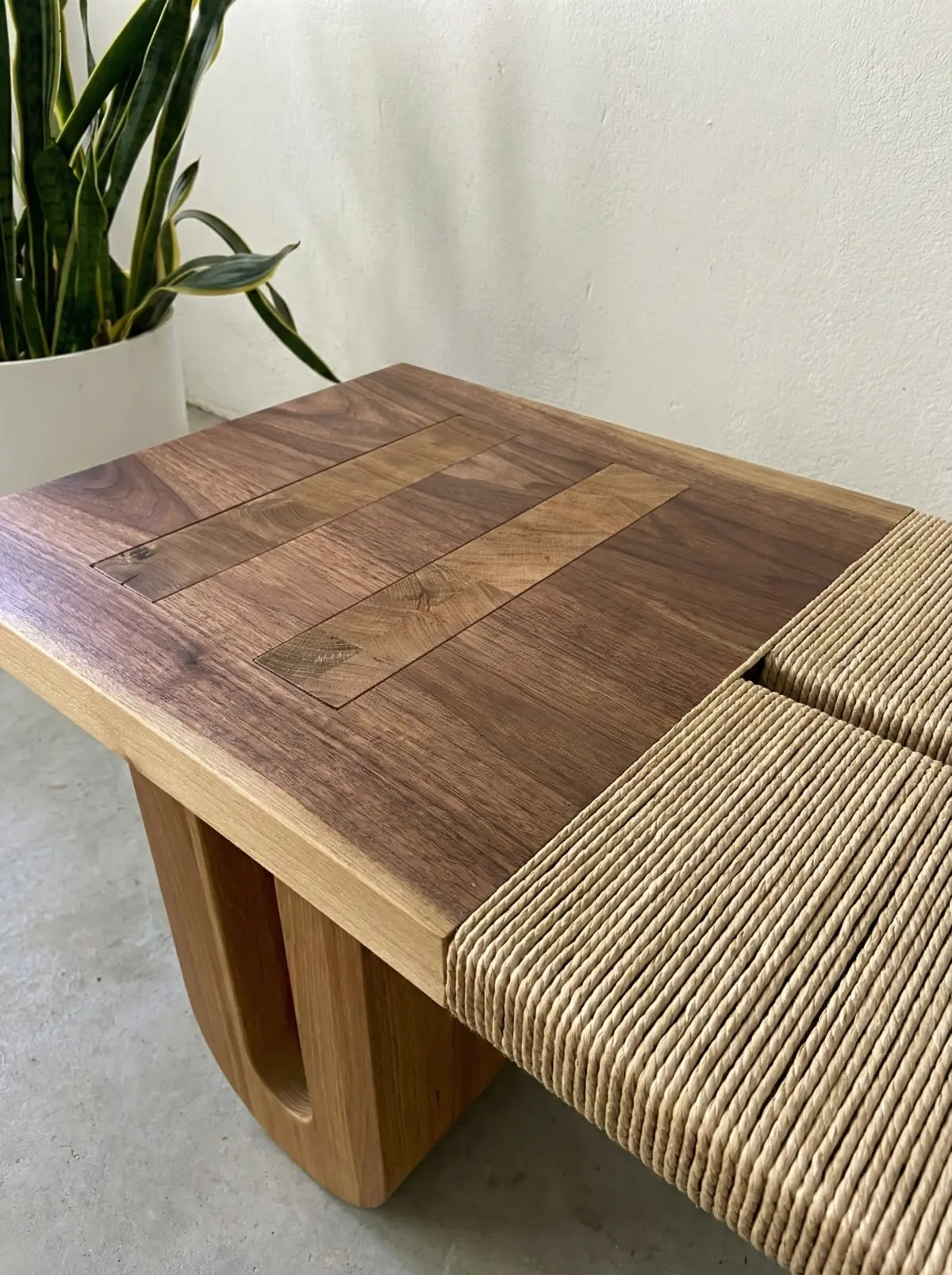
Among his standout creations is the Una Bench, a $4,600 masterwork measuring 60 inches long, 16 inches wide, and 18 inches high. Combining solid hardwood with hand-wrapped Danish cord, the bench encapsulates the studio’s design philosophy: subtle enough to effortlessly integrate into a space, yet striking enough to anchor an entire room.
Studio Becker represents a growing counter-movement in contemporary interior design—one that values the slow, intentional creation of objects that tell a story, serve as anchors for daily life, and outlast fleeting aesthetic trends.

Chronology
The trajectory of Coulton Becker’s life and career is a testament to how personal upheaval can redirect creative ambition.
- 2017–2018 (The University Years): During his sophomore year studying architecture and interior design at the University of Missouri, a profound personal tragedy struck when Becker’s father passed away. At just twenty years old, struggling to process an overwhelming sense of loss, Becker turned to his medium of choice to articulate the inarticulable. He constructed a large-scale memorial piece titled Fluss Ewig—German for "constantly changing." Upon stepping back to view the completed structure, Becker experienced a profound professional and personal awakening, recognizing that his true calling lay in tactile woodcraft and design.
- 2019 (Professional Beginnings): Becker graduated from the University of Missouri with a foundation in architecture and interior design. Shortly after, he relocated to Frisco, Colorado, embarking on a traditional career path designing luxury mountain homes. While the work was prestigious and refined, it served merely as a stepping stone toward a more personal vocation.
- 2020 (The Inception of Studio Becker): As the global pandemic disrupted industries worldwide, Becker faced a moment of reckoning that collapsed the distance between his day job and his true calling. Abandoning conventional design paths, he committed fully to woodworking as a disciplined practice. Studio Becker was officially founded in 2020—an apt genesis for a brand rooted in the idea that physical objects can anchor us during times of profound instability.
- 2021–2024 (Refining the Craft): Seeking to deepen his expertise, Becker relocated to Kansas City to immerse himself in advanced woodworking techniques before returning to Colorado. During these years, his aesthetic evolved: the work grew quieter, more specific, and deeply aligned with his minimalist yet soulful sensibilities.
- 2025–Present (Breckenridge Settlement): Becker permanently established his operations in Breckenridge, Colorado. Today, Studio Becker functions as an independent, highly sought-after design studio offering direct-to-consumer collections and bespoke commissions for discerning clients and interior designers alike.
Supporting Data
The operational framework of Studio Becker is built on uncompromising quality, structural integrity, and sustainable craftsmanship. An analysis of the studio’s materials, dimensions, and economic model highlights its commitment to high-end bespoke manufacturing:
- Material Selection: Exclusively utilizes sustainable, premium North American hardwoods, primarily American walnut, white oak, and hard maple. These materials are selected not only for their initial visual grain and character but specifically for how their patinas evolve over decades of human interaction.
- Signature Piece (The Una Bench):
- Price Point: $4,600 USD.
- Dimensions: 60 inches (Length) x 16 inches (Width) x 18 inches (Height).
- Materials: Solid premium hardwood frame paired with hand-woven Danish cord seating.
- Versatility: Engineered to sit functionally at the foot of a king or queen bed, anchor long residential hallways, or serve as a minimalist statement piece in modern living rooms.
- Production Scale: Zero mass production. Every unit is hand-cut, assembled, and finished individually by Becker in his Breckenridge studio, ensuring that no two pieces are identical.
- Digital Footprint & Accessibility: The brand maintains an active digital presence through its official platform (studiobecker.design) and engages a global audience of design enthusiasts via Instagram (@studio.becker). Additionally, Studio Becker’s work is spotlighted regularly in curated editorial spaces, including Roomhints’ Weekly Studio Visit series.
Official Responses
While young in its corporate lifespan, Studio Becker’s philosophy is deeply articulated through the foundational words and reflections of its founder.
Reflecting on the pivotal moment that launched his career, Coulton Becker recalls the completion of his father’s memorial:

"The moment I took a step back from the completed memorial, I realized my passion for design and woodcraft." That piece, Fluss Ewig, remains the conceptual blueprint for everything the studio produces today.
Articulating the core ethos that drives his daily craftsmanship, Becker emphasizes the emotional dimension of tangible goods:
"Physical objects often have a meaning and emotion associated with them, and that’s what I aim to instill in every piece I work on."
By treating furniture as a medium for memory and emotional resonance, Becker rejects the sterile, commodified nature of modern mass-market retail. In official statements and client communications, Studio Becker positions its portfolio not merely as home furnishings, but as generational investments that participate directly in the domestic lives of their owners.

Implications
The rise of independent studios like Coulton Becker’s highlights a broader, significant shift within the contemporary design, architecture, and home-goods industries.
1. The Counter-Movement to Fast Furniture
For decades, the consumer market has been dominated by flat-pack, mass-produced furniture engineered for rapid turnover and low cost. Studio Becker represents a direct rejection of this disposable culture. By championing slow craft, locally sourced hardwoods, and traditional joinery techniques, artisans like Becker demonstrate that there is a thriving, resilient market for items built to last multiple lifetimes. This shift mirrors the "slow food" movement, translating ethical, sustainable, and transparent production values into the domestic sphere.
2. Emotional Sustainability in Architecture and Interior Design
Interior design is increasingly moving away from hyper-trendy, highly curated aesthetic cycles toward spaces that prioritize mental well-being and psychological comfort. Becker’s concept of "intangible design"—infusing physical objects with memory, feeling, and history—suggests that our homes are psychological shelters. When a bench or a table carries a deliberate narrative or is crafted with visible human care, it changes how inhabitants interact with their environment, fostering a deeper sense of grounding and place.
3. The Renaissance of Regional American Craftsmanship
The migration of skilled makers out of major metropolitan hubs into scenic, nature-adjacent regions like Breckenridge, Colorado, points to a decentralization of the American design industry. No longer do avant-garde creators need to base themselves in New York, Milan, or Los Angeles to command international attention. Through digital connectivity, direct-to-consumer websites, and curated editorial partnerships (such as features on platforms like Roomhints), regional artisans can reach global collectors while remaining deeply connected to the natural landscapes that inspire their work.

Ultimately, Studio Becker proves that when design is rooted in genuine human experience—be it grief, resilience, or the quiet beauty of an alpine morning—it transcends functional utility to become a lasting form of art.