






In an era defined by constant digital connectivity and fast-paced consumerism, a growing counter-movement has taken root in kitchens and craft rooms worldwide. From sourdough baking to plant-based textile dyeing, hobbyists are increasingly turning to tactile, slow-craft practices as a therapeutic antidote to modern stress. Among these, artisanal soap making has emerged as a frontrunner, blending chemistry, artistry, and mindful relaxation.

Now, DIY enthusiasts are taking craft-room creativity to the next level by recreating luxury cosmetic cult-favorites at home. Leading the trend is a viral copycat recipe for Lush’s iconic "Snow Fairy" soap—a festive, vibrant pink, peppermint-infused creation that promises luxury hydration without the luxury price tag.

The Chronology of a Craft: From Quick Fix to Meditative Routine
The journey toward independent soap crafting often begins with a desire for simplicity. For many makers, traditional cold-process soap making—which involves handling lye and waiting weeks for bars to cure—serves as the ultimate exercise in slowing down. However, the time-intensive nature of cold-process batches doesn’t always fit into a busy weekly schedule.

Enter the world of "melt and pour" soap bases. Offering a streamlined alternative without sacrificing skin-nourishing benefits, melt-and-pour techniques have democratized artisanal soap crafting.

- Phase One: Pre-Planning and Preparation (Day Minus One): Experts recommend creating embedded geometric or festive shapes—such as stars or abstract blocks—a day or two in advance. This ensures the foundational elements are completely set and structurally sound before the main assembly.
- Phase Two: The Core Assembly (3 to 4 Hours): The multi-layered production process requires patience. Because each layer must cool partially before supporting subsequent pours, makers often set aside an afternoon, utilizing the downtime to listen to podcasts or read.
- Phase Three: Setting and Curing (2 Hours to Overnight): Once the loaf mold is completely filled and cooled, it requires a minimum of a few hours—or an overnight rest—before it can be safely un-molded and sliced into uniform, 1-inch bars.
Supporting Data & Formulation: The Science Behind the Luxury Dupe
Replicating a high-end cosmetic product requires more than just matching its aesthetic; it demands a carefully curated ingredient profile designed to pamper the skin. The DIY Snow Fairy copycat relies on a strategic blend of heavy-duty moisturizers and soothing botanicals to combat seasonal dryness.

Key Components of the Recipe:
- Shea Butter & Glycerin Melt-and-Pour Bases: These dual bases form the structural foundation of the soap. Shea butter delivers rich, deep conditioning, while glycerin draws moisture to the skin, keeping it supple during harsh winter months.
- Rice Bran Oil: Packed with antioxidants and fatty acids, this lightweight oil protects skin barriers and enhances lather richness.
- Aloe Vera Gel: Known for its cooling and anti-inflammatory properties, aloe vera actively soothes dry, irritated skin.
- Peppermint Essential Oil: Replacing synthetic fragrances with pure essential oils yields a crisp, awakening, and festive aroma suitable for holiday gifting or everyday self-care.
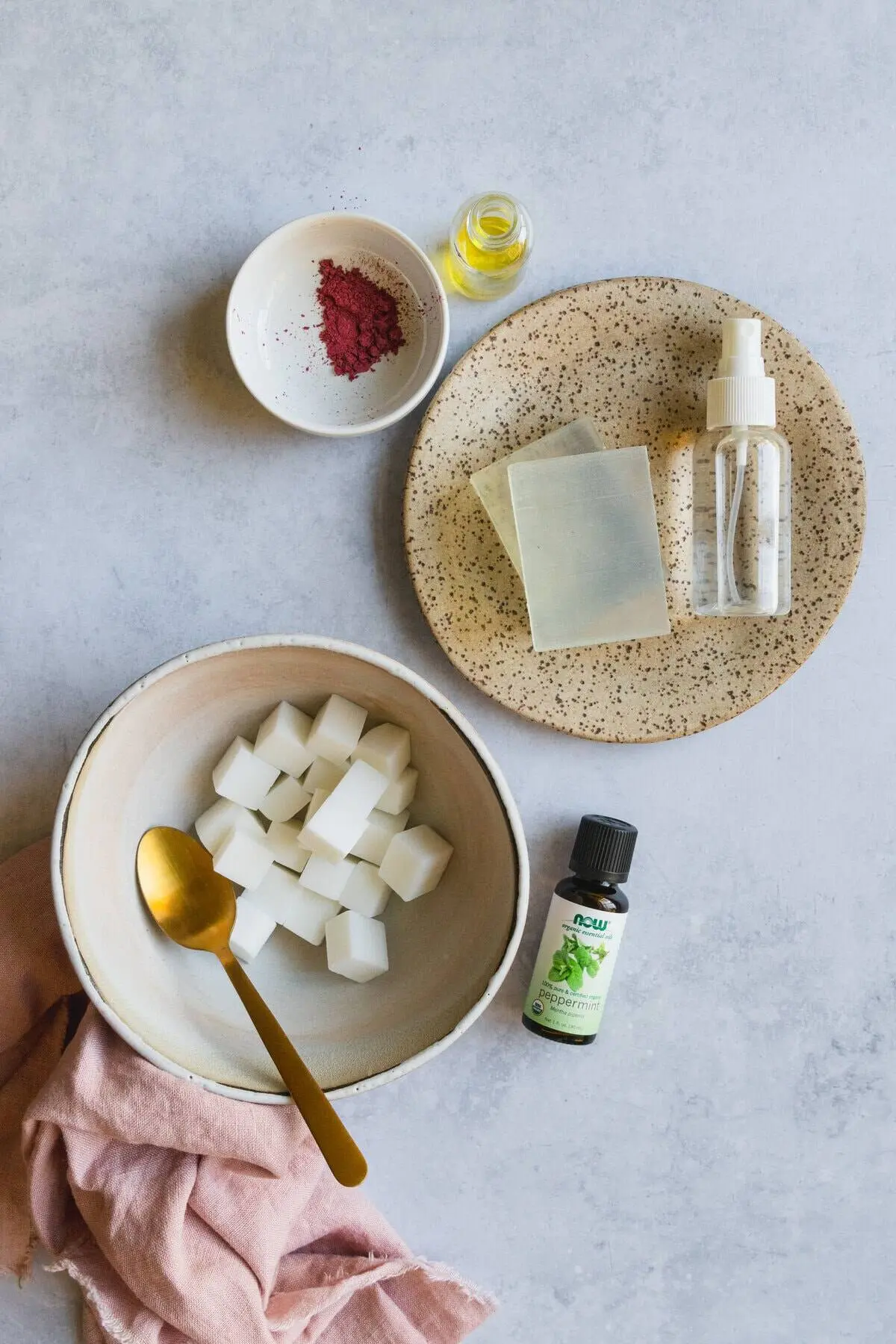
- Pink Mica Powder: A mineral-based colorant provides the signature vibrant pink hue reminiscent of commercial counterparts.
Essential Equipment Checklist:
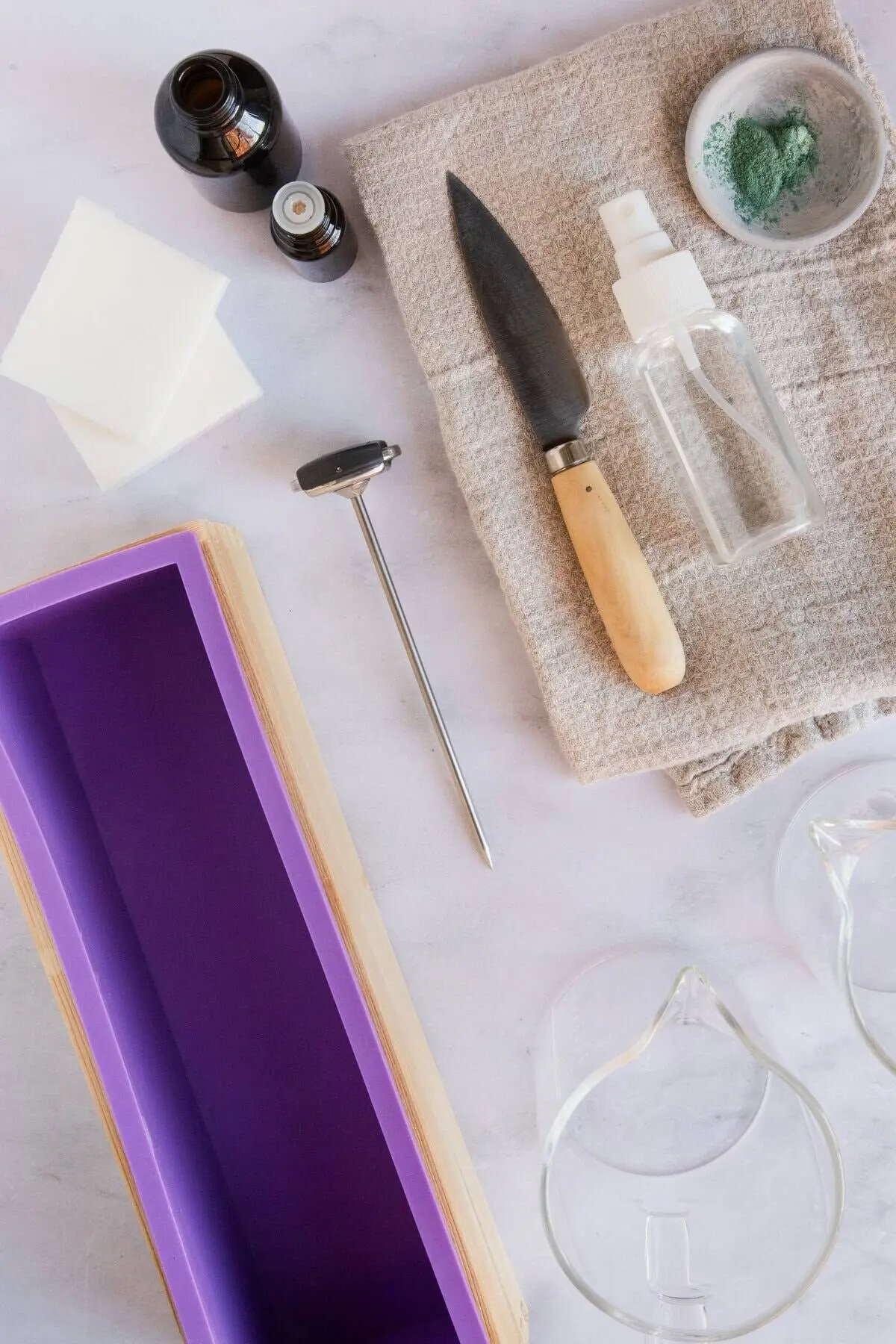
To achieve professional-looking results, makers utilize a specific suite of tools:

- Clear and opaque shea butter melt-and-pour soap bases
- Column or rectangular silicone soap molds (or upcycled cardboard milk cartons as an eco-friendly alternative)
- Microwave-safe measuring bowls
- A digital infrared thermometer (crucial for monitoring the ideal 140°F–145°F pouring temperature)
- A spray bottle filled with 99% rubbing alcohol (essential for eliminating surface bubbles and securing interlayer adhesion)
Step-by-Step Execution: Precision Meets Artistry
Crafting a multi-dimensional loaf featuring embedded shapes requires adherence to specific technical parameters.

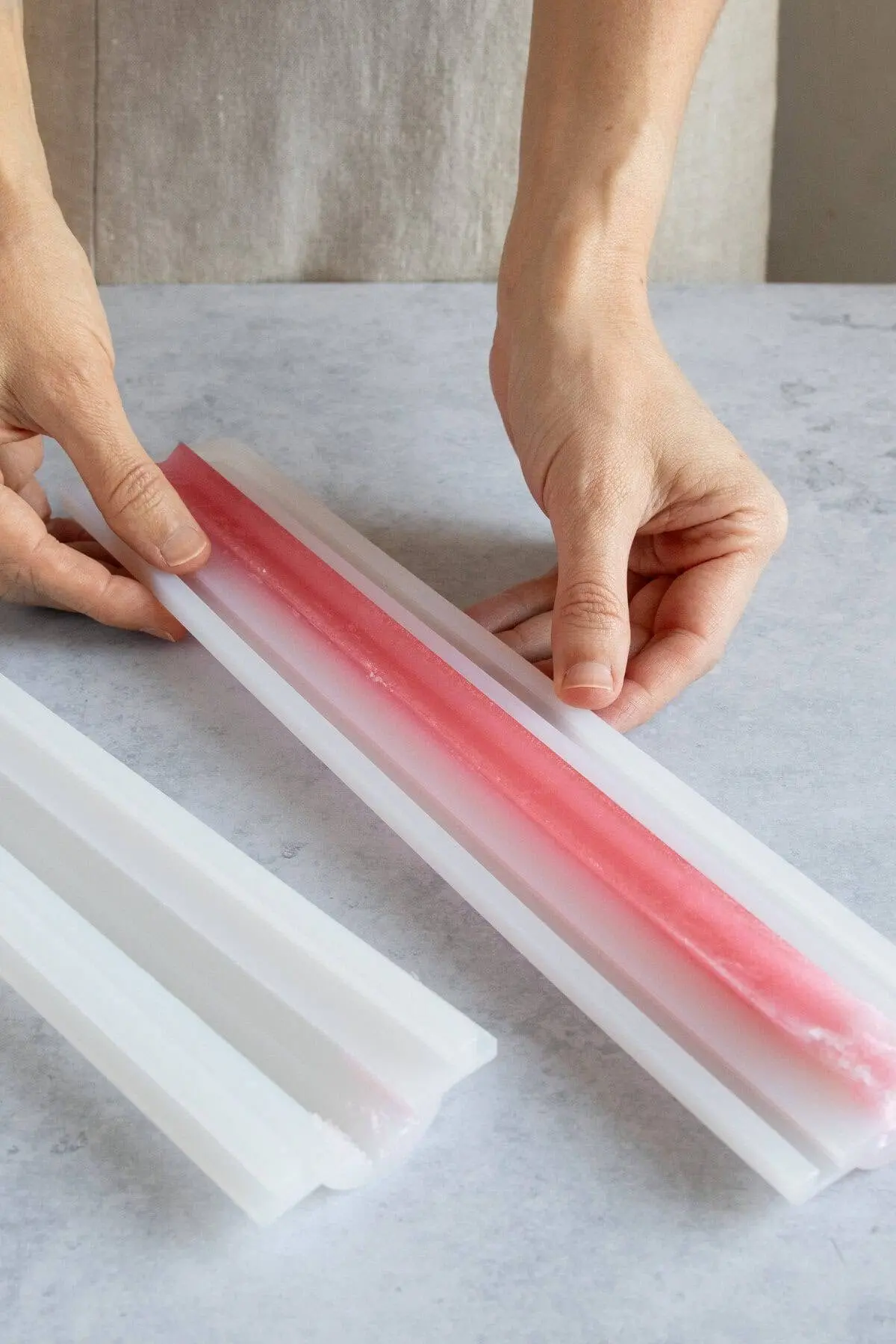
- Melting and Coloring the Clear Base: Chunks of clear melt-and-pour base are heated in a microwave-safe container in 30-second increments. A fraction of a teaspoon of pink mica powder is whisked in before pouring the liquid into a star-shaped column mold supported by a cookie sheet.
- Harvesting Embedded Shapes: Excess clear soap is poured into a shallow layer of a rectangular mold, later cut into geometric squares and triangles. Once cooled for an hour, the star column and geometric pieces are carefully extracted.
- Preparing the Shea Base: The shea butter soap base is melted, then blended with peppermint oil, rice bran oil, aloe vera gel, and a touch more pink mica for a softer pastel pink exterior.
- Layering and Bonding: Temperature control is paramount. If the outer white and pink shea bases are poured above 145°F, they will melt the pre-made embedded shapes. Conversely, if poured too cool, the layers will fail to bond. Between each layer, makers must spritz the surface liberally with rubbing alcohol to dissipate air bubbles and weld the segments together.
- Final Slicing: After the loaf has set completely, it is un-molded and sliced using a sharp blade into professional-grade, 1-inch thick bars.
Industry and Artisan Perspectives
While major commercial cosmetics brands maintain proprietary formulas for flagship products like Snow Fairy, the exploding popularity of independent "dupe culture" highlights a significant shift in consumer behavior. Beauty enthusiasts are no longer content with passive consumption; they want to understand the lifecycle of their products, customize ingredients to suit sensitive skin, and minimize packaging waste.

Crafting experts emphasize that melt-and-pour projects offer an accessible entry point for aspiring entrepreneurs and home-crafters alike. "There is a profound psychological benefit to manual labor that results in a functional, beautiful object," notes one independent soap artisan. "When you control the ingredients, you eliminate harsh synthetic detergents, phthalates, and unnecessary plastics."

Implications for Consumers and the DIY Market
The rise of high-end cosmetic dupes signals broader economic and lifestyle shifts.

- Cost Efficiency: Commercial holiday specialty soaps can command high price tags per bar. Sourcing raw materials in bulk allows home hobbyists to produce batches at a fraction of the retail cost, making artisanal items accessible for holiday gifting.
- Personalization & Skin Health: Mass-market formulations often rely on cheap foaming agents like sodium lauryl sulfate (SLS), which can strip the skin of natural oils. By substituting commercial bases with shea butter, aloe, and natural plant oils, consumers can tailor formulations to address specific dermatological concerns such as eczema or chronic winter dryness.
- Storage and Shelf Life Longevity: Properly managed, melt-and-pour soaps have a robust shelf life. When wrapped tightly in parchment paper and stored in a cool, dark, and dry environment—or sealed in plastic bags within a refrigerator for long-term storage—these handcrafted bars maintain their structural integrity, color, and fragrance profile for up to a full year.
As consumers continue to seek comfort in the analog and sustainable, the kitchen-crafted luxury soap trend proves that slowing down can smell just as sweet as any high-end boutique purchase.