





By The Wild Hunt
Published: August 16, 2026
Main Facts
In an era dominated by algorithmic echo chambers, digital outrage, and the pervasive white noise of social media, contemporary pagan, magical, and occult communities face a growing crisis of connection. According to a recent commentary by British occultist, sorcerer, and event director Sef Salem, the traditional health of esoteric traditions relies heavily on something increasingly rare in the modern age: face-to-face, physical interaction.
Drawing upon decades of personal experience within the United Kingdom’s occult and pagan landscapes, Salem argues that digital platforms—while useful for initial outreach—have largely devolved into breeding grounds for bad-faith actors, bot-driven polarization, and manufactured controversy. In response to this digital decay, Salem champions a return to physical, in-person gatherings, moots, and conferences.
This call to action coincides with a significant milestone for Western esoteric history: the 40th anniversary of the International Thelemic Symposium. Established in Oxford in 1986, the symposium serves as a primary case study for how physical gatherings can bridge sectarian divides, bringing together historically fractious groups—such as Thelemites, Wiccans, Druids, and ceremonial magicians—to foster genuine dialogue, respectful disagreement, and shared community.
Chronology: A History of Sectarian Convergence and Modern Gathering
To understand the weight of Salem’s observations, it is necessary to examine the historical trajectory of British occultism over the past century, tracing how discrete magical currents evolved from isolated orders into a vibrant, albeit complex, physical community.
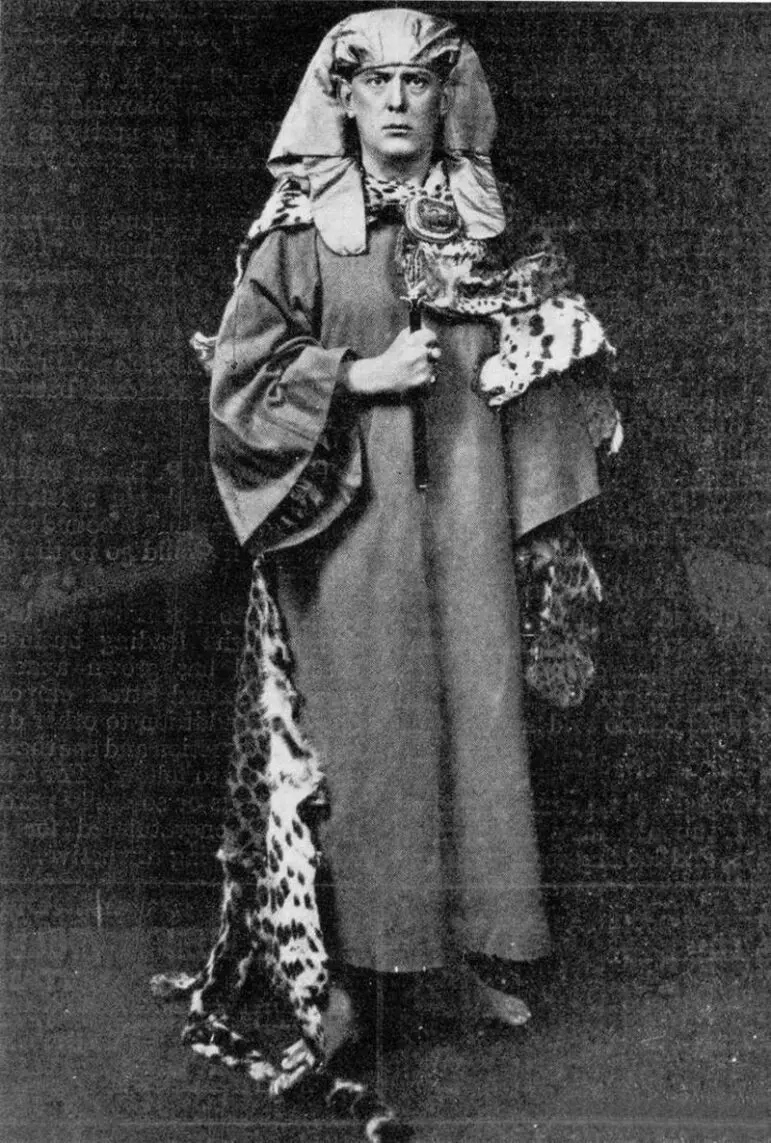
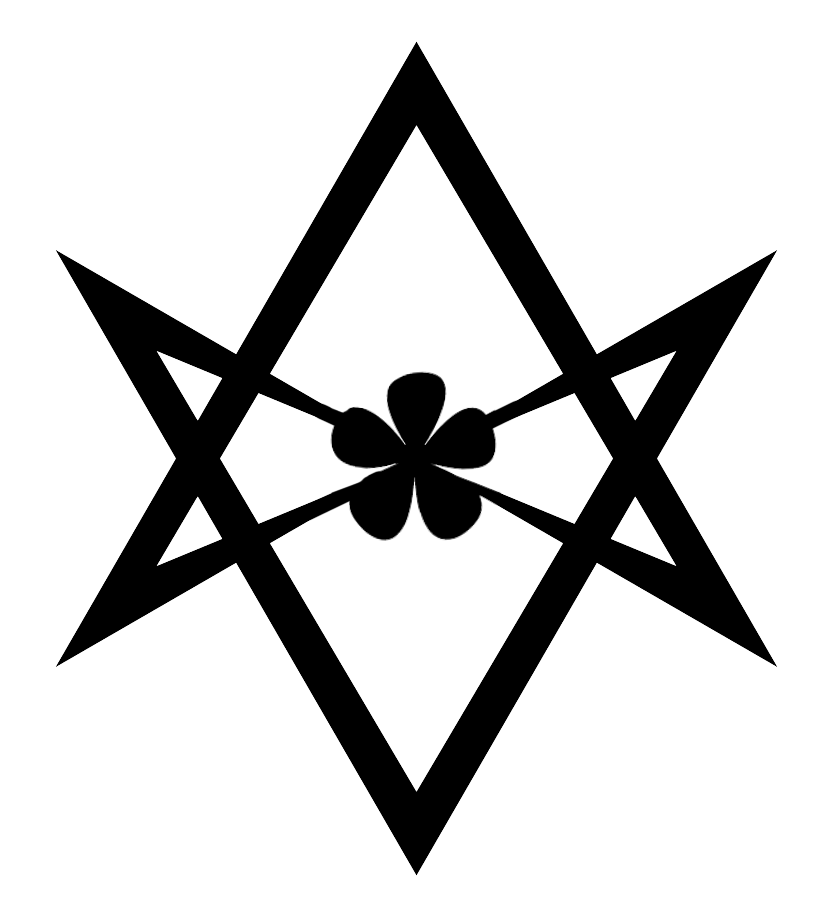
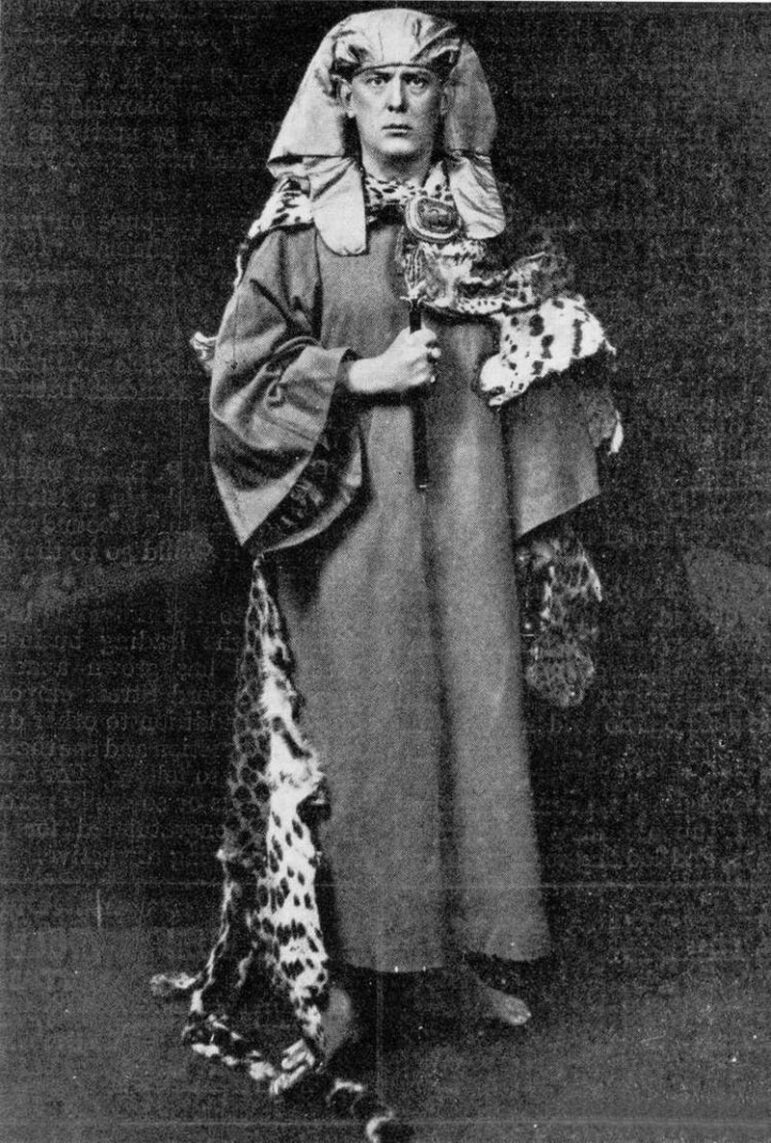
- 1904: The British occult landscape is fundamentally altered when writer and mystic Aleister Crowley receives Liber AL vel Legis (The Book of the Law), laying the foundational text for the religious and philosophical system known as Thelema. Its central tenets—"Do what thou wilt shall be the whole of the Law," "Every man and every woman is a star," and "Love is the law, love under will"—would go on to heavily influence twentieth-century esotericism, including Wicca, the Illuminates of Thanateros (IOT), and English Qabalah.
- Mid-20th Century: Following Crowley’s death, the Thelemic current fragments into numerous competing claimant groups, offshoots, and autonomous orders, including the Ordo Templi Orientis (OTO) and the A∴A∴. Sectarian rivalries and ideological silos characterize the post-war occult scene.
- October 11, 1986: A watershed moment occurs in Oxford. Spearheaded by Mogg Morgan—author and owner of Mandrake of Oxford Publishing—and hosted by the Oxford Golden Dawn Occult Society, a massive gathering is organized to mark Crowley’s 111th birthday. Eschewing factionalism, the event invites practitioners from across the entire spectrum of Thelemic and Western mystery traditions. Figures such as Jake Stratton-Kent, David Rankine, Genesis P-Orridge, Julian Vayne, Lionel Snell, Mike Magee, Ray Sherwin, Frater UD, and Michael Staley meet, debate, and exchange physical contact information in the pre-internet era.
- 2005: Sef Salem enters the broader UK conference circuit, attending early meet-ups for WiccaUK and the Awakening Conference in Manchester. This period marks the beginning of an era of unprecedented cross-pollination among British magical traditions.
- 2011–2018: Salem expands his footprint in the community, engaging with the Grimoire Gathering in Clun, the Pleasuredome in Brighton, and eventually taking over the directorship of the Glastonbury Occult Conference from 2014 to 2018.
- 2023–Present: Recognizing a post-pandemic and digitally fragmented cultural climate, Salem steps back into event leadership, assisting the Glastonbury committee and collaborating with Mogg Morgan to spearhead a reimagined, contemporary iteration of the Thelemic Symposium. The movement celebrates its 40th-anniversary milestone in 2026, standing as a living monument to inter-tradition cooperation.
Supporting Data & Context: The Anatomy of Modern Esoteric Communities
The structure of occult and pagan communities has undergone a seismic shift over the last quarter-century. Data regarding online behavior versus physical participation highlights a stark contrast in the quality of community engagement.
The Traditional "Moots" vs. The Digital Algorithm
Historically, British occultism thrived on the "moot"—informal, local pub gatherings where practitioners of disparate paths could sit at the same table. Growing up in the Manchester pagan scene of the late 1990s and early 2000s, Salem notes that a single room could simultaneously house members of the OTO, the IOT, the Order of Bards, Ovates and Druids (OBOD), Santeria practitioners, and traditional witches.
This physical proximity forced a unique code of conduct:

- Immediate Accountability: In a face-to-face environment, extreme rhetoric or bad-faith posturing is immediately tempered by the social consequences of disrespect.
- Robust, Respectful Debate: Disagreements regarding cosmology, ritual, or history were common, but participants were required to justify their positions thoughtfully.
- Cross-Pollination of Knowledge: Apprentices and seasoned adepts alike could cross ideological boundaries, learning practical sorcery, history, and philosophy outside the strict confines of a single lodge or coven.
The Cost of Digital Migration
In contrast, modern digital spaces—ranging from legacy Facebook groups to hyper-specific subreddits—foster an environment where algorithms reward outrage. According to Salem’s critique:
- Anonymity Breeds Hostility: The lack of physical presence removes empathetic barriers, leading to hyper-fixation on doctrinal purity and online brigading.
- Artificial Noise: The proliferation of AI-generated content, automated bots, and viral outrage bait has drowned out nuanced magical discourse.
- The Illusion of Community: While digital platforms excel at global reach, they frequently trap users in echo chambers that emphasize division over shared spiritual values.
Official Perspectives and Expert Commentary
Sef Salem’s reflections offer a rare insider-analyst perspective on the state of contemporary Western esotericism. As Co-Founder of the ritual group Societas Astris and Director of The Visible College—a UK-based not-for-profit hosting educational events—Salem’s livelihood and spiritual ethos are deeply invested in physical gathering spaces.
"What are we to do when the signal of occult and pagan discourse is lost in the noise of the digital age?" Salem poses, identifying the core malady of twenty-first-century esoteric communication. "With the rise of echo chambers, outrage-manufacturing polemicists, and bad-faith actors pushing messages of division and discord, I suggest we consider the value of in-person connection to maintain our community bonds in a trying time."
Reflecting on his formative years within the diverse magical networks of Manchester, Salem emphasizes that the friction of diverse perspectives is essential for spiritual growth:

"You could walk into a moot and meet members of OTO, IOT, the Order of Bards, Ovates, and Druids, practitioners of Santeria or Traditional Witchcraft, and a panoply of eclectic witches and magicians… If you had a question, it could be answered; and if you wanted an argument, it was always available! However, you would have to argue with respect and justify your position, because that’s how face-to-face discourse works."
While acknowledging the utility of modern technology—such as streaming platforms that allow house-bound or disabled practitioners to access lectures remotely—Salem draws a hard line against digital substitution for physical reality:
"We are not built to live in tiny boxes staring at glass screens and buying into the disgust and outrage of others. We are built to connect with people, understand each other, and find common ground."
Implications for the Future of Occult and Pagan Culture
The arguments put forth by Salem carry profound implications for the future direction of the global occult, neopagan, and alternative spirituality movements as they navigate the mid-2020s.
1. The Necessity of Ecumenical Resilience
As traditional religious institutions continue to decline in the West, alternative spiritualities have absorbed millions of seekers looking for meaning, community, and autonomy. However, without centralized hierarchies, these movements are uniquely vulnerable to ideological fracture. Events like the International Thelemic Symposium and the Glastonbury Occult Conference demonstrate that intentional, cross-tradition gatherings can act as stabilizing anchors, reminding practitioners that their shared commitment to esoteric exploration outweighs minor doctrinal differences.
2. Physical Decentralization as a Political and Social Act
In an age where physical spaces for counter-cultural gathering are increasingly monetized, regulated, or lost to economic pressures, organizing physical conferences, moots, and workshops becomes an act of cultural preservation. Exchanging physical mailing addresses and phone numbers—practices reminiscent of the pre-internet occult underground—may soon become a necessary redundancy against the instability of centralized digital platforms.
3. Reclaiming the "Magick" of Human Intercourse
Ultimately, Salem’s thesis posits that the core of Western esotericism is fundamentally relational. Whether viewed through a psychological lens or as an interaction with objective spiritual forces, magic requires intent, presence, and shared energy.
As the 40th anniversary of the Thelemic Symposium proves, when the digital bluster and bravado of internet anonymity are stripped away in a physical room, the true signal of esoteric community emerges. For modern pagans and occultists looking to survive the noise of the digital age, the path forward may require looking backward—stepping away from the screen, finding the others, and meeting face-to-face on the physical plane.