





GLOBAL CRAFT & LIFESTYLE DESK — As the holiday season approaches, consumers are increasingly pivoting away from mass-produced commercialism in favor of thoughtful, handmade creations. Among the breakout trends capturing the attention of lifestyle bloggers, artisan crafters, and holiday shoppers alike is the "DIY Gift Box Soap." Designed to mimic miniature, beautifully wrapped presents complete with delicate gold ribbons and intricate soap-curl bows, these whimsical bath products have quickly become the quintessential holiday DIY project.

Combining accessibility with striking visual appeal, the trend underscores a broader cultural shift toward intentional gift-giving, budget-conscious simplicity, and the therapeutic benefits of hands-on crafting.

Main Facts: The Anatomy of a Holiday Phenomenon
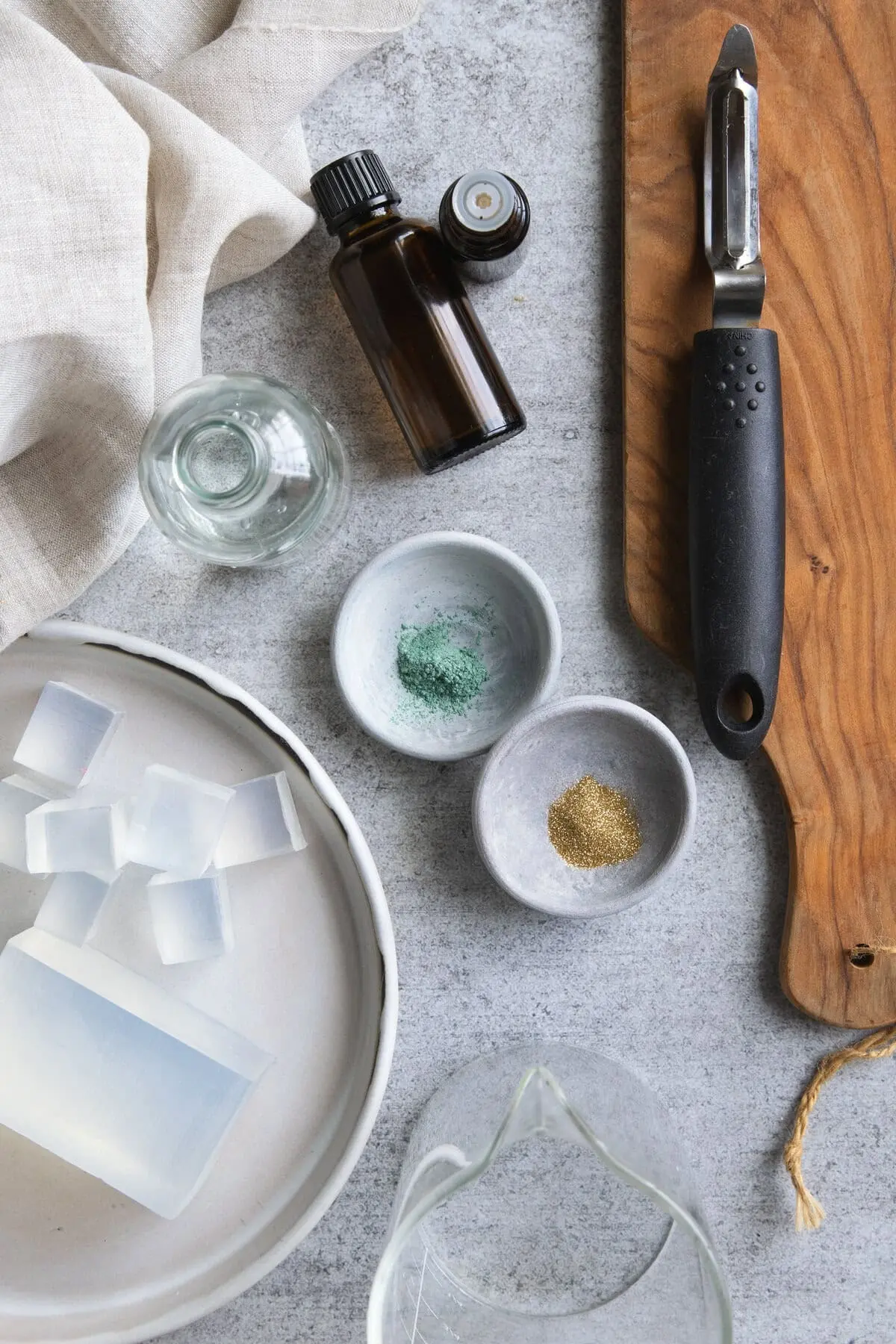
The DIY Gift Box Soap trend is built upon a clever marriage of design and accessible chemistry. Utilizing a melt-and-pour soap base combined with cosmetic-grade mica powders and natural essential oils, these soaps require no prior soap-making experience or specialized industrial equipment.

Key Elements of the Trend:
- The Concept: Soaps cast in square molds to resemble wrapped packages, topped with contrasting ribbon strips and clustered soap-curl "bows."
- The Medium: Melt-and-pour soap base, valued by crafters for its safety, ease of handling, and rapid cooling times.
- The Aesthetic: Highly customizable color palettes (such as festive reds and blues paired with metallic gold accents) that elevate a simple hygiene product into a luxury bath accessory.
- The Cost-Efficiency: Producing a batch of artisanal soaps remains remarkably economical, with average material costs hovering around $10 per batch, making it an attractive option for budget-minded holiday shoppers.
According to lifestyle experts, the project strikes the elusive balance between professional-looking craftsmanship and beginner-friendly execution. "There is an inherent satisfaction in giving handmade gifts during the holidays," notes craft developer and designer Stephanie Pollard. "These soaps look like tiny wrapped presents, but they are super easy to whip up, even if you don’t consider yourself a ‘crafty’ person."

Chronology: A Step-by-Step Artisanal Process
Creating these miniature masterpieces requires patience, precision, and a structured approach. Because melt-and-pour soap cools rapidly, successful execution depends on a carefully timed workflow divided into three distinct phases.

Step 1: Crafting the Ribbons
The process begins with the structural details that give the soap its "gift box" illusion.

- Cutting the Base: Crafters begin by dicing 3 ounces of clear melt-and-pour soap base into manageable 1-inch cubes, placing them into a microwave-safe measuring container.
- Melting and Coloring: The base is melted in 30-second increments, stirring gently between bursts to avoid overheating. Gold mica powder is thoroughly whisked into the liquid to create a metallic sheen.
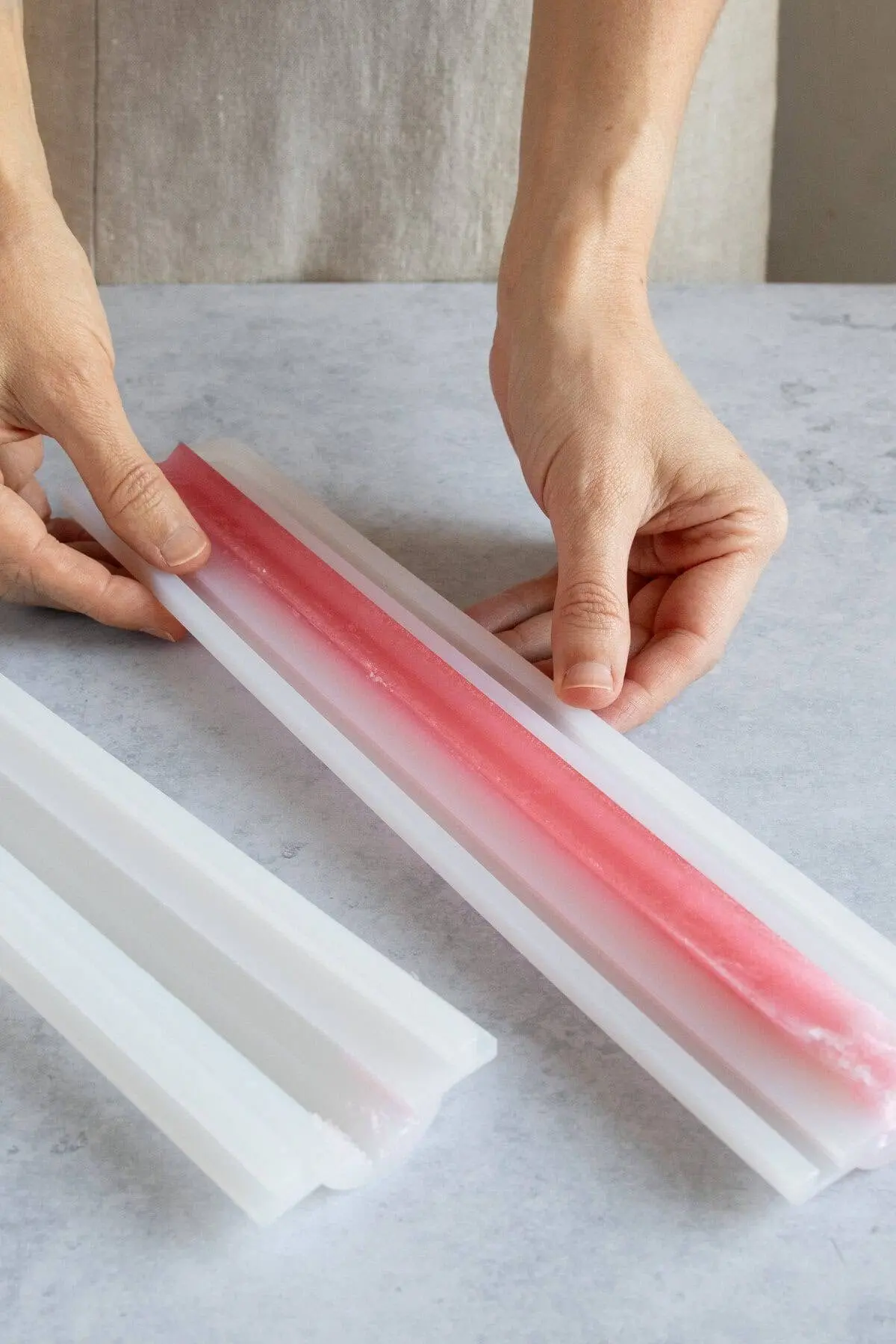
- Molding Strips and Blocks: Approximately 0.5 ounces of the gold mixture is poured into a shallow mold compartment to form a thin square (later cut into ribbon strips). The remaining soap is poured into a separate, thicker block, which will later yield the decorative curls.
- Assembly Prep: Once hardened, the thin square is sliced into four uniform strips. Two strips are layered into a cross or "plus sign" pattern, with overlapping centers trimmed to ensure they lie flat at the bottom of the main mold.
Step 2: Casting the Boxes
To prevent the delicate gold ribbons from floating or shifting during the pour, the soap "boxes" require a meticulous two-stage pouring method.

- Preparing the Main Base: Approximately 4 ounces of clear soap base is melted, tinted with the crafter’s choice of holiday colorant (such as a rich ruby red), and infused with a preferred essential oil for fragrance.
- The Anchor Pour: After allowing the liquid to cool to approximately 140°F—ensuring it won’t prematurely melt the underlying ribbons—the gold strips are pressed firmly into the bottom of the primary mold. Just enough red soap is poured to submerge and anchor the strips.
- Surface Perfection: Crafters spritz the surface with rubbing alcohol to eliminate air bubbles before allowing the initial anchor layer to set.
- Final Fill: Once the base layer firms up, another light mist of alcohol is applied to ensure adhesion, and the remaining colored soap is poured to fill the mold entirely.
Step 3: Engineering the Soap Curls
The defining feature of the gift box soap is its dimensional bow, constructed entirely out of soap shavings.

- Shaving the Block: Using an ordinary kitchen vegetable peeler, the crafter shaves delicate ribbons from the thick gold block reserved in Step 1.
- Shaping the Bow: If the shavings do not naturally curl upon peeling, they are gently rolled by hand to form dynamic, ribbon-like loops.
- Cluster Assembly: Approximately 1 ounce of clear soap is melted in a small bowl. By dipping the base of each curl into the warm liquid, crafters can anchor and stack the pieces atop the main soap box, building a clustered, multi-dimensional bow. For added structural integrity, a final drizzle of clear soap can be poured over the completed cluster to form a protective, glossy shell.
Supporting Data: The Rise of Handcrafted Gifting
The surging popularity of DIY bath and body projects reflects broader economic and consumer behavior data observed heading into the late-year retail season.

- The Shift to Experience and Sentiment: Market analyses consistently show that post-pandemic holiday shopping trends favor personalized, consumable, or experiential gifts over traditional commercial goods. Handcrafted bath products bridge this gap, offering a luxury spa experience packaged in a sentimental format.
- Material Accessibility: The melt-and-pour soap market has experienced steady double-digit growth over the past five years, driven by e-commerce platforms that supply pre-made glycerin bases, cosmetic-grade micas, and silicone molds directly to hobbyists.
- Time Investment vs. Return: While a batch requires approximately 1 hour of active prep time, the required 4-hour cooling window allows creators to mass-produce multiple units efficiently. A standard batch yields two highly detailed bars, making it scalable for larger holiday gift-giving lists.
Official Recommendations and Industry Insights
Professional soapmakers and home-crafting authorities emphasize that mastering melt-and-pour projects relies heavily on environmental controls and proper post-production handling.

Pro Tips from Artisans:
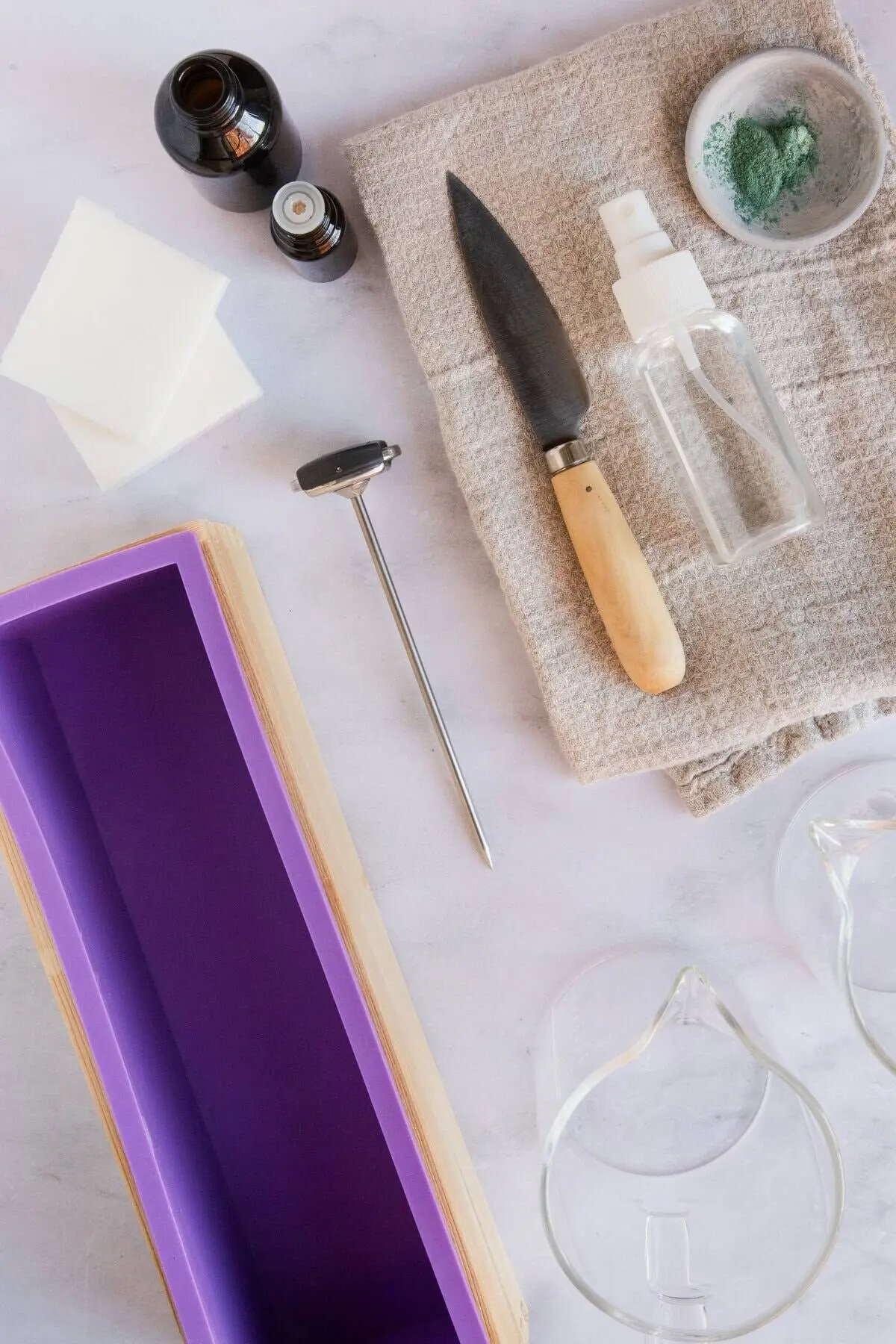
- Workflow Management: Because melt-and-pour bases form a thin skin rapidly upon cooling, experts advise prepping all tools, colors, and molds prior to heating any ingredients. Speed and organization are essential for a flawless finish.
- Combating "Sweating": Glycerin-based soaps are naturally humectant, meaning they draw moisture from the air, often resulting in unappealing beads of condensation (or "sweating"). Industry experts recommend wrapping each finished soap tightly in plastic wrap immediately after setting.
- Long-Term Storage Protocols: For extended storage, wrapped soaps should be housed in airtight containers supplemented with silica gel packets to absorb ambient humidity. Exposure to direct sunlight should be strictly avoided to prevent vibrant mica colorants from fading over time. If minor condensation does appear prior to gifting, artisans advise unwrapping the bar, gently polishing the surface with a soft, dry cloth, and rewrapping.
Implications: The Therapeutic and Economic Impact of DIY Culture
Beyond the aesthetic appeal of a well-crafted gift box soap, the trend carries significant implications for individual well-being and community craft economies.

From a psychological perspective, engaging in tactile hobbies like soap crafting provides a proven mental health benefit. Psychologists note that repetitive, creative tasks—often referred to as "mindful crafting"—lower cortisol levels and offer a constructive psychological respite from digital fatigue and holiday stress.

Economically, the trend empowers independent creators, small-batch suppliers, and content creators. Tutorials and recipe shares drive substantial engagement across lifestyle blogs and social media platforms, fostering a sense of community among amateur makers who share customized color variations, scent profiles, and troubleshooting tips.

As consumers look for ways to celebrate the season meaningfully without breaking the bank, projects like the DIY Gift Box Soap prove that luxury and thoughtfulness do not require a high price tag. By turning simple household ingredients into miniature works of functional art, crafters are redefining the modern holiday tradition—one lather at a time.