







As the dog days of summer gracefully yield to the crisp, amber mornings of early autumn, a brilliant wave of gold washes over North American meadows, fields, and roadside edges. The stately and beautiful yellow goldenrod (Solidago spp.) stands tall, painting the landscape with vibrant plumes that signal the changing of the seasons. For centuries, herbalists and foragers have looked to this bountiful late-summer herb with reverence, waiting for the precise moment of bloom to harvest its potent aerial parts.
Yet, for decades, this native wildflower has shouldered an unearned reputation. Long blamed for the miserable sneezing, watery eyes, and itchy throats of autumn, goldenrod is actually an innocent bystander in the seasonal allergy saga. In reality, it serves as a powerful botanical remedy against the very symptoms it is so frequently accused of causing.
By taking a closer look at botanical science, traditional herbalism, and accessible kitchen medicine, wellness enthusiasts are discovering how to transform these wild, golden plumes into a simple, two-ingredient tincture designed to soothe the discomfort of seasonal allergies.
Main Facts: Deconstructing the Goldenrod Allergy Myth
To understand the true value of Solidago species during allergy season, one must first dismantle the primary misconception surrounding the plant.
The Real Culprit: Ragweed
Every autumn, millions of people experience a spike in hay fever symptoms. Because goldenrod is conspicuous, bright yellow, and blooms simultaneously with the onset of these allergies, it became an easy visual scapegoat. However, goldenrod is entomophilous—meaning it relies on insects, such as bees and butterflies, for pollination. Consequently, its pollen grains are heavy, sticky, and too large to be carried aloft by the breeze.
The true culprit behind autumn sniffles is wind-pollinated ragweed (Ambrosia spp.). Ragweed produces dull, inconspicuous green flowers that release billions of microscopic, lightweight pollen grains into the air, traveling for miles on the wind straight into human nasal passages. While ragweed hides in plain sight with modest green blooms, goldenrod catches the eye—and undeserved blame.
Goldenrod as an Herbal Ally
Far from triggering respiratory distress, goldenrod acts as an active therapeutic agent against it. In clinical herbalism, Solidago is prized for its specific affinities:
- Toning and Drying: Goldenrod acts as an astringent, helping to tone and dry excessive mucosal tissues. For individuals suffering from a runny nose, post-nasal drip, or sinus congestion, it helps restore balance to damp, boggy tissues.
- Elimination Support: The plant gently supports the body’s natural elimination pathways, particularly through the urinary system and the skin, helping the body process and clear metabolic waste and allergens.
- Anti-Inflammatory Properties: Rich in flavonoids and saponins, goldenrod helps reduce localized inflammation in the respiratory and urinary tracts.
Chronology: From Field Harvest to Autumn Relief
Making a goldenrod tincture is a traditional, straightforward process that bridges late-summer foraging with autumn wellness. Because timing is critical when working with wild plants, a specific seasonal timeline ensures maximum potency and usability.
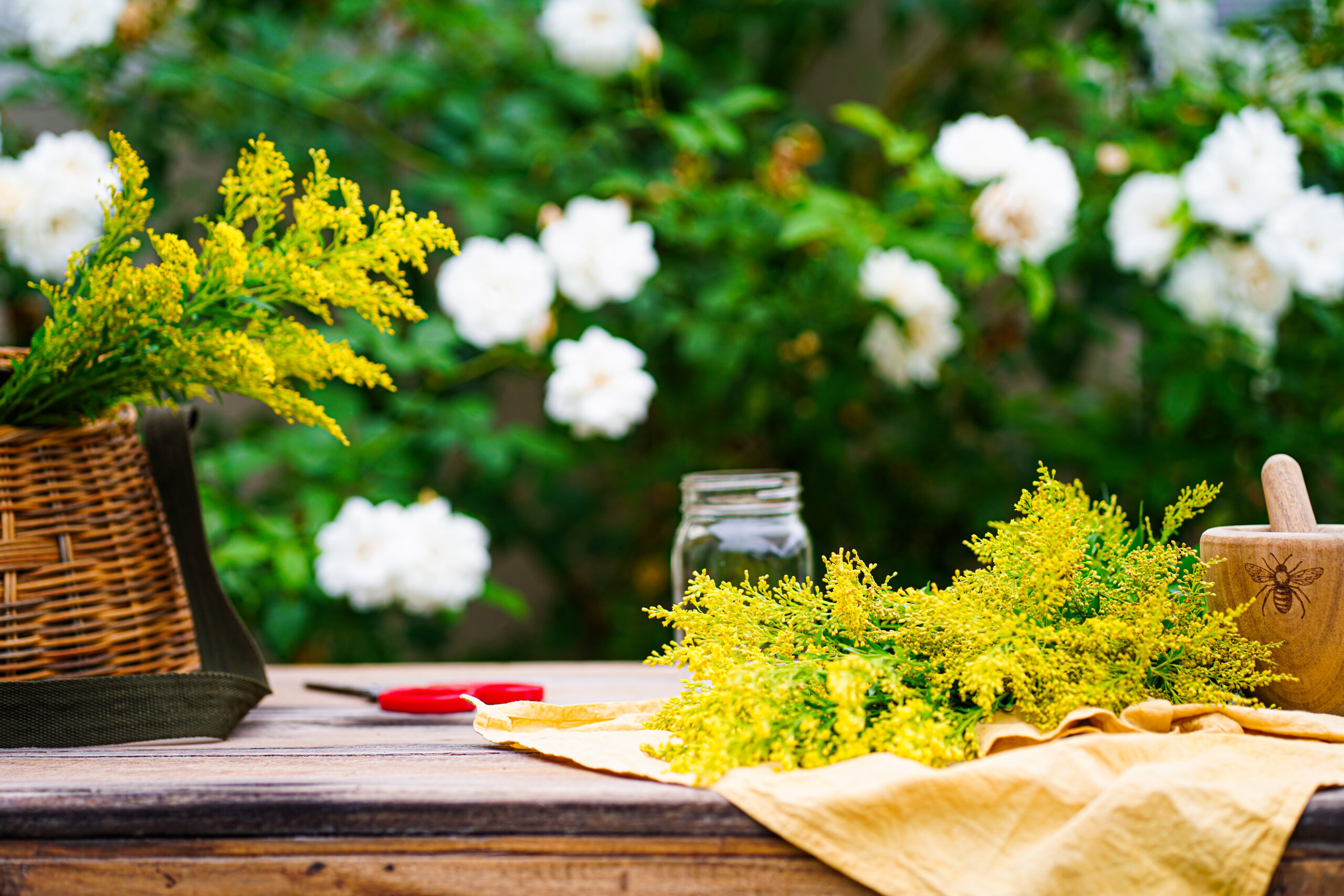
Step 1: Mid-to-Late Summer Scouting and Identification
As goldenrod transitions from tight green buds to fully open yellow panicles across fields and meadows, herbalists begin monitoring local patches. Proper identification is paramount, ensuring foragers select true Solidago species away from heavily treated roadsides or agricultural runoff areas.
Step 2: Harvesting the Fresh Aerial Parts
While some herbs are easily dried and stored for year-round use, goldenrod presents a unique challenge. When fully dried, goldenrod flowers often turn into a fluffy seed down that is notoriously difficult to work with when pressing or straining tinctures.
Because of this, experienced herbalists prefer to harvest and tincture goldenrod fresh from the field. Foragers may attempt to dry the plant before the flowers are fully open to mitigate the "fluff" factor, but capturing the plant at peak freshness yields the best results for liquid extracts.
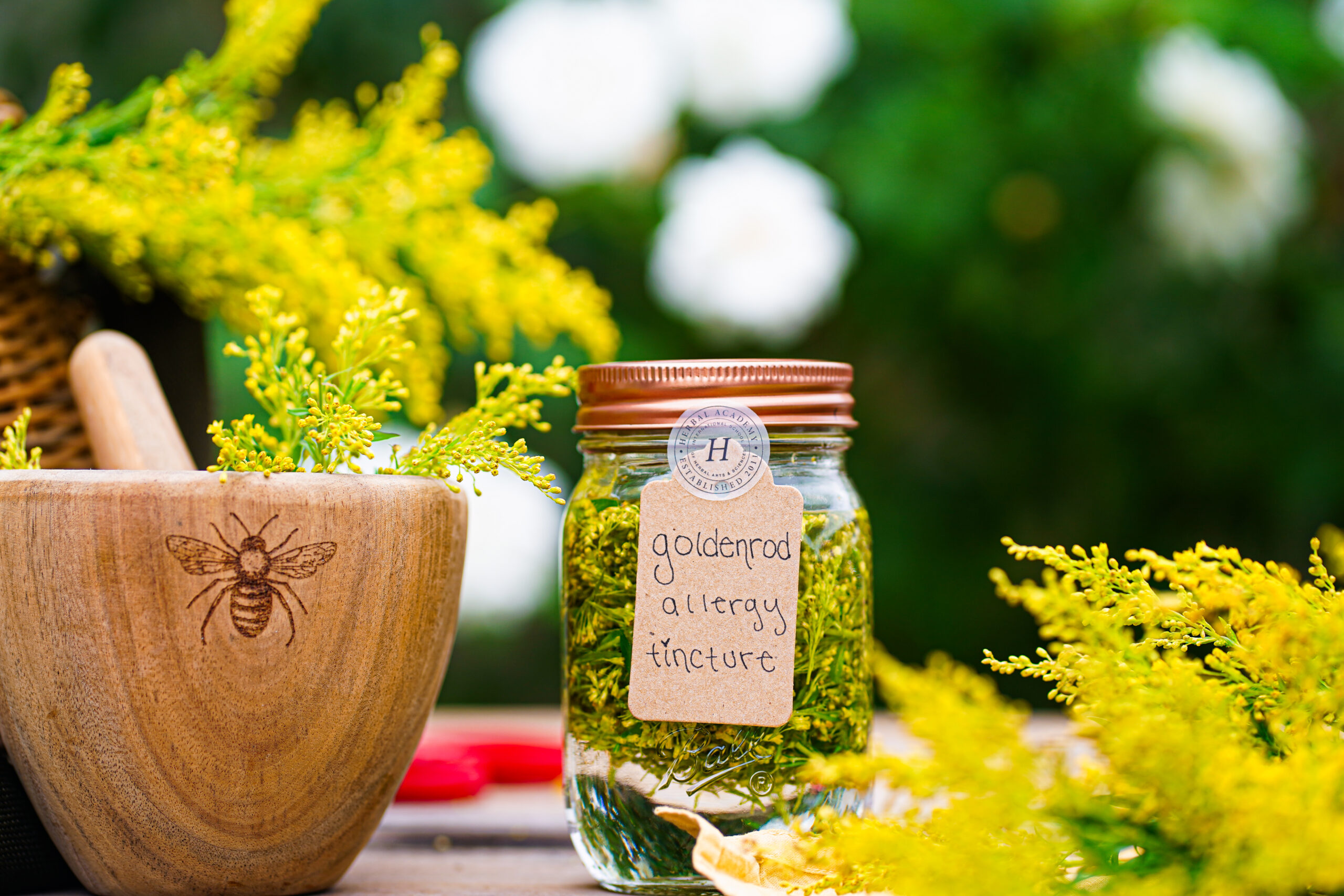
Step 3: Jarring and Maceration (The 4-Week Infusion)
The creation of the tincture begins as soon as the fresh blooms emerge. The process requires patience, as the maceration period takes a minimum of one month.

- Harvest: Collect the fresh aerial tops (flowers, leaves, and upper stems) of the goldenrod plant.
- Pack: Chop the plant material slightly to increase surface area and loosely pack it into a clean glass Mason jar.
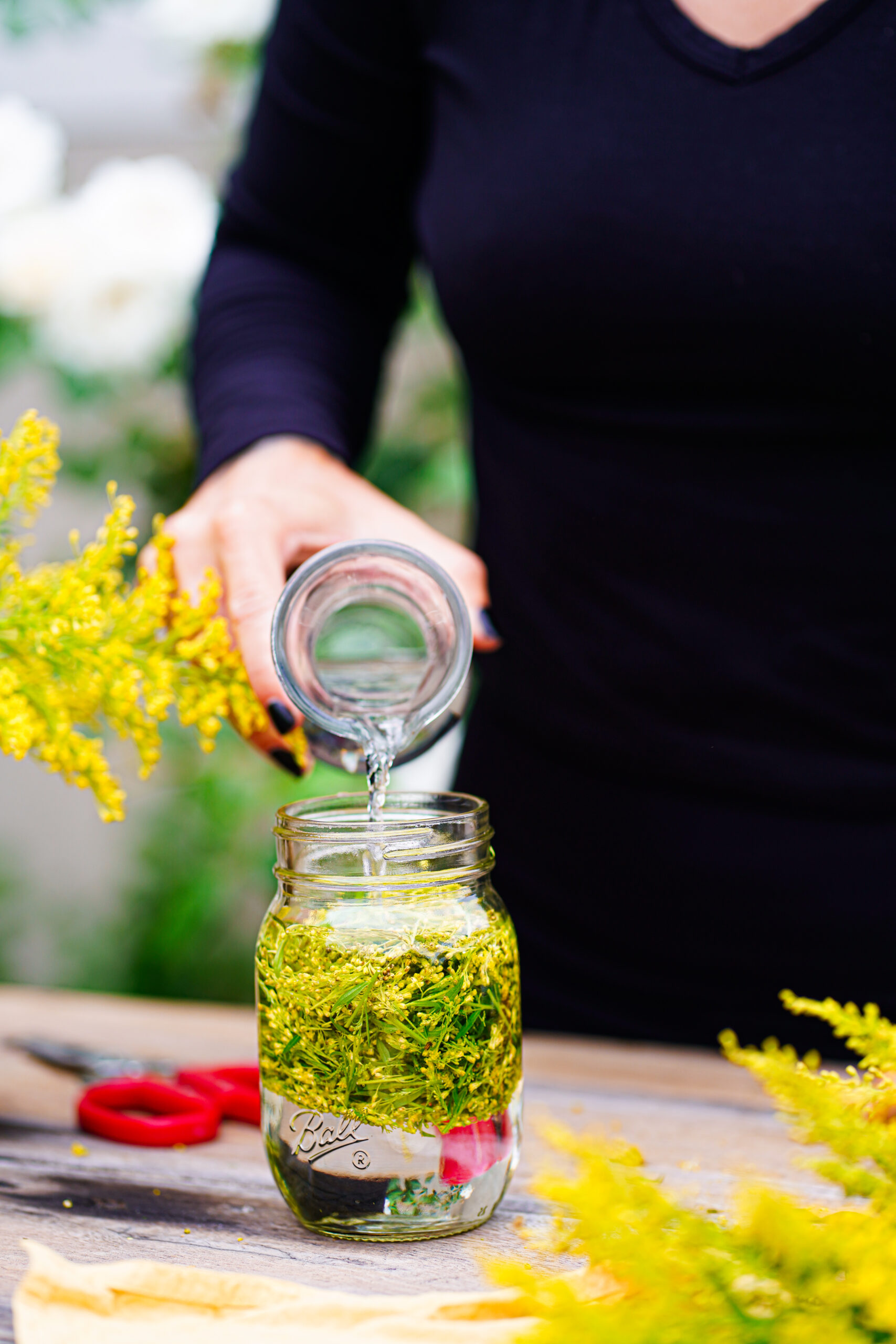
- Cover: Pour a solvent of choice over the plant material until it is completely submerged. Solvents can include high-proof alcohol (such as 80-to-100-proof vodka or brandy), food-grade vegetable glycerin, or apple cider vinegar, depending on personal preference and dietary needs.
- Steep: Seal the jar tightly and store it in a cool, dark place out of direct sunlight. Shake the jar daily for at least four weeks to allow the menstruum to extract the plant’s active constituents.
Step 4: Pressing and Bottling
After four weeks, the liquid is strained through unbleached muslin or cheesecloth, pressing out every last drop of the nutrient-rich extract from the plant material. The finished goldenrod tincture is then bottled in amber glass dropper bottles, ready to be deployed at the first sign of autumn sniffles.
Supporting Data & Recipe: The Goldenrod Allergy Tincture
For those looking to replicate this traditional remedy at home, botanical resources and herbal compendiums offer standardized guidelines for preparation and administration.
Goldenrod Allergy Tincture Recipe
- Yield: Dependent on jar size (typically one pint-sized mason jar)
- Prep time: 15 minutes
- Infusion time: 4 weeks
Ingredients:
- Freshly harvested goldenrod (Solidago spp.) aerial parts (flowers and upper leaves)
- Solvent of your choice (e.g., 40% alcohol/vodka, vegetable glycerin, or apple cider vinegar)
Directions:
- Finely chop the freshly harvested goldenrod aerial parts to maximize contact with the liquid solvent.
- Fill a clean glass jar loosely with the chopped plant material, ensuring it reaches near the top without being overly compacted.
- Pour your chosen solvent over the goldenrod, making certain the plant material is completely submerged by at least an inch of liquid to prevent oxidation or mold growth.
- Cap the jar tightly with a non-reactive lid (or place parchment paper beneath a metal lid to prevent corrosion from alcohol or vinegar).
- Store the jar in a cool, dark cupboard, remembering to shake it vigorously every day or two.
- After 4 to 6 weeks, strain the contents through a fine-mesh strainer and a nut milk bag or cheesecloth, squeezing firmly to extract all liquid.
- Pour the strained tincture into amber glass dropper bottles, label with the date and plant name, and store in a cool, dark place.
Dosage and Administration
According to renowned medical herbalist David Hoffmann in his foundational text Medical herbalism (2003), the standard dosage guidelines for a goldenrod tincture (prepared at a 1:5 ratio in 40% alcohol) are:
- 2 to 4 mL, taken three times daily as needed to manage acute seasonal allergy symptoms.
Official Responses and Safety Considerations
While herbal remedies offer natural, accessible healthcare options derived from the environment, professional botanical organizations and medical practitioners emphasize the importance of safety, contraindications, and clinical oversight.
Safety Guidelines & Contraindications
- Asteraceae Family Allergies: Goldenrod belongs to the Asteraceae (daisy/aster) plant family. Individuals with known allergies to ragweed, chrysanthemums, marigolds, daisies, or other members of the Asteraceae family should exercise extreme caution or avoid goldenrod entirely to prevent allergic contact dermatitis or cross-reactivity.
- Medical Consultations: Herbalists and physicians universally recommend consulting with a primary healthcare provider or clinical herbalist before introducing any new botanical supplement into a wellness routine.
- Special Populations: Extra caution is advised for individuals who are pregnant, breastfeeding, managing chronic health conditions, or taking prescription medications, as herbal tinctures can interact with pharmaceutical drugs (particularly diuretics or blood pressure medications, given goldenrod’s renal-supporting actions).
Implications: Reconnecting with the Landscape
The goldenrod renaissance highlights a broader cultural shift in how modern society interacts with the natural world. In an era dominated by synthetic over-the-counter antihistamines and industrial pharmaceuticals, turning to local flora for seasonal resilience represents a return to bioregional herbalism—utilizing the plants that grow in one’s immediate geographic ecosystem to address local health challenges.
Comprehensive educational resources, such as the interactive plant databases and digital monographs maintained by institutions like The Herbarium, continue to demystify wild plants for everyday people. By providing deep dives into botanical descriptions, historical uses, safety data, and scientific research, these platforms empower individuals to safely forage and craft their own remedies.
Ultimately, goldenrod serves as a brilliant, glowing reminder that summer is drawing to a close, cooler weather is on the horizon, and nature frequently provides the exact remedies needed to navigate seasonal transitions. Far from being a respiratory tormentor, goldenrod stands ready as a gentle, generous ally—waiting patiently in the autumn fields for those willing to look past the myths and embrace its golden gifts.