By the Global Gemological and Metaphysical Desk Published in partnership with crystal education advocates worldwide
Main Facts
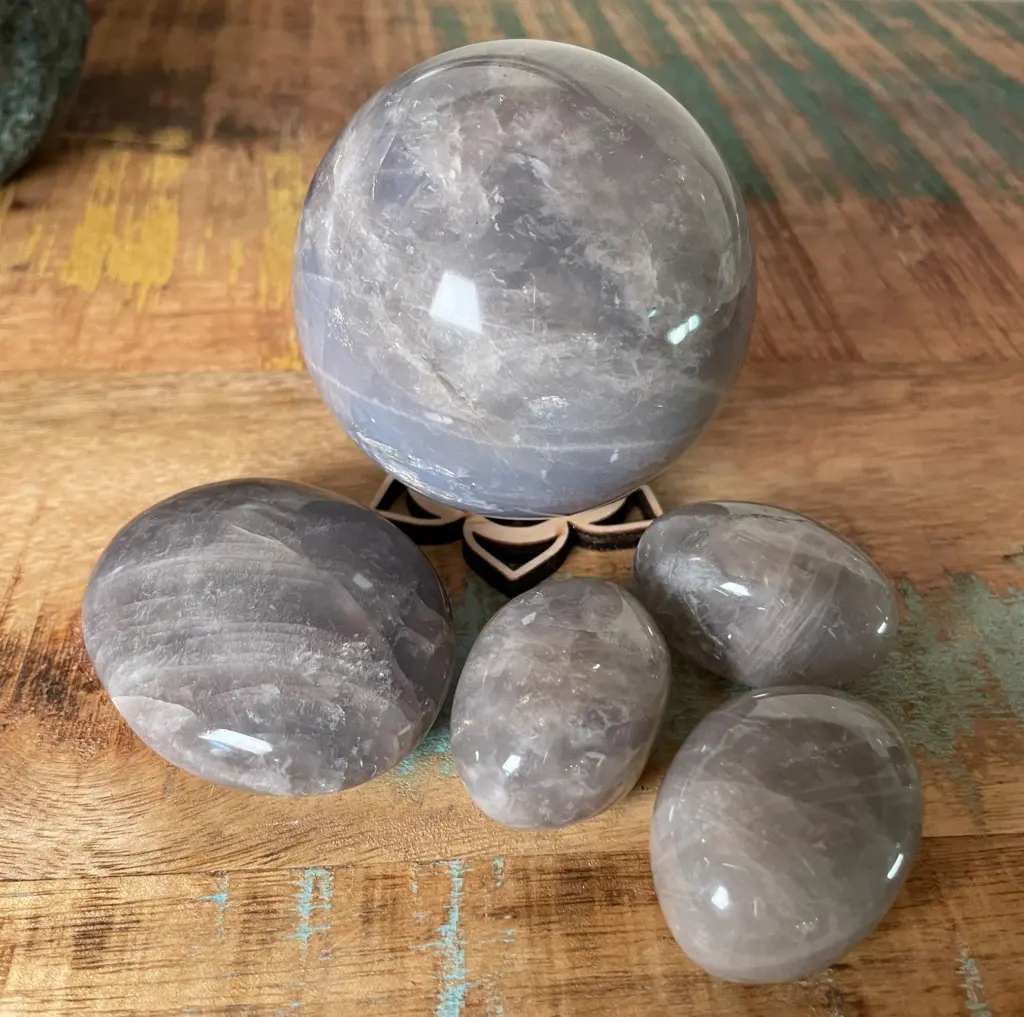
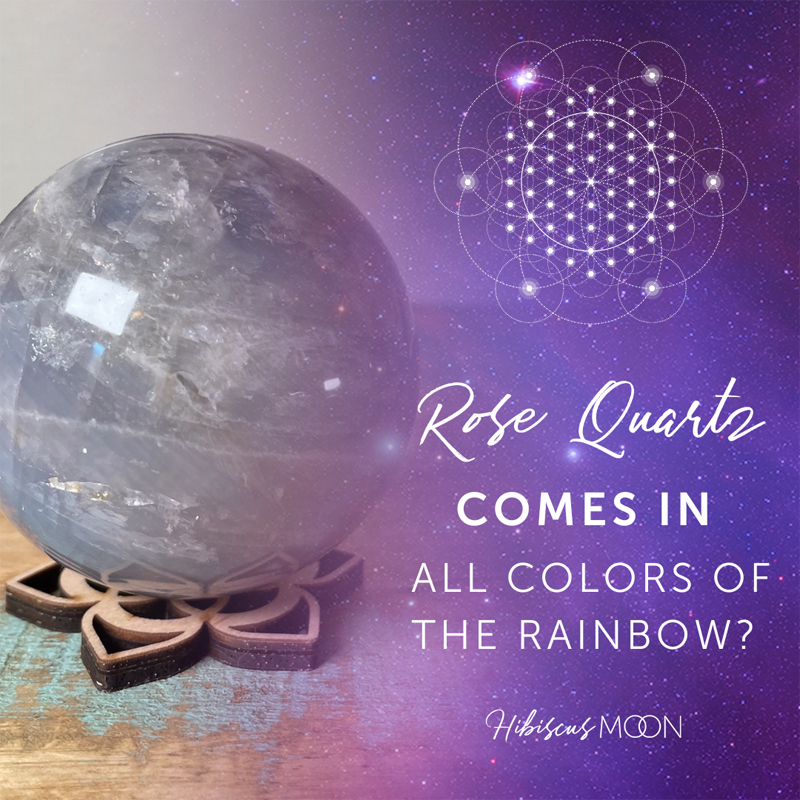
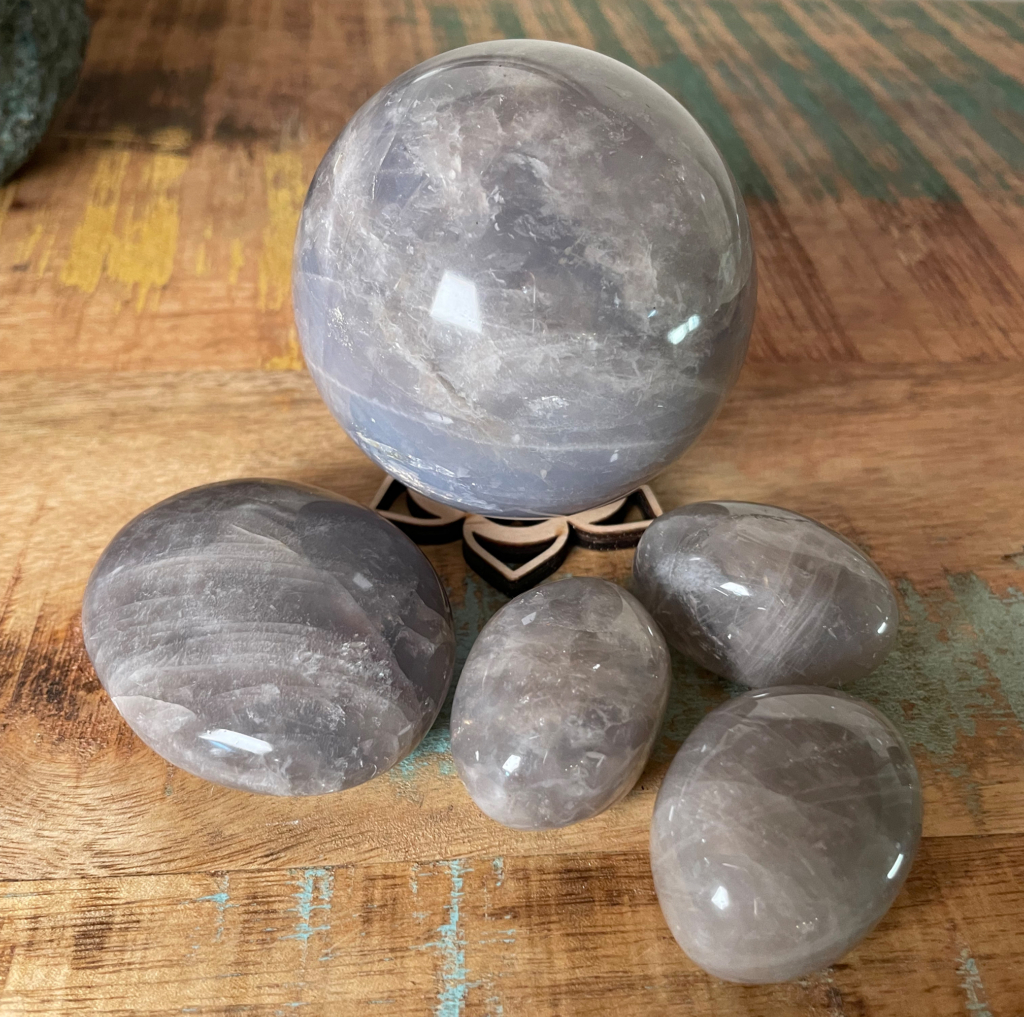
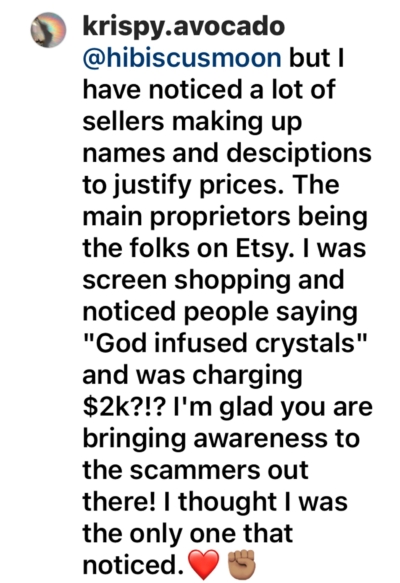
The global crystal and mineral market is facing a sophisticated wave of rebranding, misrepresentation, and outright marketing trickery. At the center of this controversy is a product sweeping social media platforms and metaphysical storefronts under the alluring moniker of "Blue Rose Quartz"—frequently marketed as a rare, high-vibration find originating from Madagascar.
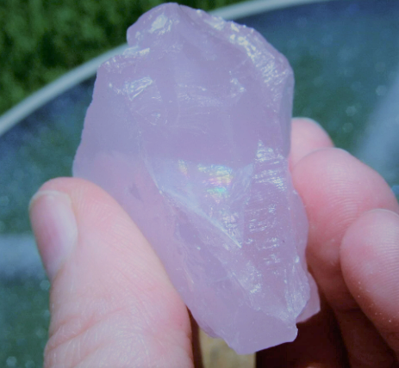
According to geological experts, veteran educators, and mineralogists, "Blue Rose Quartz" is a misnomer. True rose quartz is scientifically defined as a pink variety of macrocrystalline quartz, colored by microscopic, nanofibrous mineral inclusions closely related to dumortierite. By definition, if a stone lacks a natural pink hue, it cannot mineralogically be classified as rose quartz.
Instead, gemological evaluations reveal that much of what is currently being sold as "Blue Rose Quartz" is actually lower-grade, hazy quartz, heat-treated amethyst, or opalized quartz (often referred to in the trade as Girasol). In some cases, vendors have even marketed variants as "Black Rose Quartz." While these stones possess their own unique aesthetic appeal and energetic qualities, industry professionals argue that rebranding abundant, low-grade minerals with ethereal, high-markup names constitutes deceptive marketing designed to artificially inflate prices.
Chronology of an Industry Trend
To understand how "Blue Rose Quartz" captured the crystal market, one must trace the timeline of modern mineral marketing and consumer awareness:
Pre-2010s (Traditional Grading Era): Historically, the gemstone and mineral trade relied on a letter-based grading system similar to diamond assessment—where "AAA" represented the highest-grade, clearest specimens, and lower tiers like "C" or "D" denoted cloudy, fractured, or unevenly colored quartz and amethyst. Lower-grade rose quartz and pale amethyst were abundant, inexpensive, and sold transparently for what they were.
The 2010s (Rise of Online Crystal Culture): As e-commerce platforms like Etsy and social media sites like Instagram birthed a massive boom in metaphysical crystal collecting, a gap emerged between traditional geological data and consumer knowledge. Independent educators began publishing foundational guides to identify heat-treated, dyed, and artificially altered stones.
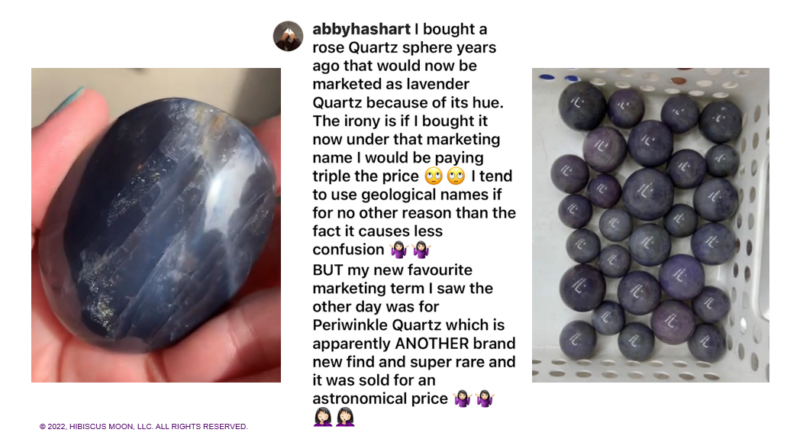
Late 2021 to 2022 (The "Blue Rose Quartz" Boom): A sudden influx of grayish-blue, hazy stones hit the market, heavily promoted by online vendors as "Blue Rose Quartz" from Madagascar. Concurrently, variants such as "Black Rose Quartz" began appearing. Certified crystal practitioners and students began flooding mineral experts with inquiries regarding the legitimacy of these new stones.
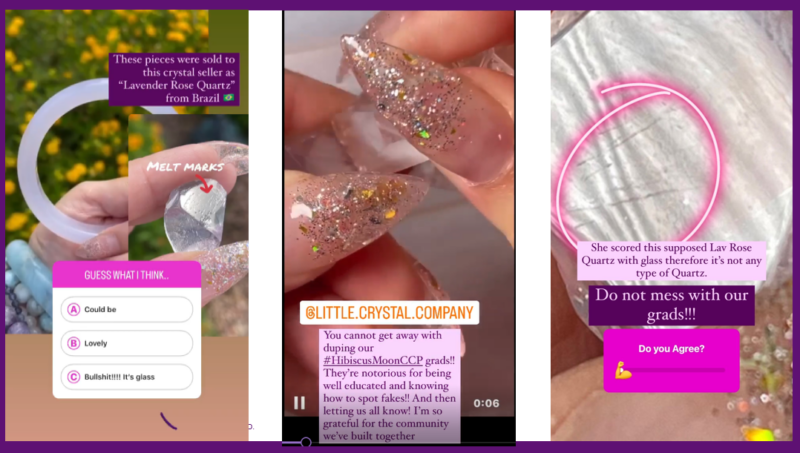
Late 2022 (Community Pushback and Mineral Assays): Prominent crystal educators, working alongside dedicated independent vendors (such as Little Lemuria and the Little Crystal Company), began pushing back. Mineral testing and geological assay reports were commissioned, exposing the true material composition of these trending stones and sparking a widespread community dialogue on ethical crystal sales.
Supporting Data and Scientific Analysis
To demystify the "Blue Rose Quartz" phenomenon, experts have turned to geological science, mineralogy, and laboratory testing.
1. The Mineralogy of Rose Quartz
True rose quartz owes its signature pink coloration to microscopic, parallel inclusions of fibrous mineral phases. It belongs to the macrocrystalline quartz family ($textSiO_2$). When iron, titanium, or dumortierite impurities interact structurally within the crystal lattice, pink is the result. A blue, gray, or smoky stone lacking these specific inclusion parameters falls outside the mineralogical definition of rose quartz.
2. What is "Blue Rose Quartz" Actually Made Of?
Independent mineral testing commissioned by ethical retailers has broken down the composition of stones sold under this trendy name:
Low-Grade Quartz / Pale Amethyst: Many samples are simply lower-tier, milky, or cloudy quartz. In some cases, heavily fractured or low-grade amethyst subjected to natural or artificial thermal processes yields a pale, hazy, or bluish-milky translucence.
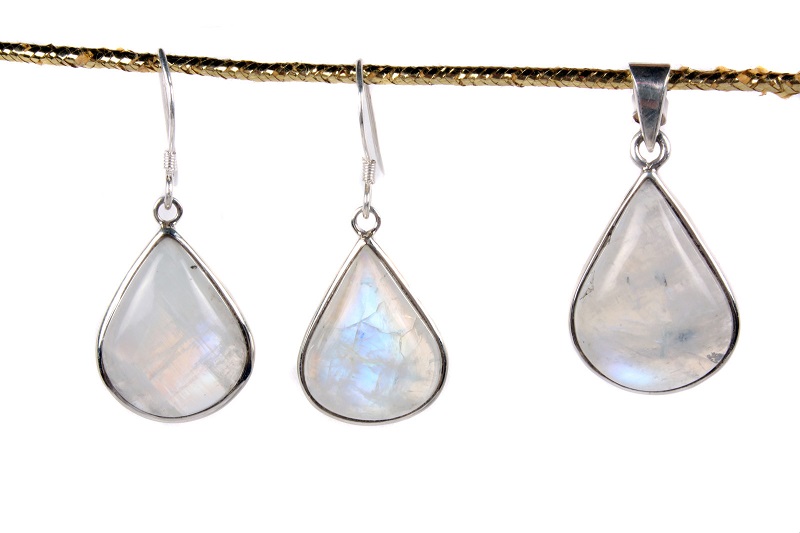
Girasol (Opalized Quartz): When silica-rich solutions ($textSiO_2 cdot ntextH_2textO$) fill empty cavities left by decayed minerals, they can harden into opalized quartz. This creates the "girasol effect"—an optical phenomenon characterized by a milky, glowing, bluish-white light scattering across the stone (similar to the optical phenomenon seen in moonstone).
Lab-Alforced Alterations: Exposing low-grade amethyst or milky quartz to temperatures exceeding 932°F (500°C) can bleach out traditional purple hues, leaving behind hazy, opalescent, or bluish sheens frequently marketed under invented trade names like "neon blue quartz."
3. The Economics of Rebranding
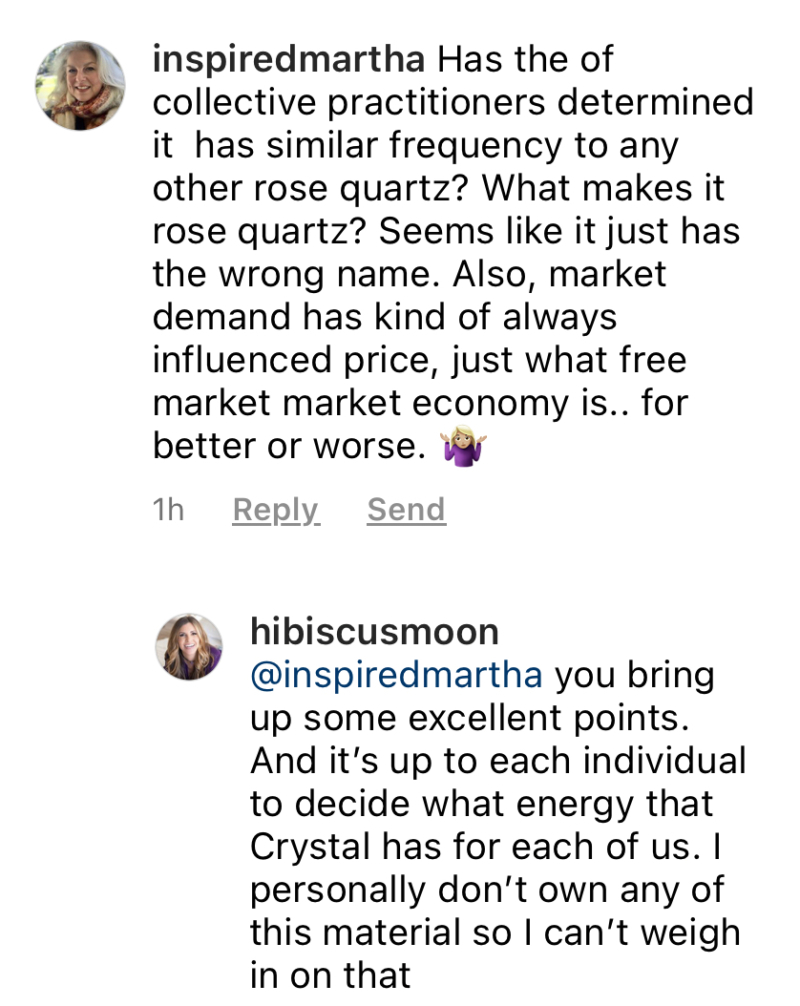
Industry insiders note a clear financial incentive behind these new names. Selling a stone as a "D-grade pale amethyst" or "low-grade milky quartz" yields modest returns due to its high abundance. However, inventing a spiritual or ethereal hybrid name—such as "Blue Rose Quartz" or "Black Rose Quartz"—allows sellers to circumvent traditional grading standards and market common minerals as rare, high-end spiritual tools at a significantly inflated price point.
Official Responses and Industry Perspectives
The crystal community has experienced a sharp divide between profit-driven suppliers capitalizing on esoteric trends and transparency-focused educators advocating for scientific literacy.
Independent gemological educators and authors have stepped up to bridge the information gap. Former science department heads and geology postgraduates have launched widespread educational campaigns across social media channels, utilizing Instagram highlights, blog posts, and community forums to decode deceptive marketing tactics.
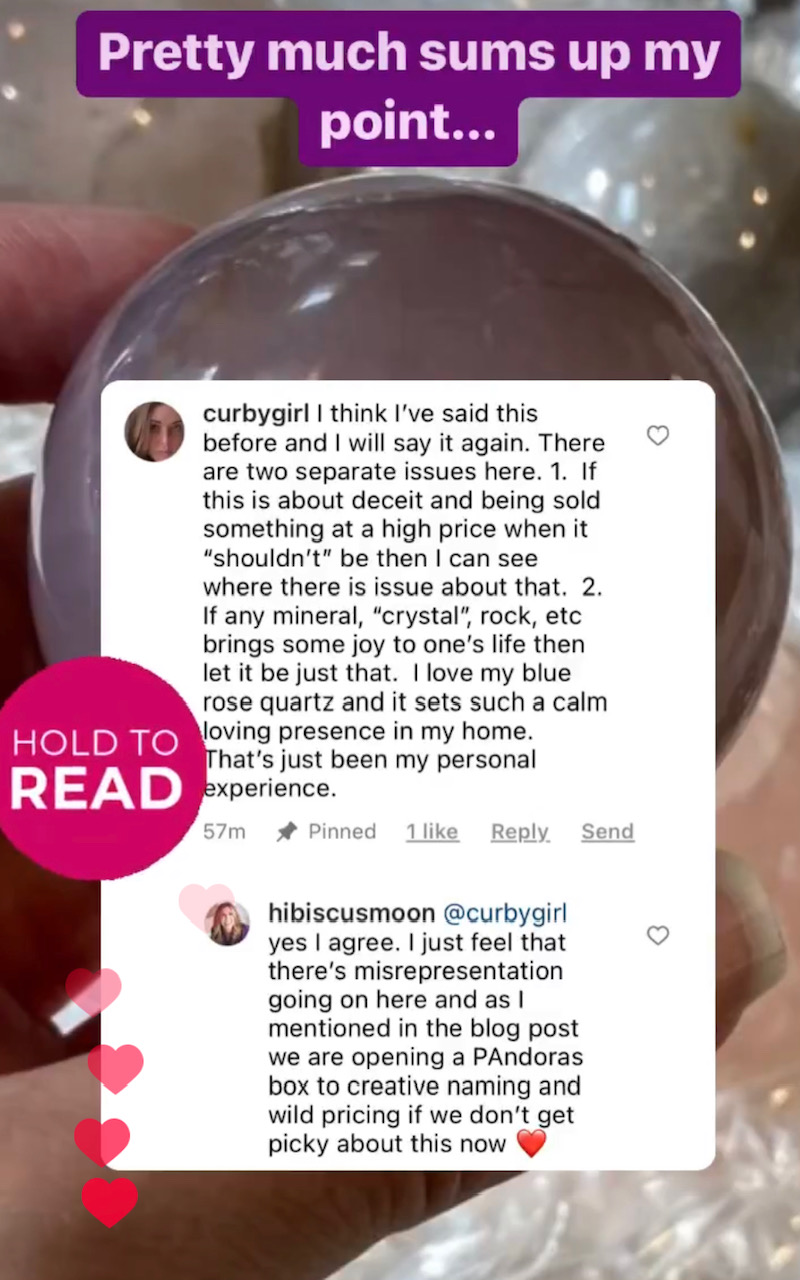
Rather than disparaging the stones themselves—many educators emphasize that lower-grade minerals can still hold profound aesthetic beauty and personal energetic value—the focus remains squarely on ethical disclosure.
"When I say that it’s low-grade rose quartz, I don’t mean that I wouldn’t work with it or that I personally consider it less than," notes one prominent crystal academy founder. "What I’m up in arms about is that this was always relatively abundant and sold cheaply before. Is it right to just state that it no longer is and, therefore, falsely inflate the price?"
Ethical vendors have similarly taken a stand by voluntarily publishing mineral assay results on their websites. By investing in professional geological testing, these businesses aim to hold the wider marketplace accountable, proving that transparency is both achievable and demanded by educated consumers.
Implications for Consumers and the Future of the Crystal Market
The proliferation of fabricated trade names like "Blue Rose Quartz" carries significant implications for both novice collectors and veteran practitioners.
1. Financial Exploitation and Consumer Fatigue
When buyers pay premium prices for rare stones—only to discover they have purchased heat-treated, low-grade quartz or common glass—it erodes trust within the marketplace. Consumers waste both energy and money on mislabeled items, leading to widespread confusion and diminished satisfaction in their crystal practices.
2. The Slippery Slope of Marketing Names
Industry watchdogs warn that if the market accepts "Blue Rose Quartz" and "Black Rose Quartz" without pushback, it opens the floodgates for an endless stream of manufactured names. Without community vigilance, consumers can expect hundreds of arbitrary color-based quartz variants in the near future, making accurate identification nearly impossible.
3. The Power of Consumer Education
The silver lining in this controversy is the proven impact of organized consumer awareness. Grassroots education campaigns—pioneered by certified crystal practitioners, geology nerds, and ethical small-business owners—have successfully forced many online sellers to update their product descriptions and practice honest labeling.
Best Practices for Crystal Buyers:
Invest in Education: Learn basic mineralogy, hardness scales, and formation processes to recognize when a stone’s physical properties contradict its marketing name.
Vet Your Sources: Purchase from reputable dealers who willingly disclose the true mineral identity, geographic origin, and any treatments (such as heating or dyeing) applied to the stone.
Question Too-Good-To-Be-True Claims: If a "new, ultra-rare discovery" floods the market simultaneously across hundreds of discount shops, exercise healthy skepticism.
Prioritize Intuition Over Hype: Remember that lower-grade or common minerals can still carry deep personal and energetic meaning—the issue is never the stone itself, but the honesty of the transaction.
As the crystal community passes the torch of advocacy to a new generation of practitioners, the message remains clear: Education is the ultimate shield against market trickery. By demanding transparency, refusing to buy into unverified hype, and relying on geological facts, buyers can protect the integrity of the market and preserve the genuine wonder of Earth’s natural creations.