






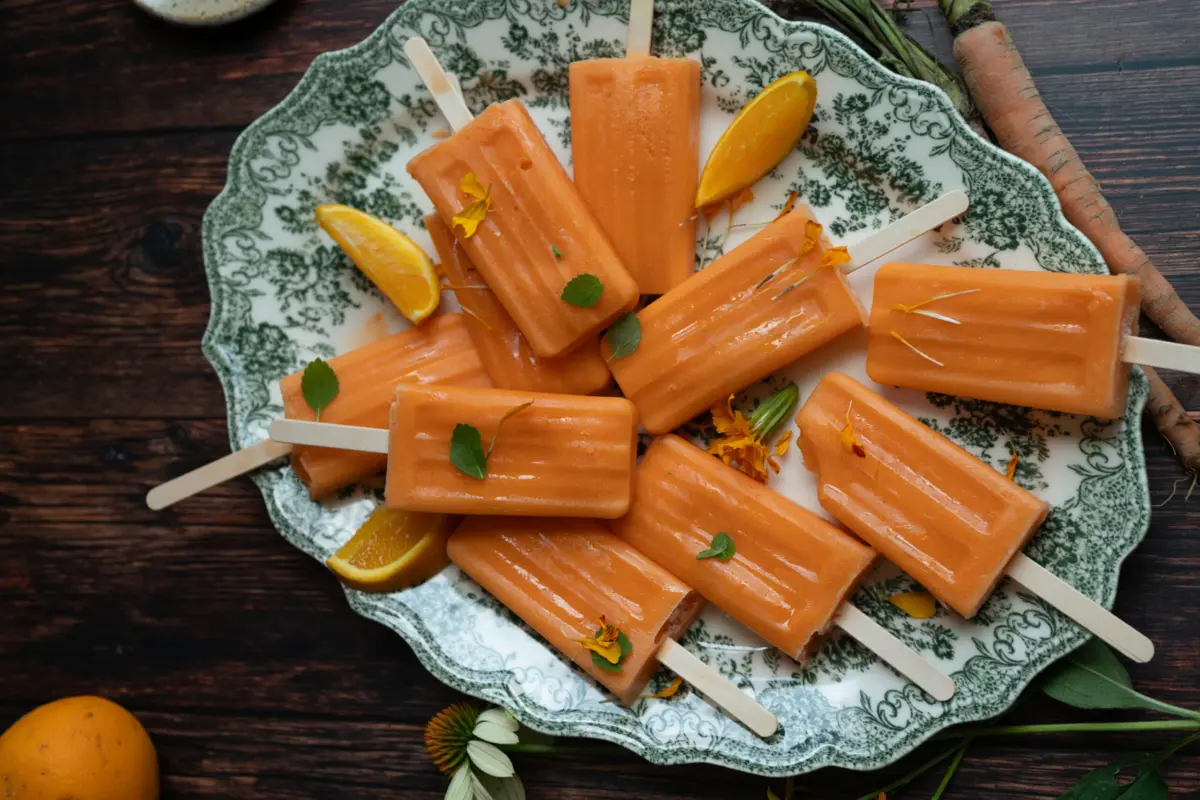
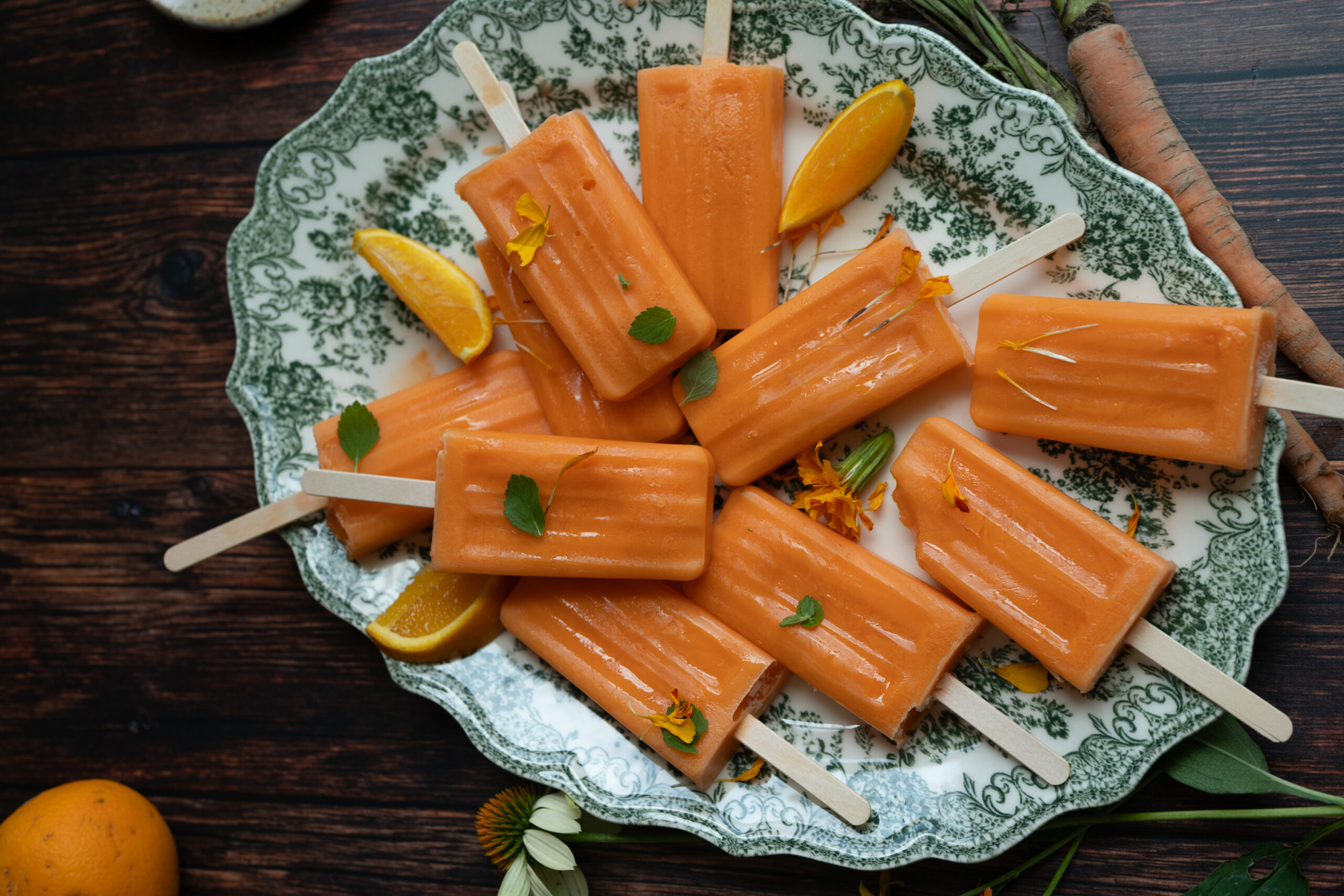
As the mercury climbs and the relentless glare of the summer sun drives indoors-seekers into the shade, finding a refreshing treat that balances indulgence with wholesome nutrition becomes a seasonal quest. Enter the Vitamin C Carrot Calendula Orange Popsicles—a vibrant, golden-hued culinary creation from the herbalism community that merges modern nutritional science with traditional botanical wisdom.
Far from your average convenience-store sugar bomb, these artisanal popsicles are engineered to support skin health, eye function, and immune defense. Crafted from a base of brewed calendula tea, fresh carrot juice, and freshly squeezed orange juice, this sunny summer snack offers a masterclass in how everyday pantry staples and garden herbs can unite to combat hot-weather malaise.
Main Facts: Anatomy of a Botanical Frozen Treat
At first glance, these popsicles capture attention with their brilliant marigold-to-sunset-orange coloring. However, their true value lies beneath the surface, packed tightly within a synergistic blend of three core ingredients:
- Calendula (Calendula officinalis): Known historically as "an herb of the sun," these golden blossoms open with the dawn and close at dusk. Rich in antioxidant-dense carotenoids, calendula brings a cooling energetic profile to hot-weather remedies, supporting cardiovascular, skin, and eye health while soothing internal mucosal tissues.
- Carrots: Celebrated globally in both Eastern and Western herbal traditions, carrots supply a heavy dose of beta-carotene—a vital precursor that the human body efficiently converts into Vitamin A. They offer a grounding, earthy sweetness alongside foundational support for vision and cellular integrity.
- Oranges: The reigning champion of citrus, fresh orange juice delivers a heavy punch of Vitamin C. This essential micronutrient acts as a powerhouse antioxidant, neutralizing free radicals, aiding in iron absorption, facilitating collagen synthesis, and acting as an internal ally against UV-induced skin stress.
Together, these components yield a yield of approximately two and a half cups of liquid, easily translating into eight to ten nutrient-dense popsicles depending on mold dimensions.
Chronology: From Ancient Roots to Modern Freezer Trays
The lineage of these popsicles spans centuries of herbal evolution, blending ancient healing paradigms with contemporary DIY culinary trends.
The Historical Timeline
- The 17th Century: Renowned English herbalist Nicholas Culpeper officially categorizes Calendula officinalis in his 1653 texts (later republished in 1850) as "an herb of the sun," acknowledging its radiant disposition and affinity for warmth and light.
- Traditional Eastern Eras: For millennia, practitioners of Traditional Chinese Medicine and Ayurveda have utilized carrots for their mild energetic properties—viewing them alternatively as neutral or mildly warming, while leveraging their gentle laxative and blood-nourishing tonic qualities (such as Vasant Lad’s famous carrot-beet-cumin juice formulations).
- The Mid-20th Century: Botanical pioneers like Michael Tierra (Planetary Herbology, 1988) systematically codify calendula’s cooling energy and diaphoretic properties, cementing its utility for hot-weather applications.
- Contemporary Herbalism (Present Day): Modern herbal educators, such as Maria Noël Groves (Body into Balance, 2016) and the community at the Herbal Academy, bridge the gap between historical materia medica and practical household wellness, conceptualizing creations like the Vitamin C Carrot Calendula Orange Popsicle as a delicious vehicle for preventative self-care.
Supporting Data: The Nutritional Science of Sun-Kissed Wellness
While summer is widely celebrated for outdoor recreation and the synthesis of Vitamin D, prolonged exposure to ultraviolet (UV) radiation poses notable challenges to human integumentary health. Modern nutritional data reveals that a defensive strategy must involve more than just topical sunscreens; it requires internal systemic reinforcement.

Carotenoids and Cellular Defense
Carotenoids—the organic pigments responsible for the brilliant yellow, orange, and red hues of carrots and calendula flowers—function as potent lipid-soluble antioxidants. When ingested regularly, these compounds accumulate in the skin, where they help scavenge free radicals generated by UV exposure. This process minimizes oxidative stress, delaying cellular damage and supporting overall dermatological resilience.
The Vitamin C and Collagen Connection
Vitamin C (ascorbic acid), abundantly supplied by fresh orange juice, is a non-negotiable cofactor in the synthesis of collagen—the primary structural protein found in skin, muscles, and connective tissues. Furthermore, Vitamin C works synergistically with carotenoids to reinforce the body’s natural immunological defenses during peak summer months, when heat stress and environmental pollutants run rampant.
Official Recipes and Methodology: How to Craft Your Own
Transforming these botanical and agricultural powerhouses into frozen treats is surprisingly straightforward.
Ingredients List
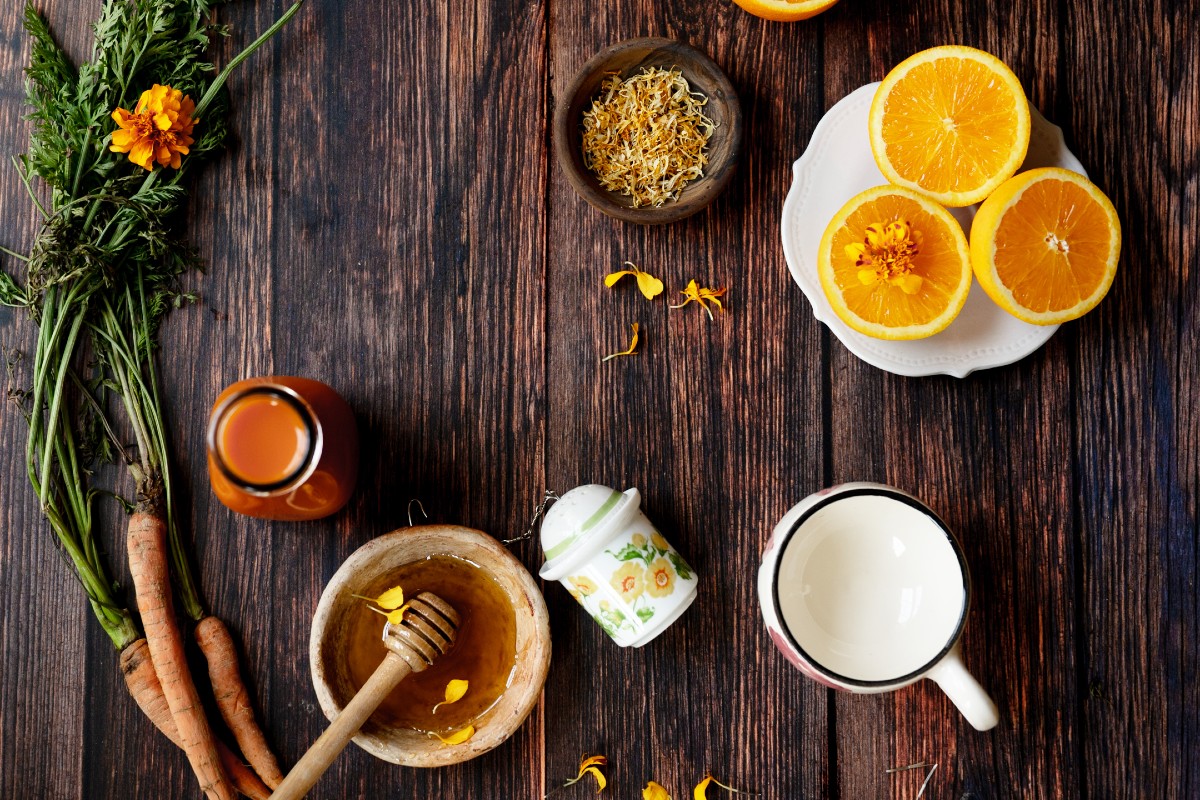
- 1 cup brewed calendula (Calendula officinalis) flower tea (steeped using 1 tablespoon of dried calendula petals or 1–2 calendula tea bags in 1 cup of hot water for 10 minutes, then strained)
- 1 cup carrot juice (freshly pressed or high-quality store-bought)
- ½ cup freshly squeezed orange juice (extracted from approximately 3 to 4 medium, juicy oranges)
- 1 tablespoon honey (optional, to taste)
Step-by-Step Directions
- Prepare the Herbal Infusion: Pour hot water over your dried calendula petals or tea bags. Allow the botanical matter to steep undisturbed for 10 minutes to extract its full spectrum of water-soluble nutrients and rich golden color. Strain the liquid thoroughly.
- Sweeten (Optional): If desired, stir the honey into the warm calendula tea until completely dissolved, then set the mixture aside to cool to room temperature.
- Blend the Base: In a large measuring cup or mixing bowl, combine the cooled calendula tea, the vibrant carrot juice, and the fresh-squeezed orange juice. Whisk gently to ensure uniform distribution.
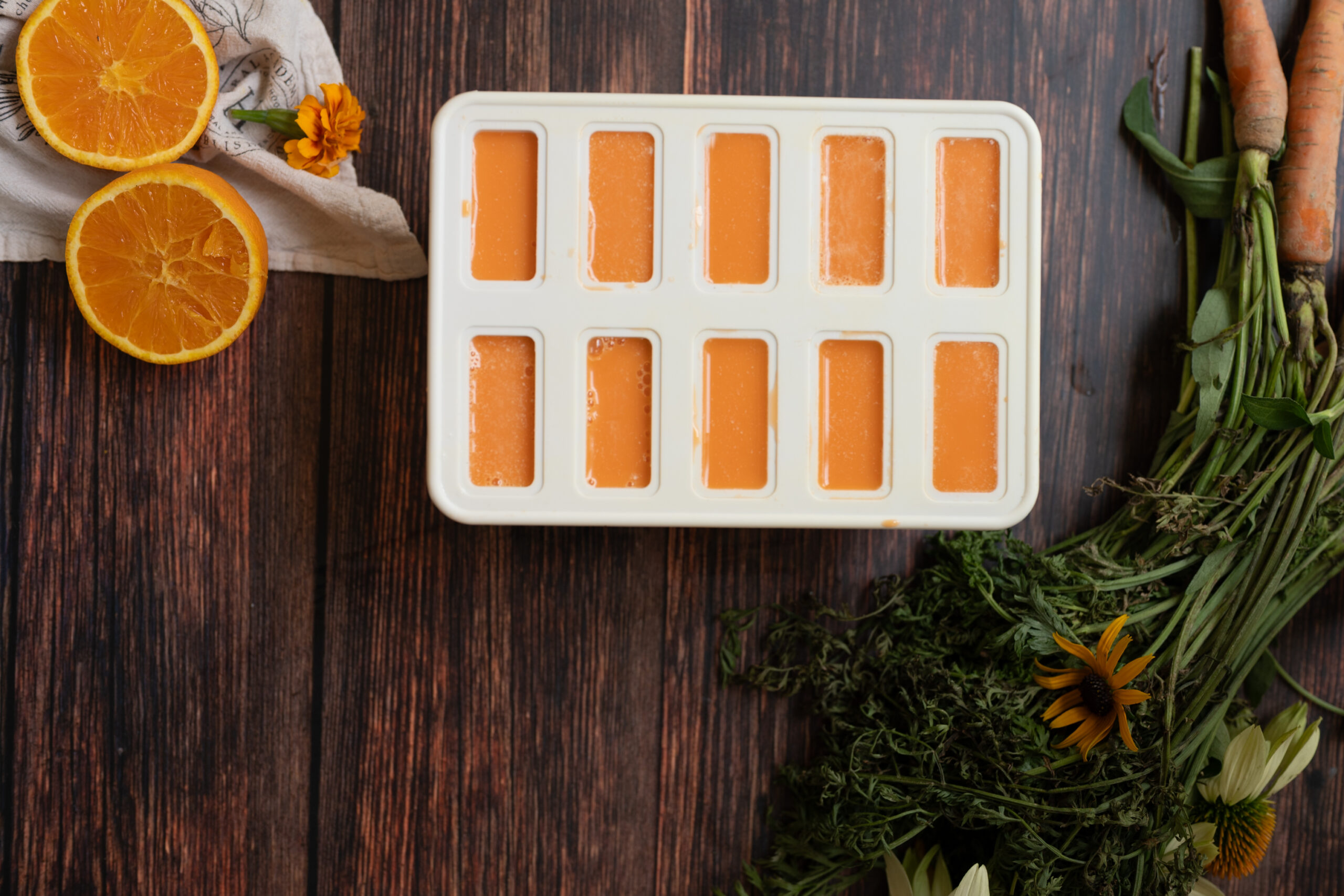
- Pour and Freeze: Carefully pour the combined liquid mixture into your favorite popsicle molds, leaving a small amount of headspace for expansion during freezing. Insert the popsicle sticks securely.
- Set and Serve: Transfer the molds to the freezer and allow them to freeze solid for a minimum of 4 to 6 hours. When a heatwave strikes, pull a golden popsicle from the tray and enjoy an instantly cooling, restorative treat.
Implications: A Holistic Approach to Seasonal Living
The rise of functional, herbal-infused snack recipes points to a broader shift in consumer behavior: a growing desire to merge culinary pleasure with preventive health care. As mainstream wellness culture moves away from highly processed, artificial refreshments laden with refined sugars and synthetic dyes, options like the Vitamin C Carrot Calendula Orange Popsicle offer a compelling alternative.
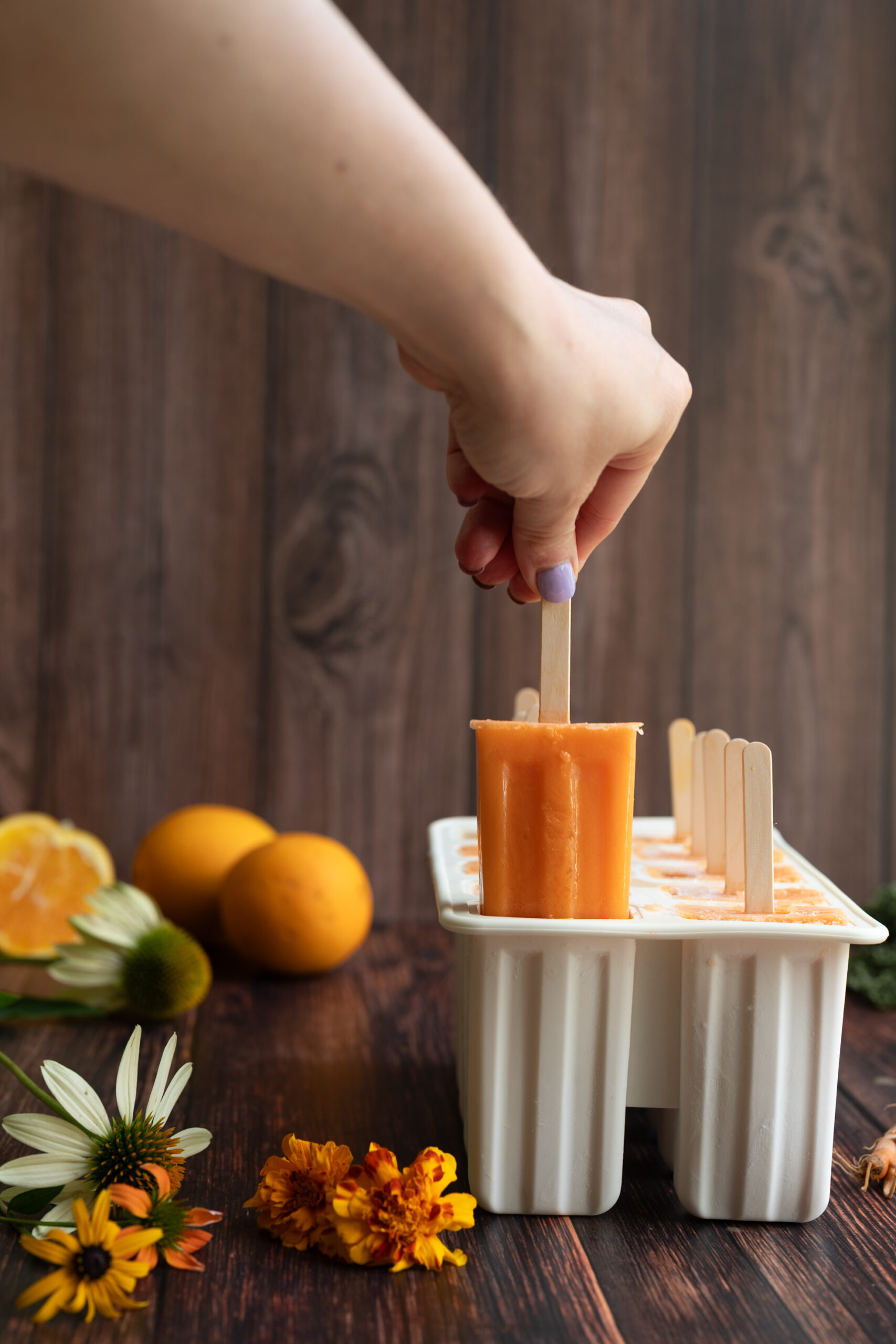
By anchoring summer indulgence in nutrient-dense, whole-food ingredients, individuals can actively participate in their own seasonal wellness routine. Whether utilized as a post-sun-exposure recovery snack, an engaging kitchen project for families, or simply a delicious method for staying hydrated when temperatures soar, these golden popsicles demonstrate that taking care of your skin, eyes, and immune system doesn’t have to feel like medicine—it can taste like pure sunshine.