Studio Visit — No. 07
Main Facts: Redefining Collectible Design
In an era dominated by mass production, automated supply chains, and algorithmic design trends, Regen Studio offers a deliberate counter-narrative. Based in Türkiye, this emerging design practice and furniture brand operates on a fundamental premise: that furniture should not be viewed as separate from architecture, but rather as its intimate extension. Founded by an architect, the studio eschews large-scale manufacturing entirely, relying instead on a network of skilled local artisans who produce every piece strictly to order.
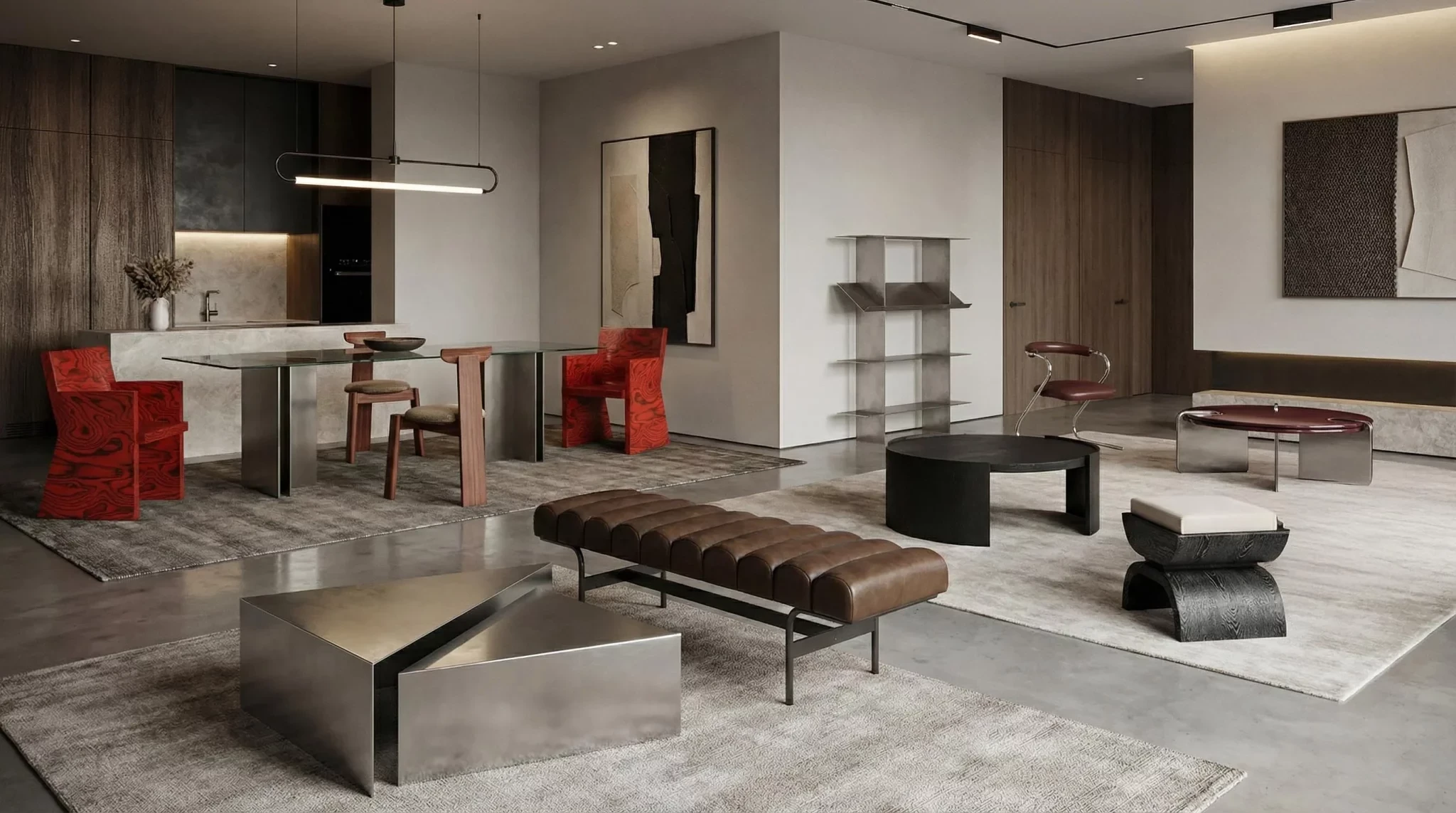
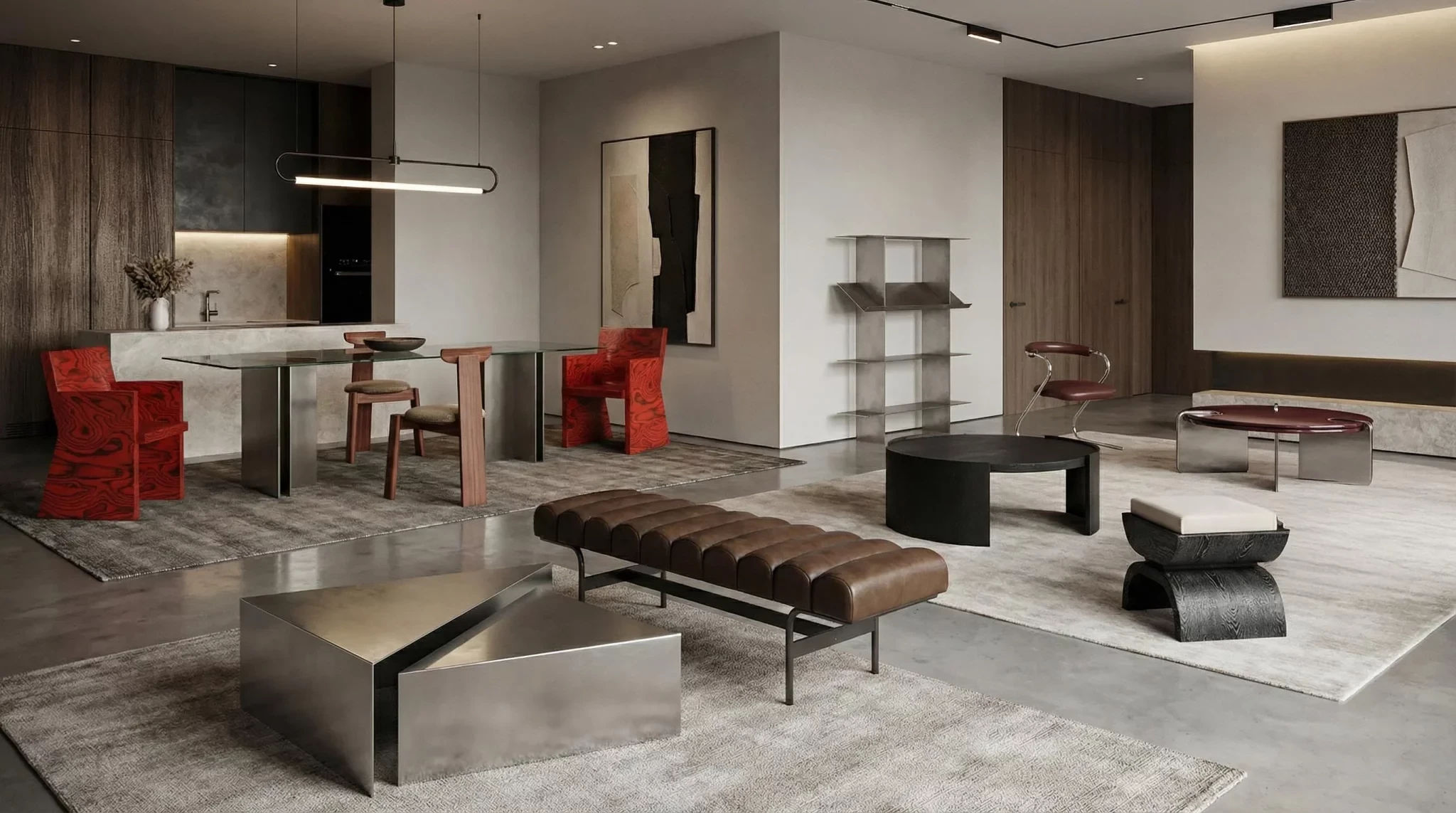
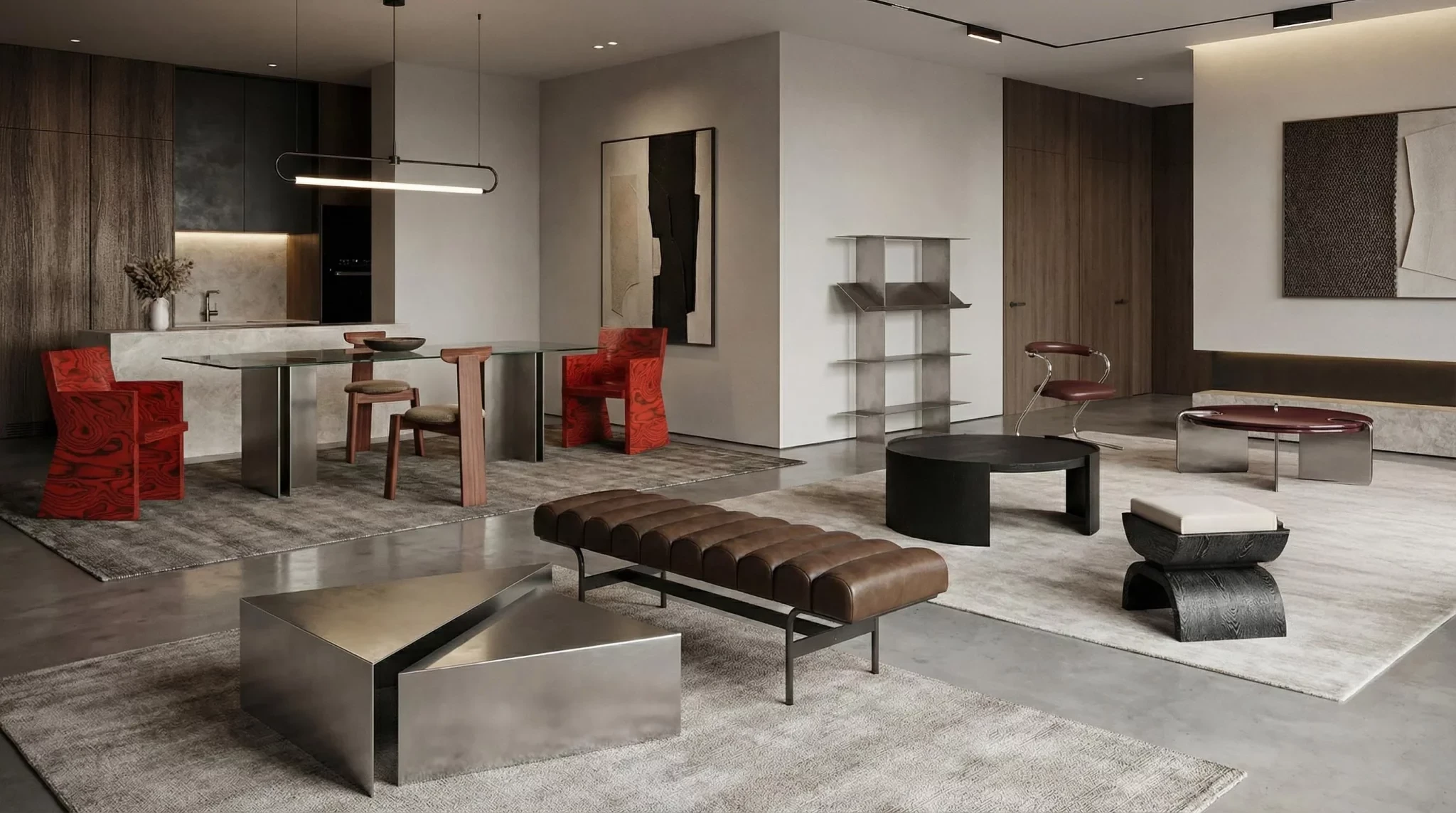
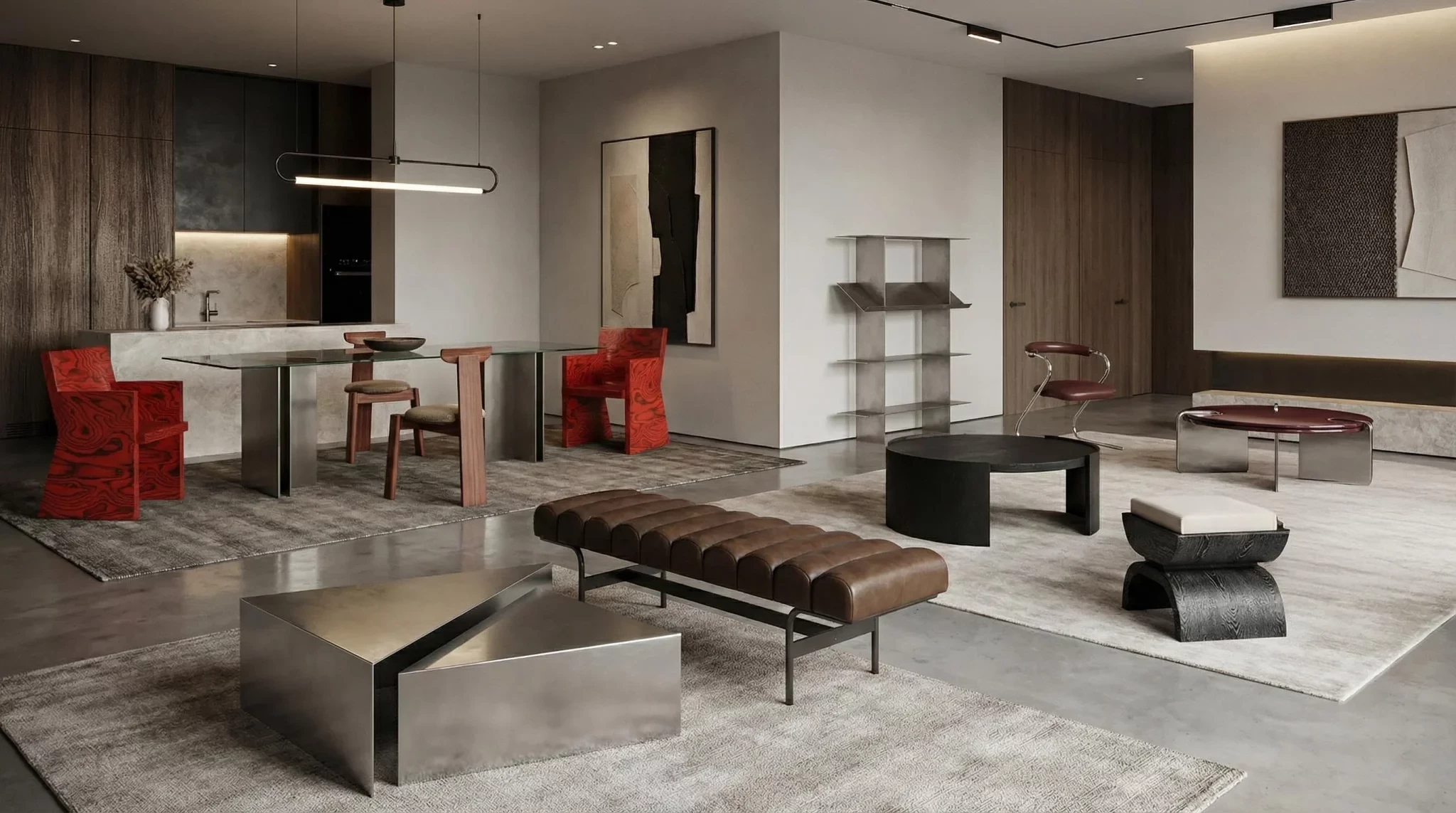
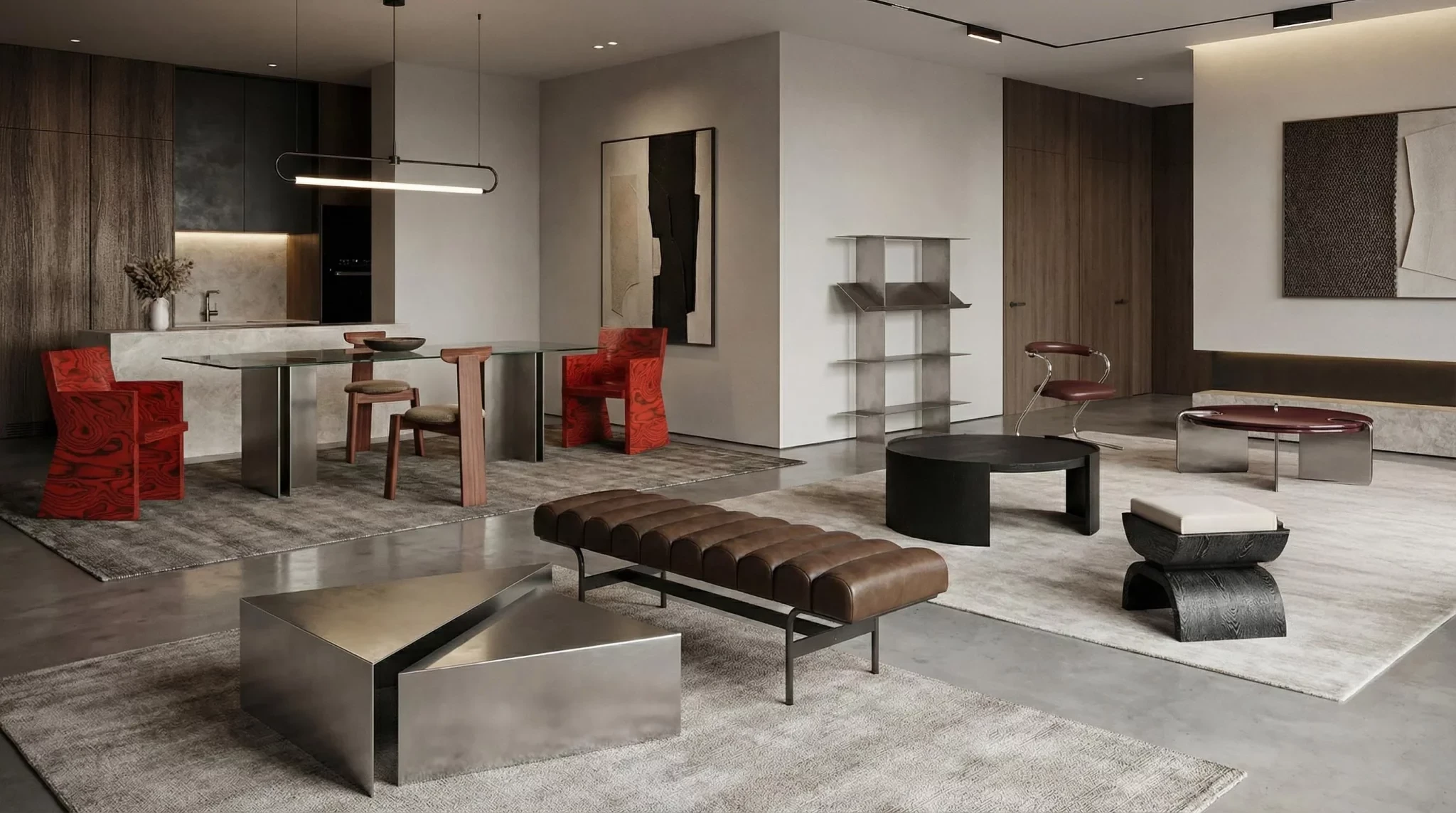
At the heart of the studio’s current collection is the Kira chair—a masterclass in restrained yet striking design. Featuring a rich root veneer surface, a bold red polish, and meticulous proportions measuring 88 × 56 × 63 cm, the Kira chair exemplifies Regen’s philosophy of creating collectible design in the truest sense of the phrase: objects made once, made well, and made to last. With customizable polish options and a production timeline of two to four weeks, the studio bridges the gap between heritage handcraft and contemporary spatial demands.
Chronology: From Architectural Solution to Independent Practice
The Genesis of a Shared Sensibility
Regen Studio did not begin with a traditional corporate launch, a venture capital pitch, or a marketing strategy. Instead, it emerged organically from a pattern. For years, the studio’s founder—working primarily as an architect—found herself encountering spatial problems that off-the-shelf furniture simply could not solve.
To overcome these layout and design challenges within specific architectural projects, she began designing custom pieces. Over time, a distinct continuity began to emerge across these disparate commissions. Whether working on residential or commercial spaces, her custom pieces shared an unmistakable DNA: a specific way of thinking about proportion, material, and atmosphere.

Recognizing the Continuity
As these bespoke creations accumulated, the underlying design logic became impossible to ignore. The architectural approach remained consistent, as did the intuitive understanding of how an object should feel, breathe, and interact within a room.
This realization marked a critical turning point. The decision was made to give that continuity a name, transitioning from client-driven interior solutions to an independent design practice. Free from the constraints of specific client briefs, Regen Studio was born, allowing the founder to follow her unique material and spatial language wherever it might lead.
Supporting Data: The Anatomy of Modern Craftsmanship
Architectural Roots and Spatial Philosophy
To understand Regen Studio, one must first understand architecture. The founder’s formal training shapes every facet of the brand’s production pipeline. Furniture is treated as a micro-architecture—an object that must hold or release the atmosphere of a room with the same precision as a load-bearing wall or a window placement.
Proportion, spatial relationships, and material weight are treated as architectural questions, answered here through wood, metal, color, and tactile finishes. This philosophy draws heavy inspiration from the mid-century modern movement, celebrating its signature balance of organic form, functional clarity, and honest use of materials.
However, Regen Studio is equally fascinated by what contemporary design has left behind. The studio actively researches and revives forgotten techniques and materials that were once industry standards before being sidelined by industrial efficiency. The goal is neither nostalgia nor pastiche, but intelligent reinterpretation. By filtering familiar materials through a contemporary design language, Regen creates an ongoing dialogue between past and present.

The Iterative Design Process
Every piece begins not with a sketch of an object, but with context. The studio asks fundamental questions: How will this piece live within a space? What kind of emotional and physical atmosphere is it designed to support?
- Contextual Analysis: Architectural thinking establishes the boundaries of proportion, function, and spatial harmony.
- Material Exploration: Textures, finishes, and combinations are tested to ensure the object maintains both a strong physical presence and subtle elegance.
- Iterative Refinement: A rigorous cycle of drawing, making, and refining takes place, continuing until the object achieves visual and emotional balance.
- Workshop Collaboration: Local artisans are involved throughout the development phase, ensuring that traditional craftsmanship dictates the final character of the piece from day one.
Interestingly, the studio embraces constraints as a catalyst for creativity. Many of Regen’s most iconic designs first emerged under strict real-world pressures—tight timelines, compact spatial footprints, or limited material availability within broader architectural projects. Rather than viewing these limitations as obstacles, the studio harnesses them to achieve greater precision and clarity.
Official Perspectives: The Philosophy of the Object
In articulating the brand’s ethos, the founder emphasizes that design must possess both confidence and restraint. This duality is nowhere more evident than in the studio’s flagship piece, the Kira chair.
"The Kira chair is a piece that confidently expresses its own style," notes the studio. Yet, this description undersells the profound discipline involved in its creation.
The Kira chair does not demand attention through loud gestures or fleeting gimmicks; rather, it simply refuses to be ignored. Built with a root veneer surface and finished in a bold, eye-catching red polish, it acts as a sculptural anchor in any room.

Measuring 88 × 56 × 63 cm, the chair’s dimensions reflect a deep understanding of human scale and spatial ergonomics. It was explicitly designed for a room, not for a glossy catalogue. According to Regen Studio, an object of this caliber ultimately becomes a mirror of the person who lives with it, absorbing the daily rhythms of the home and quietly shaping the atmosphere around it.
Implications: The Rise of Slow Design and Collectible Craft
The trajectory of Regen Studio points to broader, shifting paradigms within the global design and architecture landscapes. As consumers and professionals experience "trend fatigue" driven by fast furniture and disposable interiors, there is a palpable resurgence in the demand for slow design—pieces backed by provenance, human touch, and ecological longevity.
1. The Regional Craft Economy
By anchoring its entire production model in Türkiye and partnering exclusively with local artisans, Regen Studio demonstrates a viable economic model for preserving traditional handcrafts. In an interconnected yet homogenized global market, retaining regional manufacturing identities adds authenticity and depth to contemporary furniture design.
2. Blurring the Lines Between Art and Function
As collectible design continues to bridge the gap between fine art and utilitarian objects, studios like Regen are redefining what it means to invest in a home. When a chair is engineered with architectural rigor and built to order by master craftspeople, it ceases to be a mere commodity. It becomes a generational asset—an artifact of its time, built to outlast fleeting trends.
Summary of Specifications: The Kira Chair
- Product Name: Kira Chair
- Manufacturer: Regen Studio (Türkiye)
- Materials: Root veneer, wood veneer construction
- Dimensions: 88 × 56 × 63 cm
- Customization: Available in custom polish colors upon request
- Production: Handcrafted, made to order by local artisans
- Delivery Window: 2–4 weeks