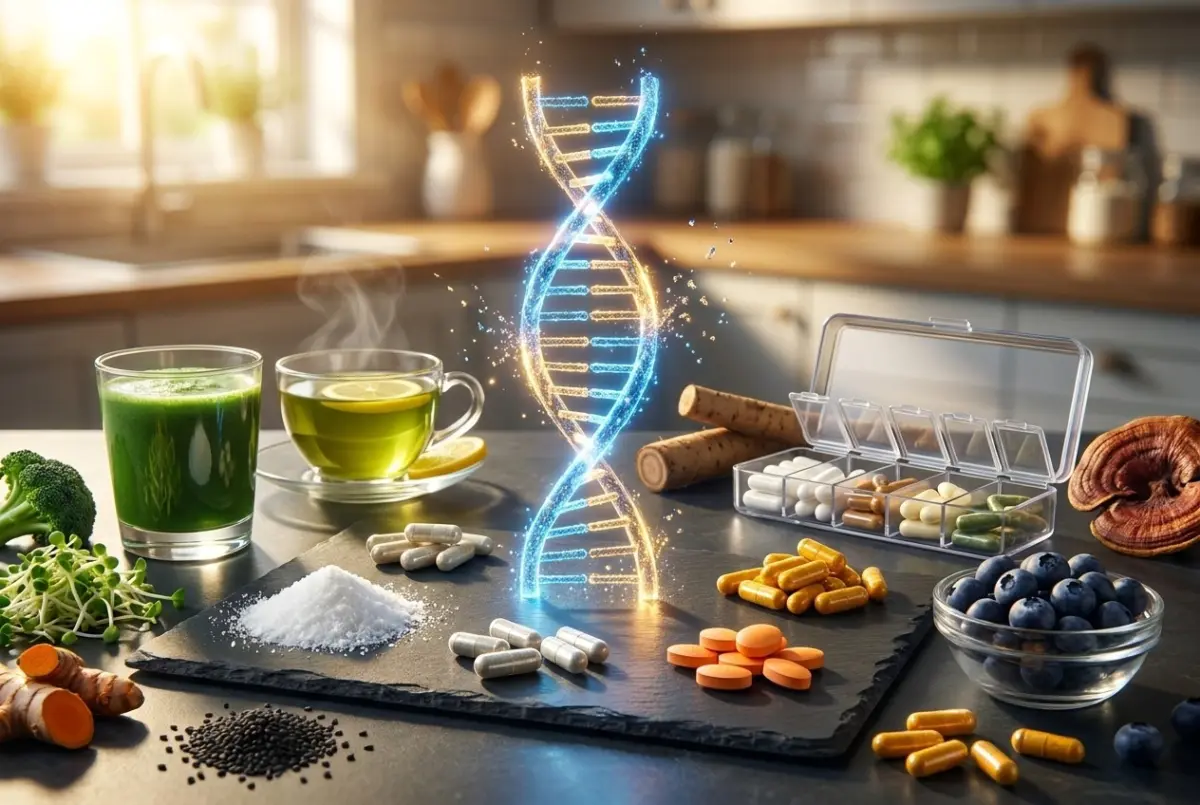
Introduction: Redefining the Paradigm of Genetic Destiny
For decades, modern conventional medicine has propagated a deterministic view of human biology—the notion that our genetic code is a fixed blueprint, handed down by ancestors and immutably sealed at birth. Emerging nutritional biochemistry and molecular biology, however, paint a vastly different picture. Genes are not static command centers; they constitute a dynamic, living repair system that requires continuous raw materials to maintain genomic stability.
In an era defined by compounding environmental stressors—ranging from experimental spike-protein technologies to the looming threat of radioisotope fallout amid global geopolitical instability—mainstream medical paradigms continue to overlook the profound intersection between nutrition and DNA repair. The human body possesses sophisticated, innate machinery designed to correct single-strand breaks, double-strand breaks, and oxidative lesions. Yet, without the precise biochemical cofactors, nucleotides, and antioxidants required to fuel these pathways, damage accumulates unchecked.
This comprehensive field manual outlines a targeted protocol utilizing specific minerals, vitamins, and genome-protective superfoods designed to fortify cellular integrity, optimize DNA repair mechanisms, and establish a resilient biological defense.
Main Facts: The Biochemistry of Genomic Defense
The human genome is under constant siege from endogenous metabolic byproducts and exogenous mutagens, including ionizing radiation, heavy metals, and reactive oxygen species (ROS). To counteract these threats, the cell relies on an intricate network of enzymatic repair pathways, antioxidant defenses, and structural micronutrients.
1. Essential Mineral Cofactors: Magnesium and Zinc
The foundational architecture of DNA repair cannot function without specific metallic cofactors.
- Magnesium: Acting as an enzymatic cofactor for more than 600 human biochemical reactions, magnesium is directly implicated in non-homologous end joining (NHEJ)—an emergency cellular response deployed when a full strand of DNA is compromised. While homologous recombination serves as the error-free repair mechanism active predominantly during the late S and G2 cell cycle phases, both pathways rely heavily on adequate intracellular magnesium availability.
- Zinc: Recognized increasingly as a silent sentinel for immune function and cellular defense, zinc stabilizes structural motifs within DNA-binding proteins and transcription factors. To optimize cellular uptake, zinc can be paired with natural ionophores such as quercetin, which shuttle the mineral across the lipid bilayer.
2. The Glutathione Axis and Vitamin C Synergy
Cellular redox balance is governed by the master antioxidant network, anchored by vitamin C and glutathione.
- Vitamin C: Beyond its role as a water-soluble antioxidant that directly neutralizes free radicals, vitamin C acts as a metabolic recycler, restoring oxidized vitamin E and maintaining the intracellular redox environment required for optimal functioning of DNA repair enzymes.
- N-Acetyl Cysteine (NAC): Serving as the rate-limiting precursor for glutathione synthesis, NAC provides the necessary cysteine residues to drive glutathione production, protecting cells against lipid peroxides, heavy metals, and oxidative damage.
3. Phytochemical Armory and Gene Activation
Plant-derived bioactive compounds function as direct signaling molecules that upregulate phase II detoxification enzymes and enhance cellular resilience.
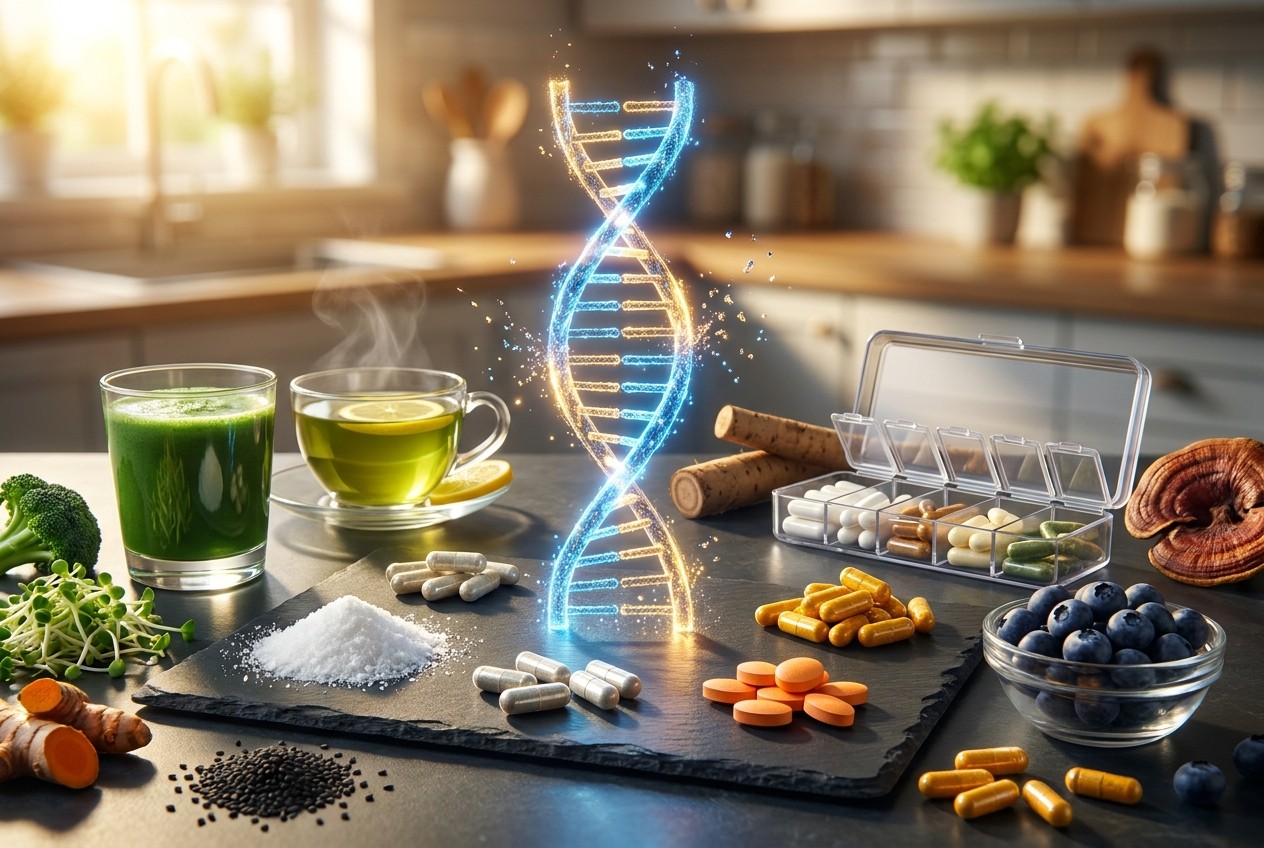
- Sulforaphane: Derived from cruciferous vegetables like broccoli sprouts, sulforaphane is a potent activator of the Nrf2 pathway, which regulates the expression of antioxidant proteins.
- Curcumin, EGCG, and Anthocyanins: These polyphenols exhibit targeted biological activities, from inducing selective apoptosis in compromised cells via epigallocatechin gallate (EGCG) to reducing cardiovascular and endothelial stress via anthocyanins found in dark berries.
Chronology: The Evolution of Nutritional Radioprotection and Genomic Medicine
The integration of specific dietary elements into structured survival and therapeutic protocols has evolved significantly over the past century:
- Post-WWII Era (Late 1940s–1950s): Initial scientific investigations into microalgae, specifically Chlorella and Spirulina, accelerated in response to global population growth concerns and the dawn of the atomic age. Researchers began identifying the rich nucleotide profiles and detoxification capabilities inherent in these ancient green organisms.
- Late 20th Century: Nutritional science formally classified essential trace elements and major minerals, mapping their precise roles in enzymatic catalysis, immune modulation, and nucleic acid synthesis. The discovery of Nrf2 activators revolutionized the understanding of how dietary phytochemicals can turn on endogenous cellular defense genes.
- Early 21st Century: The commercialization of advanced delivery systems—such as liposomal vitamin C and bioavailable curcumin extracts—allowed for therapeutic blood concentrations previously unattainable through whole-food consumption alone.
- Contemporary Landscape: Growing awareness of synthetic biotechnological interventions and radiological threats has driven a renewed focus on decentralized, self-directed health protocols. Individuals increasingly look to establish personal "genetic survival pharmacies" to proactively mitigate environmental mutagens.
Supporting Data: Micronutrient Mechanisms and Clinical Evidence
To evaluate the efficacy of a genomic defense protocol, one must examine the specific biochemical interactions documented in nutritional and toxicological literature:
| Nutrient / Compound | Primary Biological Role | Key Mechanism in DNA Repair / Defense | Optimal Administration Notes |
|---|---|---|---|
| Magnesium Glycinate | Major Mineral / Cofactor | Cofactor for >600 enzymatic reactions; supports non-homologous end joining (NHEJ). | 500 mg to 1g daily, split doses; separate from high-dose calcium and zinc. |
| Elemental Zinc | Trace Mineral / Sentinel | Immune support; structural stabilization of DNA-binding proteins. | 15–30 mg daily with protein; pair with quercetin; monitor copper balance long-term. |
| Vitamin C (Ascorbic Acid) | Antioxidant / Cofactor | Neutralizes ROS; recycles glutathione and vitamin E; maintains cellular redox state. | 500–1,000 mg split doses daily; liposomal forms enhance bioavailability. |
| N-Acetyl Cysteine (NAC) | Glutathione Precursor | Supplies rate-limiting cysteine for intracellular glutathione synthesis. | ~500 mg daily; separates from minerals due to potential chelation effects. |
| Sulforaphane | Phytochemical | Potent Nrf2 pathway activator; upregulates phase II detoxification enzymes. | Generated via thoroughly chewed or chopped fresh broccoli sprouts; requires myrosinase activity. |
| Nascent Iodine | Trace Mineral / Isotope Blockade | Saturates thyroid receptors to competitively inhibit the uptake of radioactive iodine-131. | Used strictly in emergency contexts under professional guidance; separate from vitamin C. |
Official Responses & Institutional Perspectives
The divergence between conventional medical institutions and holistic longevity researchers regarding genome-protective nutrition remains stark.
- The Conventional Medical Stance: Mainstream clinical guidelines typically maintain that a standard, balanced diet provides sufficient micronutrients for the average population, viewing targeted high-dose supplementation largely as unnecessary outside of clinically diagnosed deficiency states (e.g., scurvy, iron-deficiency anemia). Regulatory bodies emphasize pharmaceutical interventions, acute trauma care, and radiation countermeasures (such as government-stocked potassium iodide stockpiles) while largely dismissing the prophylactic role of daily dietary phytochemicals and adaptogenic botanicals in mitigating chronic oxidative stress.
- The Integrative and Functional Medicine Perspective: Conversely, integrative toxicologists and genetic researchers argue that conventional Recommended Daily Allowances (RDAs) are often calibrated merely to prevent overt deficiency diseases rather than to optimize longevity, DNA repair efficiency, or resilience against modern environmental mutagens. Proponents of proactive nutritional protocols assert that because modern food systems are frequently depleted in trace minerals due to intensive agricultural practices, targeted supplementation of cofactors like magnesium, zinc, and antioxidants is a vital, rational strategy for long-term health preservation.
Implications: Taking Ownership of Genetic Resilience
The realization that genes operate as a dynamic, nutrient-dependent repair system carries profound implications for personal health autonomy. Relying exclusively on a reactive medical infrastructure that historically prioritizes disease management over foundational cellular optimization leaves individuals vulnerable to accumulating genetic damage.
1. Shift from Reactive Care to Proactive Defense
Environmental mutagens—ranging from chemical pollutants and heavy metals to low-level background radiation and synthetic biotechnological exposures—generate continuous cascades of free radicals that deplete endogenous glutathione. Waiting until a biological crisis occurs to implement countermeasures is fundamentally flawed. Establishing a daily nutritional template ensures that cellular repair machinery remains fully stocked with necessary cofactors before insults occur.
2. Practical Daily Implementation Strategy
Structuring a comprehensive nutritional regimen requires careful timing to avoid competitive mineral absorption and chemical interactions:
- Morning: Initiate with nascent iodine on an empty stomach (when indicated for radiological defense), followed by a nutrient-dense breakfast including medicinal mushrooms (e.g., Reishi), fat-soluble vitamins (D3 with K2), zinc, and quercetin alongside green tea.
- Mid-Day: Introduce vitamin C and freshly prepared broccoli sprout powder to sustain antioxidant levels and Nrf2 activation. Lunch should incorporate healthy fats to facilitate the absorption of lipid-soluble compounds like curcumin and anthocyanins.
- Afternoon & Evening: Additional divided doses of vitamin C, paired with microalgae such as Chlorella or Spirulina for nucleotide supply and gentle detoxification. Conclude the evening meal with astaxanthin, magnesium glycinate, and NAC to support overnight cellular repair and glutathione replenishment.
3. Conclusion: The Sovereign Health Model
Ultimately, navigating an increasingly complex toxicological landscape requires individuals to abandon the passive outsourcing of their biological well-being. By combining rigorous dietary awareness, targeted micronutrient supplementation, and a commitment to independent research, anyone can transform their lifestyle into an active defense mechanism. Your genetic code is not a predetermined death sentence; it is an intelligent, living repair system awaiting the raw materials necessary to help you thrive for a lifetime.