









By [Author Name]
Medical & Science Desk
Main Facts: The Intersection of Diet, Genetics, and Cognitive Aging
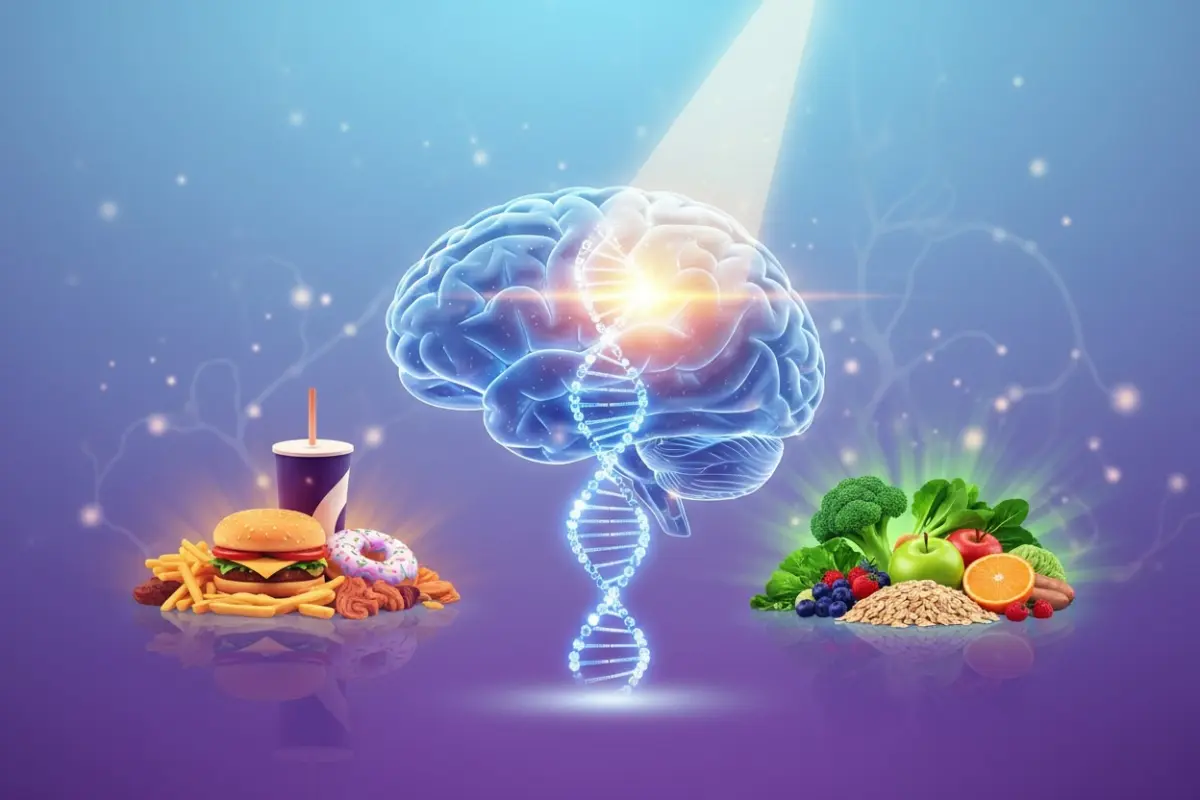
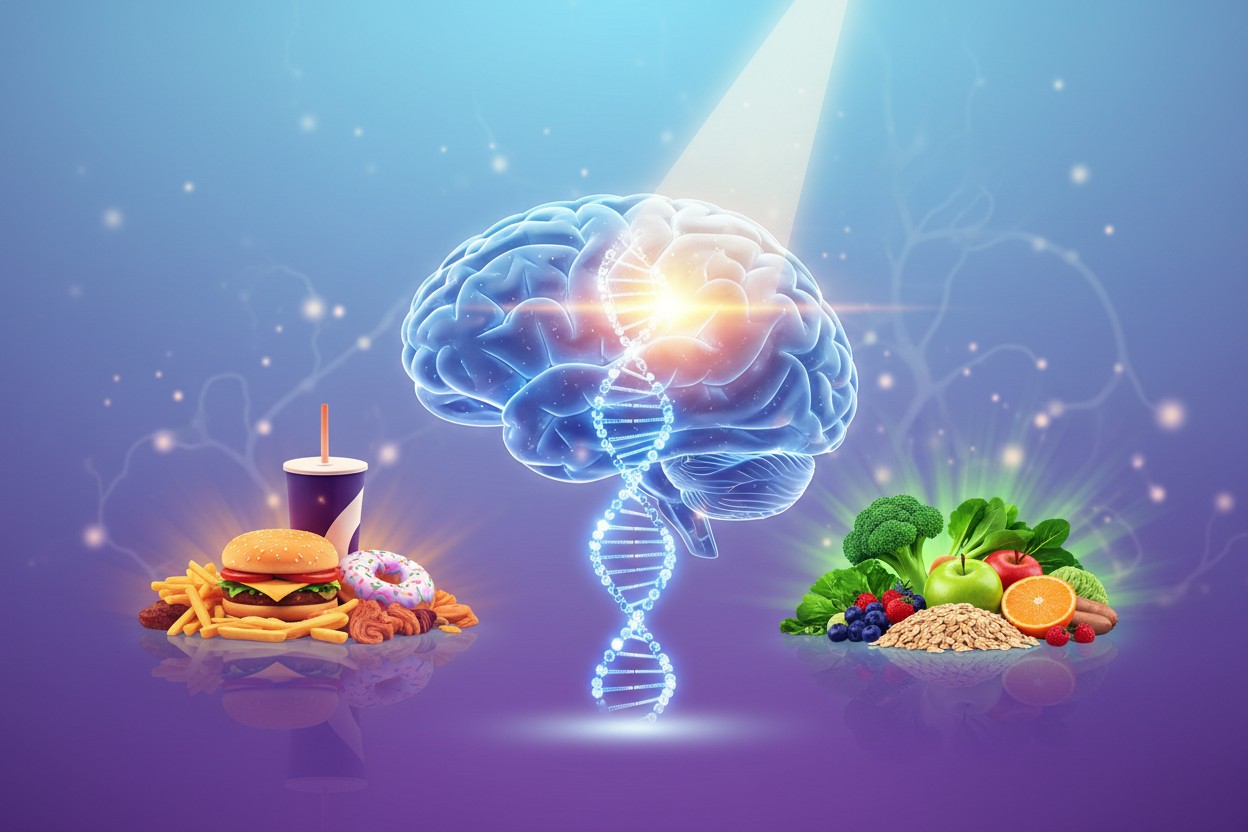
A growing body of scientific inquiry continues to illuminate the complex relationship between what we eat, our genetic makeup, and how our brains age. At the center of this discourse is a recent study from the Western Australia Memory Study, which followed 185 older adults without baseline dementia for up to 90 months.
Researchers discovered an association between a "Western dietary pattern"—characterized by high consumption of processed, energy-dense foods and lower intake of plant-based whole foods—and a faster decline in attention. Crucially, this accelerated decline was observed exclusively among participants carrying the APOE ε4 gene variant, a well-known genetic risk factor for Alzheimer’s disease. Interestingly, the association did not extend to other cognitive domains such as memory or language, nor did it appear among study participants who lacked the APOE ε4 variant.
However, the path from observational data to definitive medical advice is rarely straightforward. When the research team excluded 19 participants who already exhibited subtle signs of possible cognitive impairment at the study’s onset, the statistical significance of the association weakened and ultimately disappeared. This vital caveat highlights the observational nature of the research: the study does not prove that a Western diet directly causes attention to decline, nor does it establish that altering one’s diet will automatically prevent cognitive deterioration.
Despite these limitations, the findings contribute valuable context to a broader scientific conversation regarding ultraprocessed foods, metabolic health, and the ways in which genetic predispositions interact with daily lifestyle choices.
Chronology: The Evolution of Diet-Cognition Research
The journey to understanding how diet influences cognitive aging spans decades of nutritional epidemiology, genetic mapping, and clinical observation.
- Early Epidemiological Observations (Late 20th Century): Researchers began noting wide geographic and cultural variations in the prevalence of neurodegenerative conditions like Alzheimer’s disease. Notably, studies highlighted a stark contrast in dementia rates across different global populations, prompting scientists to look beyond mere lifespan to environmental and dietary drivers.
- The Genetic Era and APOE ε4 (Early 2000s): The identification of the APOE ε4 gene variant as a primary genetic risk factor for late-onset Alzheimer’s disease shifted the paradigm. Scientists began investigating whether genetic profiles dictate how the human body—and brain—processes various nutritional components, such as dietary fats and antioxidants.
- Global Observational Cohorts (2010s): Large-scale prospective studies across France, the Netherlands, Scandinavia, and the United States started tracking dietary patterns—such as the Mediterranean diet versus the Western diet. Findings suggested that components like long-chain omega-3 fatty acids could slow cognitive decline, though the protective benefits frequently varied depending on whether a participant carried the APOE ε4 allele.
- The Western Australia Memory Study & Recent Analyses (Recent Years): Researchers tracked 185 older adults for up to 90 months, isolating the specific impacts of dietary patterns on distinct cognitive domains among APOE ε4 carriers. Parallel studies, including a notable 2,100-participant Australian cohort analysis published in Alzheimer’s & Dementia: Diagnosis, Assessment & Disease Monitoring, further isolated attention as a primary domain vulnerable to ultraprocessed food intake.
- Metabolic Health Integrations (2025): Clinical focus expanded further into metabolic drivers. A prominent 2025 study published in Neurology revealed that middle-aged adults suffering from metabolic syndrome faced a 24% higher risk of developing early-onset dementia before age 65, cementing the link between vascular health, systemic inflammation, and brain longevity.
Supporting Data and Clinical Insights
To fully contextualize the Western Australia Memory Study, neuroscientists and epidemiologists look to a wide array of concurrent investigations exploring diet, specific nutrients, and metabolic markers.
Ultraprocessed Foods and Attention Deficits
The finding that attention is uniquely vulnerable to dietary influences aligns with independent research focusing on ultraprocessed foods (UPFs). Data analyzed from over 2,100 middle-aged and older Australian adults demonstrated that for every 10% increase in daily calories derived from ultraprocessed foods, attention scores dropped by a small but statistically measurable amount.
Lead author Dr. Barbara Cardoso of Monash University and other nutritional psychiatrists have noted that attention problems—manifesting as brain fog, distractibility, slower cognitive processing speeds, and mental fatigue—often manifest long before clinical memory loss becomes apparent. Experts suggest these symptoms may serve as early indicators of metabolic stress within the central nervous system.
Targeted Nutrients and Cognitive Resilience
Beyond broad dietary patterns, clinical trials isolating specific dietary compounds have yielded intriguing results regarding cognitive preservation:
- Choline Intake: A longitudinal study tracking 6,610 adults aged 55 to 75 over a two-year period found that higher dietary choline intake correlated with reduced attention decline and improved language scores, even after adjusting for age, physical activity, and overall diet quality.
- Anthocyanins and Berries: In a controlled trial involving 30 participants, a daily dose of strawberry powder containing 36.8 milligrams of anthocyanins (roughly equivalent to one cup of fresh strawberries) produced significant reductions in verbal memory interference and lower scores on depression inventories compared to a placebo group.
- Olive Oil and the Gut-Brain Axis: Emerging research into extra virgin olive oil quality has revealed intricate pathways linking lipid profiles, gut microbiome composition, and enhanced cognitive performance.
Metabolic Syndrome and Vascular Risk
The dialogue surrounding brain health cannot be separated from systemic metabolism. The 2025 Neurology study emphasizing metabolic syndrome underscores that poor diets high in refined sugars, unhealthy fats, and processed ingredients do not merely affect waistlines. They actively contribute to chronic systemic inflammation, endothelial dysfunction, and damaged blood vessels, ultimately reducing vital cerebral blood flow necessary for sharp cognitive function.
Official Responses and Scientific Perspectives
The medical and scientific communities have approached the Western Australia Memory Study with a balanced mix of intrigue and rigorous skepticism, emphasizing the absolute necessity of nuance when communicating nutritional science to the public.
Epidemiologists and geneticists point out that while gene-diet interactions represent an exciting frontier in personalized medicine, observational data must not be misconstrued as definitive proof of causation. Dr. Cardoso and other prominent researchers in nutritional cognitive aging emphasize that human dietary habits are notoriously difficult to isolate from confounding lifestyle variables, such as socioeconomic status, baseline physical activity, sleep hygiene, and stress levels.
Furthermore, gerontologists caution against deterministic thinking regarding the APOE ε4 variant. Carrying the gene increases risk, but it does not guarantee the development of cognitive decline or Alzheimer’s disease. Experts stress that lifestyle factors—including cardiovascular fitness, lifelong learning, and social engagement—interact dynamically with genetics.
Regarding global shifts in diet, public health officials have also monitored population-level changes, such as the rising prevalence of Alzheimer’s disease in Japan over recent decades. Some researchers attribute this trend partly to a generational departure from traditional rice-and-vegetable diets toward Westernized models featuring significantly higher dairy and meat consumption. However, consensus groups maintain that these epidemiological shifts are multi-factorial, driven by aging demographics, advances in diagnostic criteria, and sweeping environmental changes alongside dietary evolution.
Implications: Practical Takeaways for Brain Health
While the study does not offer a simple dietary prescription guaranteed to ward off cognitive decline, it reinforces a growing consensus among geriatricians and nutritionists regarding overall wellness.
1. Shift Toward Nutrient-Dense, Whole Foods
Rather than focusing on rigid food elimination, nutritional experts advocate for building balanced plates centered around whole or minimally processed carbohydrates, lean proteins, healthy fats, and an abundant variety of colorful produce. Emphasizing plant-based foods—such as leafy greens, whole grains, berries, and healthy oils—provides a spectrum of antioxidants and micronutrients that support both vascular and neurological health.
2. Keep Ultraprocessed Foods in Perspective
The emerging data linking ultraprocessed foods to subtle attention deficits and mental fatigue suggest that moderation is key. Reducing the proportion of daily calories derived from highly industrialized, energy-dense, and nutrient-poor formulations can alleviate metabolic stress and systemic inflammation, benefiting both the cardiovascular system and the brain.
3. Account for Individual Differences (Genetics and Metabolism)
As personalized nutrition advances, researchers anticipate a future where dietary recommendations can be tailored more precisely to an individual’s genetic profile—such as APOE status—and metabolic health markers. For now, individuals with a family history of neurodegenerative conditions or metabolic syndrome are encouraged to work closely with healthcare providers to monitor cardiovascular health, maintain healthy blood sugar levels, and adopt lifestyle patterns that foster long-term cognitive resilience.
Ultimately, the intersection of diet, genetics, and aging remains an evolving field of study. By viewing food not merely as fuel, but as a complex biochemical signal that interacts with our unique genetic architecture, science moves steadily closer to optimizing brain health across the human lifespan.