Rethinking Water Conservation: Why Your Diet Matters More Than Shaving Minutes Off Your Shower

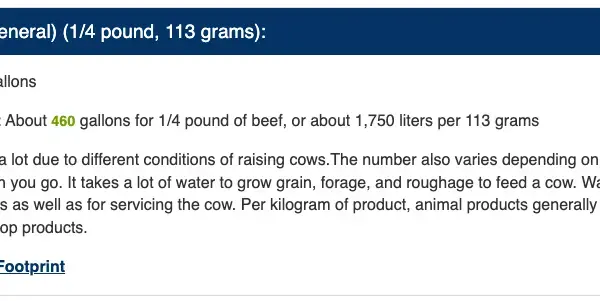
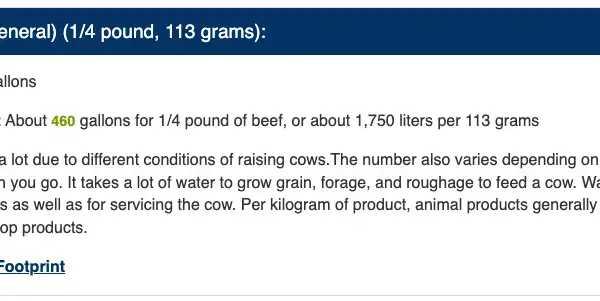
By Global Environmental Desk Main Facts For decades, environmental messaging has relied on a familiar set of lifestyle adjustments to promote sustainability. Chief among them is the ubiquitous advice to shorten our daily showers. Consumers are routinely told that trimming two minutes off their daily bathroom routine is a vital step toward preserving global water…
Read Full News

Rethinking Water Conservation: Why Your Diet Matters More Than Shorter Showers

By Scott Cooney Published in partnership with Green Living Ideas Main Facts For decades, environmental advocacy campaigns have relied on a familiar set of behavioral directives to promote personal sustainability. Among the most common pieces of advice offered to eco-conscious consumers is to turn off the tap while brushing teeth, water lawns only at night,…

Read Full News

Rethinking Water Conservation: Why Your Diet Matters More Than Shorter Showers

By Global Environmental Desk Published: October 2023 Main Facts: Shifting the Focus of Water Conservation For decades, the standard eco-friendly advice doled out to environmentally conscious citizens has centered on daily lifestyle tweaks. Turn off the tap while brushing your teeth, fix leaky faucets, and, perhaps most persistently, shave a couple of minutes off your…

Read Full News

Rethinking Conservation: Why Your Diet Has a Bigger Water Footprint Than Your Shower

Main Facts: The Hidden Water Cost of Everyday Habits For decades, well-meaning environmental advice has centered on individual micro-habits around the house. Turn off the tap while brushing your teeth, fix that dripping faucet, and, most famously, shave two minutes off your daily shower. The narrative is familiar, frequently broadcast in public service announcements and…

Read Full News

Rethinking Water Conservation: Why Shaving Minutes Off Your Shower Pales in Comparison to Your Diet

By [Author Name] Published: Environmental Policy & Sustainable Living Desk Main Facts: The Hidden Water Footprint in Everyday Choices For decades, well-meaning environmental advice has centered on individual household habits. Turn off the tap while brushing your teeth, fix leaky faucets, and, most famously, shorten your daily shower. The prevailing narrative suggests that by sacrificing…

Read Full News

Beyond Diet and Lifestyle: Groundbreaking Study Links Common Herbicide to Early-Onset Colorectal Cancer

October 6, 2026 By Staff Medical and Environmental Correspondent Main Facts The medical and scientific communities have spent years grappling with an alarming epidemiological puzzle: a mysterious, steady surge in early-onset colorectal cancer (EOCRC). Traditionally viewed as a disease predominantly affecting older adults—typically those over the age of 70—colorectal cancer is striking patients in their…

Read Full News

Midlife Dietary Choices Shape Long-Term Cognitive Health: A Landmark Study Points to the DASH Diet

By Ava Durgin Published: September 30, 2026 For decades, the global scientific community has chased a singular nutritional Holy Grail: the identification of the absolute "best" diet for human brain health. While the Mediterranean diet has historically commanded the spotlight, and plant-forward variations regularly receive honorable mentions, almost every structured eating plan asserts some form…

Read Full News

Beyond Diet and Exercise: Why Life Stability Is the "Invisible" Driver of Accelerated Aging

By Zhané Slambee Published: September 28, 2026 You meal-prep your greens, religiously hit your weekly step count, carve out time for mindfulness, and obsess over your eight hours of deep sleep. You have mastered the conventional blueprint for longevity. Yet, despite your best efforts to optimize your biological age, you might be ignoring a critical…

Read Full News

Nourishing the Mind: How the MIND Diet and Cognitive Training Show Promising Results for Brain Health

Forgetting a name mid-sentence, blanking on why you walked into a room, or momentarily losing your train of thought are universal human experiences. As we age, these occasional lapses become a normal part of the cognitive landscape. However, when memory slips and thinking changes become more frequent, pronounced, and noticeable to both the individual and…

Read Full News