LOS ANGELES — In the ever-expanding global crystal and metaphysical market, consumers are increasingly finding themselves navigating a labyrinth of clever marketing, renamed minerals, and outright fabrications. At the epicenter of this modern geological sleight of hand is a newcomer that has flooded online storefronts and crystal boutiques worldwide: "Blue Rose Quartz."
Long-time educators, geologists, and certified practitioners are sounding the alarm, pointing out that this viral stone is not a rare genetic mutation of love’s favorite pink mineral, but rather a marketing-driven rebranding of low-grade, abundant quartz—or in some cases, heat-treated amethyst and glass. As spiritual consumers invest hard-earned money into stones marketed with ethereal new monikers, experts are pushing back through education, demanding transparency in an industry historically vulnerable to misinformation.
Main Facts: What is "Blue Rose Quartz"?
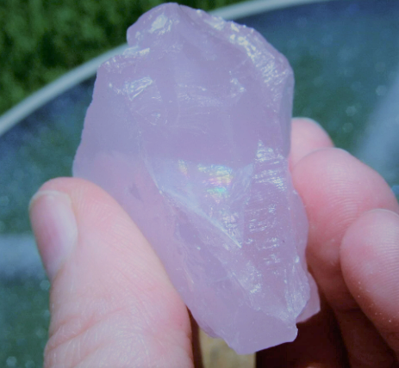
To understand the controversy surrounding "Blue Rose Quartz," one must first examine the mineralogical definition of true Rose Quartz. By scientific standards, Rose Quartz is a pink variety of the mineral quartz ($textSiO_2$). Its signature rosy hue is attributed to microscopic, nanofibrous inclusions of a mineral closely related to dumortierite embedded within the crystal matrix.
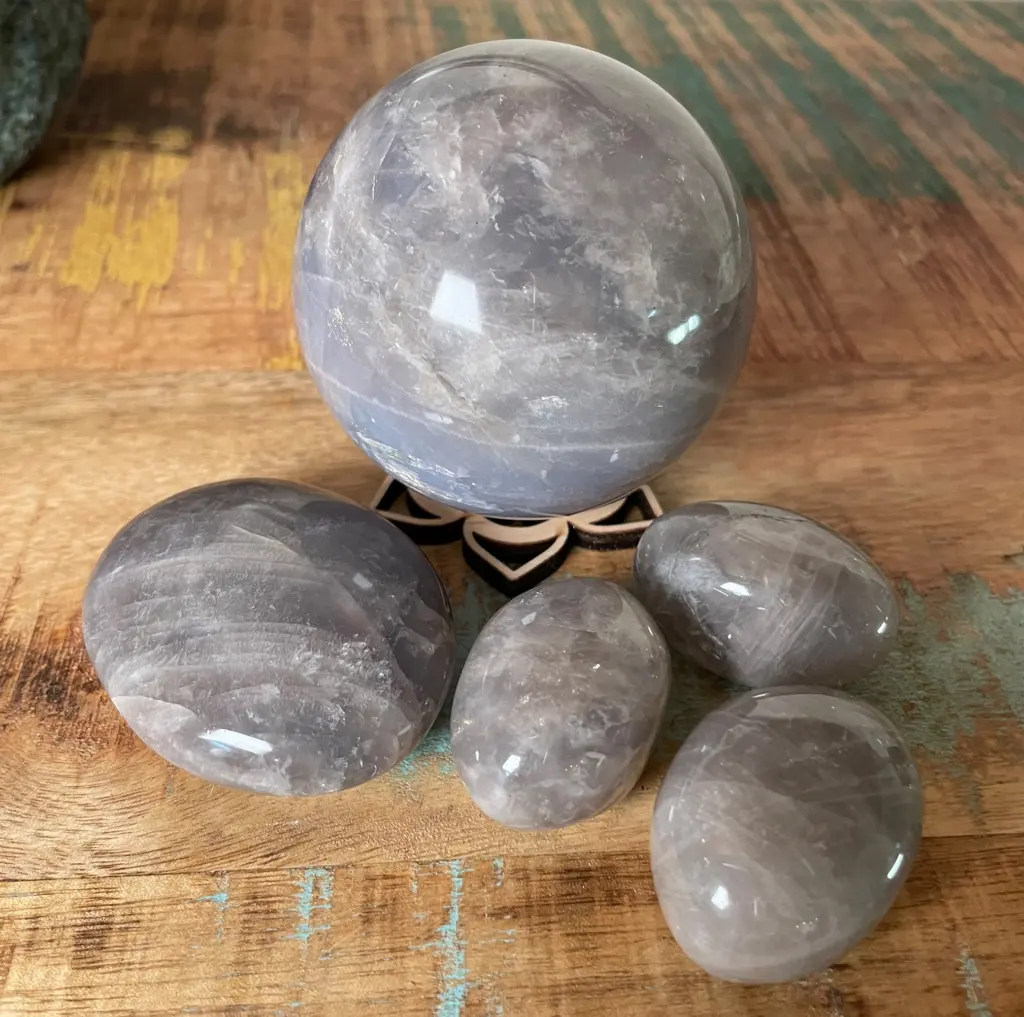
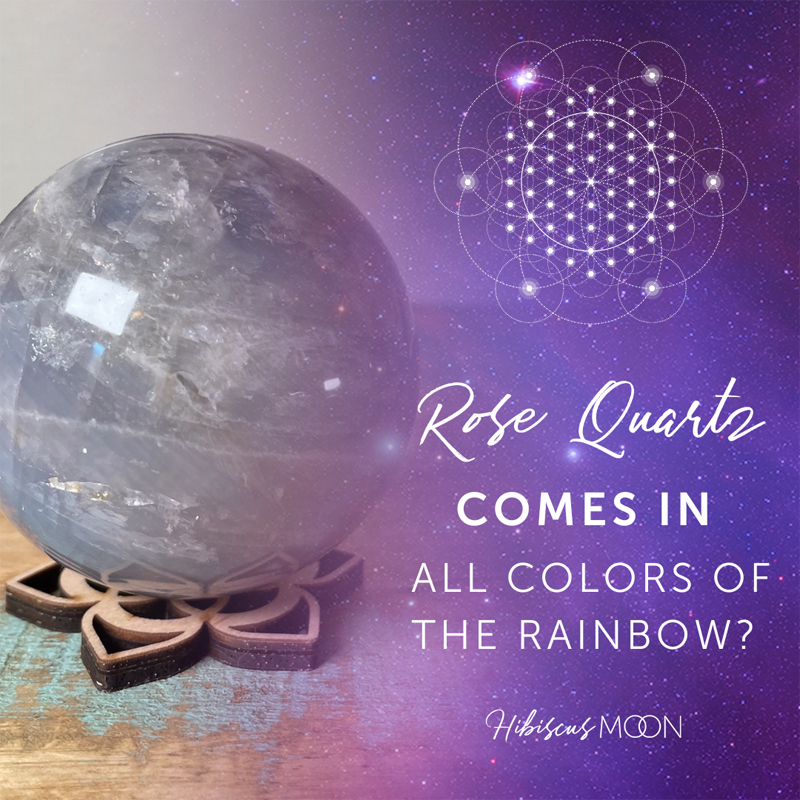
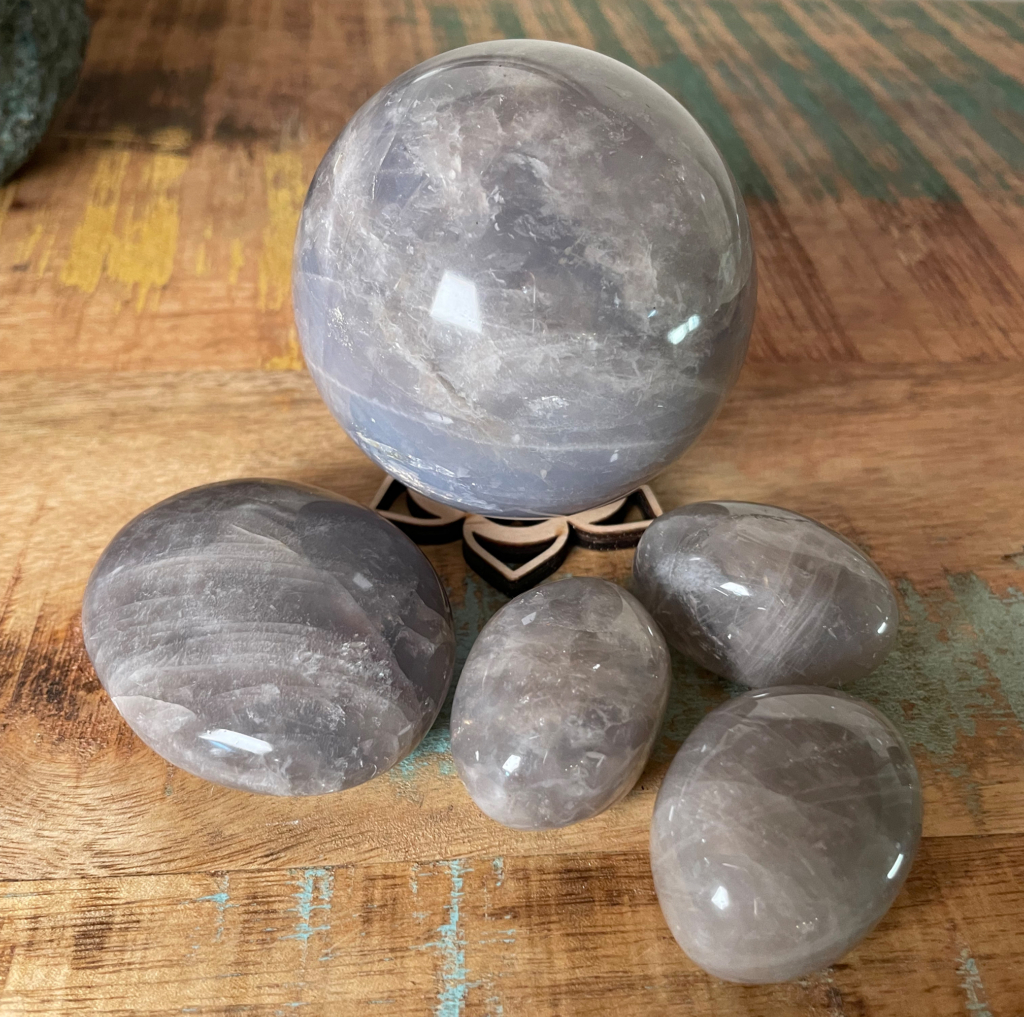
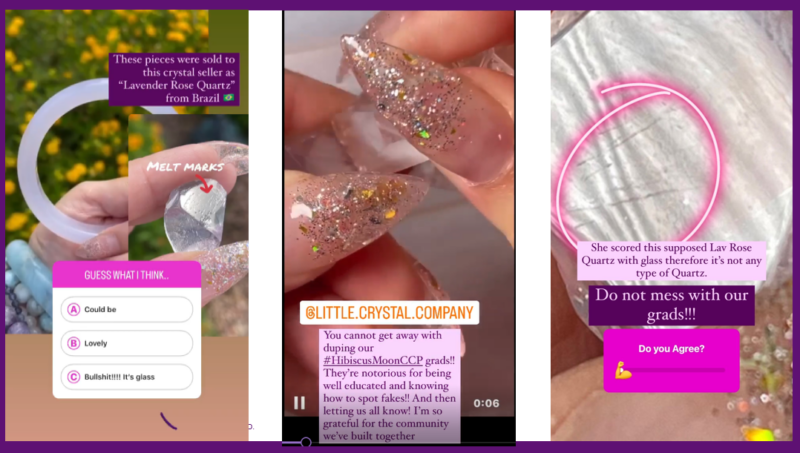
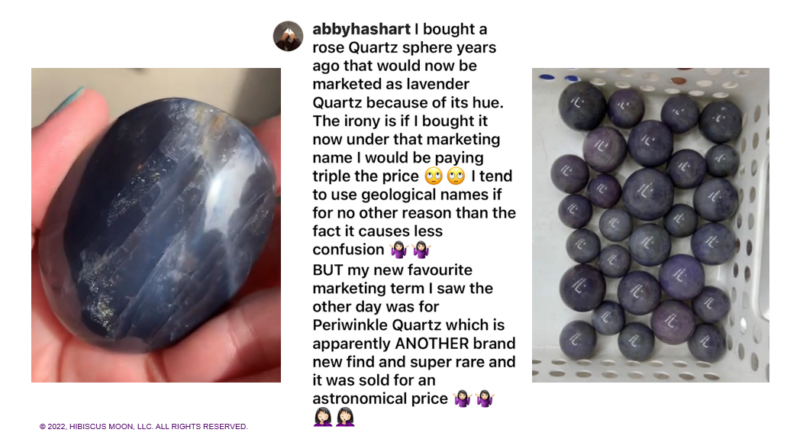
If a quartz specimen does not exhibit this distinct pink coloration, it fundamentally cannot be classified as true rose quartz. Yet, vendors across platforms like Etsy, Instagram, and specialized crystal shops have begun marketing hazy, bluish-white, or lavender-tinged stones originating primarily from Madagascar as "Blue Rose Quartz," and in some extreme instances, "Black Rose Quartz."
Geological investigations and mineralogical assays reveal that these stones are frequently:
Low-grade Quartz or Amethyst: Often categorized historically as "D-grade" or "C-grade" pale amethyst or milky quartz, which carries little commercial value under traditional gemstone grading standards.
Girasol Quartz / Opalized Quartz: Formed when silica solutions harden inside empty mineral pockets, sometimes accelerated via laboratory processes. Heating low-grade amethyst above 932°F (500°C) can bleach out the purple, leaving behind a milky, opalescent sheen with bluish-white light scattering—a phenomenon known as the girasol effect.
Glass Simulants: In worst-case scenarios, manufactured glass is molded and sold to unsuspecting buyers seeking rare, high-vibration spiritual tools.
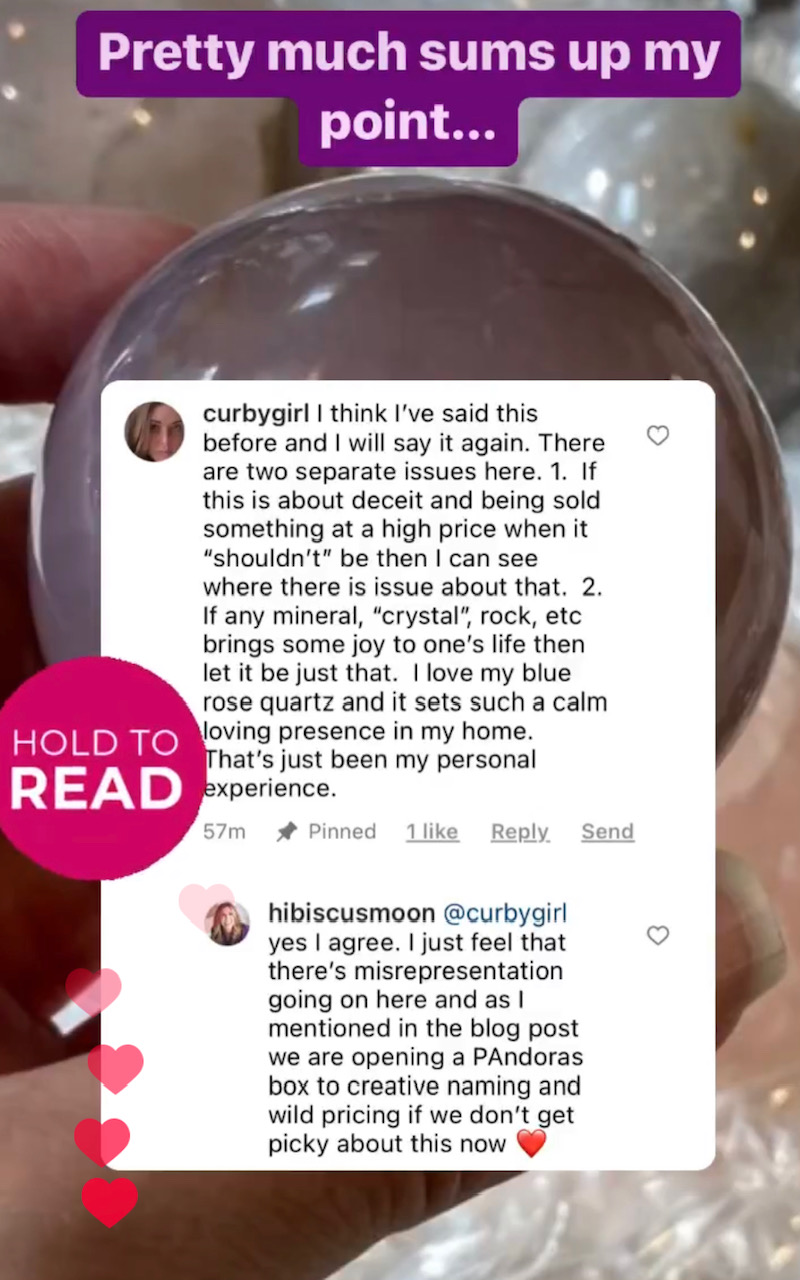
The core issue is not necessarily the energetic utility of the stone—as many practitioners argue that lower-grade minerals still hold personal and spiritual value—but rather the ethical implications of renaming abundant, inexpensive inventory with exotic, high-priced spiritual titles to artificially inflate costs.
Chronology of a Market Trend: How the Deception Spread
The proliferation of "Blue Rose Quartz" did not happen overnight; it is the culmination of years of shifting supply chains and digital marketing trends.
Pre-2010s: Traditional stone and mineral markets utilized clear, diamond-like grading systems (ranging from AAA down to D). Pale, hazy, or unevenly colored quartz and amethyst were routinely sold in bulk as low-tier decorative or carving stones at nominal prices.
2010: Crystal education pioneers, including geological and metaphysical educators, launched early digital campaigns to expose common market fakes, establishing an initial community defense against synthetic goldstone, lab-grown "bismuth," and dyed agates.
2020–2022: As the wellness and crystal industries experienced a massive digital boom during the COVID-19 pandemic, online video platforms and social media accelerated the demand for "rare" and aesthetically unique crystals. Wholesalers and international suppliers began flooding the market with batches of hazy, bluish-tinted quartz from Madagascar.
Late 2022: Certified Crystal Practitioners (CCPs) and vigilant students began noticing an influx of listings for "Blue Rose Quartz" and "Black Rose Quartz." Questions flooded educational forums, prompting deep-dive investigations by veteran geologists, mineral educators, and independent boutique owners.
Present Day: A decentralized movement of crystal educators, authors, and ethical sellers continues to push for mandatory mineralogical transparency, urging buyers to look past spiritual marketing buzzwords and demand scientific accountability.
Supporting Data and Mineralogical Analysis
The pushback against "Blue Rose Quartz" is anchored in empirical science. Recognizing the need for concrete proof, independent ethical crystal retailers have gone so far as to commission official geological assay reports on market samples.
Data compiled by specialized mineral outlets, such as Little Lemuria, alongside insights from former science department heads and Master’s-level geologists, highlight a stark discrepancy between vendor claims and laboratory realities. When analyzed via spectrometry and mineral testing, the stones marketed under premium spiritual names consistently match the chemical signature of common, low-cost macrocrystalline quartz or thermally altered amethyst.
Furthermore, historical grading metrics within the gem and mineral trade demonstrate how economic incentives drive these naming conventions. Under classic gemstone assessment:
AAA Grade: Exceptional clarity, saturated color, and high market demand.
AB/B Grade: Standard commercial quality with minor inclusions or lighter color saturation.
C/D Grade: Highly included, opaque, hazy, or unevenly colored stones traditionally sold in bulk by weight for lapidary work or inexpensive specimens.
By discarding the traditional grading system and introducing creative trade names like "Blue Rose Quartz" or "Girasol Lavender Quartz," distributors can bypass the baseline expectations of the D-grade market, transforming inexpensive bulk material into high-ticket collector items.
Official Responses and Industry Reactions
The crystal community’s reaction to the "Blue Rose Quartz" phenomenon highlights a profound ideological divide between commercial suppliers and ethical educators.
Independent crystal retailers, many of whom hold certifications from recognized crystal academies, have taken to social media and public forums to publish comparative guides, urging their peers to stop purchasing misrepresented stock. Educational platforms have instituted strict community guidelines, prohibiting the public shaming or doxxing of individual sellers while aggressively targeting the systemic misinformation propagated by upstream wholesalers.
Prominent figures in the crystal education space emphasize that the issue is not the physical beauty of the stones themselves—as aesthetics remain subjective—but the erosion of consumer trust.
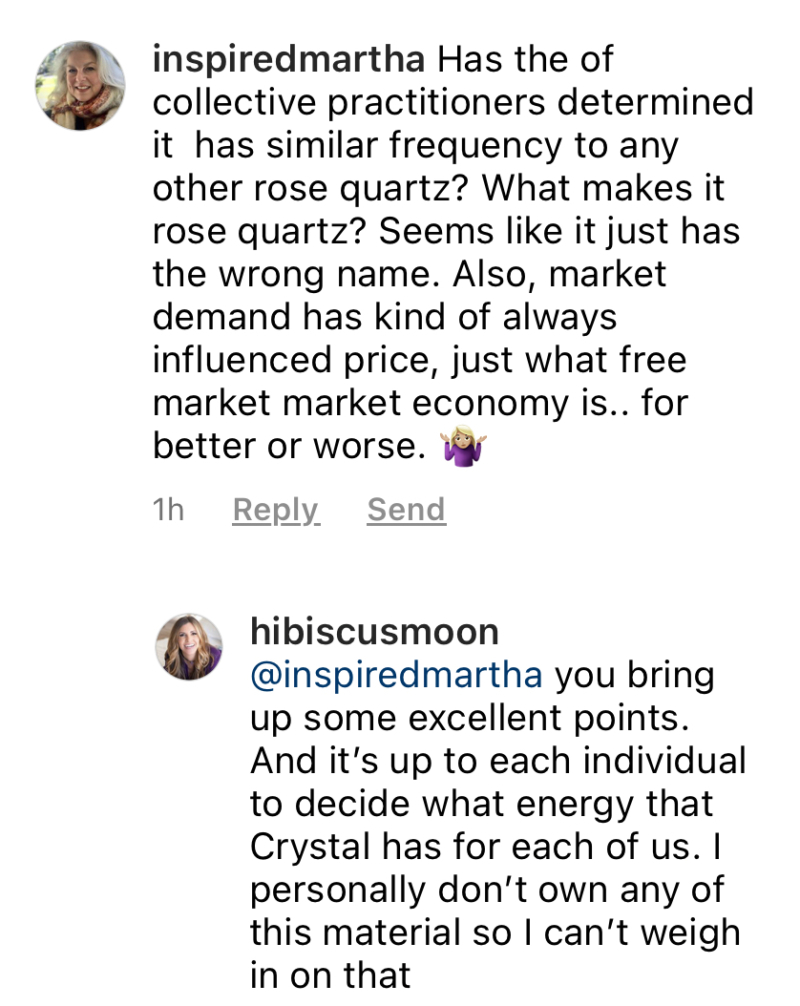
"This, for the most part, is D-grade low-grade Rose Quartz," noted prominent crystal author and former science educator Hibiscus Moon. "It seems obviously more lucrative to forgo the grading system and rename it something spiritual and ethereal. If it’s blue, or any color other than pink to your eyeball, it cannot be called Rose Quartz. End of story."
While major commercial wholesalers have largely remained silent—relying on vague descriptions like "rare spiritual variant" or "unique locality find"—independent mineral dealers are increasingly adopting a policy of radical transparency, voluntarily publishing source locations and lab testing results to reassure discerning buyers.
Implications for Consumers and the Future of the Crystal Market
The rise of manufactured trade names like "Blue Rose Quartz" carries significant implications for both the metaphysical community and the broader gemstone market.
1. Financial Exploitation and Valuation Disconnect
When common minerals are rebranded under false pretenses, consumers pay exponential markups for materials that are fundamentally abundant. This artificial scarcity drives up costs across the board, making authentic, high-grade specimens harder for average enthusiasts to afford while padding the profit margins of deceptive suppliers.
2. The Erosion of Energetic Integrity
For practitioners who view crystals as active energetic partners or tools for holistic healing, misrepresentation introduces a psychological and energetic hurdle. When a buyer discovers that their "rare blue quartz" is actually heat-treated, low-grade amethyst or common milky quartz sold under a fake name, it shatters the trust essential to their practice.
3. The Shift Toward Consumer-Led Policing
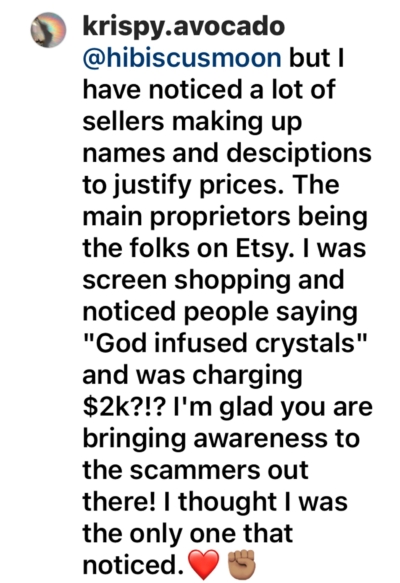
With formal regulatory oversight virtually nonexistent in the metaphysical retail sector, the burden of quality control has fallen squarely on the shoulders of the "Crystal Family"—an interconnected network of educated practitioners, students, and ethical small-business owners. Through digital advocacy, shared assay reports, and continuous education, this community is establishing a new standard of accountability.
Conclusion: Buyer Beware
As the global market continues to evolve, experts agree that the single best defense against crystal misrepresentation is education. Consumers are advised to adopt a policy of healthy skepticism, relying on foundational geological knowledge rather than flashy marketing copy.
By questioning the origin of stones, demanding verifiable mineral data, and refusing to normalize gimmicky trade names, the crystal community can ensure that the trade remains rooted in authenticity, respect for the Earth, and true geological appreciation.