








WASHINGTON — In an era defined by hyper-connectivity, relentless digital notifications, and mounting daily stressors, a restful night’s sleep has increasingly become an elusive luxury. For millions struggling with insomnia, racing thoughts, and sleep disruption driven by modern lifestyles, the pursuit of holistic rest is prompting a return to analog, tactile wellness rituals. Among the latest trends capturing the attention of lifestyle experts and wellness enthusiasts alike is the creation of homemade aromatherapy soaps—specifically, dreamy, cloud-swirled lavender "sleep soaps" designed to transform an ordinary evening shower into a restorative, neurological sanctuary.
Merging the sensory appeal of luxury cosmetic brands with the satisfaction of hands-on crafting, this movement offers more than just aesthetic pleasure. By pairing the therapeutic benefits of a hot shower with custom-blended essential oils, individuals are discovering a powerful, non-pharmaceutical mechanism to signal the nervous system that it is time to unwind.

Main Facts: The Anatomy of a Sleep-Inducing Routine
The core philosophy behind the sleepy-time soap trend is deceptively simple: harness the physiological power of thermal hydrotherapy and olfactory aromatherapy to bridge the gap between wakefulness and restorative sleep.
Modern sleep science increasingly emphasizes the importance of environmental cues in regulating the circadian rhythm. When a person steps into a hot shower before bed, the warm water acts as a physical vasodilator. As blood vessels expand, the body’s core temperature drops rapidly upon exiting the shower—a biological signal that mimics the natural temperature decline the body undergoes when preparing for sleep.

When this thermal shift is paired with the inhalation of targeted essential oils, the nervous system receives a dual-action signal to downshift. Lavender, cedarwood, bergamot, and Roman chamomile have long been studied for their anxiolytic (anti-anxiety) properties. Inhaling these botanical compounds can lower heart rate, reduce blood pressure, and decrease cortisol levels, effectively turning off the body’s "fight or flight" sympathetic nervous system and activating the parasympathetic "rest and digest" response.
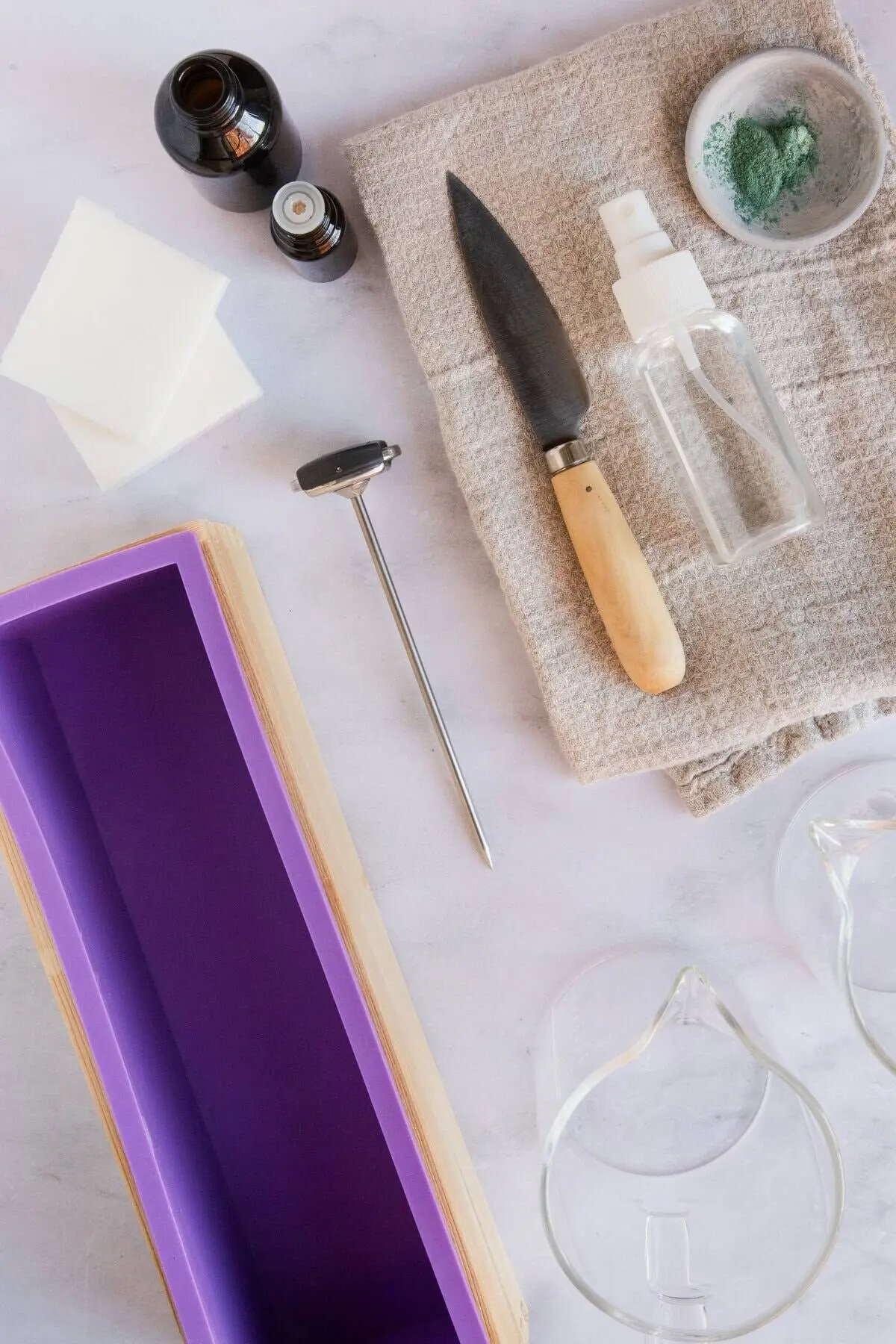
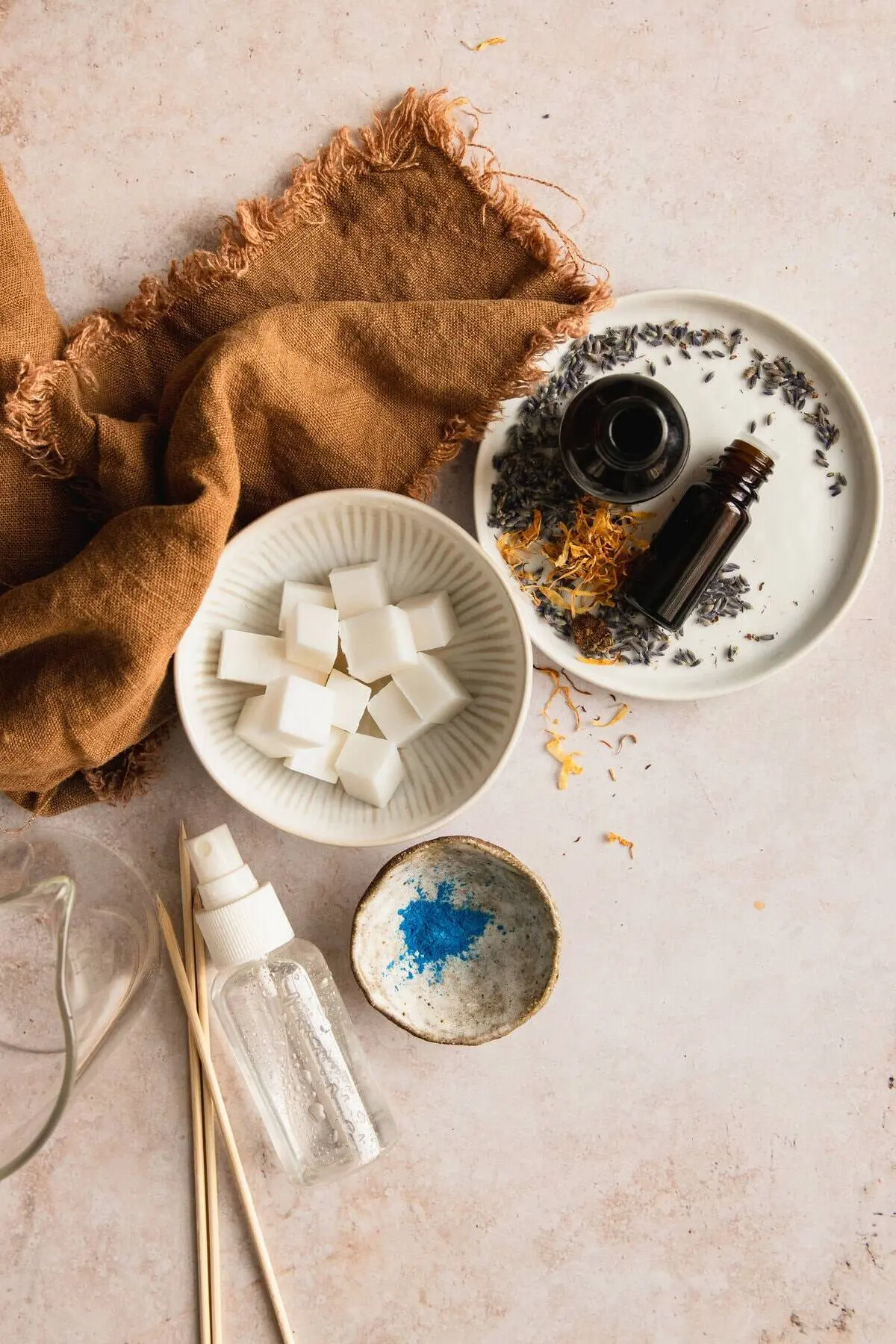
By embedding these essential oil blends into a melt-and-pour soap base featuring vibrant blues and soft whites, creators are able to replicate high-end luxury products—reminiscent of cult-favorite formulations found at specialty retailers like Lush—at a fraction of the cost, while customizing the ingredients to suit their specific sensory preferences.

Chronology: From Modern Insomnia to the DIY Bathroom Sanctuary
The resurgence of interest in evening wellness rituals did not happen overnight. It is the culmination of a broader cultural shift toward self-care and preventative wellness that accelerated over the past several years.
- Pre-2020: Sleep aids were largely dominated by over-the-counter pharmaceuticals, melatonin supplements, and basic sleep hygiene advice (such as reducing screen time). Aromatherapy remained largely confined to diffusers and massage oils.
- 2020–2023: As global stress levels peaked, consumers began looking inward, transforming domestic spaces into wellness retreats. Bath and body DIY projects surged in popularity as people sought tactile, screen-free hobbies that yielded practical results.
- 2024–2025: The beauty market saw an explosion of "sleepy" product lines featuring lavender and tonka bean notes. However, rising retail costs and a growing consumer desire for ingredient transparency led many to look toward homemade alternatives.
- Late 2025–Present: The viral popularity of melt-and-pour soap techniques—specifically color-swirl designs mimicking clouds and nebulae—merged with advanced essential oil blending guides. Home crafters began publishing specialized "sleep soap" formulas, treating the bathroom not just as a space for hygiene, but as an intentional pre-bedtime sanctuary.
Supporting Data: The Science of Scent and Sleep
While crafting artisan soap is an artistic endeavor, the efficacy of the final product is rooted in psychoneuroimmunology—the study of the interactions between the mind, nervous system, and immune system.

Data compiled by sleep researchers and aromatherapy organizations highlight several key findings regarding nighttime scent profiles:
- Lavender Efficacy: Clinical studies consistently demonstrate that Lavandula angustifolia increases slow-wave (deep) sleep, during which the heartbeat slows and muscles relax. A 2018 study published in the Journal of Alternative and Complementary Medicine noted statistically significant improvements in sleep quality among participants exposed to lavender aromatherapy.
- Synergistic Blends: Aromatherapists note that while lavender is a powerhouse, blending it with grounding base notes like cedarwood or warm notes like vanilla creates a more complex olfactory experience that prolongs the calming effect on the limbic system—the emotional center of the brain.
- Cost Efficiency: Commercial luxury sleep bars often retail for upwards of $10 to $15 per individual bar. By contrast, a basic melt-and-pour soap kit combined with therapeutic-grade essential oils allows home crafters to yield multiple bars for a fraction of the investment, making holistic sleep maintenance accessible to a wider demographic.
Official Responses and Expert Perspectives
Dermatologists, aromatherapists, and holistic health coaches have weighed in on the growing trend, offering both endorsement and cautionary guidance for those eager to try their hand at soap-making.

Dr. Elena Vance, a integrative dermatologist based in Chicago, notes that the tactile engagement of crafting can be as therapeutic as using the final product. "The modern mind is constantly bombarded with abstract, digital stimuli," Vance explains. "Engaging in a physical craft like soap-making requires focus, grounding the individual in the present moment. When you finally use that soap in a hot shower, you are engaging a ritual loop that tells your brain: ‘The work is done; it is time to rest.’"
However, experts also emphasize the importance of formulation safety, particularly when working with essential oils and heat.

- Temperature Control: Professional soap makers stress that letting the melted soap base cool to approximately 120°F before pouring is critical. Pouring soap while it is too hot will cause distinct color layers to muddy together, destroying the signature cloud-like swirls.
- Skin Sensitivity: Licensed aromatherapists remind crafters to adhere to safe dilution ratios—typically 1 to 2 teaspoons of essential oil per pound of soap base—to prevent skin irritation, especially when using citrus oils like bergamot, which can be photosensitizing if exposed to direct sunlight (though less of a concern for a nighttime shower routine).
- Storage and Preservation: Because melt-and-pour soap bases naturally attract atmospheric moisture—a phenomenon known as "glycerin dew"—experts advise wrapping finished bars tightly in plastic wrap and storing them in a cool, dark environment to preserve their aesthetic appeal and structural integrity for up to two years.
Implications: The Shift Toward Intentional Evening Routines
The popularity of homemade sleepy-time soaps points toward a broader cultural evolution in how society approaches rest. Rather than viewing sleep as a passive state that simply happens at the end of the day, consumers are increasingly treating it as an active practice that requires preparation, boundary-setting, and environmental design.
The Rise of the Analog Evening
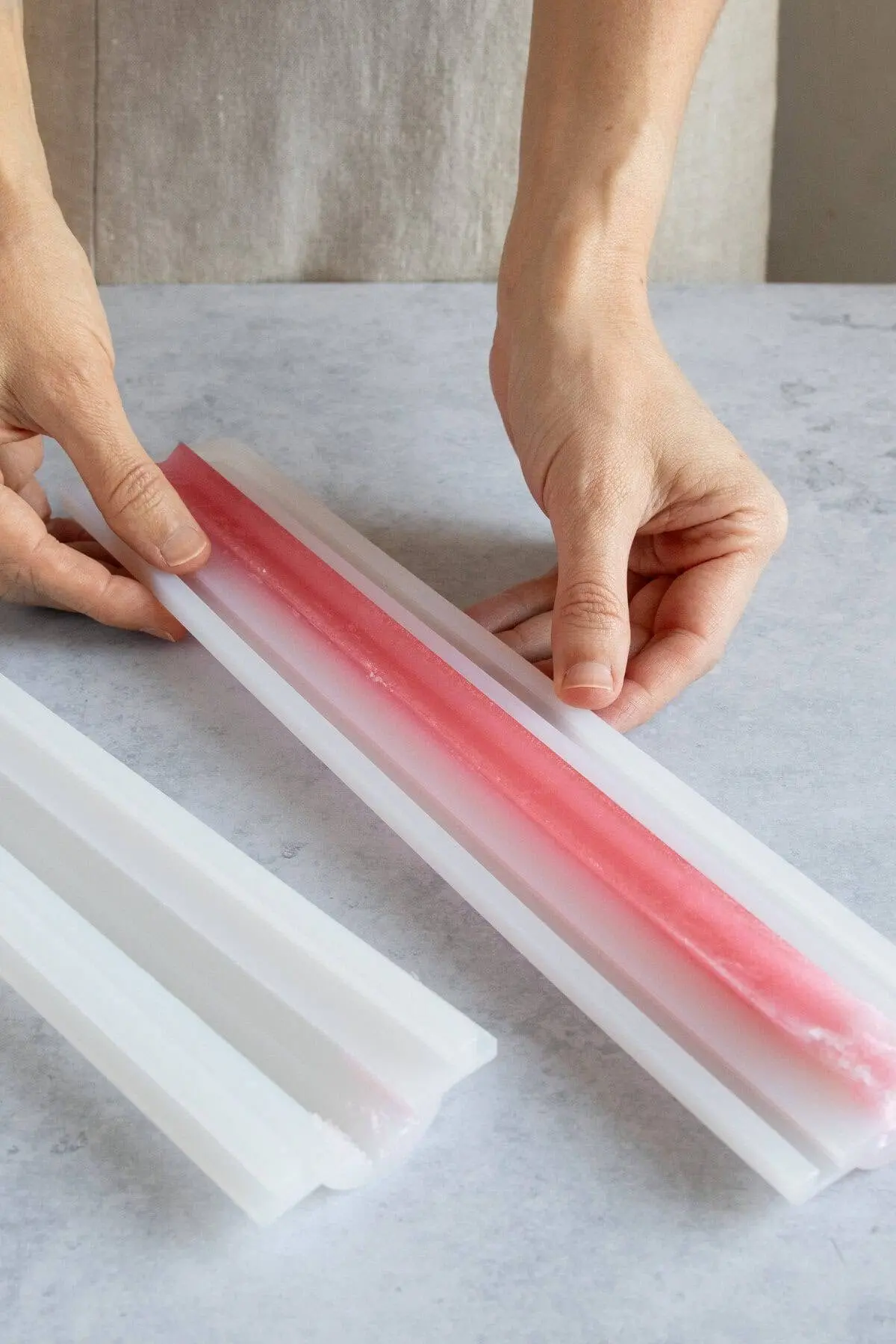
In an age where remote work has blurred the boundaries between professional obligations and domestic life, creating physical artifacts like handmade soap establishes a tangible boundary. The process demands patience—from melting the base and carefully blending botanical extracts to waiting hours for the bars to set and unmold. This deliberate pacing stands in stark contrast to the instant gratification of digital media.

Economic and Creative Empowerment
Furthermore, the DIY movement fosters a sense of self-reliance. If a batch does not turn out as planned, the process is remarkably forgiving: the soap can simply be chopped up, re-melted, and refined. This low-stakes experimentation empowers individuals to take control of their personal wellness products, ensuring that what touches their skin—and what aromas fill their lungs before sleep—is entirely natural, transparent, and tailored to their biological needs.
Ultimately, whether one opts for a Soothing Lavender Blend (combining lavender, cedarwood, and bergamot), a cozy Nighty Night Blend (featuring Roman chamomile, lavender, and vanilla), or a grounding PM Calm Blend (anchored by cedarwood and ylang-yung), these artisan creations offer more than clean skin. They provide a sensory anchor, guiding the modern mind gently out of the chaos of the day and into the quiet embrace of a restorative night’s sleep.