WASHINGTON — In an era defined by hyper-connectivity, digital blue light, and rising baseline stress levels, achieving a restorative night’s sleep has become a luxury for millions. Amid a booming global wellness economy, a quiet revolution is taking place not in high-tech sleep laboratories, but in household kitchens. DIY enthusiasts and holistic health advocates are turning to customized, handcrafted aromatherapy products—specifically, cloud-like, lavender-infused "sleep soaps"—to recalibrate their nervous systems before bed.
Combining the tactile comfort of warm water with targeted essential oil profiles, these artisan-style creations bridge the gap between cosmetic crafting and clinical relaxation techniques. As consumers increasingly seek chemical-free, personalized routes to better rest, the humble bar of soap is being reimagined as a vital pharmaceutical-free sleep aid.
Main Facts: The Anatomy of a Pre-Bedtime Sanctuary
The modern movement toward sleep-centric bathing is anchored in simple physiology. According to wellness experts, pairing a hot shower or bath with specific botanical scents creates a multi-sensory trigger that signals to the brain it is time to transition from sympathetic nervous system dominance (fight-or-flight) to parasympathetic rest.
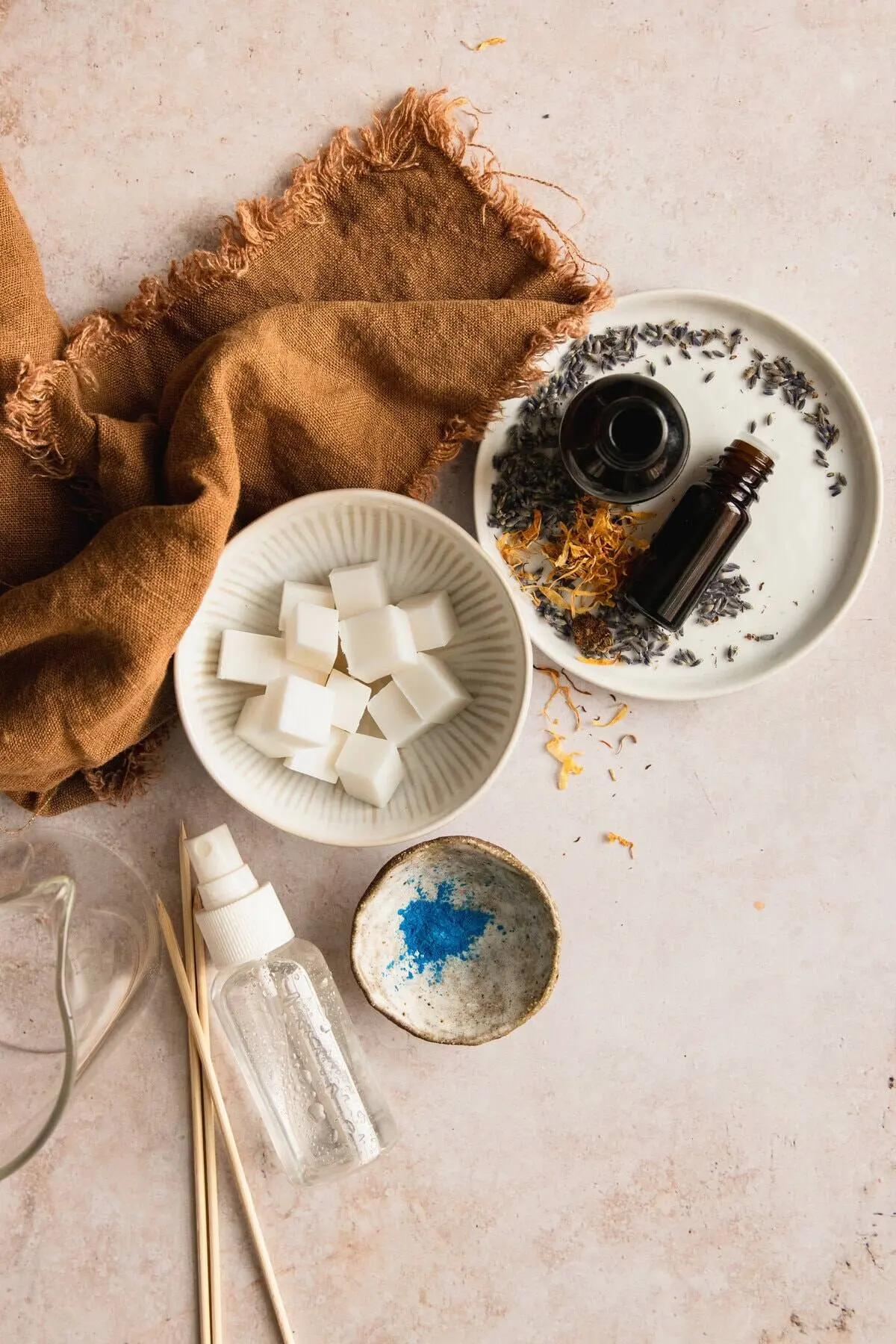
At the center of this trend is the homemade "sleep soap"—a melt-and-pour craft project designed to mimic high-end, luxury bath products like those found at Lush, but with complete control over ingredients.
The Core Mechanism: Warm water relaxes tense skeletal muscles and raises core body temperature; as the body cools rapidly upon stepping out of the shower, it mimics the natural thermal drop that accompanies sleep onset.
The Olfactory Route: Infusing the soap base with therapeutic-grade essential oils targets the limbic system—the brain’s emotional and nervous center—via the olfactory bulb, rapidly lowering cortisol and heart rates.
The Customization Factor: Unlike mass-produced commercial soaps laden with synthetic detergents and artificial fragrances, DIY melt-and-pour bases allow users to select skin-soothing agents and precise aromatic formulations tailored to their individual neurological responses.
Chronology: From Sleep Deprivation to Kitchen Crafting
The journey toward modern aromatherapy sleep aids has evolved through distinct phases over the past decade, culminating in the current popularity of artisanal sleep soaps.
Early 2010s — The Rise of Commercial Sleep Scents: The wellness market recognized a massive consumer deficit in sleep quality, leading to the proliferation of commercial "sleepy" lotions, pillow sprays, and shower gels relying heavily on synthetic lavender and tonka bean extracts.
Late 2010s to 2020 — The Clean Beauty Awakening: As consumers grew more ingredient-conscious, skepticism surrounding synthetic fragrances and endocrine-disrupting phthalates drove a wedge between buyers and commercial brands. Consumers began demanding transparency and organic alternatives.
2023 to 2025 — The DIY Renaissance: Fuelled by social media crafting communities and post-pandemic self-care movements, home hobbyists began experimenting with advanced melt-and-pour techniques. The goal shifted from merely buying relaxation products to the therapeutic, stress-relieving act of making them.
Present Day — The Precision Aromatherapy Era: Today’s sleep soap crafting moves beyond basic lavender blocks. Artisans utilize complex botanical blends—incorporating cedarwood, roman chamomile, ylang-ylang, and bergamot—and master advanced pouring techniques like color-swirling to create visually calming, cloud-like aesthetics that engage the mind before the soap even touches water.
Supporting Data: The Science of Sleep, Stress, and Scent
Insomnia and disrupted sleep cycles are public health crises. According to public health data, more than a third of adults regularly fail to get the recommended seven to nine hours of sleep per night. Chronic sleep deprivation is directly linked to cognitive decline, weakened immune function, cardiovascular disease, and heightened anxiety.
Aromatherapy offers a non-invasive, low-cost adjunctive therapy to combat these metrics:
Lavender Efficacy: Numerous clinical studies have demonstrated that Lavandula angustifolia inhalation reduces systolic blood pressure, heart rate, and skin temperature, effectively inducing a calm state conducive to sleep.
The Synergy of Blends: Research into complementary botanicals shows that combining lavender with grounding agents like cedarwood or calming esters like those found in roman chamomile creates a synergistic effect, prolonging the sedative properties of the essential oils.
Crafting as Mindfulness: Beyond the biochemical impact of the end product, the process of measuring, melting, pouring, and swirling soap serves as a form of tactile mindfulness. Engaging in repetitive, creative handiwork in the hours before bed acts as a digital detox, naturally lowering screen-induced dopamine spikes.
Official Responses and Expert Perspectives
Dermatologists, sleep specialists, and holistic wellness practitioners have weighed in on the growing trend of incorporating specialized bathing rituals into evening hygiene regimens.
"When we talk about sleep hygiene, we often focus exclusively on what we don’t do—like avoiding screens or caffeine," notes Dr. Elena Vance, a behavioral sleep medicine specialist. "What people overlook is the power of positive sensory cueing. Training your brain to associate a specific scent, temperature drop, and tactile experience with impending sleep is a powerful cognitive behavioral tool."
Crafting experts and formulation specialists emphasize that DIY soap making offers a unique psychological benefit through creative autonomy.
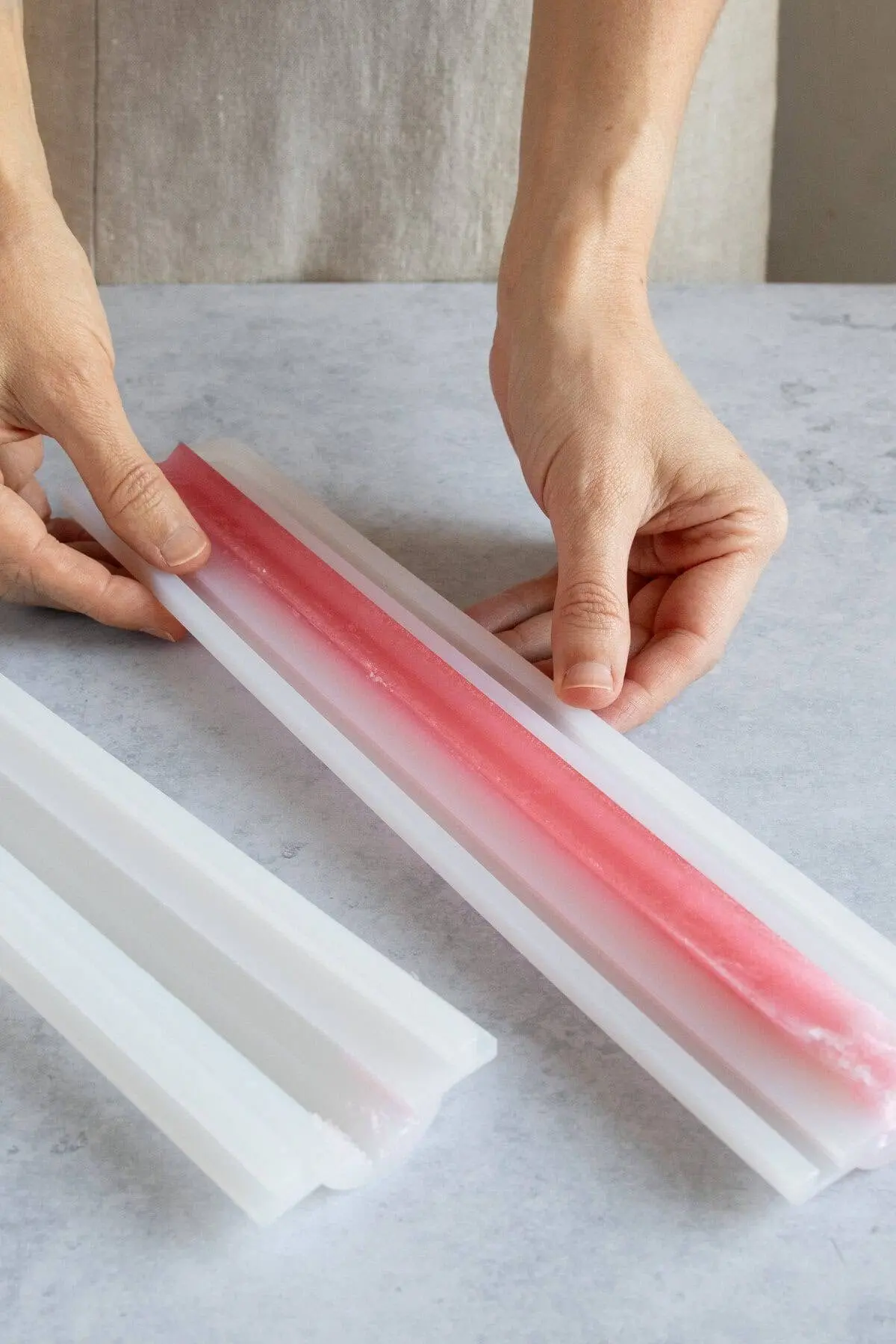
"There is a profound sense of agency that comes with making your own wellness products," says artisan soap maker and educator Stephanie Pollard. "When you control the ingredients, you eliminate the anxiety of what you are putting on your skin. Furthermore, achieving that perfect, dreamy cloud-like swirl requires patience and focus—it forces you to slow down, get off your phone, and be present in the kitchen."
Implications: The Future of Holistic Bedtime Rituals
The popularity of homemade sleep soaps signals a broader cultural shift away from quick-fix pharmaceutical sleep aids toward sustainable, ritualistic lifestyle modifications. As consumers grow increasingly weary of grogginess-inducing sleep medications and heavily marketed wellness products with opaque ingredient lists, the return to kitchen-crafted self-care is poised for long-term growth.
Broader Takeaways for Consumers and Wellness Enthusiasts:
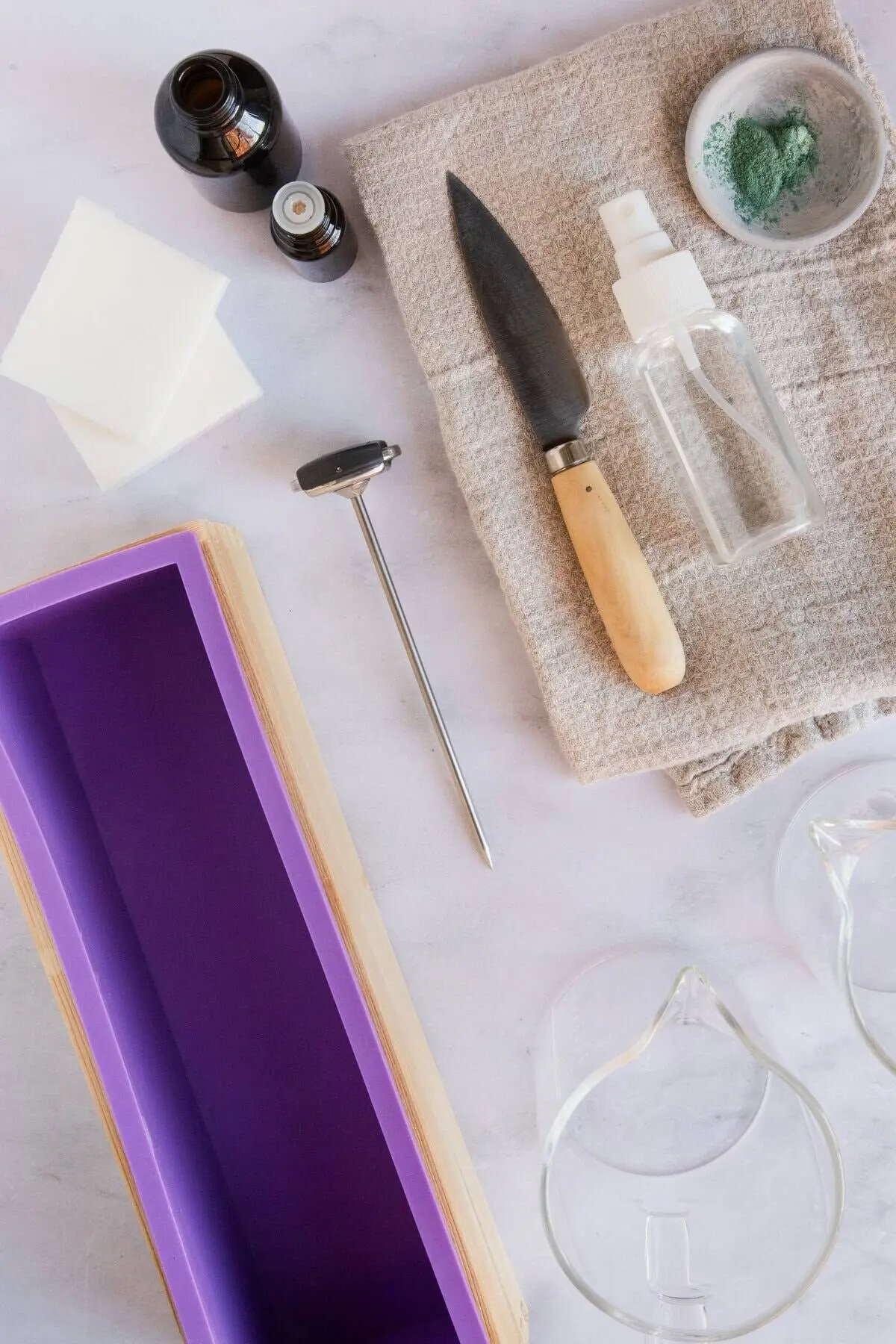
Empowerment Through Education: Understanding raw materials—such as melt-and-pour soap bases, natural colorants like mica or botanical powders, and pure essential oils—demystifies the personal care industry.
The Value of Sensory Anchors: Establishing a predictable, multi-sensory bedtime routine can retrain a hyper-vigilant nervous system to wind down naturally.
Sustainable Gifting and Sharing: Handcrafted sleep soaps double as thoughtful, low-cost, high-impact gifts, fostering community and shared wellness goals among friends and family.
Ultimately, whether one chooses to master the art of the wispy color swirl or simply melt, scent, and pour a basic soothing bar, the act of creating a personal bedtime sanctuary represents a reclamation of rest in a relentless world. Sweet dreams, it turns out, can be shaped one bar at a time.